Character
The Story of Shisha tobacco
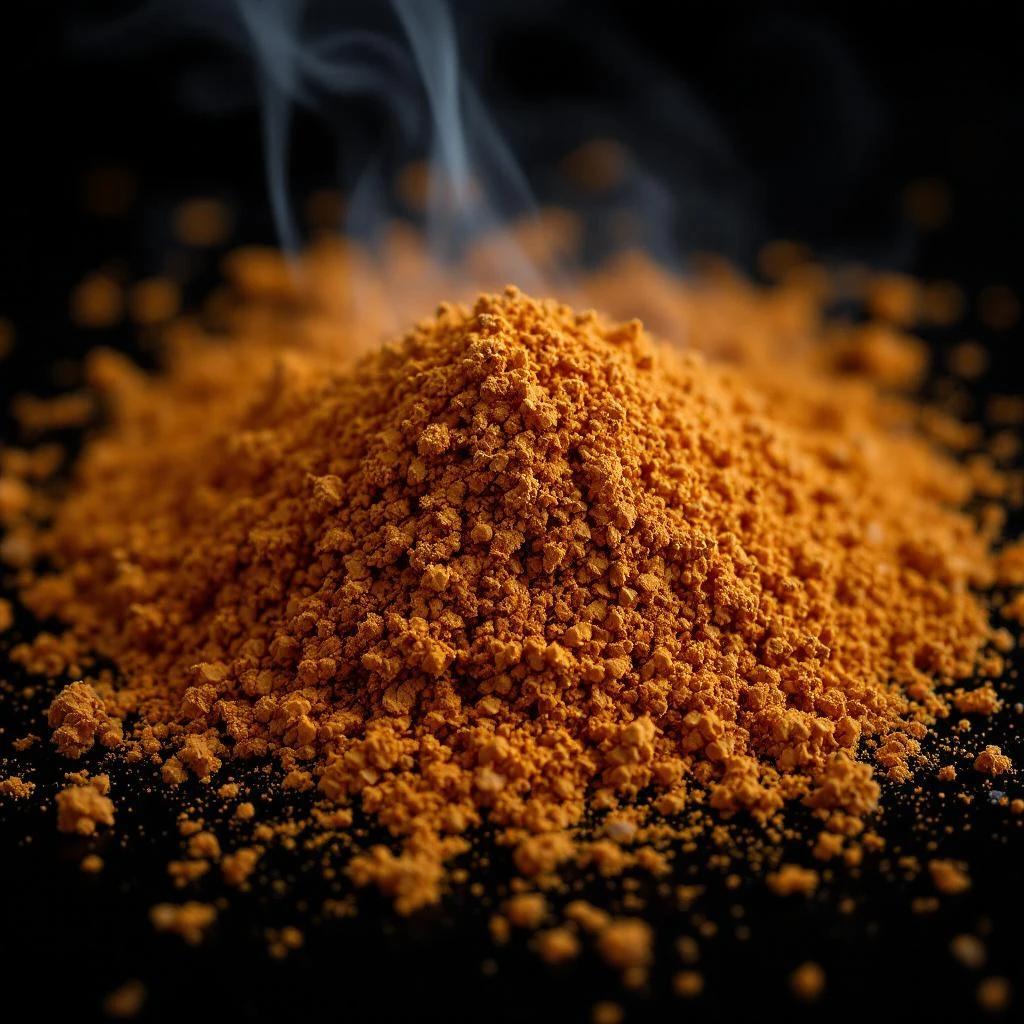
Shisha tobacco refers to the sweetened, flavored tobacco used in hookahs—known in Arabic as mu'assel, meaning "honeyed." This molasses-infused tobacco creates dense, aromatic clouds that have shaped social traditions across the Middle East for over a century.
Heritage
The practice of smoking tobacco through water pipes dates back several centuries across the Middle East and South Asia. The sweetened, flavored tobacco known as mu'assel—Arabic for "honeyed"—first appeared in early 20th-century Egypt. This innovation replaced lightly processed tobacco previously used in hookah pipes with a blend containing molasses, vegetable glycerin, and flavorings that produced smoother, more aromatic smoke.
The appeal of flavored tobacco, combined with increased internet availability, rapidly popularized mu'assel worldwide. In many Arab nations, smoking shisha became a significant social custom—a ritual of connection passed through generations. Scientific research has shown that herbal shisha products without tobacco still produce similar smoke composition, containing equal or greater levels of carbon monoxide, nitric oxide, aldehydes, tar, and carcinogenic polycyclic aromatic hydrocarbons.
At a Glance
1
Feature this note
Egypt
Primary source region
Ingredient Details
Solvent extraction
Dried tobacco leaves
Did You Know
"The earliest mu'assel recipes emerged in early 20th-century Egypt—hookah pipes existed for centuries before the sweetened tobacco blend was invented."