Character
The Story of Soft Musk
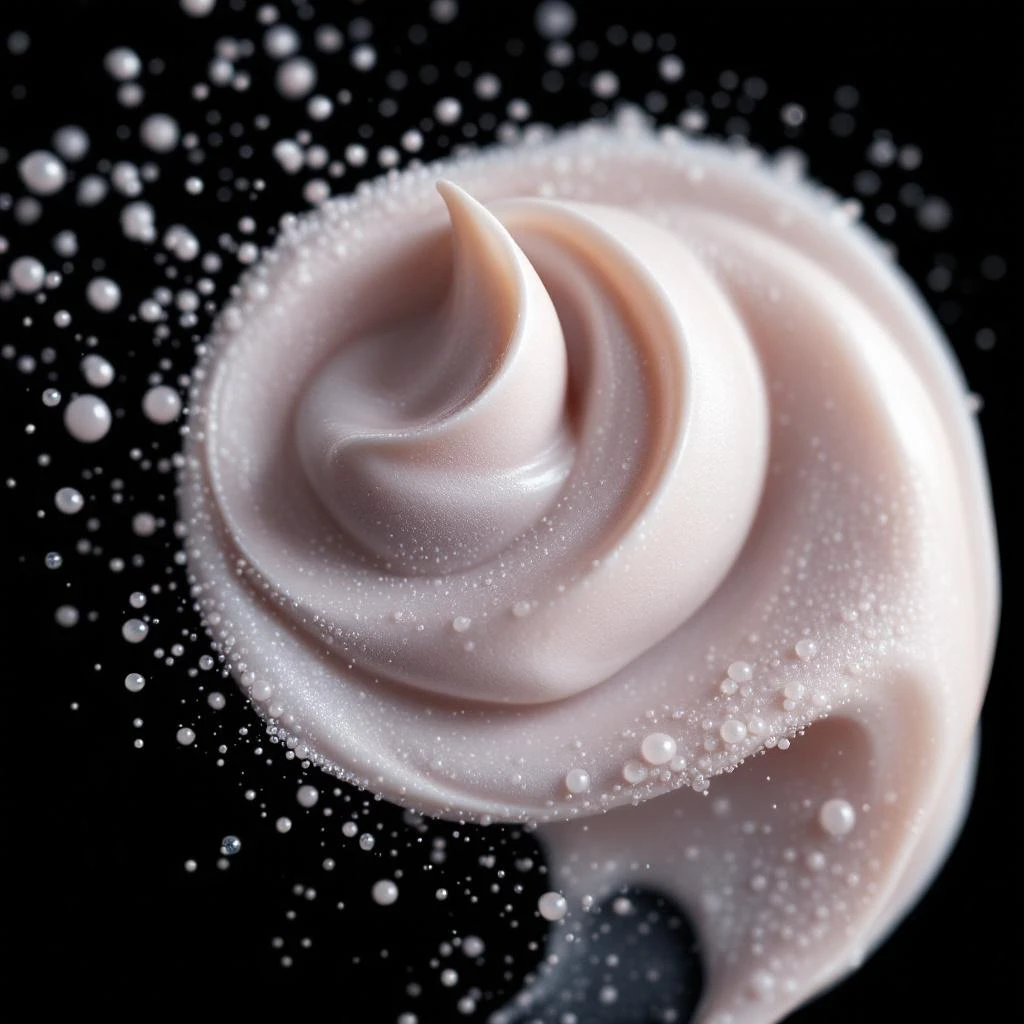
Soft Musk is a synthetic base note that mimics the warmth of human skin. It delivers a clean, powdery warmth that blends fragrance into the skin, creating intimate, skin-close effects. Perfumers rely on it as a fixative to extend longevity and add roundness to modern comforting scents.
Heritage
Musk carries a 3,000-year legacy that began in Himalayan forests where the male musk deer produced a walnut-sized gland secretion for territorial marking and mating. Sanskrit texts from the 6th century first document its use, and the word itself descends from "muṣká," meaning testicle, referencing the anatomy that produces it. Arabic traders carried "al-misk" along incense routes, spreading both substance and mystery westward.
Medieval European pharmacies priced musk higher than gold, valuing its extraordinary fixative power. A single application could anchor an entire perfume composition. Eleventh-century physician Ibn Sina prescribed it for cardiac ailments; Chinese pharmacopoeias listed it for stroke and snakebite. It occupied an ambiguous space between medicine and luxury, potent enough to alter compositions yet precious enough to signal status.
The turning point came in the late 19th century when chemists first synthesized musky molecules through isobutylene nitration. One chemist received a Nobel Prize for this work. Conservation concerns about the endangered musk deer, combined with pollution findings from certain nitro-musks in European waterways, accelerated the transition to safer synthetic alternatives. Today, synthetic musks form the invisible backbone of nearly every modern fragrance, their clean and comforting character shaping the era of skin-like, comforting scents.
At a Glance
1
Feature this note
Global production (laboratory)
Primary source region
Ingredient Details
Organic synthesis
Laboratory-synthesized molecules
Did You Know
"Approximately 10% of people are born with anosmia to synthetic musks, perceiving little to no scent from this widely used ingredient."