Character
The Story of Spanish bitter orange
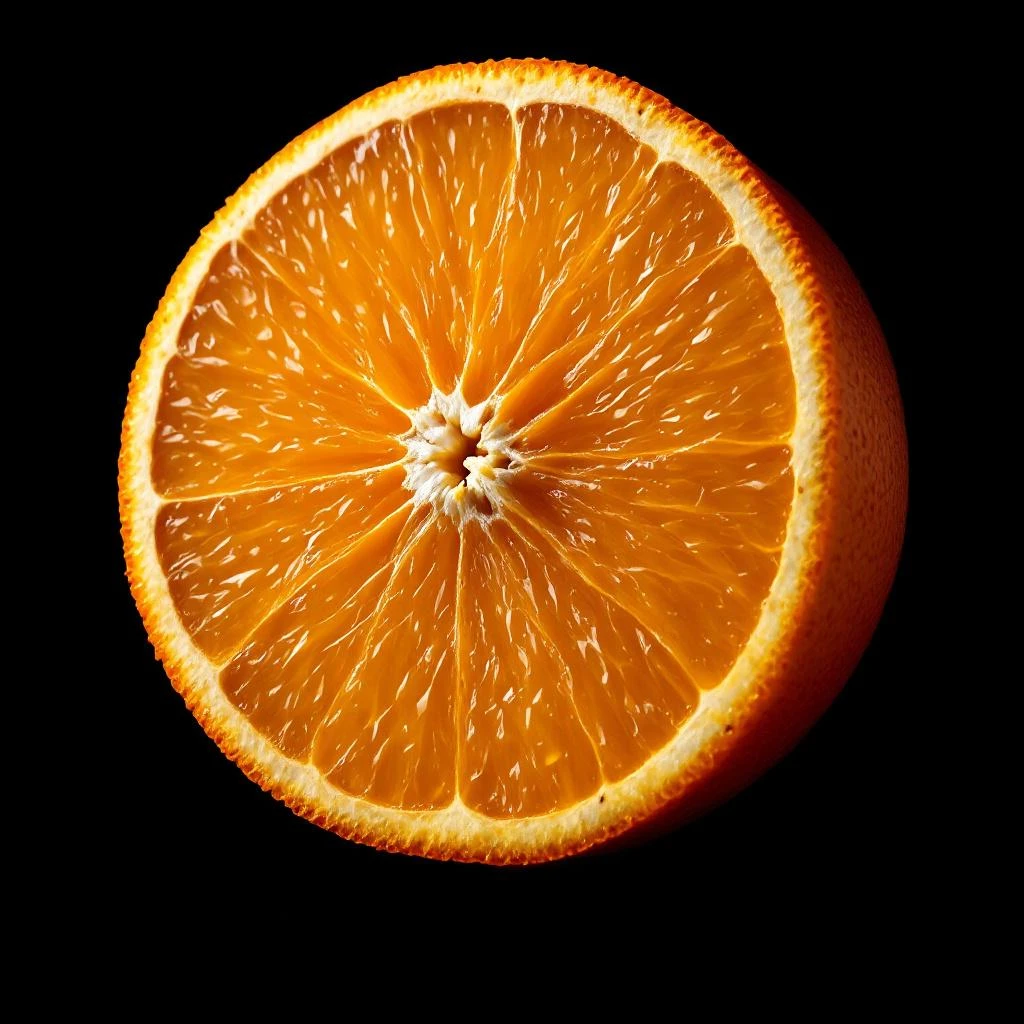
Spanish bitter orange yields three distinct aromatic materials from a single tree. The peel provides crisp, slightly bitter citrus; the blossoms produce prized neroli oil; the leaves and twigs offer petitgrain. This versatility makes bitter orange indispensable in fine perfumery for its ability to deliver freshness, depth, and subtle complexity across fragrance compositions.
Heritage
The Moors introduced Citrus aurantium to Spain during the 8th and 9th centuries. By the 11th century, Seville had become a center for bitter orange cultivation, establishing Spain's prominence in this aromatic tradition. For 500 years, until sweet oranges arrived in the 15th and 16th centuries, bitter orange was the only orange known in Europe. This fruit shaped European perfumery, cuisine, and cultural traditions. Spanish neroli and orange blossom water established Spain's reputation in fragrance production, and the tree's cultural significance endures: Spanish brides traditionally wear bitter orange blossoms, and the fruit defines Seville marmalade.
At a Glance
1
Feature this note
Spain
Primary source region
Ingredient Details
Cold expression (peel), Steam distillation (flowers, leaves/twigs)
Fruit peel, Flower petals, Leaves and twigs
Did You Know
"A single bitter orange tree yields three distinct fragrance materials: neroli from flowers, petitgrain from leaves and twigs, and bitter orange oil from the peel. Each carries a different aromatic profile despite sharing the same botanical source."