Character
The Story of Sweet Pea
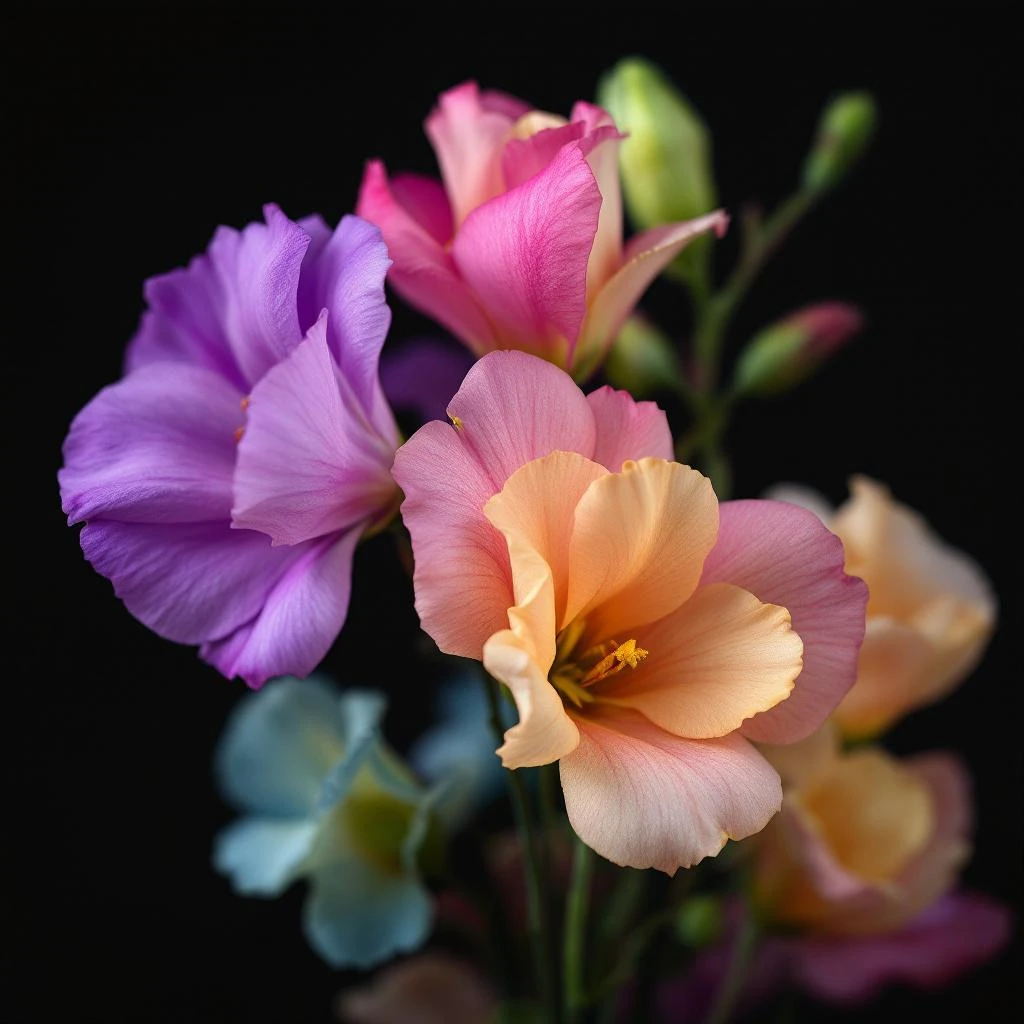
Sweet pea flowers smell so intensely fragrant that every perfumer wants to capture them—yet they yield no extractable oil at all. The entire sweet pea note exists only as a perfumer's act of creative reconstruction, making each interpretation a tribute to one of nature's most enchanting scents.
Heritage
In the 1690s, a Sicilian monk and botanist named Francesco Cupani discovered what would become one of the most beloved garden flowers in the Western world. He found the intensely fragrant purple blooms growing wild in Sicily and sent seeds to English correspondents, establishing sweet pea's (Lathyrus odoratus) first toehold in European gardens.
The flower spread rapidly through aristocratic estates and cottage gardens alike, prized for its intoxicating scent and delicate beauty. By the nineteenth century, plant breeders began developing the hundreds of cultivars we know today, selecting for color, size, and—crucially—fragrance.
Yet as the flower's popularity grew in perfumery, a frustrating reality emerged: sweet peas produced no extractable aromatic material. The very quality that made them beloved—their powerful, distinctive scent—existed in a form that science could not capture. This paradox defined sweet pea's role in perfumery for over a century, forcing perfumers to work entirely through creative interpretation. By the 1990s, sweet pea became a staple of accessible body care and feminine fragrances. Contemporary niche perfumery has since elevated it, treating the note as the sophisticated, nuanced ingredient it was always meant to be.
At a Glance
1
Feature this note
Italy
Primary source region
Ingredient Details
Synthetic
N/A - recreated through accords
Did You Know
"Despite being one of the most scented cultivated flowers, sweet peas contain essentially zero extractable aromatic material, forcing perfumers to rebuild the scent entirely from other ingredients."