


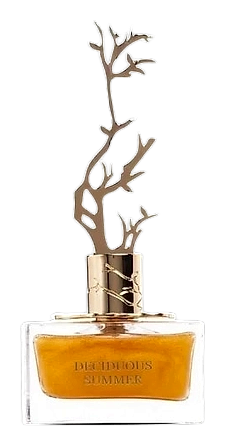
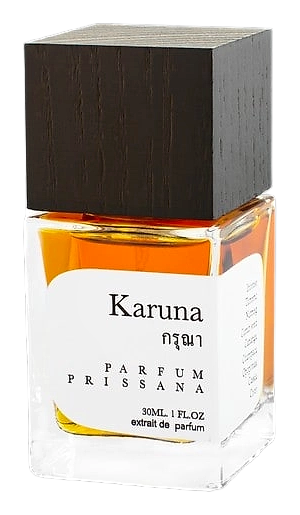
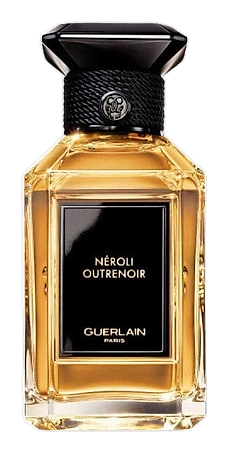
Character
The Story of Tangerine
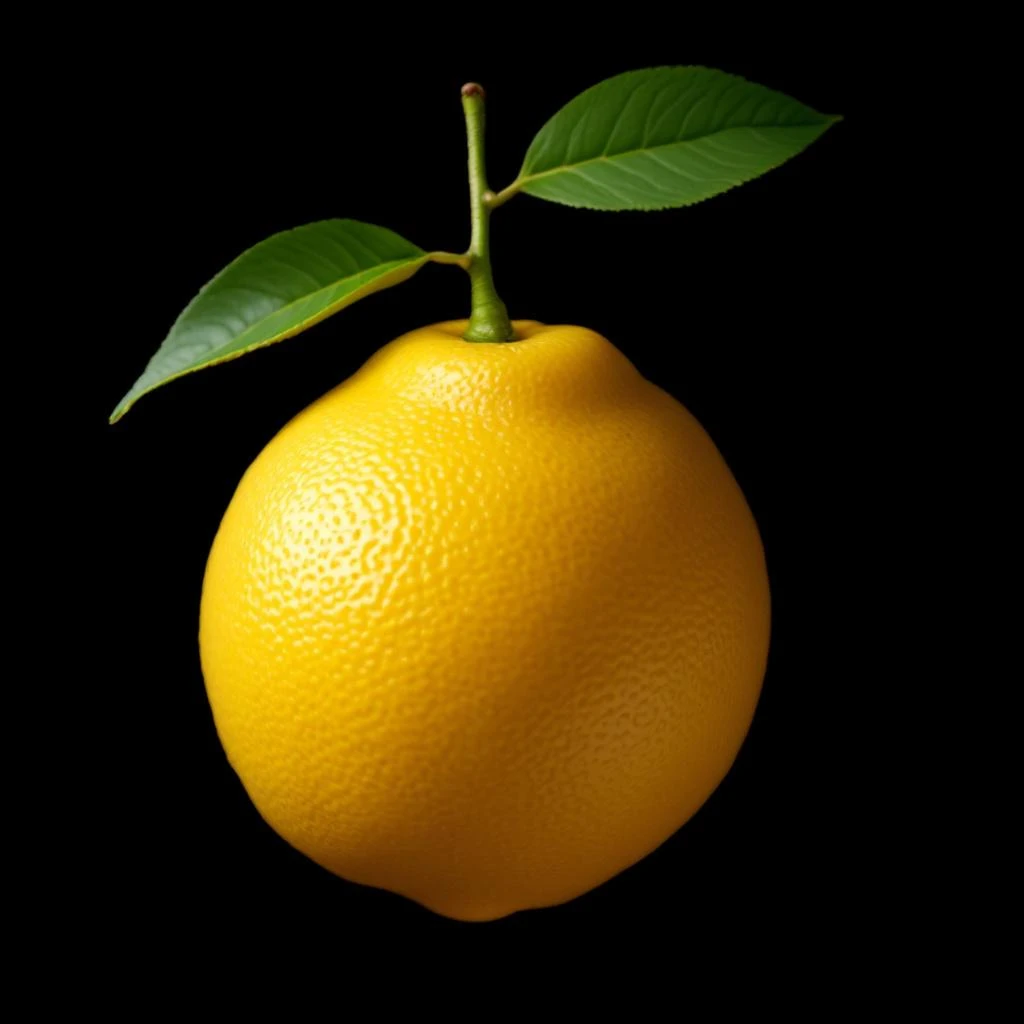
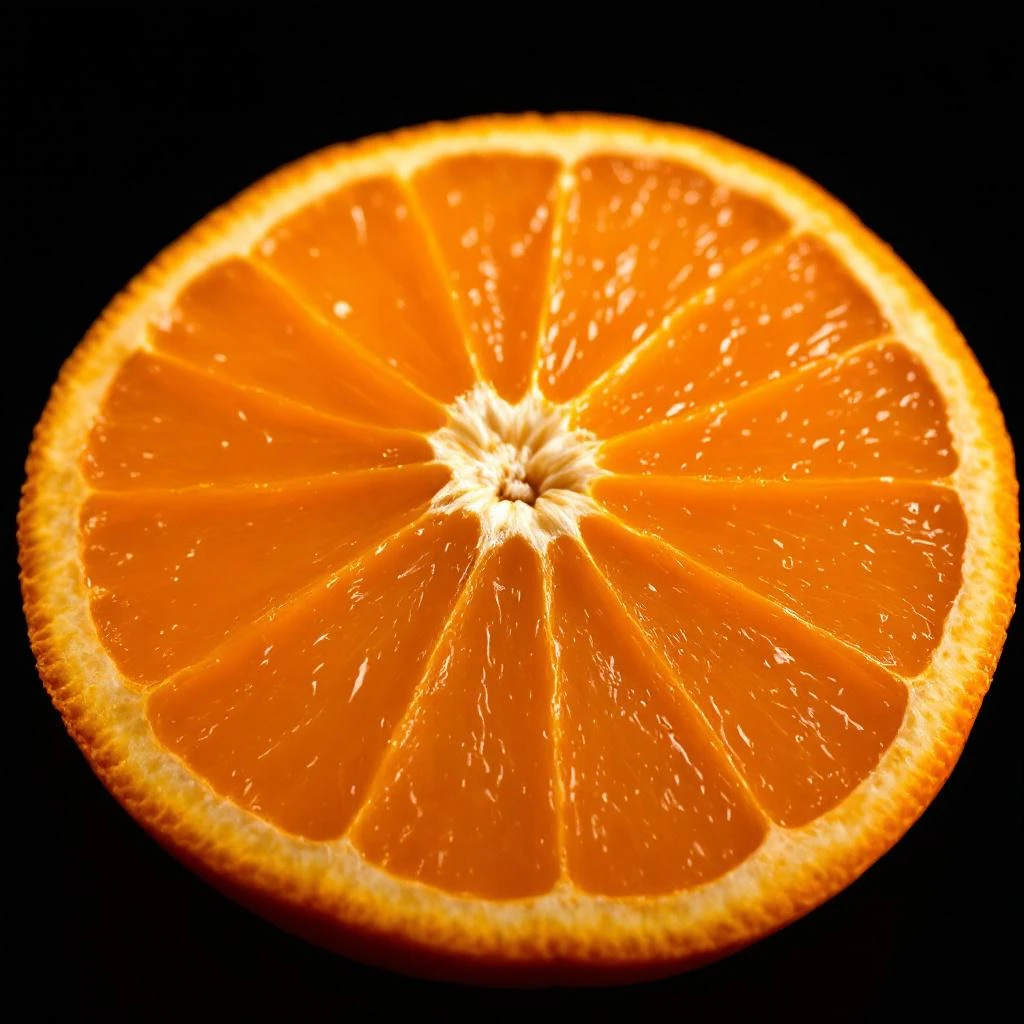
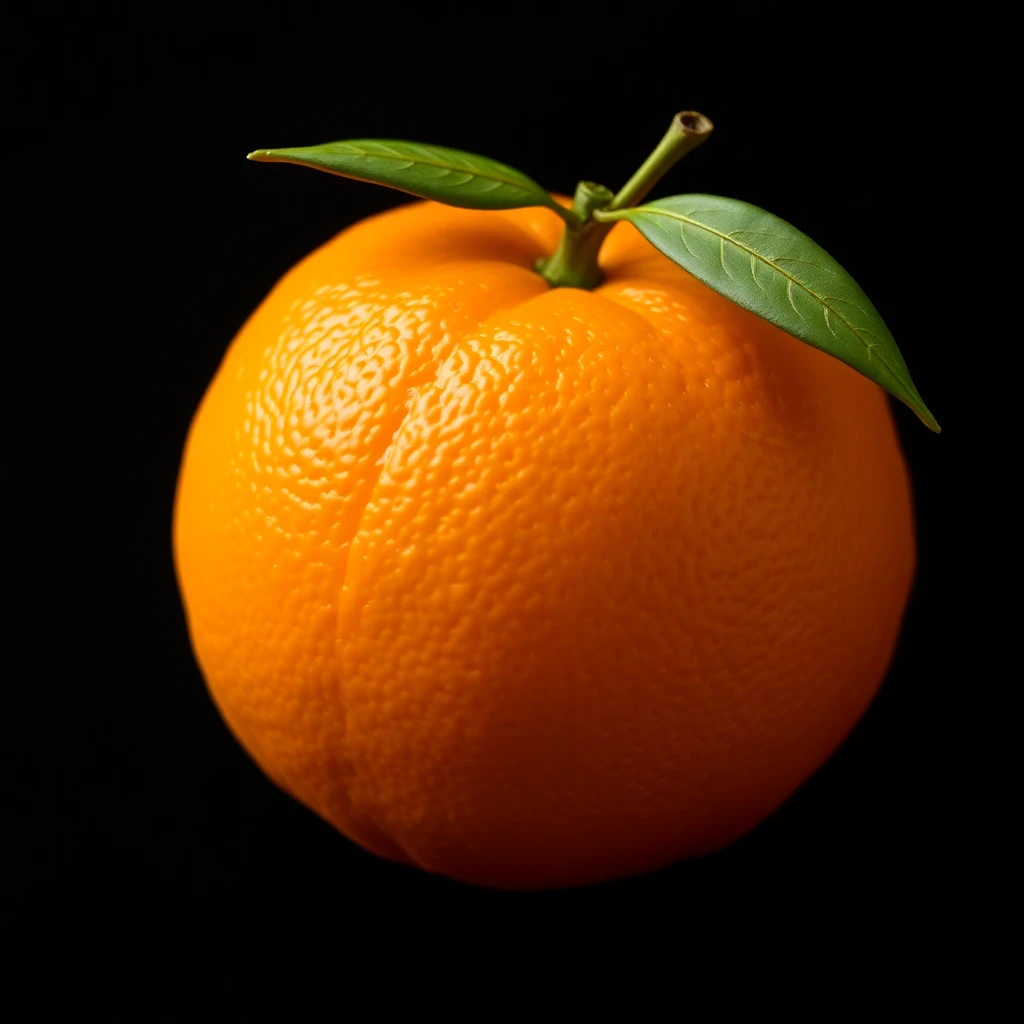
Tangerine is a bright, sweet citrus note that delivers instant freshness and sunny optimism to fragrance compositions. More vibrant and slightly more tart than its close cousin mandarin, tangerine brings a juicy, honeyed quality that enlivens top notes and harmonizes beautifully with florals, spices, and woods.
Heritage
Tangerine's journey into perfumery began in Southeast Asia, where Citrus reticulata has been cultivated for millennia. The fruit spread gradually through China, where it became deeply embedded in cultural traditions as a symbol of luck, prosperity, and good fortune. Chinese New Year celebrations traditionally feature tangerines as gifts exchanged between family and friends, their golden color representing wealth and their name sounding similar to the word for luck in certain Chinese dialects.
The fruit arrived in Europe through the Moroccan port of Tangier, lending the variety its modern name when shipments began in earnest during the mid-19th century. By the 1800s, the Dancy tangerine (a seedling from the Moragne tangerine imported from Morocco) became the most widely grown variety in the United States, cementing the term in commercial markets. In perfumery, tangerine emerged as a distinctive alternative to orange and mandarin, prized for its ability to impart immediate brightness with a subtle honeyed sweetness that reads more complex than standard sweet orange. Christine Nagel, perfumer for Hermès, describes her use of tangerine for its fizzy, joyful, luminous effect. Today it appears in compositions ranging from the refined elegance of Frederic Malle's Musc Ravageur to the playful sweetness of Viktor and Rolf's Flowerbomb.
At a Glance
54
Feature this note
Citrus
Olfactive group
Natural
Botanical origin
China
Primary source region
Ingredient Details
Cold expression (cold pressing)
Fruit peel (rind)
Did You Know
"The name tangerine comes from Tangier, Morocco, where the fruit was first shipped to Europe in the 1840s. In Chinese culture, tangerines symbolize luck and prosperity, and are traditionally exchanged during Lunar New Year celebrations."
Pyramid Presence