Character
The Story of Tea Leaf
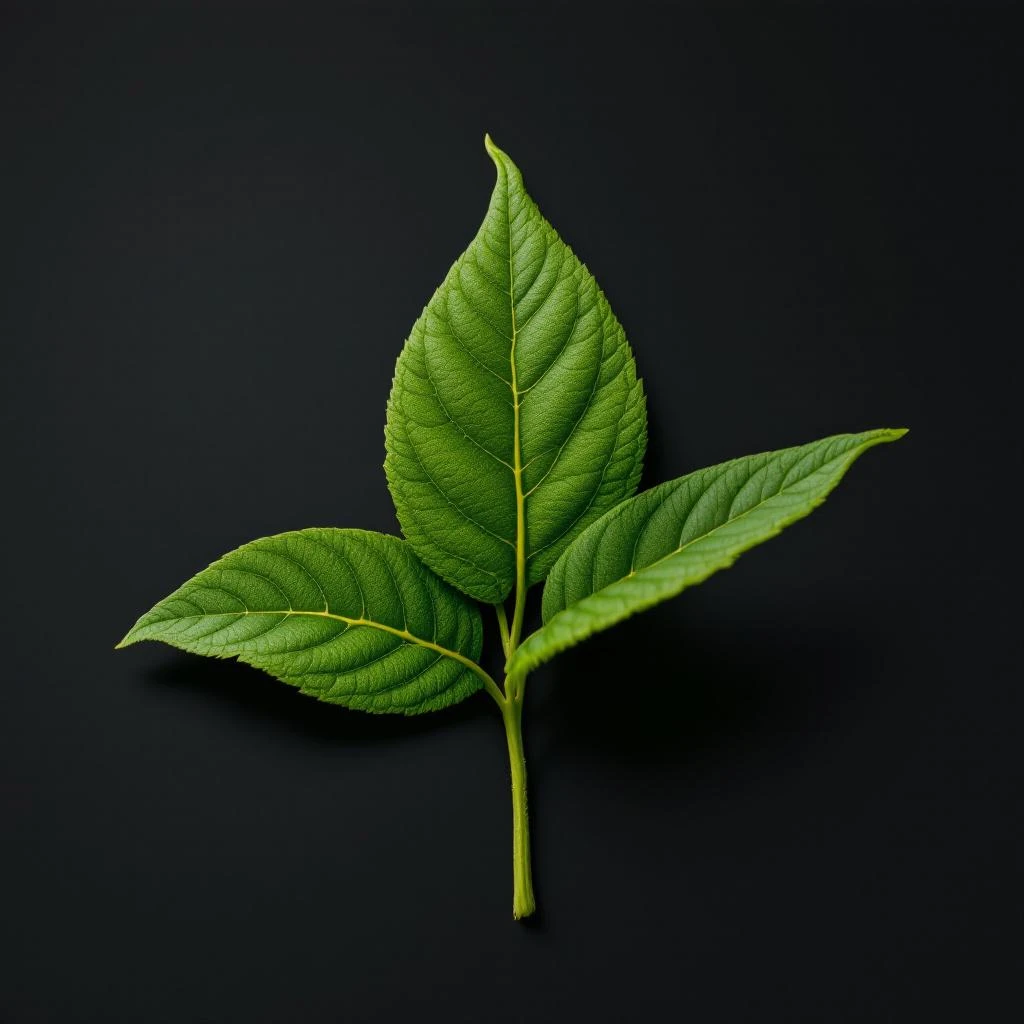
Tea leaf (Camellia sinensis) delivers crisp, green, slightly astringent freshness to perfumery. Its clean, aquatic character bridges bright citrus and earthy base notes. The absolute offers herbaceous, leathery undertones with tobacco and dried hay nuances, creating aromatic complexity found in both masculine and feminine compositions.
Heritage
Tea cultivation began over 5,000 years ago in China, where legend attributes its discovery to Emperor Shennong. The beverage, called 'cha' in Mandarin, spread throughout Asia along trade routes over centuries. Europeans encountered tea in the 16th century through maritime trade with Asia, with Britain becoming a epicenter of tea culture by the 17th century. The word 'tea' itself derives from the Chinese term 'tehe,' meaning tea leaf. Only recently have perfumers explored this ancient ingredient, translating its aromatic heritage into modern fragrance compositions.
At a Glance
1
Feature this note
China
Primary source region
Ingredient Details
Solvent extraction
Leaves (two leaves and a bud)
Did You Know
"Tea ranks as the world's second most consumed beverage after water, with over 3 billion cups enjoyed daily across the globe."