



Character
The Story of Tomato Leaf
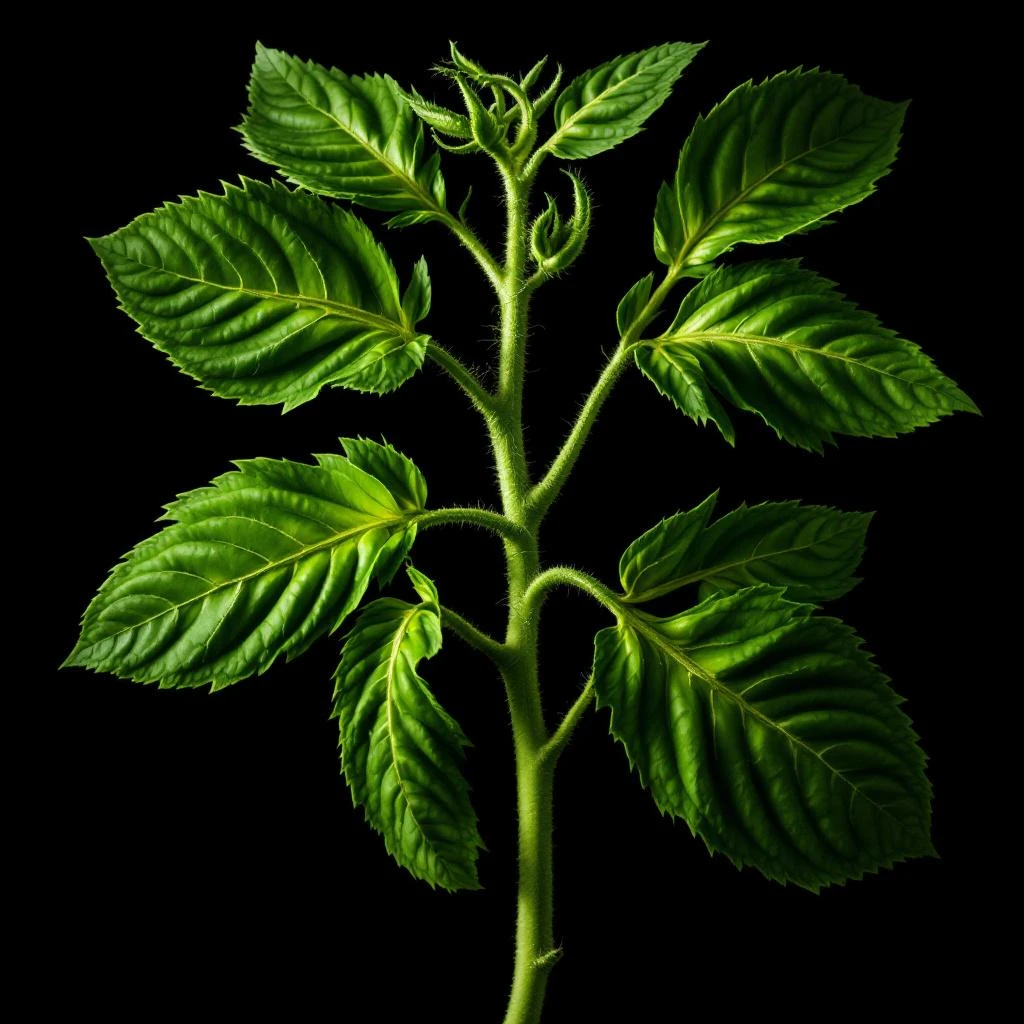
The humble tomato leaf holds a secret. Behind its everyday garden presence lies one of perfumery's most unexpectedly sophisticated green notes, a sharp aromatic accord that captures the raw vitality of vegetation itself.
Heritage
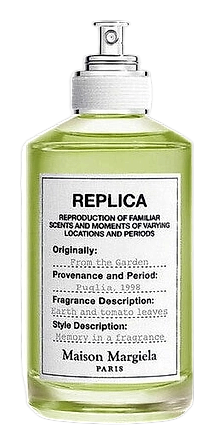
The tomato plant originated in the Andean region of South America, where indigenous peoples cultivated it for centuries before European contact. The word itself traces through languages: from the Nahuatl 'tomatl' spoken by the Aztecs, through Spanish 'tomate', into botanical Latin and eventually perfumery's vocabulary. European botanists first documented the plant in the 16th century, though initial skepticism about its safety delayed widespread culinary adoption. During this period of botanical discovery, naturalists began cataloguing not just the fruit's potential but also the aromatic qualities of the plant's stems and leaves. It would take another four centuries before perfumers recognized the leaves' olfactory value. The first commercial use of tomato leaf as a distinct fragrance note appeared in the late 20th century, with Demeter's single-note fragrance and Memo Paris's Italian Leather helping establish it as a recognized category. Today it appears across niche and mainstream fragrances, prized for its ability to inject immediacy and naturalism into green compositions.
At a Glance
7
Feature this note
Peru
Primary source region
Ingredient Details
Synthetic accord (primarily)
Aerial parts and leaves of Solanum lycopersicum
Did You Know
"Tomato leaves contain the same alkaloid compound, tomatine, that once led early Europeans to believe the plant was poisonous."
Pyramid Presence