

Character
The Story of Tuberose absolute
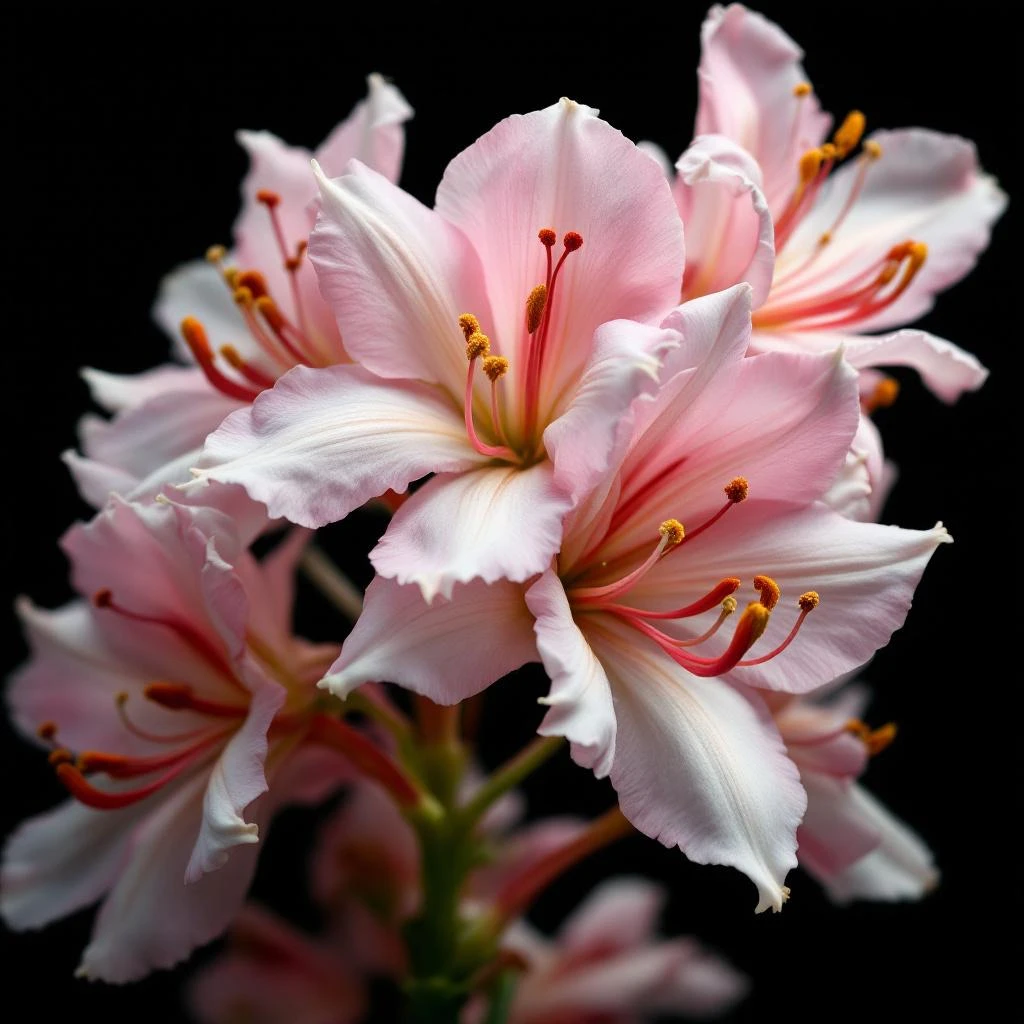
Tuberose absolute delivers an intensely narcotic, honeyed floral scent with creamy coconut undertones and warm, animalic depth. One of the most expensive floral extracts in perfumery, it transforms fragrance compositions with its intoxicating, lingering presence and rich tropical warmth.
Heritage
Tuberose originates from the Mexican highlands, where Aztec perfumers first blended its essential oil with cacao for ceremonial beverages. Spanish colonizers carried the flower to Europe during the 16th century conquest of Mexico, introducing it to French and Italian gardens where it quickly became prized.
By the 17th century, the French had established cultivation in Grasse, their perfume capital, where it remains significant today. Under Louis XIV, ten thousand bulbs were planted at the Trianon gardens of Versailles. The flower's name derives from the Latin tuber, meaning swollen, referencing its distinctive underground tuberous roots.
In India, tuberose holds sacred significance in Hindu tradition, appearing in wedding garlands, temple offerings, and bridal decorations. The Hindi name translates to night fragrance, honoring its nocturnal blooming habit. Commercial production now centers in South India, Egypt, Morocco, and France, with Indian plantations harvesting from May through December to supply the global fragrance industry.
At a Glance
3
Feature this note
Mexico
Primary source region
Ingredient Details
Solvent extraction
Fresh flower blossoms
Did You Know
"The tuberose flower releases its signature perfume exactly 48 hours after being cut. During the Renaissance, young women were forbidden to walk through tuberose fields at nightfall due to its powerful erotic associations."
Pyramid Presence