    Ingredient Profile

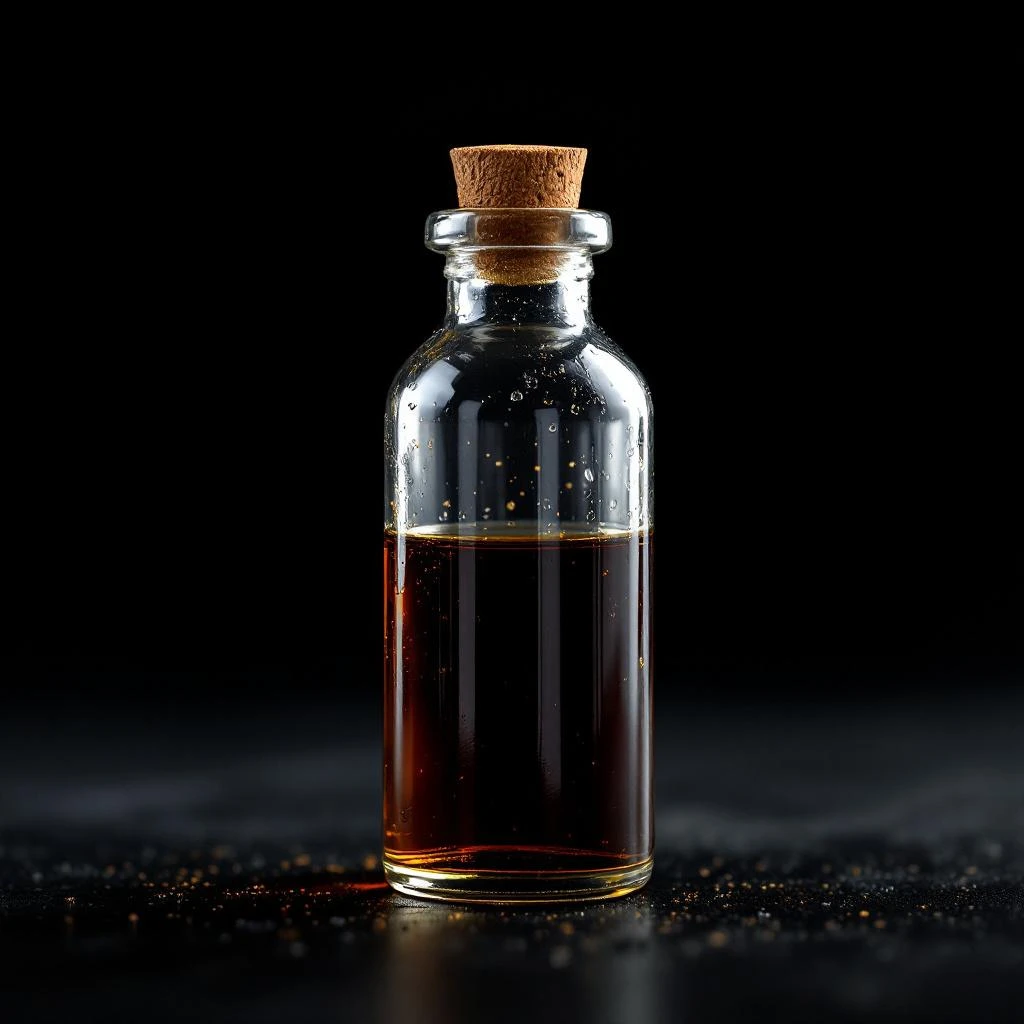
    Vanilla Extract fragrance note

    Vanilla is the world's most familiar comfort note, yet its story—from Mesoamerican orchid to the fragrance industry's most prized raw materi…More

    Mexico

    1

    Fragrances

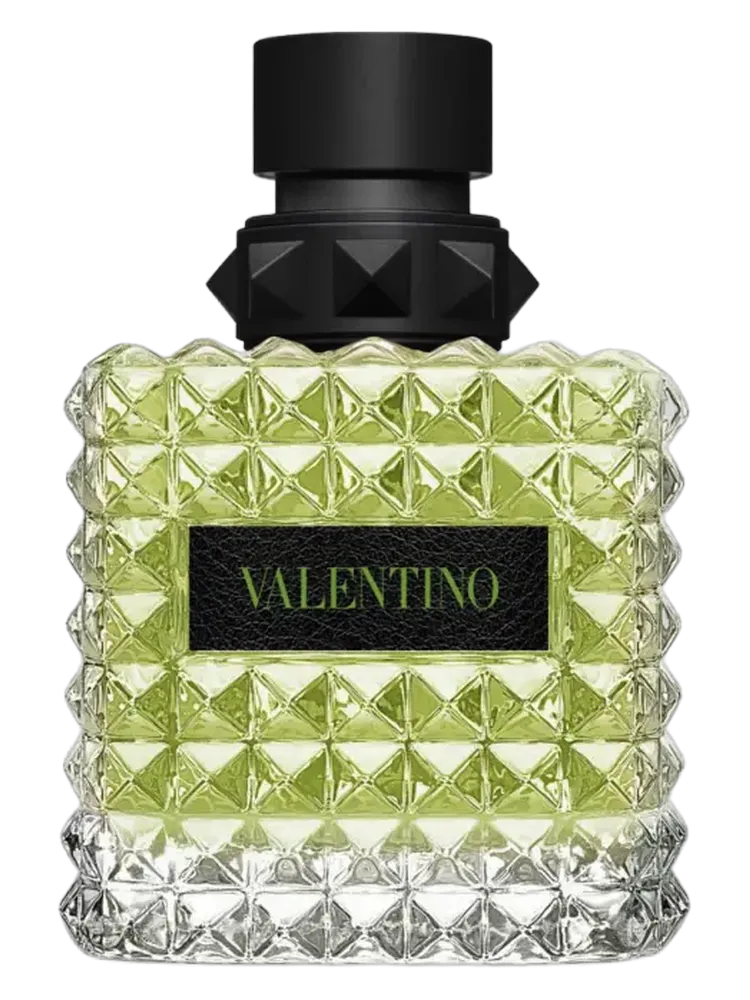
    Fragrances featuring Vanilla Extract

    Character

    The Story of Vanilla Extract

    Vanilla is the world's most familiar comfort note, yet its story—from Mesoamerican orchid to the fragrance industry's most prized raw material—remains largely unknown.

    Heritage

    Vanilla's story begins with the Aztec Empire, where Mesoamerican peoples cultivated Vanilla planifolia and used the cured pods to flavor cacao drinks. Spanish conquistadors encountered vanilla in the early 16th century and brought it to Europe, where its sweet, warm aroma captivated European perfumers within decades of introduction.

    Initially adopted for medicinal purposes in 17th-century Europe, vanilla gradually entered luxury perfumery. By the late 1800s, the spread of vanilla cultivation to islands like Réunion and later Madagascar transformed it into a global commodity. French perfumer Aimé Guerlain used vanilla to groundbreaking effect in Jicky (1889), creating a fragrance that still stands as a reference for the note's potential. Today, Madagascar produces roughly 80% of the world's natural vanilla, yet demand from both fragrance and food industries keeps supply tight and prices elevated.

    At a Glance

    Fragrances

    1

    Feature this note

    Origin

    Mexico

    Primary source region

    Ingredient Details

    Extraction

    Solvent extraction, also available as tincture

    Used Parts

    Cured fruit pods (beans)

    Did You Know

    "The vanilla orchid is the only orchid that produces an edible fruit, and every flower must be hand-pollinated outside Mexico where its native bee cannot survive."

    Production

    How Vanilla Extract Is Made

    Vanilla production is exceptionally labor-intensive, which explains its high cost. The green pods are harvested and must undergo a months-long curing process involving sweating—daily heating and sweating in blankets—followed by sun drying and conditioning in wooden boxes. Only after this slow maturation do the pods develop their characteristic dark color and rich aroma.

    Extraction follows, most commonly via solvent extraction. Perfumers use food-grade ethanol to pull aromatic compounds from the cured pods, producing a vanilla concrete that is further processed into absolute. The solvent is then removed, leaving the prized material. Tinctures—perfumery's oldest technique dating to apothecary origins—also remain in use, where pods macerate directly in alcohol for months to capture a more natural, subtle character. Vanilla absolute commands prices above $400 per kilogram, making synthetic vanillin the workhorse for most commercial fragrances.

    Provenance

    Mexico

    Mexico19.4°N, 99.1°W

    About Vanilla Extract