Character
The Story of Vegetal notes
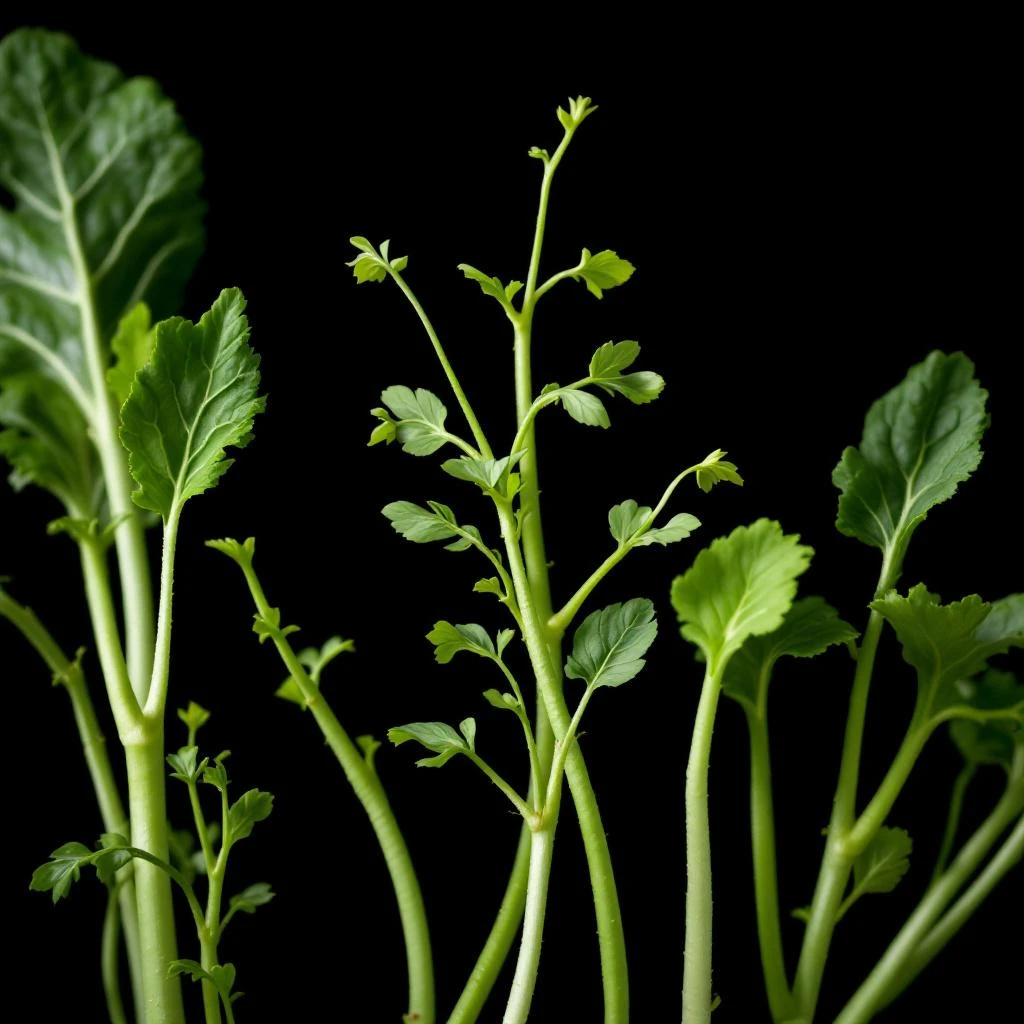
Vegetal notes represent aromatic materials derived from edible plants beyond traditional florals. Carrot seed, tomato leaf, and similar vegetable-sourced essences bring fresh, crisp, green, and earthy qualities to compositions. These ingredients connect fragrance to the kitchen garden, offering a naturalistic authenticity increasingly valued in modern perfumery.
Heritage
The use of vegetable-derived materials in fragrance traces back to ancient civilizations where aromatic plants served dual purposes in worship and healing. Egyptians utilized oils from flowers, resins, and botanicals, establishing the foundation for natural perfumery that would evolve through millennia. The Islamic Golden Age marked a pivotal advancement when Avicenna invented steam distillation around the 11th century, enabling pure extraction of flower essences and expanding the perfumer's palette beyond simple infused oils. India and China incorporated vegetable-derived materials into their healing traditions, with sandalwood and jasmine becoming integral to Ayurvedic practices. During the Renaissance, natural perfumery reached Europe through Islamic civilization, and France gradually emerged as the center of botanical essence production, particularly in Grasse. The contemporary surge in vegetal notes reflects a return to naturalistic perfumery, where consumers increasingly seek ingredients expressing nature, the countryside, and organic authenticity. Perfumers now explore an expanding vocabulary of vegetable-sourced materials, transforming kitchen garden produce into sophisticated aromatic materials.
At a Glance
1
Feature this note
France
Primary source region
Ingredient Details
Steam distillation for seeds; CO2 extraction and solvent extraction for leaves; accord construction for tomato leaf
Seeds (carrot), Leaves (tomato leaf accord), Various botanical parts
Did You Know
"Carrot seed essence costs approximately 50 times less than precious iris rhizome while delivering strikingly similar powdery, violet-like undertones."