Character
The Story of Violet Wood
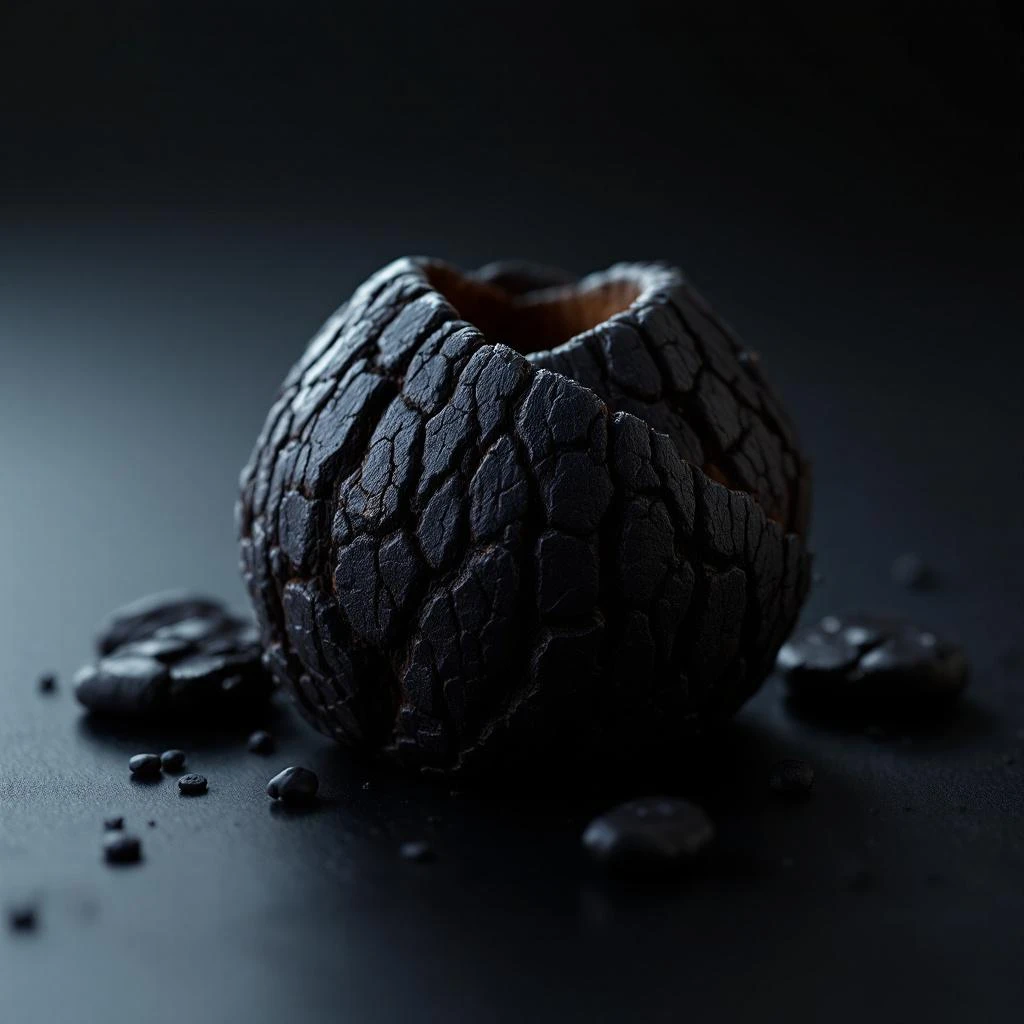
Violet Wood: a distinctive fragrant material bridging powdery floral sweetness with warm, resinous woody depth. A cornerstone of vintage perfumery now rarely encountered in its natural form, prized for its ability to connect floral hearts to woody foundations.
Heritage
The history of violet in perfumery stretches back to Ancient Greece, where perfumers blended floral extracts including violet with olive oil bases. By the 1890s, violet had become the reigning fragrance of European fashion, gracing perfumes, soaps, cold creams, and sachets alike. Natural violet wood materials gained prominence as perfumers sought to capture the elusive violet note in forms that could serve as base materials rather than fleeting top notes. The introduction of volatile solvent extraction in the late 1890s by Etablissements Antoine Chiris revolutionized access to concentrated floral materials, including violet wood derivatives. By the 1930s, vintage formulas using these haute couture natural extracts had created masterpieces that remain difficult to reproduce without access to similar quality materials.
At a Glance
1
Feature this note
France
Primary source region
Ingredient Details
Solvent extraction and fractionation
Wood and woody plant materials containing violet-scented compounds
Did You Know
"Violet wood contains ionones, the same aromatic molecules that give violets their characteristic scent, creating a natural bridge between floral and woody perfumery."