
Character
The Story of Watercress
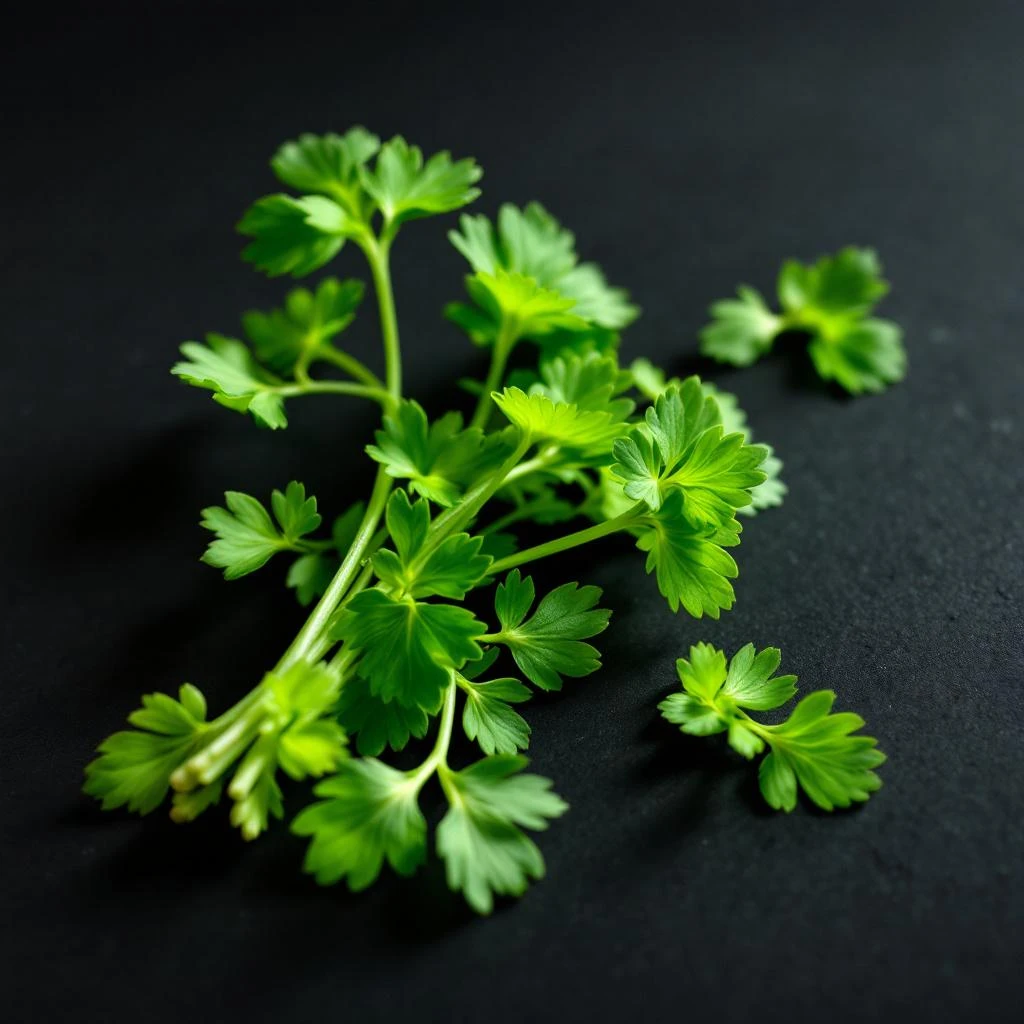
Watercress delivers a sharp, green, peppery freshness that sets it apart from typical aquatic notes. As a semi-aquatic herb with delicate sulfur-containing compounds, it brings a vivid naturalness to fragrance compositions that is difficult to replicate synthetically.
Heritage
Watercress has ancient roots as both food and medicine across the Mediterranean and into Asia. Ancient Persian and Roman physicians prescribed it for detoxification and blood purification, and soldiers carried it on campaign as a restorative green. The name nasturtium derives from the Latin for 'twisted nose,' a nod to its pungent bite that makes the sinuses work. European monastic gardens cultivated it systematically through the medieval period, and it became a commercial crop in English waterways during the 1800s, with dedicated watercress farms supplying urban markets. Its transition into fine perfumery is a relatively recent development, only gaining traction as natural fragrance materials attracted renewed interest in the early 21st century. The botanical name has itself shifted over time: Linnaeus originally classified it as Sisymbrium nasturtium-aquaticum, and it appears in scientific literature under both Rorippa nasturtium-aquaticum and Nasturtium officinale.
At a Glance
2
Feature this note
Mediterranean Basin
Primary source region
Ingredient Details
Solvent extraction
Leaves and tender stems
Did You Know
"Watercress ranked among the most nutritious vegetables long before it became a perfumery ingredient."
Pyramid Presence