Character
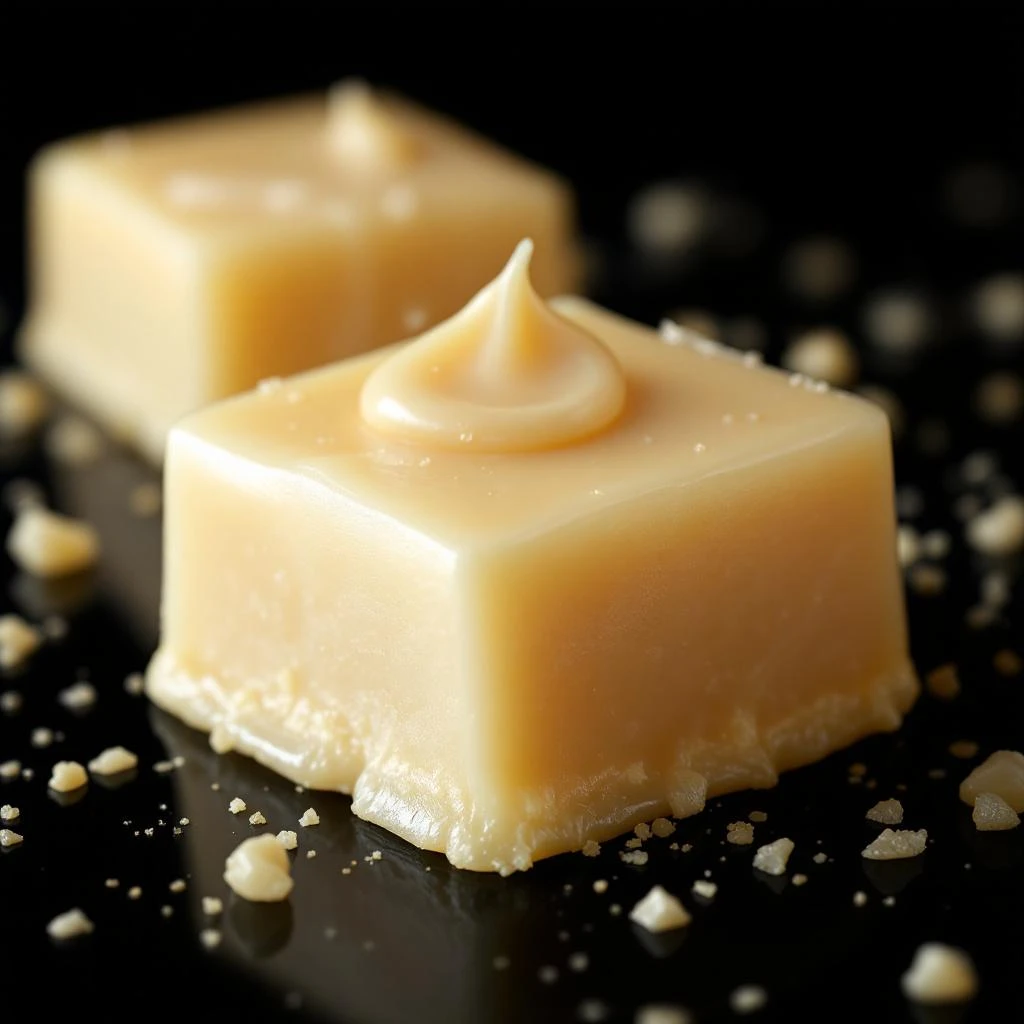
The Story of White Caramel
Warm, buttery, and irresistibly sweet. White Caramel brings a creamy confectionery depth to fragrances, evoking melted sugar, vanilla, and milk. A modern perfumery staple.
Heritage
The word 'caramel' comes from the Spanish caramelo and Latin cannamella, meaning sugar cane. Caramel confectionery became popular in 17th-century France, where cooks discovered that heating sugar produced this rich, golden treat. In perfumery, the story changed in 1992 when Mugler launched Angel, the first major fragrance to place edible sweetness at its center. The perfumer Oliviere Multon combined unexpected notes like coconut, patchouli, and chocolate to create what became the gourmand revolution. Caramel followed as a key pillar of this new style. Today, white caramel appears in countless fragrances from mass-market lines to niche houses. The note persists because it triggers comfort and indulgence without costing calories, which explains its rise in an age where consumers seek sensory pleasure without the sugar hit. Cyclotene, the primary molecule behind the note, was once extracted from fenugreek seeds before synthesis made it widely available.
At a Glance
1
Feature this note
France
Primary source region
Ingredient Details
Synthetic
N/A
Did You Know
"Before Mugler's Angel launched in 1992, caramel wasn't a recognized fragrance category. Perfumers had to build the note from fenugreek, maple, and other ingredients."