Character
The Story of White Honey
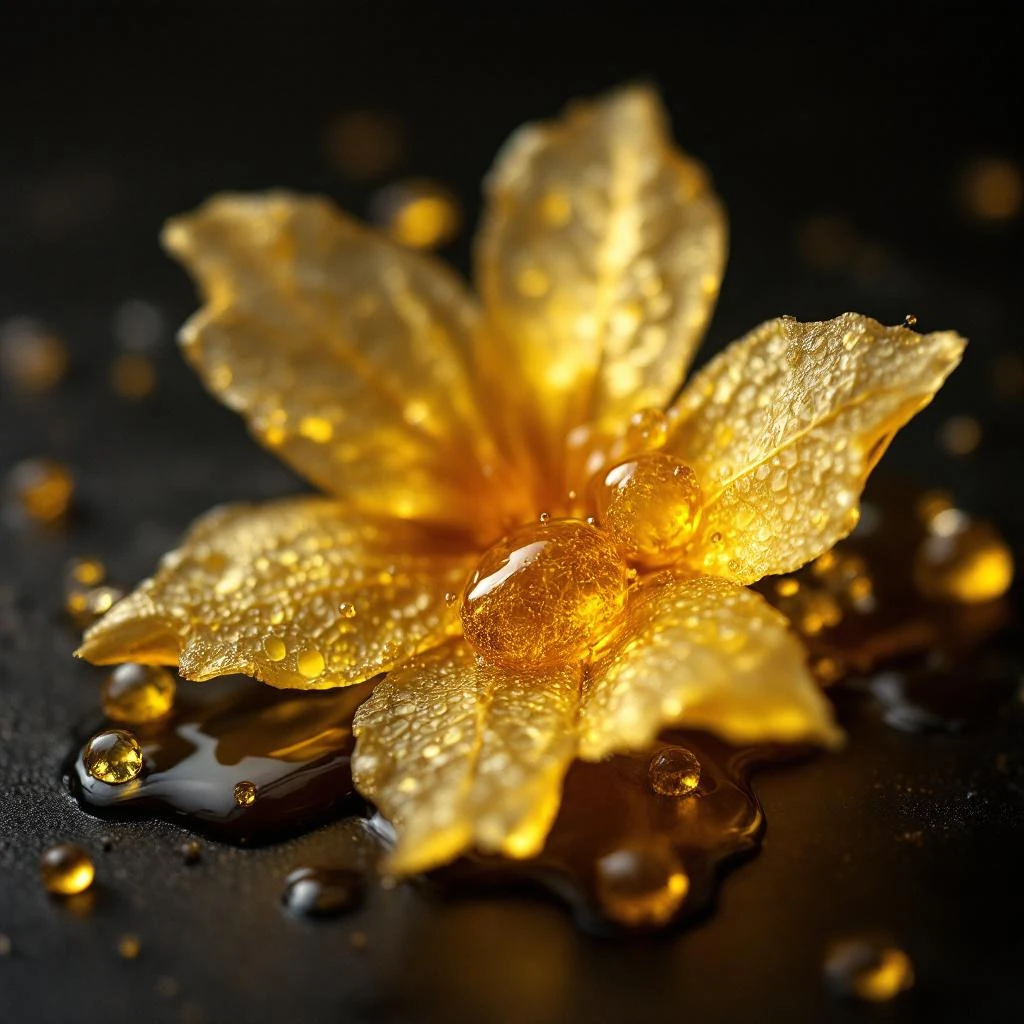
White honey in perfumery evokes the warm, golden sweetness of honeycomb—a viscous, slightly animalic note that softens floral bouquets and adds depth to oriental compositions. Modern perfumers layer beeswax absolute with synthetic molecules like phenylacetic acid to achieve this characteristic nectar scent.
Heritage
The relationship between humans and honey spans prehistoric times, with cave paintings depicting honey gathering dating back over 8,000 years. Ancient civilizations across Egypt, Greece, and Rome prized honey not only as food but as a sacred material for unguents and perfumes. Egyptian priests incorporated honey-based preparations into religious rituals, while Greek physicians documented its aromatic applications.
Honeyed notes entered modern perfumery during the 19th century's chemical revolution. As beekeeping became systematized and chemists developed new extraction techniques, perfumers gained access to refined beeswax materials. The founding of ingredient houses like Haarmann & Reimer in 1874 accelerated the shift toward synthetic honey compounds. Today, nearly all commercial fragrances rely on laboratory-created honey molecules rather than natural beeswax absolute, making this ancient ingredient both accessible and sustainable.
At a Glance
2
Feature this note
France
Primary source region
Ingredient Details
Solvent extraction / Synthetic
Beeswax (post-honey extraction)
Did You Know
"Ancient Egyptians used honey in sacred unguents, believing its golden essence held divine properties for both the living and the dead."
Pyramid Presence