Character
The Story of White Musks
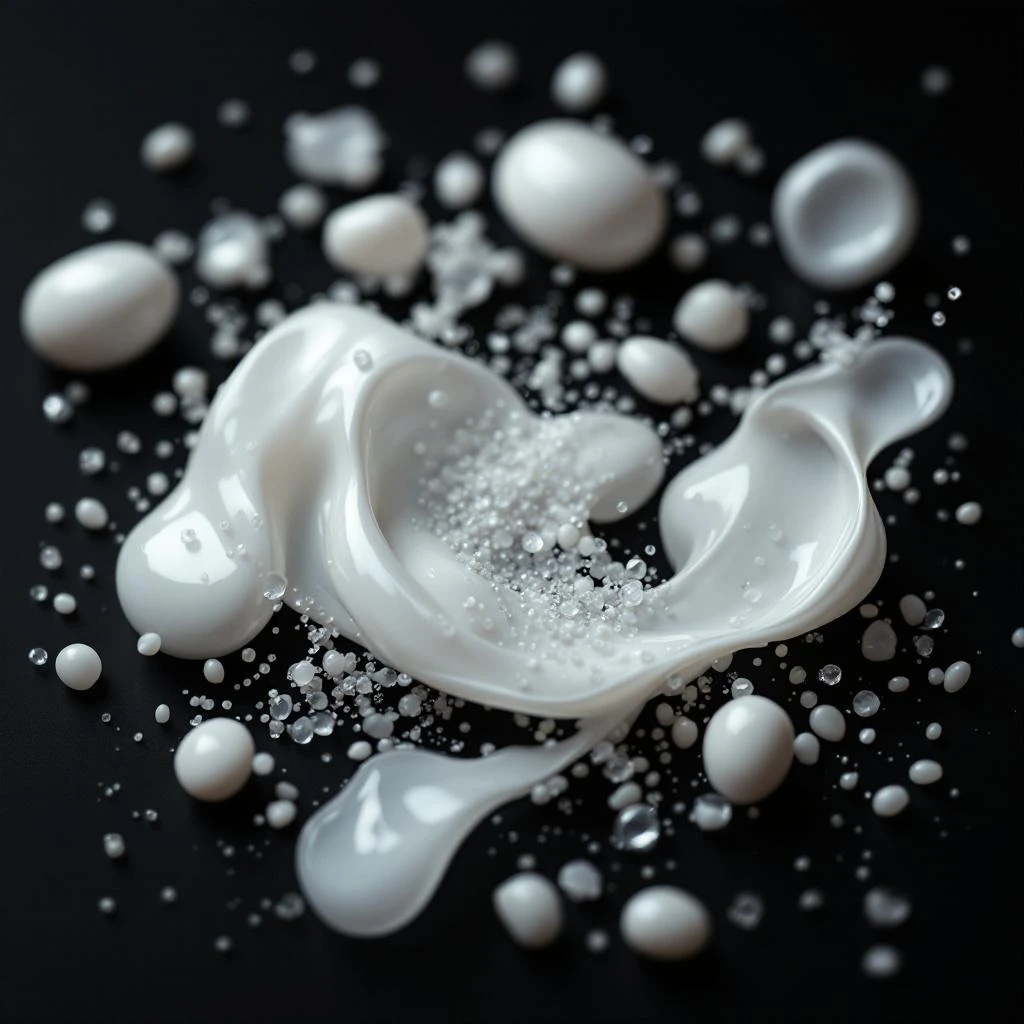
White Musks are synthetic aromatic compounds that recreate the soft, sensual qualities of animal musk without using animals. They provide warmth, tenacity, and a skin-like quality to fragrances. These clean alternatives include macrocyclic musks like muscone and exaltolide, plus newer linear musks that evoke clean cotton and fresh linen.
Heritage
The history of musk begins in 330 BCE when Alexander the Great discovered the secretion from the musk deer in Tibet. Ancient perfumers prized it for its remarkable staying power and sensual warmth. By the 1960s-70s, intensive hunting nearly wiped out the species, prompting international protection. The industry responded by accelerating synthetic alternatives, which had actually begun appearing as early as 1888. Today, animal-origin musk is banned in modern perfumery, replaced entirely by ethical synthetic options. White musks now define the scent of cleanliness in Western perfumery, evoking fresh laundry, baby skin, and cotton. Their evolution from controversial animal product to clean synthetic illustrates how the industry transformed while preserving the dreamy, addictive quality that made musk legendary.
At a Glance
1
Feature this note
Global
Primary source region
Ingredient Details
Chemical synthesis
N/A - entirely synthetic compounds
Did You Know
"Galaxolide, one of the most widely used white musks, was originally developed for laundry detergents before becoming a perfumery essential."