
Character
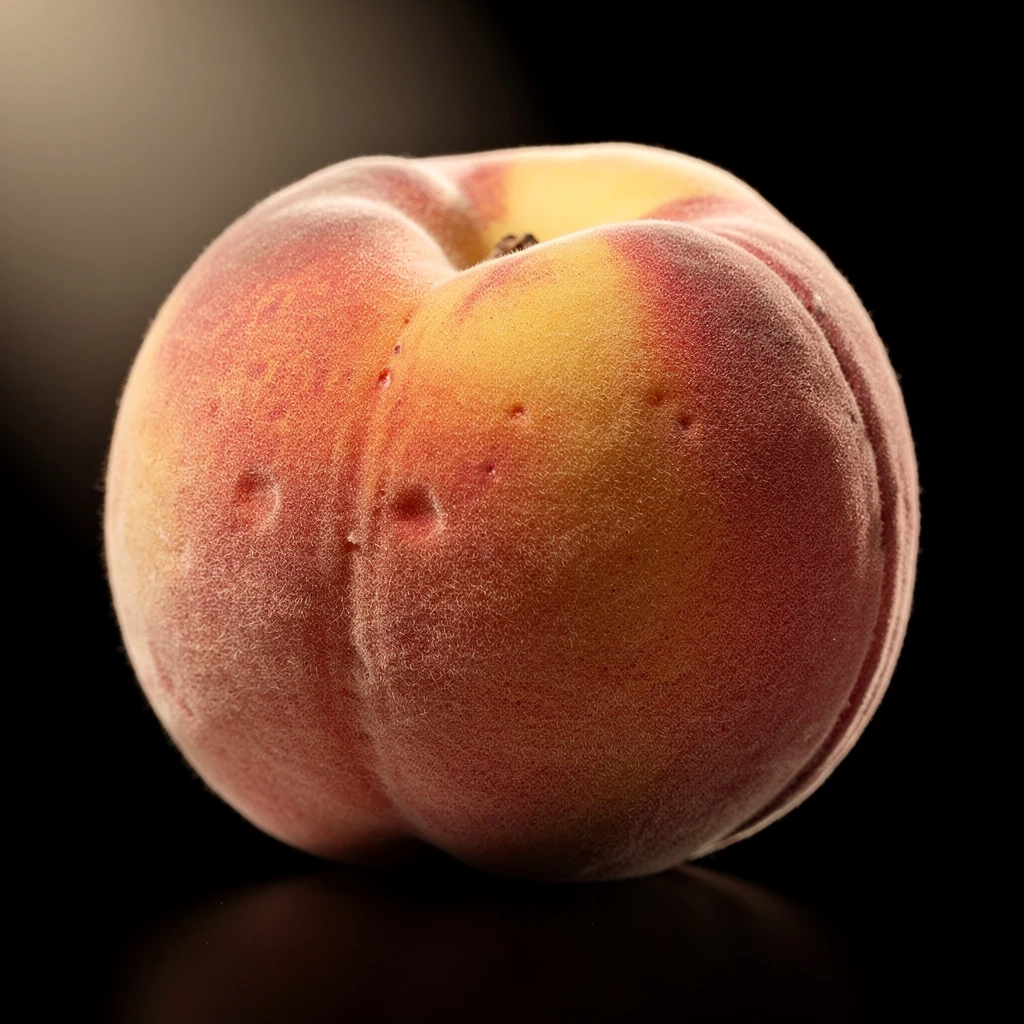
The Story of White Peach
White peach captures the fruit's velvety, nectar-like sweetness through synthetic lactones, primarily gamma-undecalactone, since no essential oil can be extracted from the fresh fruit itself.
Heritage
Originally native to China, peaches traveled along ancient trade routes to Persia, where the Romans encountered them and carried the fruit westward. The scientific name Prunus persica reflects this erroneous belief in Persian origins. Alexander the Great is credited with introducing the peach to Greece around 325 BCE, and the Greeks and Romans quickly adopted the fruit for perfumed ointments and fragrant preparations. Arab perfumers during the Middle Ages further advanced peach's role in fragrance compositions, creating fruity and sweet blends that influenced European traditions. By the 1990s, peach became a defining note of the fruity-fragrance frenzy that swept through perfumery, appearing in countless women's perfumes and remaining popular today.
At a Glance
2
Feature this note
China
Primary source region
Ingredient Details
Synthetic (gamma-undecalactone); Peach kernel oil via cold pressing or solvent extraction
Peach kernels (stones/seeds) for oil extraction; N/A for fruit (reproduced synthetically)
Did You Know
"Although peach trees have perfumed gardens since ancient Greece, every peach note in modern perfumery is either a synthetic reconstruction or derived from peach kernel oil, never the fruit itself."
Pyramid Presence