Character
The Story of White rose
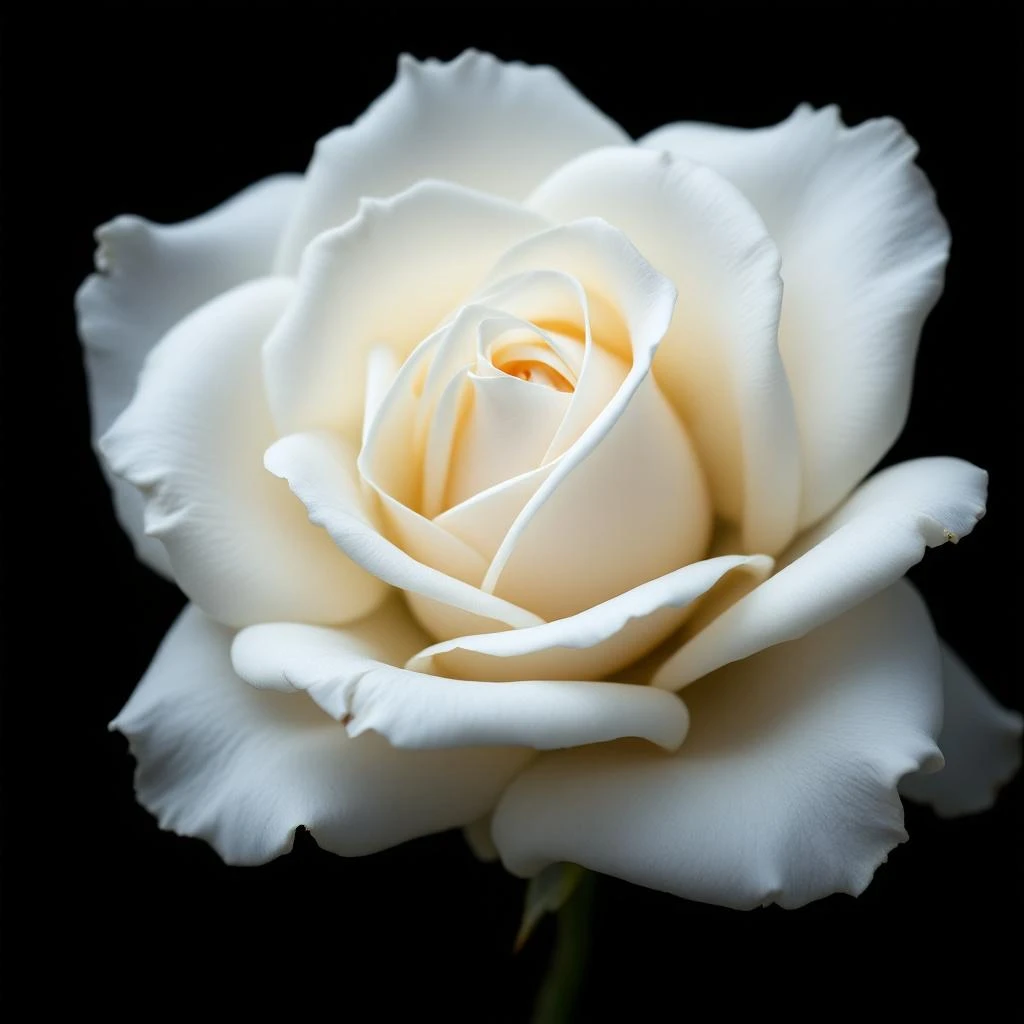
White rose absolute captures the rarest expression of rose: a fresh, translucent floral with green facets that feels like morning light on petals. Unlike its deeper Damask cousins, white rose offers crystalline clarity and a lightness that transforms any composition into something luminous and intimate.
Heritage
The rose has accompanied human civilization for over three millennia. Ancient Mesopotamians cultivated roses in garden settings around 3000 BCE, though the flower's reverence spread rapidly across cultures. Egyptians used rose petals in burial rituals and cosmetics. Greeks and Romans valued roses for their beauty and fragrance, celebrating them in art, mythology, and daily life. Yet it was the Persian physician Ibn Sina, working around the 10th century, who fundamentally changed how humans captured rose's essence. Ibn Sina pioneered steam distillation, adapting techniques already refined by Iranian chemists to extract pure aromatic compounds from flowers. His work with rose produced the first true rose water, free from the heavy plant matter that characterized earlier preparations. Rose water spread rapidly across the Islamic world and eventually reached Western markets through trade, fundamentally shaping modern perfumery. While Damask rose became the commercial standard for rose extraction due to its superior fragrance yield, white roses carried their own quiet significance. Ancient cultures associated white roses with purity and spiritual awakening, using them in religious ceremonies, cosmetics, and perfumed unguents. White rose absolute has experienced renewed appreciation among artisan perfumers who seek its delicate, almost ethereal quality. These small-batch producers often source white roses through ethical and sustainable means, with cultivation regions spanning Moldova, Turkey, and India.
At a Glance
1
Feature this note
Moldova
Primary source region
Ingredient Details
Solvent extraction
Flower petals
Did You Know
"White roses yield significantly less aromatic material than Damask roses, making their absolute among the rarest and most coveted ingredients in perfumery."