Character
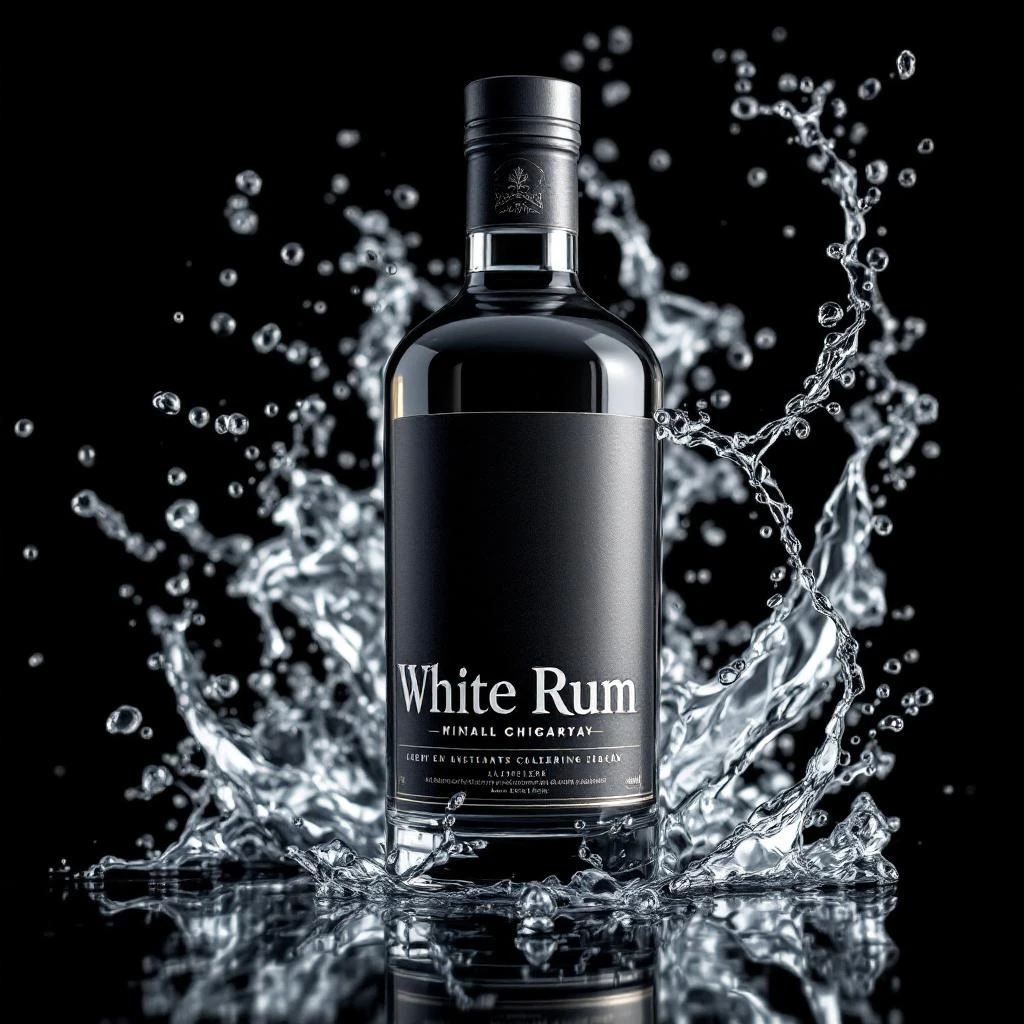
The Story of White Rum
Born from sun-drenched sugarcane, white rum brings a spirited warmth to fragrances. This Caribbean-born spirit translates into liquid gold with rough edges—warm cane sugar, dark molasses, and a boozy whisper that adds seductive depth to oriental and woody accords.
Heritage
White rum traces its roots to the Caribbean in the 17th century, when plantation owners discovered that molasses, a byproduct of sugar refining, could ferment into alcohol. The discovery spread rapidly through colonial trading routes, putting rum in the hands of sailors and pirates alike. Enslaved people on sugar plantations were likely the first to create it. The spirit traveled the globe as maritime commerce expanded, becoming embedded in maritime culture and colonial history. Until distillation processes modernized in the late 19th century, rum remained the drink of working-class populations. Its transition into perfumery came much later, as perfumers sought to bottle the hedonistic warmth associated with fine spirits. Today, the three main rum families—French agricole, English heavy, and Cuban light—each influence how perfumers approach the note, though white rum in fragrance is typically crafted as an accord rather than extracted directly from the spirit.
At a Glance
2
Feature this note
Barbados
Primary source region
Ingredient Details
Accord creation
Sugarcane juice and molasses
Did You Know
"Sugarcane covers over 20 million hectares worldwide—the agricultural footprint behind rum's intoxicating warmth in fragrance."
Pyramid Presence