Character
The Story of Wild berries
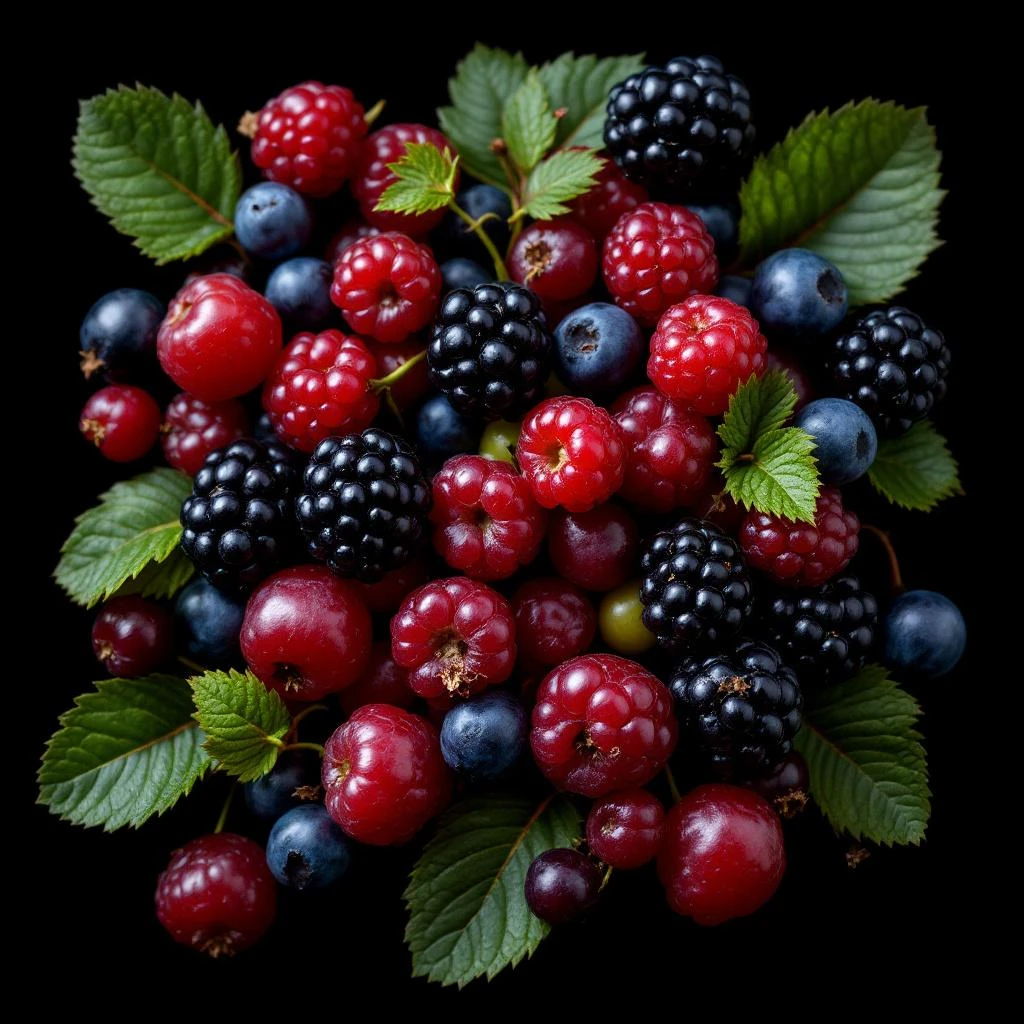
Wild berries in perfumery refer to a vibrant family of fruit notes drawn from raspberries, blueberries, and wild strawberries. These notes deliver juicy, tangy sweetness with green and floral undertones. Perfumers layer them to create bright top and heart impressions that evoke summer abundance and natural wilderness.
Heritage
Berries have held sacred and symbolic roles across civilizations for millennia. Ancient Romans dedicated strawberries to Venus, goddess of love, while medieval herbalists infused carrier oils with raspberries and cranberries for both healing balms and fragrant preparations. In Scandinavian and North American traditions, wild berry harvests marked seasonal celebrations, their abundance symbolizing prosperity and connection to the land. These practical and ceremonial uses gradually evolved as perfumery developed as an art. By the twentieth century, berry notes had transitioned from kitchen gardens and ritual ointments into the sophisticated compositions of modern fragrance houses, where they now represent comfort, nostalgia, and natural joy.
At a Glance
1
Feature this note
Multiple origins
Primary source region
Ingredient Details
Analytical reconstruction
Fruit (reconstructed via molecular analysis)
Did You Know
"Wild strawberries contain over 40 more volatile compounds than their cultivated cousins, making their aroma richer and more complex."