Character
The Story of Wild Lavender
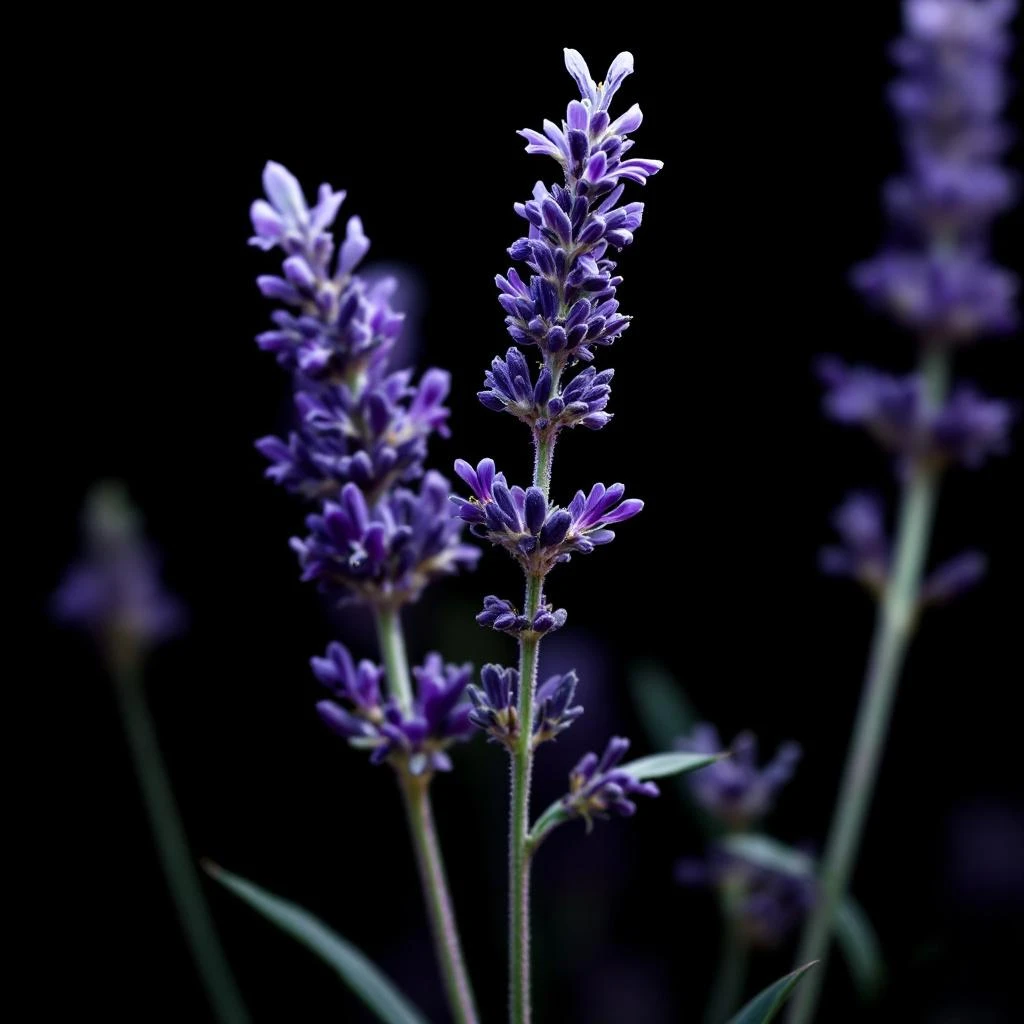
Wild lavender distills the untamed soul of high-altitude Mediterranean meadows. Delicate, aromatic, and faintly camphorated—its scent spans millennia from ancient wash waters to the workshops of eighteenth-century French perfumers.
Heritage
Classical physicians first documented lavender's therapeutic and aromatic properties in ancient treatises, establishing its reputation across Mediterranean cultures. Roman bathhouses perfumed waters with lavender oil, while glove makers in Grasse used it to scent leather. By the eighteenth century, French cultivation in Provence became essential to the region's economy, with perfumers in Grasse ranking lavender among their most vital raw materials. Nationalist sentiment in Britain fueled debate over which lavender was superior—English growers claimed their cooler climate produced a subtler fragrance than French varieties. This discourse on smell quality shaped marketing and consumer preference well into the twentieth century. Despite its prestigious role in compound fragrances, lavender maintained its identity as a home remedy and domestic scent, embodying pastoral simplicity and traditional values that drove mass production for global markets. The perfume Jicky, created by Aimé Guerlain in 1889, marked lavender's transition from single-note simplicity to complex unisex compositions, cementing its place as the first floral heart in modern perfumery.
At a Glance
3
Feature this note
France
Primary source region
Ingredient Details
Steam distillation
Freshly cut flower spikes
Did You Know
"The Romans used lavender oil to perfume their baths—a practice so embedded in culture that the herb's name comes from the Latin lavare, meaning to wash."
Pyramid Presence