The Heritage
The Story of A Dozen Roses
A Dozen Roses is a niche perfume house based in the United States that emerged in the early 2010s. Founded by Sandy Cataldo, a longtime perfume collector, and Lynn Emmolo, a designer known for lacquer inks, the brand quickly positioned itself as a laboratory for experimental scents. Its catalogue includes Angel Face (2013), Gold Rush (2011), Amber Queen (2012), Electron (2012), Shakespeare in Love (2011) and Iced White (2011). Each launch reflects a willingness to blend classic structures with unexpected accords, offering collectors a compact yet diverse olfactory library.
Heritage
The story of A Dozen Roses begins with two industry veterans who had already built networks in New York’s fragrance community. Sandy Cataldo spent decades curating rare bottles for private collections, while Lynn Emmolo contributed visual work for boutique perfume projects. Their partnership turned formal when Emmolo secured a trademark for the name "A Dozen Roses" several years before any product appeared. In 2011 they released their first two fragrances, Gold Rush and Shakespeare in Love, both of which appeared on fragrance databases and received early praise for their bold compositions. The following year saw the addition of Amber Queen and Electron, expanding the house’s reputation for juxtaposing warm amber tones with metallic, futuristic notes. By 2013 Angel Face entered the line, rounding out a first‑generation portfolio that emphasized narrative storytelling through scent. Over the next decade the brand maintained a low‑key release schedule, preferring limited‑run batches that allowed careful quality control. In 2017 the founders announced a partnership with a boutique bottling firm in New Jersey, improving consistency across small‑scale production runs. A 2020 interview with the founders highlighted their decision to keep the label independent, noting that the niche market’s appetite for artisanal, story‑driven perfumes aligned with their own creative impulses. Throughout its history A Dozen Roses has avoided mass‑market channels, opting instead for direct‑to‑consumer sales through its website and selective specialty retailers. This approach has helped preserve the intimate, collector‑focused ethos that defined the brand from its inception.
Craftsmanship
Production at A Dozen Roses takes place in small batches, typically ranging from 50 to 200 millilitres per run. The founders work with a contract manufacturer in the United States that meets the IFRA (International Fragrance Association) safety standards, allowing them to blend both natural extracts and high‑purity aroma chemicals in a controlled environment. Ingredient sourcing follows a two‑track system: natural absolutes such as rose, jasmine, and sandalwood are procured from certified farms in Bulgaria, India and Indonesia, while synthetics like iso e super, ambroxan and various aldehydes are ordered from reputable European suppliers known for consistent quality. Each batch undergoes a series of stability tests, including accelerated aging and temperature cycling, to ensure that the fragrance maintains its intended profile over time. After blending, the perfume is filtered through a stainless‑steel mesh to remove any particulate matter before being transferred to the brand’s signature glass bottles. The bottling stage is performed by a boutique glassworks company that hand‑assembles each container, caps the bottle with a brushed‑metal atomizer, and applies a hand‑stamped label featuring the rose motif. Quality control includes a final sensory evaluation by both founders, who assess the top, middle and base notes for balance and longevity. The limited production volume allows the house to adjust formulations quickly in response to feedback, a flexibility that larger houses often lack. This meticulous process, from raw material selection to final packaging, reflects the brand’s commitment to delivering a fragrance that feels both personal and technically refined.
Design Language
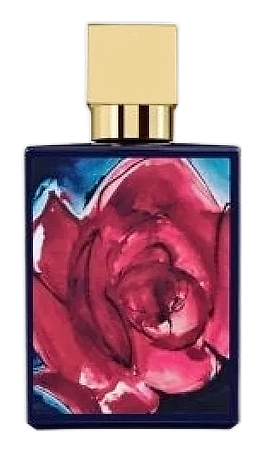
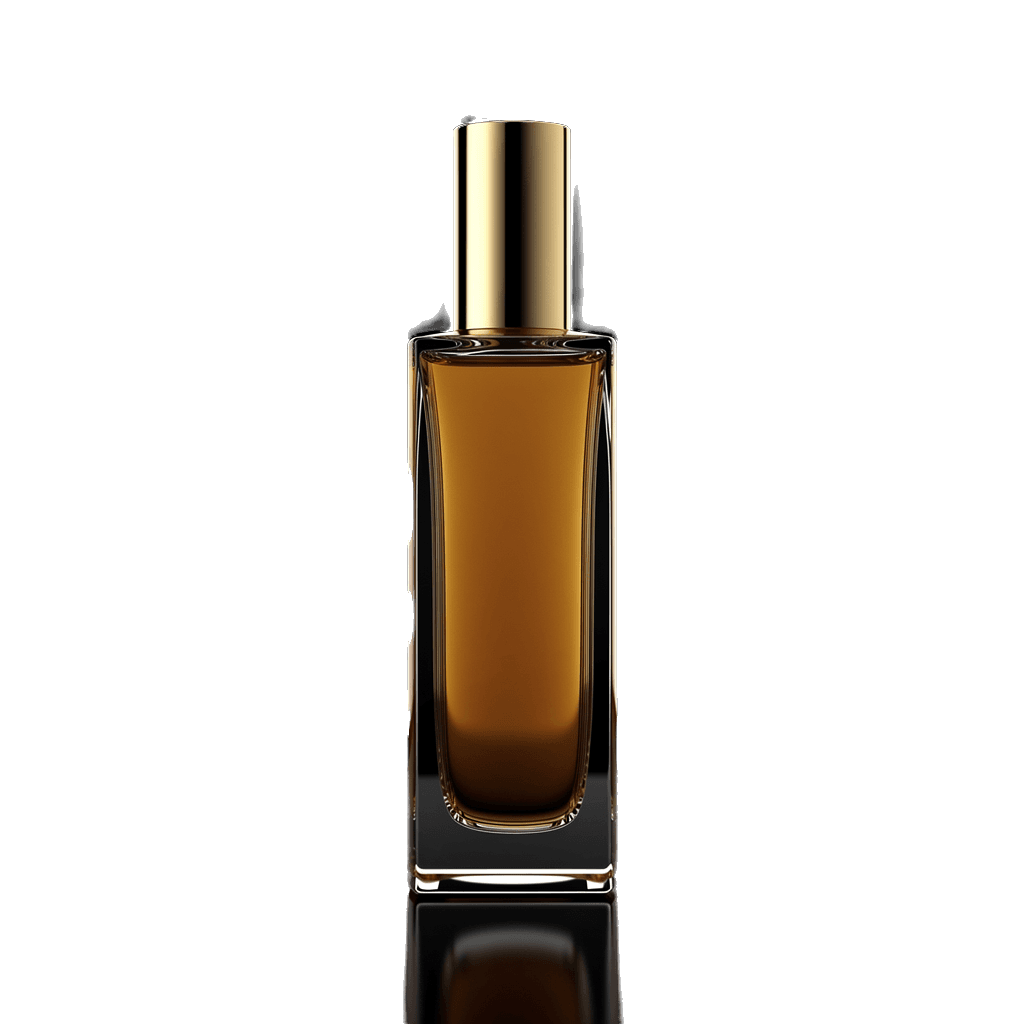
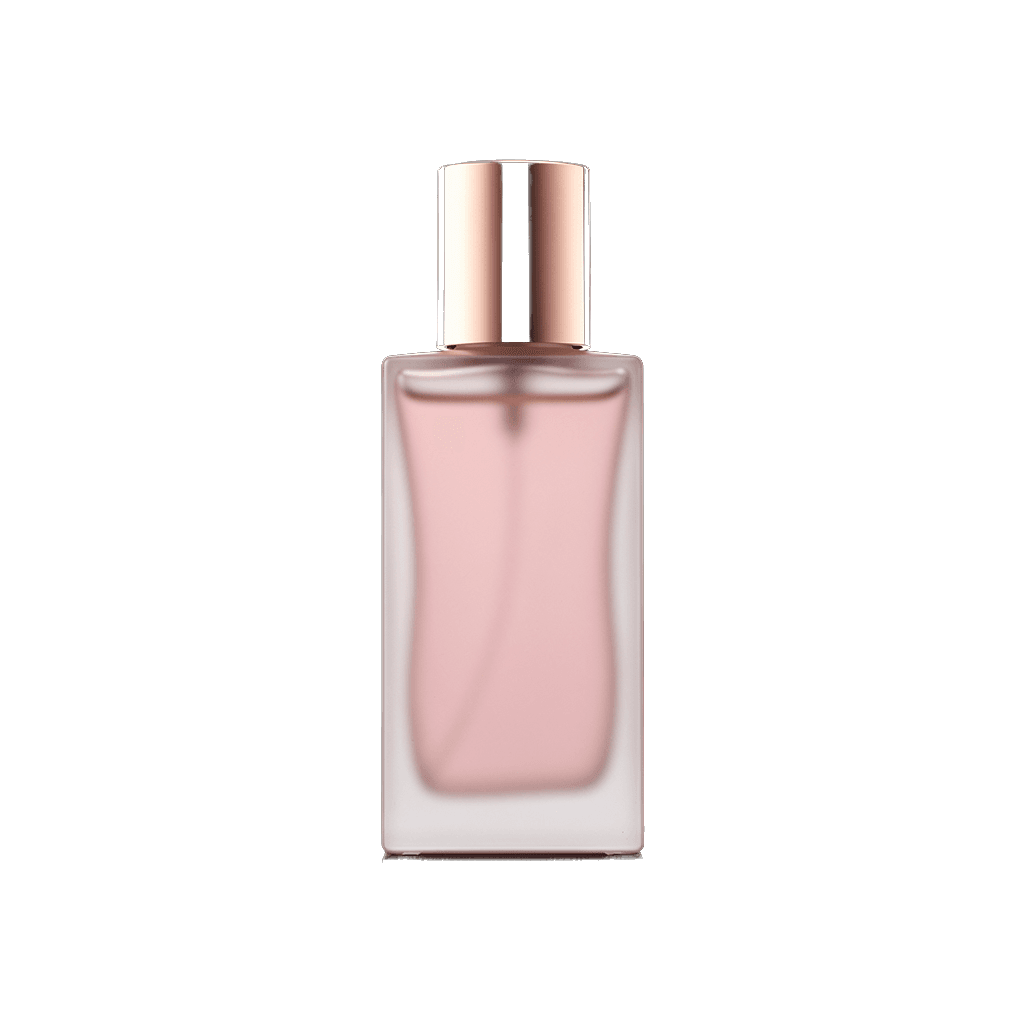
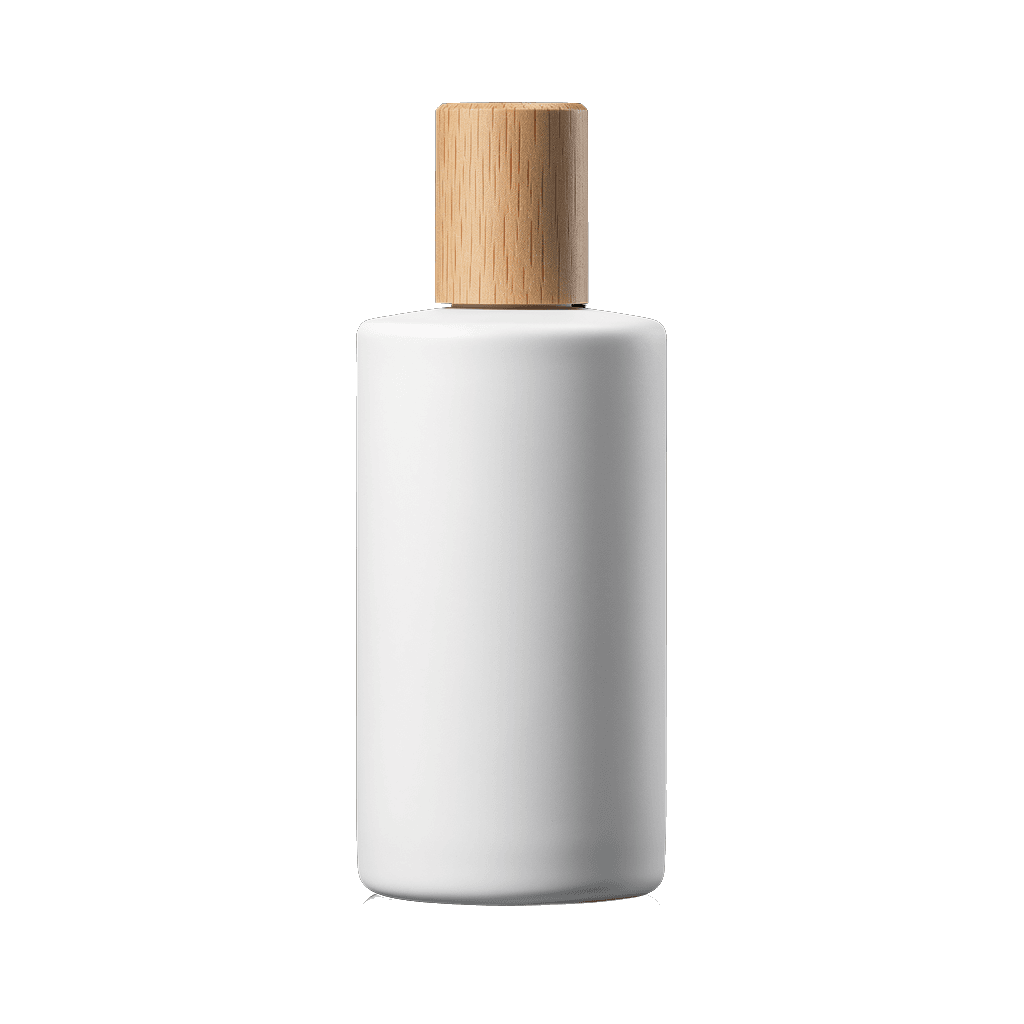
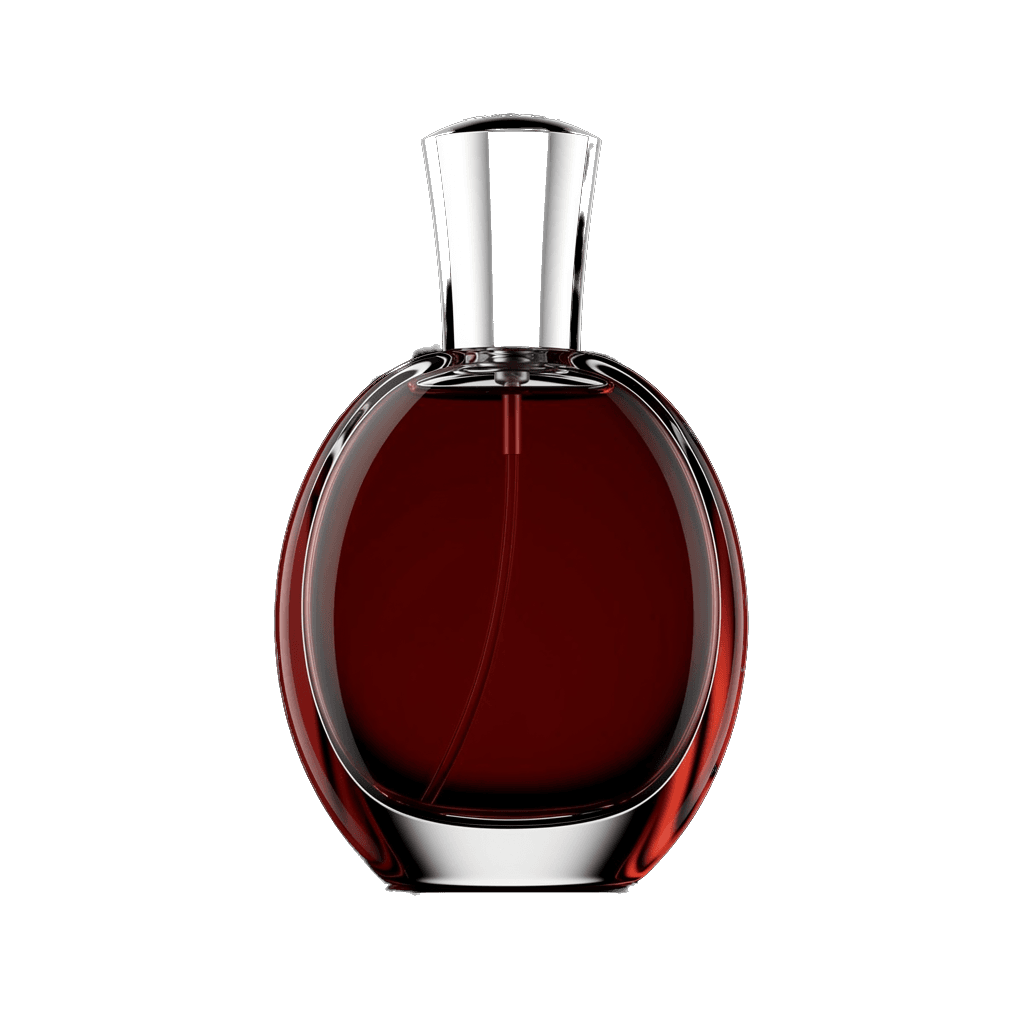
Visually, A Dozen Roses embraces a minimalist yet romantic language. The brand’s logo features a single, stylized rose rendered in thin line work, often placed against a matte black or deep navy background. Bottles are clear glass with clean, straight shoulders, allowing the perfume’s colour to become the focal point. A brushed brass atomizer sits atop each bottle, providing a tactile contrast to the smooth glass. Labels are printed on textured, off‑white paper that feels slightly grainy to the touch, echoing the tactile quality of Emmolo’s lacquer ink background. The overall image conveys a blend of classic elegance and contemporary restraint, appealing to collectors who appreciate understated luxury. Marketing imagery typically pairs the bottles with monochrome photography of vintage objects—old books, handwritten letters, or weathered wood—reinforcing the narrative‑driven ethos of the brand. Seasonal campaigns have occasionally introduced limited‑edition packaging that incorporates a subtle rose‑gold foil accent, but the core visual identity remains consistent across releases, reinforcing brand recognizability without relying on overt branding.
Philosophy
A Dozen Roses approaches perfumery as a dialogue between memory and invention. The founders describe their creative process as starting with a personal anecdote—a travel memory, a piece of literature, or a visual texture—and then translating that narrative into a scent architecture. They prioritize authenticity over trend‑following, selecting raw materials that can convey a specific story rather than merely fitting a market category. Sustainability informs their ingredient choices; when possible, they source natural absolutes from growers who practice responsible harvesting. At the same time, the house embraces synthetics that enable precise modulation of accord intensity, believing that modern chemistry can coexist with traditional extraction methods. Transparency is another pillar: each launch is accompanied by a brief note that outlines the inspiration, key ingredients, and the intended emotional journey. This openness invites collectors to engage with the perfume beyond the nose, fostering a community that values both olfactory and intellectual appreciation. The brand’s modest scale allows the founders to retain creative control, ensuring that every new release aligns with their shared vision of storytelling through scent.
Key Milestones
2011
Launch of the first two fragrances, Gold Rush and Shakespeare in Love, establishing the brand’s presence in the niche market.
2012
Release of Amber Queen and Electron, expanding the house’s experimental palette with amber and metallic accords.
2013
Angel Face debuts, completing the initial core collection and receiving coverage on fragrance databases.
2017
Partnership with a New Jersey bottling firm improves consistency and allows for limited‑edition packaging.
2020
Founders discuss the brand’s independent philosophy in a detailed interview, reaffirming commitment to small‑batch production.
2022
Introduction of a refreshed visual identity featuring a brushed‑metal atomizer and hand‑stamped rose label.
At a Glance
Brand profile snapshot
Origin
United States
Founded
2011
Heritage
15
Years active
Collection
1
Fragrances released
Avg Rating
3.8
Community sentiment
Release Rhythm