The Heritage
The Story of Amouroud
Amouroud is a niche fragrance house that builds on the custom‑blending tradition of Perfumer's Workshop. The line focuses on oud‑centric compositions while also offering floral, woody and leathery variations. Its catalogue includes Enchanted Garden, Virgin Leather (2024), Lunar Vetiver (2018) and Sunset Oud (2020), each presented in minimalist glass vessels. The brand positions itself as a laboratory for scent exploration, inviting collectors to experience layered narratives that evolve over time.
Heritage
Perfumer's Workshop began in 1970 as a small laboratory dedicated to creating bespoke scents for private clients. Over the decades the workshop refined its sourcing network, establishing relationships with growers in India, Indonesia and the Middle East. In the early 2010s the team launched Amouroud as a separate label, aiming to translate the workshop's private‑blend expertise into a public collection. William Skinner, a longtime collaborator with the workshop, is credited with shaping Amouroud's early direction. The first releases, such as Oud du Jour (2016) and Safran Rare (2016), arrived alongside the workshop's 45th anniversary, signaling a milestone where the house moved from commission‑only work to limited‑edition retail offerings. By 2019 the brand introduced Mysterious Rose, a composition that combined Turkish rose with smoky oud, reflecting a growing confidence in pairing traditional Middle Eastern ingredients with Western floral motifs. The 2020 launch of Sunset Oud marked Amouroud's first fragrance built around a single, high‑grade oud sourced from the forests of Laos, and it was accompanied by a small‑batch release strategy that emphasized traceability. In 2022 the house expanded its palette with Sumptuous Flower, a bouquet that highlighted rare Indian jasmine and a hint of ambergris. Throughout its evolution, Amouroud has maintained a close partnership with Perfumer's Workshop, sharing laboratories, quality‑control protocols and a commitment to sourcing raw materials directly from growers rather than through intermediaries. This collaborative model has allowed the brand to introduce new ingredients, such as the 2024 Virgin Leather, which uses ethically sourced leather accords derived from vegetable‑tanned hides. The heritage of Amouroud is therefore a blend of the workshop's historic craftsmanship and a modern desire to make niche, ingredient‑focused scents accessible to a discerning audience.
Craftsmanship
Production takes place in the shared laboratory of Perfumer's Workshop, a facility equipped with temperature‑controlled mixing rooms and analytical instruments such as gas chromatography‑mass spectrometry. Raw materials arrive in sealed containers, each accompanied by a certificate of analysis that confirms purity and origin. For oud, the house sources wood from the Aquilaria tree cultivated in Laos and Vietnam, selecting only heartwood that exhibits a high resin content after a natural infection process. The wood is then steam‑distilled in small copper stills, a method that preserves the nuanced smoky notes while minimizing thermal degradation. Leather accords, as heard in Virgin Leather (2024), are derived from vegetable‑tanned hides that undergo a cold‑extraction process, yielding a scent profile that is both supple and free of synthetic musks. The blending stage involves a master perfumer who combines natural extracts with a limited set of synthetics, primarily to stabilize volatile top notes. Each formula is batch‑tested for longevity on both skin and fabric, with results recorded in a digital logbook. Quality control includes a blind panel of experienced noses who evaluate consistency across batches; any deviation triggers a reformulation before the product reaches the market. Bottles are hand‑filled in a cleanroom environment, sealed with aluminum caps, and wrapped in recyclable paper. The entire workflow, from farm to final packaging, is documented to meet both ISO 9001 standards and the brand's internal sustainability criteria.
Design Language
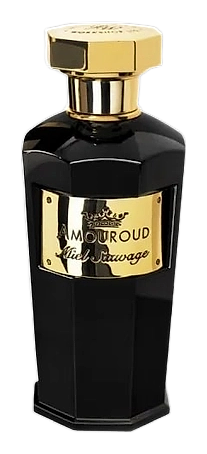
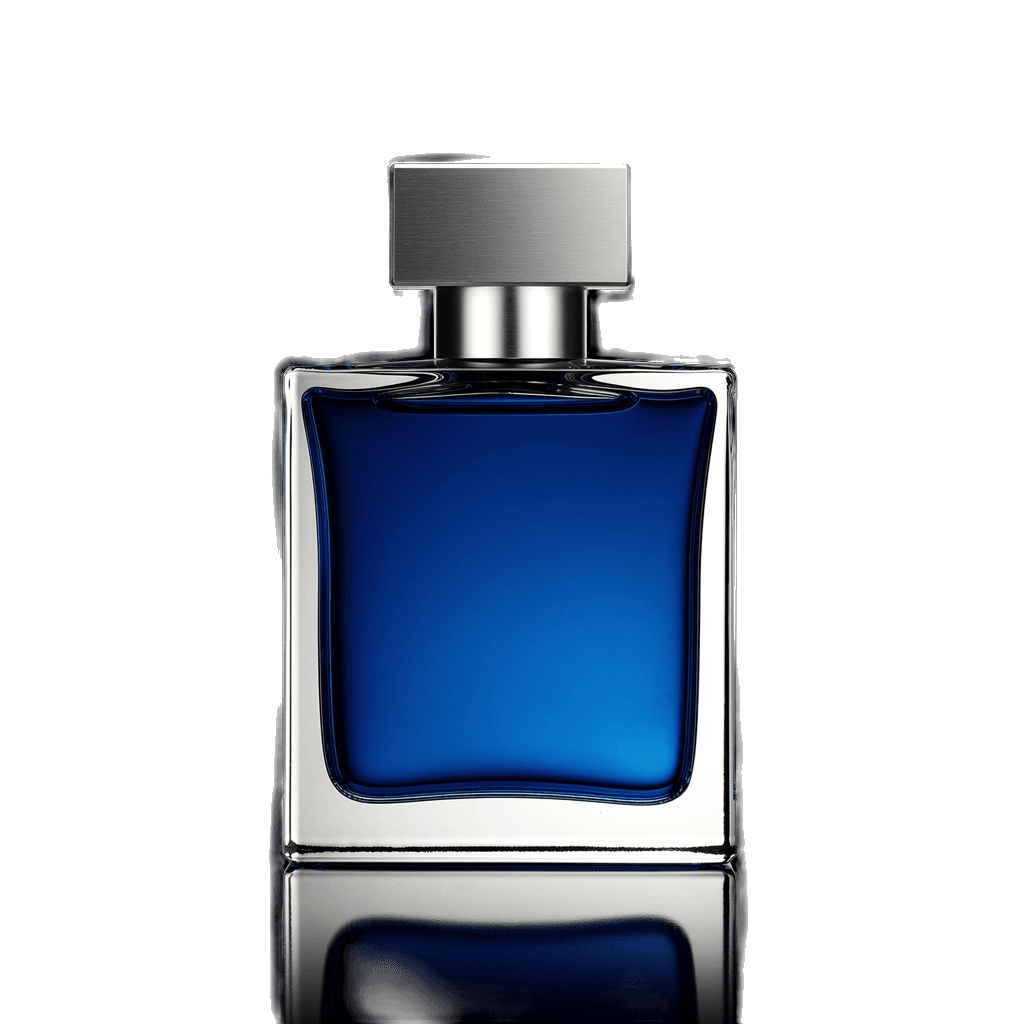
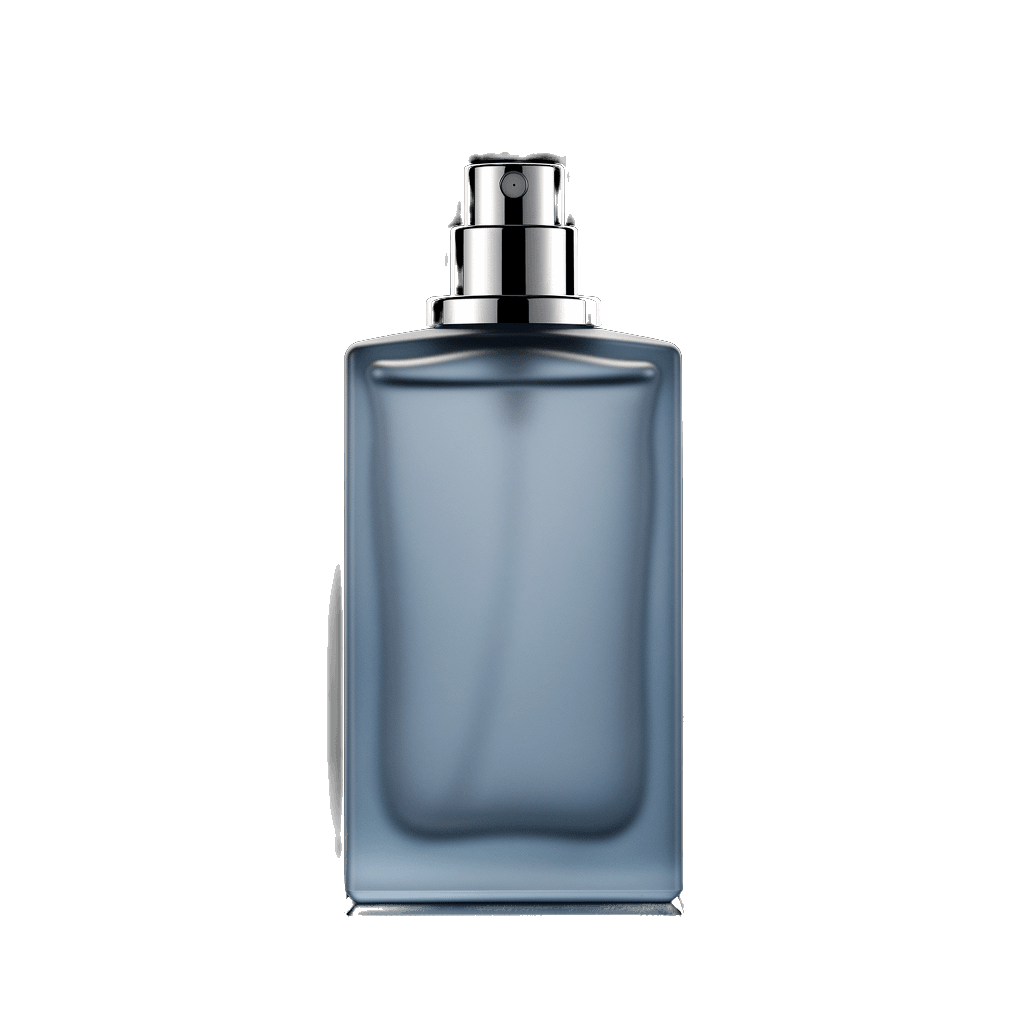
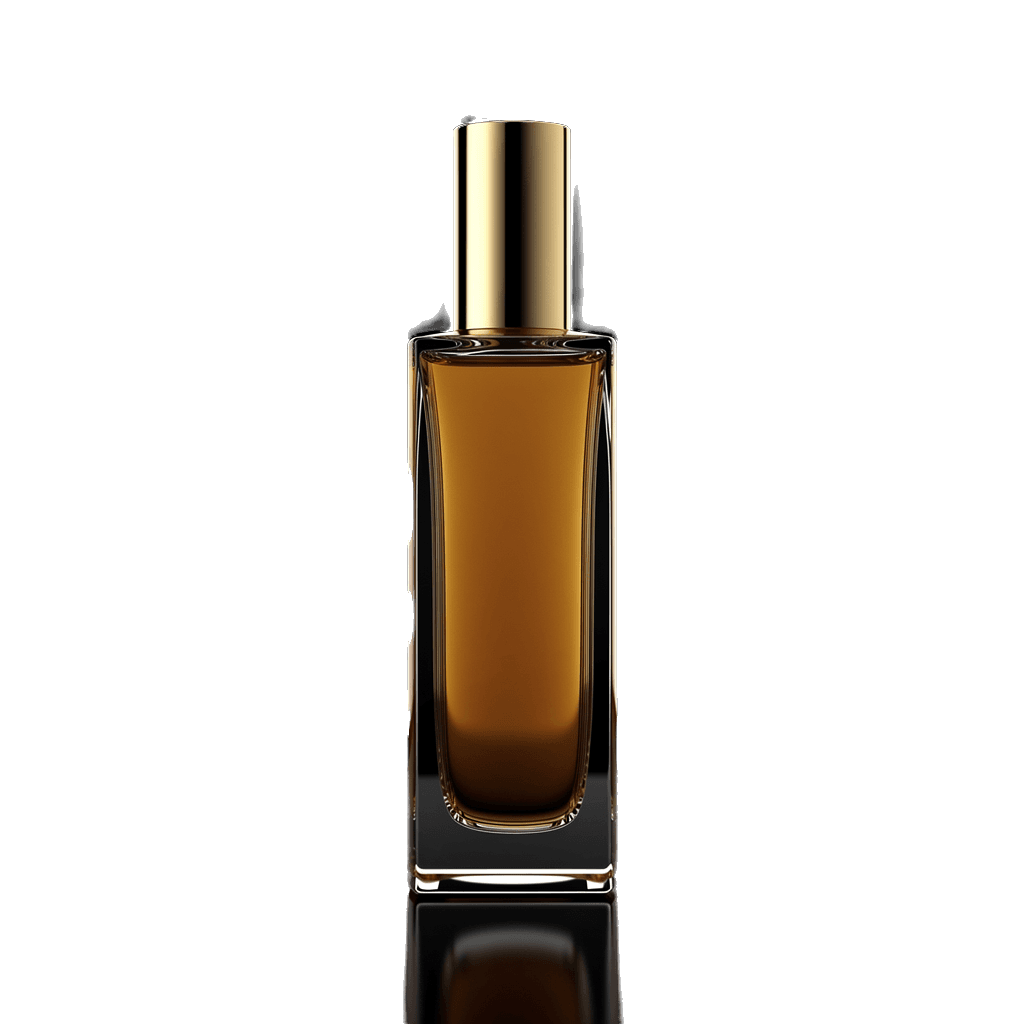
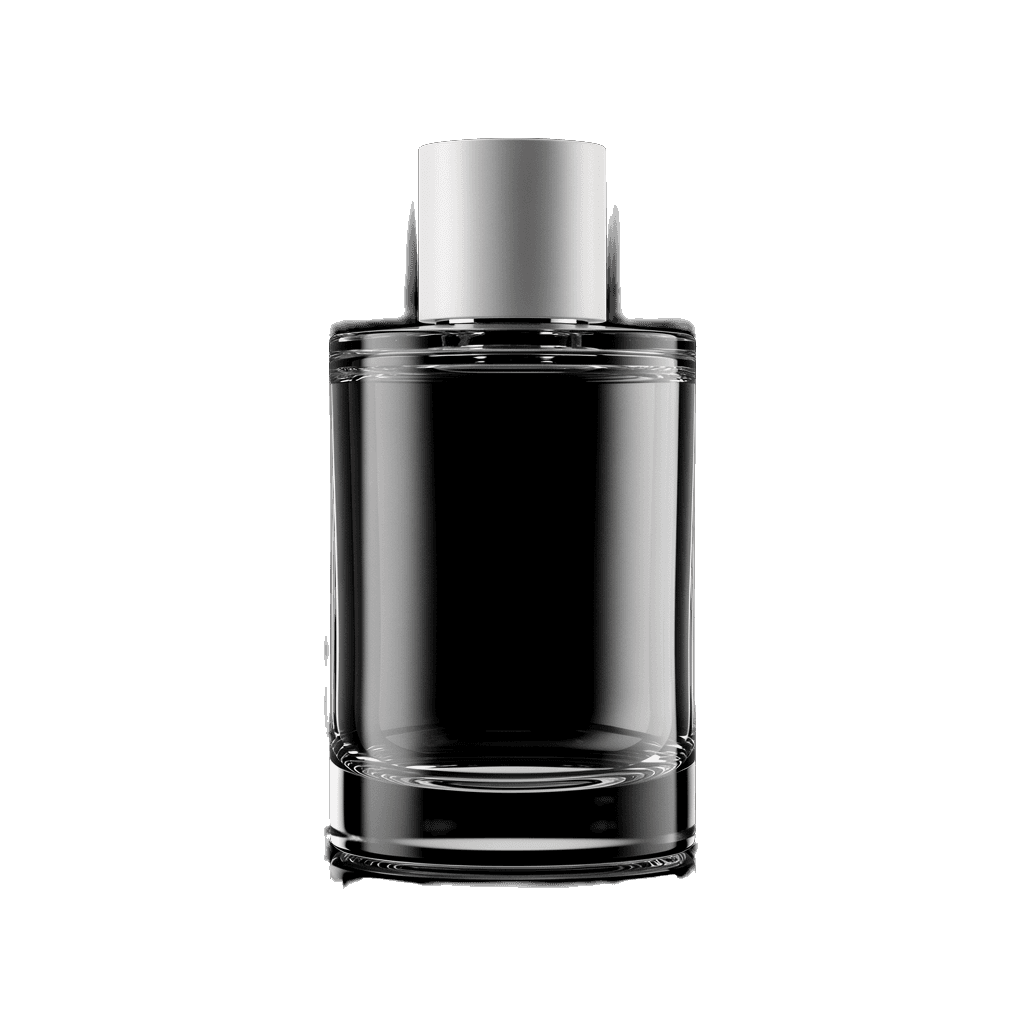
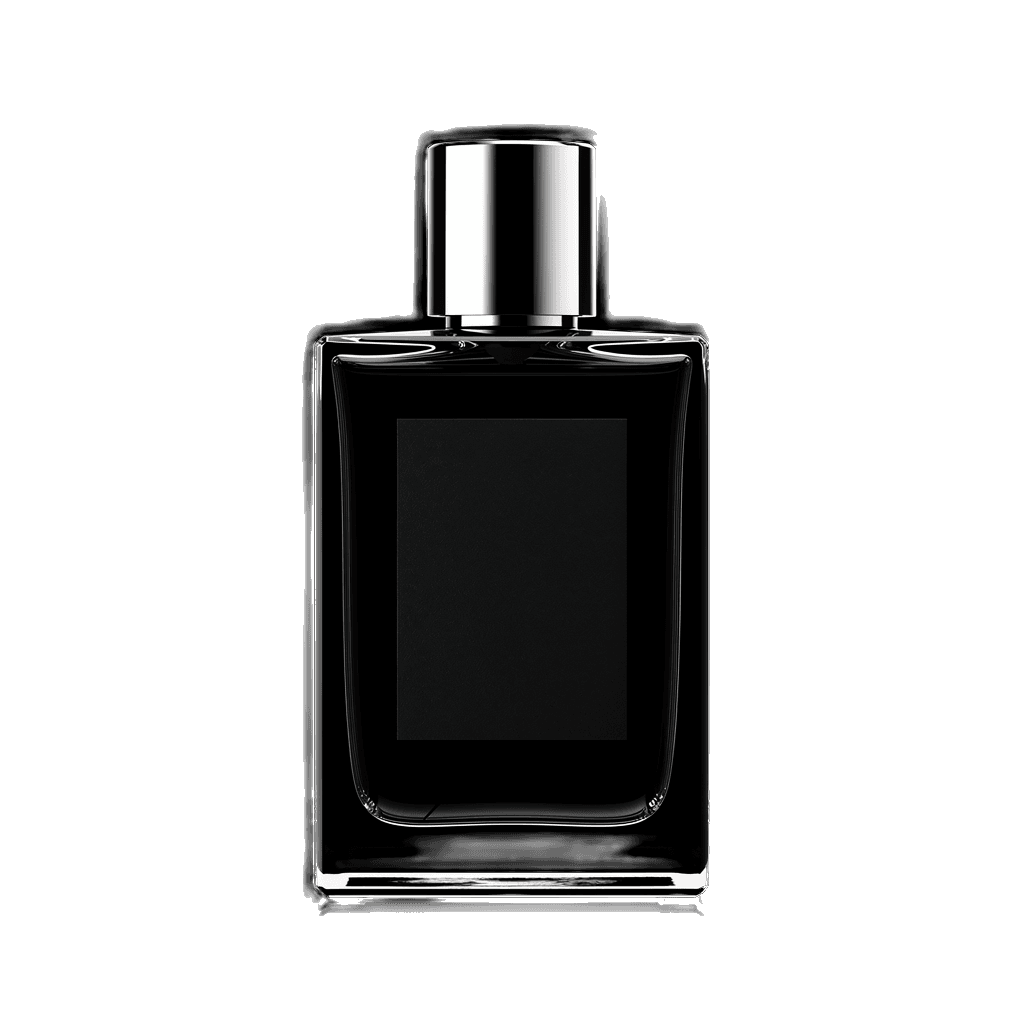
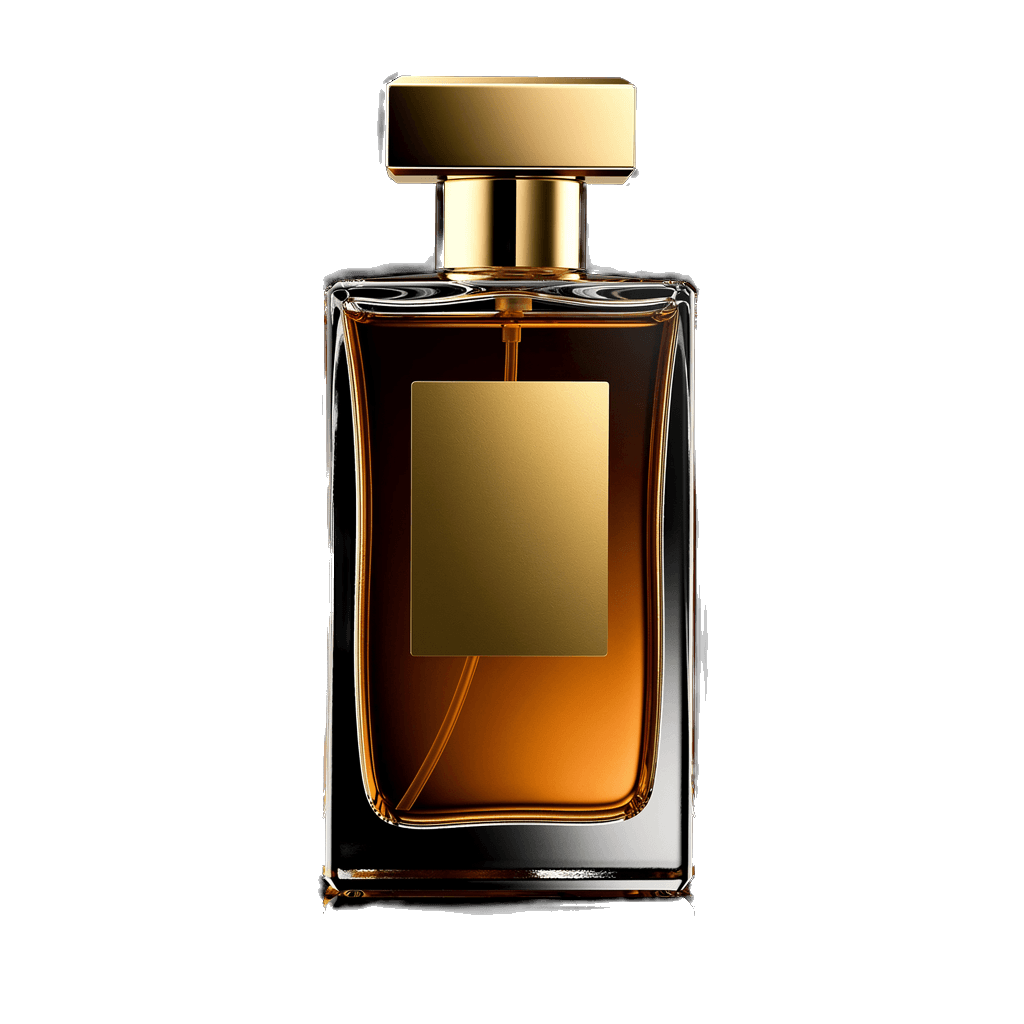
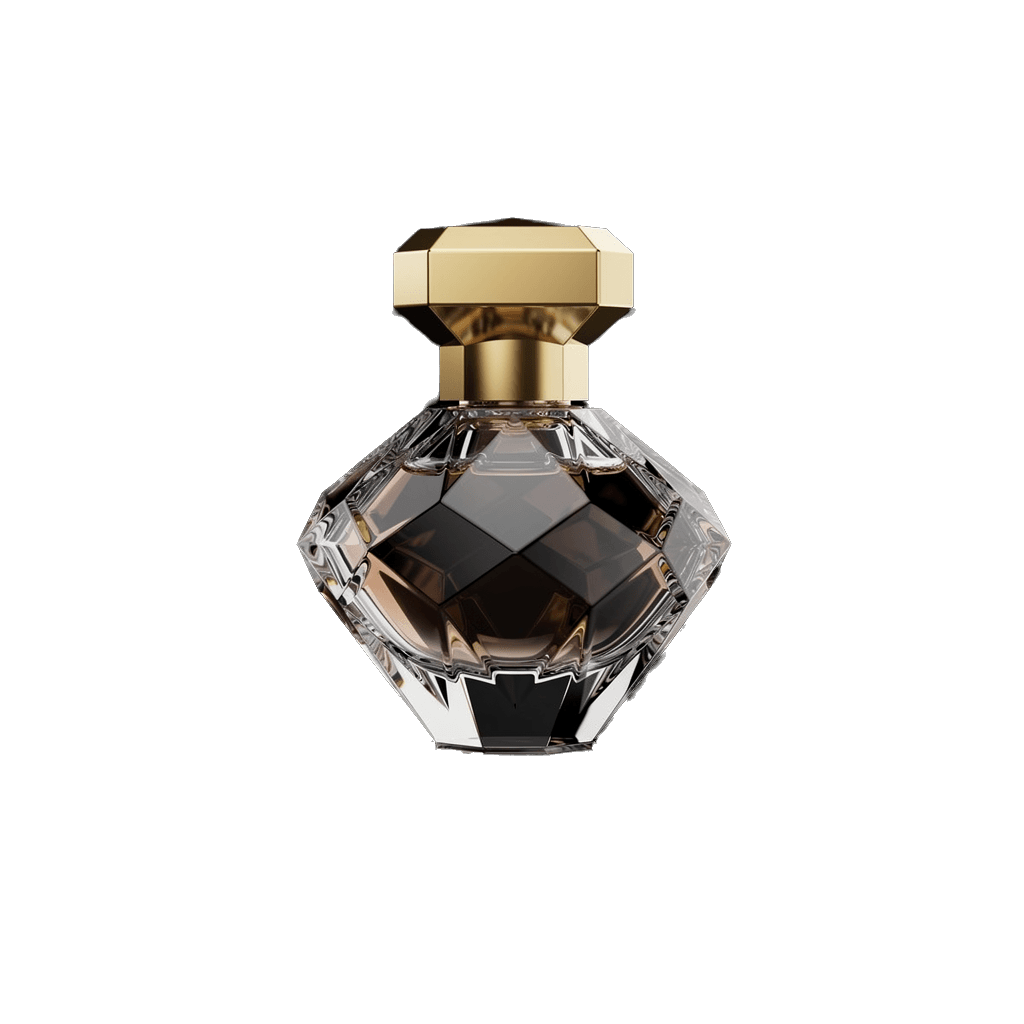
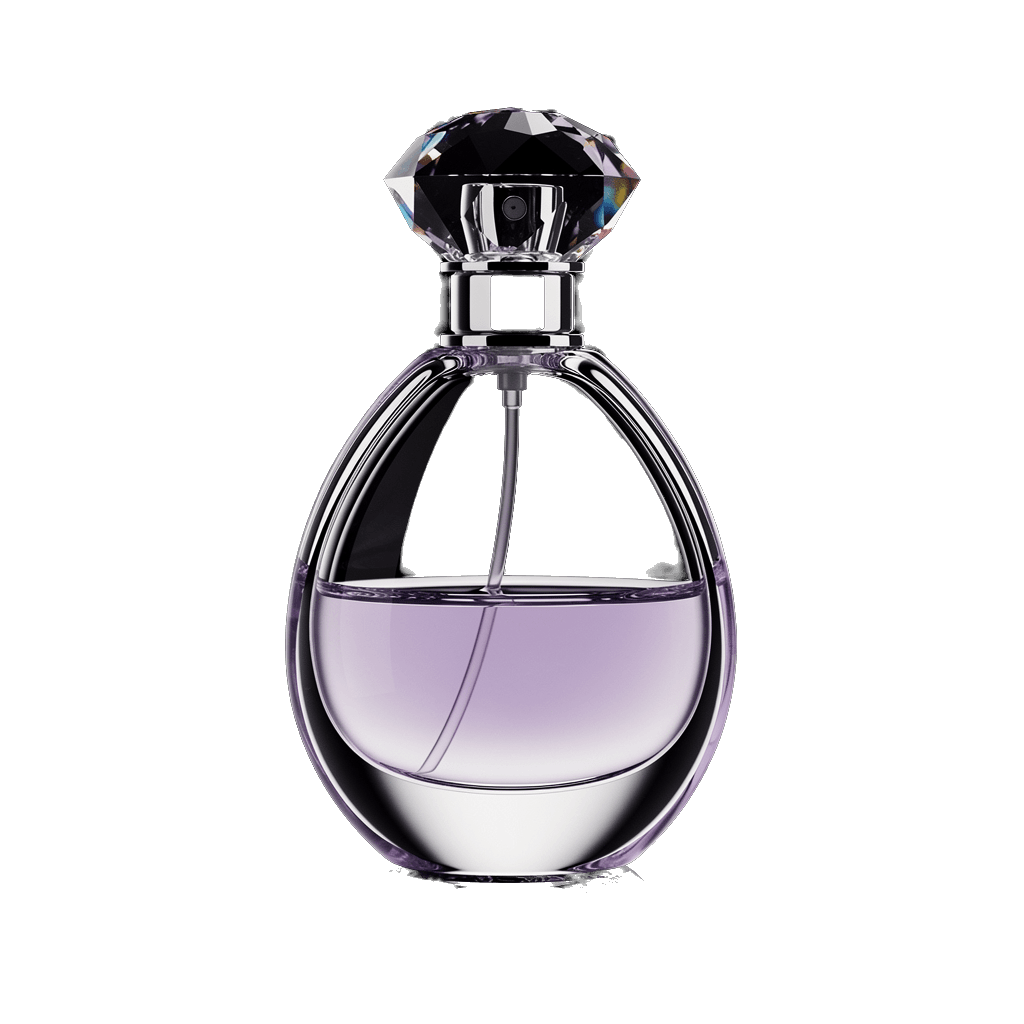
Visually, Amouroud embraces a minimalist aesthetic that mirrors its olfactory focus. Bottles are crafted from clear, thick glass with a subtle amber tint that hints at the warmth of the scent inside. The silhouette is a simple cylinder topped with a brushed‑metal cap, allowing the perfume to speak for itself without ornamental distraction. Labels are printed in a muted charcoal font on matte paper, featuring only the fragrance name, concentration (eau de parfum or extrait) and a brief note on the key ingredient. The brand's visual language extends to its retail displays, which use reclaimed wood planks and soft, directional lighting to create an intimate atmosphere reminiscent of a private atelier. Marketing imagery often depicts the source material—such as a close‑up of an oud tree trunk or a field of jasmine—captured in natural light, reinforcing the connection between the perfume and its origin. The website follows the same clean design, with generous white space, high‑resolution photographs of the bottles, and concise copy that avoids exaggerated claims. This restrained visual approach aligns with the house's philosophy of letting the scent itself be the focal point.
Philosophy
Amouroud approaches perfumery as a dialogue between place and memory. The house believes that a fragrance should act as a sensory map, guiding the wearer through a landscape of scent that is both personal and universal. Its creative brief emphasizes transparency: each bottle lists the primary natural ingredient and the region of origin, inviting consumers to trace the journey from harvest to perfume. Sustainability is woven into the brand's values; the sourcing team works with certified farms that practice regenerative agriculture, particularly for oud and sandalwood. The house also limits batch sizes to ensure that each ingredient is harvested at peak maturity, reducing waste and preserving the ecological balance of the source regions. Rather than chasing trends, Amouroud favors a slow‑development process, allowing compositions to mature for months before release. This patience reflects a belief that true olfactory depth emerges over time, much like a fine wine. The brand's editorial voice, present on its website and in press releases, avoids hyperbole, opting instead for clear descriptions of aroma families, concentration levels and the emotions the scent is intended to evoke. By foregrounding ingredient provenance and a measured creative rhythm, Amouroud seeks to build trust with collectors who value authenticity over hype.
Key Milestones
1970
Perfumer's Workshop founded, establishing a custom‑blending laboratory.
2015
Amouroud launched as a public line under the guidance of William Skinner.
2016
First Amouroud releases, Oud du Jour and Safran Rare, debut on the niche market.
2019
Mysterious Rose introduced, blending Turkish rose with smoky oud.
2020
Sunset Oud released, featuring a single‑origin Laotian oud.
2022
Sumptuous Flower launched, highlighting Indian jasmine and ambergris.
At a Glance
Brand profile snapshot
Origin
United States
Founded
2015
Heritage
11
Years active
Collection
1
Fragrances released
Avg Rating
4.3
Community sentiment
Release Rhythm