The Heritage
The Story of Angela Ciampagna
Angela Ciampagna crafts fine artisanal perfumes from a modest workshop in Atri, Italy. Since its 2010 launch the house has released more than a dozen scents, each presented as a self‑contained olfactory narrative. The line balances classic ingredients with experimental accords, inviting collectors to explore nuanced compositions that unfold over time. Though small in scale, the brand has earned a place on niche calendars such as Notes Shanghai, where it showcased its latest work in 2026.
Heritage
The story of Angela Ciampagna begins in 2010, when Angela Ciampagna left a career as a ghost nose and private perfume consultant to open an artisanal studio in her family’s workshop in Atri, a hill‑top village in central Italy. The decision reflected a desire to move from anonymous commissions to a personal creative platform. Early on, the brand operated out of a converted stone cellar, where Angela blended raw materials by hand, guided by the traditions of Italian perfumery and the resources of nearby farms. By 2015 the house introduced its first public editions, including Rosarium, Liquo, Aer, Hatria, and Nox, marking a transition from private lab work to a market presence. Each launch was accompanied by a limited‑run production, reinforcing the brand’s commitment to scarcity and craftsmanship. In 2016 the line expanded with Ignes and Fauni, while 2018 added Materia and Miracula, demonstrating a steady output of new concepts. The 2021 Fragranze event in Milan featured co‑founder Enrico Maraffino announcing a strategic partnership, signaling the brand’s growing network within the niche community. Participation in the Notes Shanghai Spring Edition 2026 placed Angela Ciampagna on an Asian stage, confirming its status as an internationally recognized artisanal house. Throughout its evolution, the workshop has remained family‑run, preserving the hands‑on approach that defined its inception.
Craftsmanship
Production at Angela Ciampagna remains anchored in the original Atri workshop, where small batches are assembled by hand. Ingredients arrive in raw form—essential oils, absolutes, and select synthetics—and are weighed on precision scales before being introduced to a stainless‑steel mixing vessel. The house favors cold‑macération for delicate floral extracts, allowing volatile compounds to retain their character, while richer bases undergo gentle warm blending to achieve a seamless integration of woods and resins. Each formula undergoes a three‑stage stability test: an initial olfactory evaluation by the founder, a week‑long observation in controlled temperature, and a final sensory review after maturation in dark glass. Quality control includes gas‑chromatography analysis for batch consistency, a step more common in larger houses but adopted here to ensure repeatable results. Sourcing practices prioritize regional growers who practice organic or low‑impact agriculture; for example, the bergamot used in Rosarium comes from Calabria’s coastal groves, and the labdanum in Ignes is harvested from wild shrubs in the Mediterranean scrub. Packaging reflects the same hands‑on ethic: bottles are hand‑blown by local artisans, capped with brass caps that are polished in‑house, and sealed with a paper‑wrapped label printed on recycled stock. The entire process—from raw material to finished bottle—typically spans four to six weeks, allowing the perfume to settle and reveal its full character before release.
Design Language
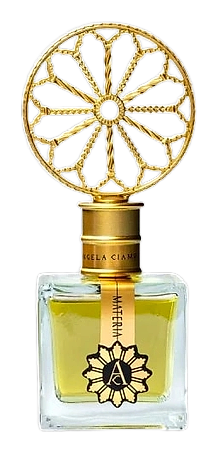
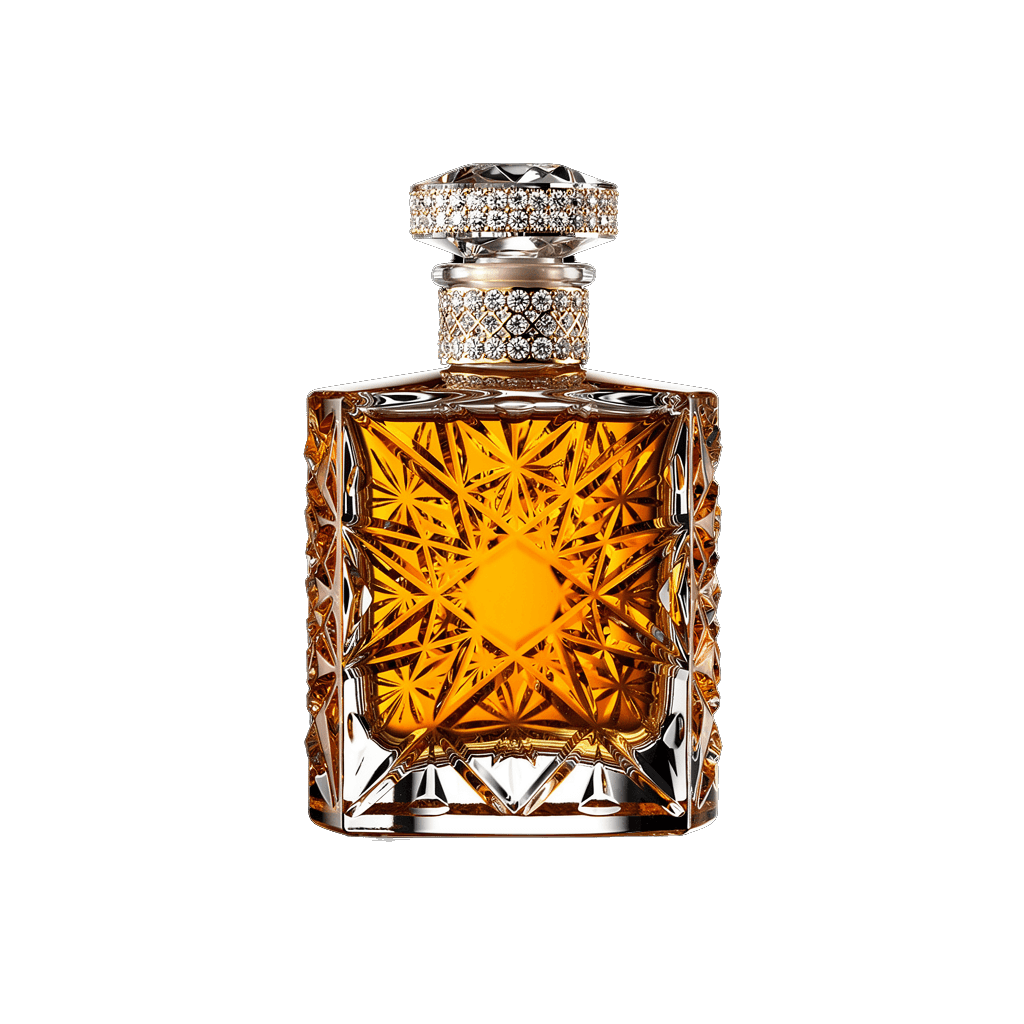
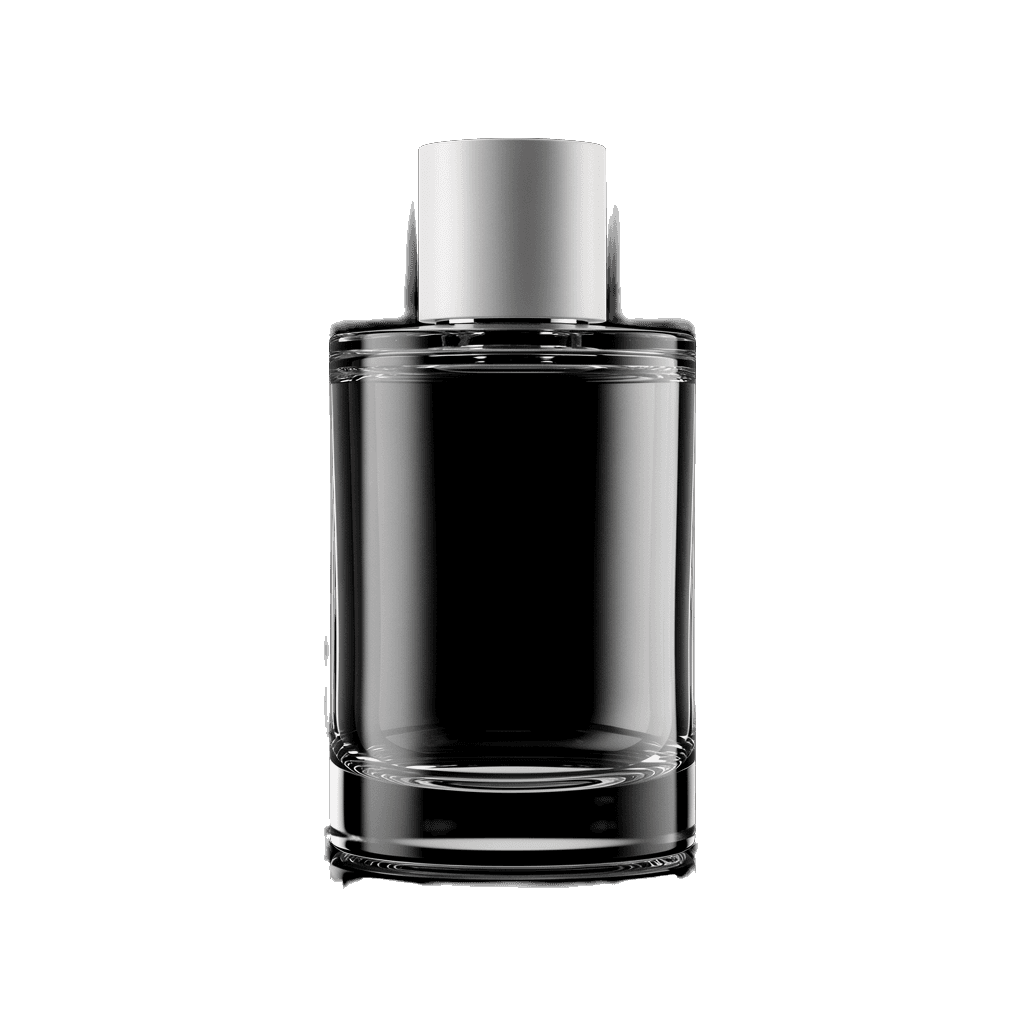
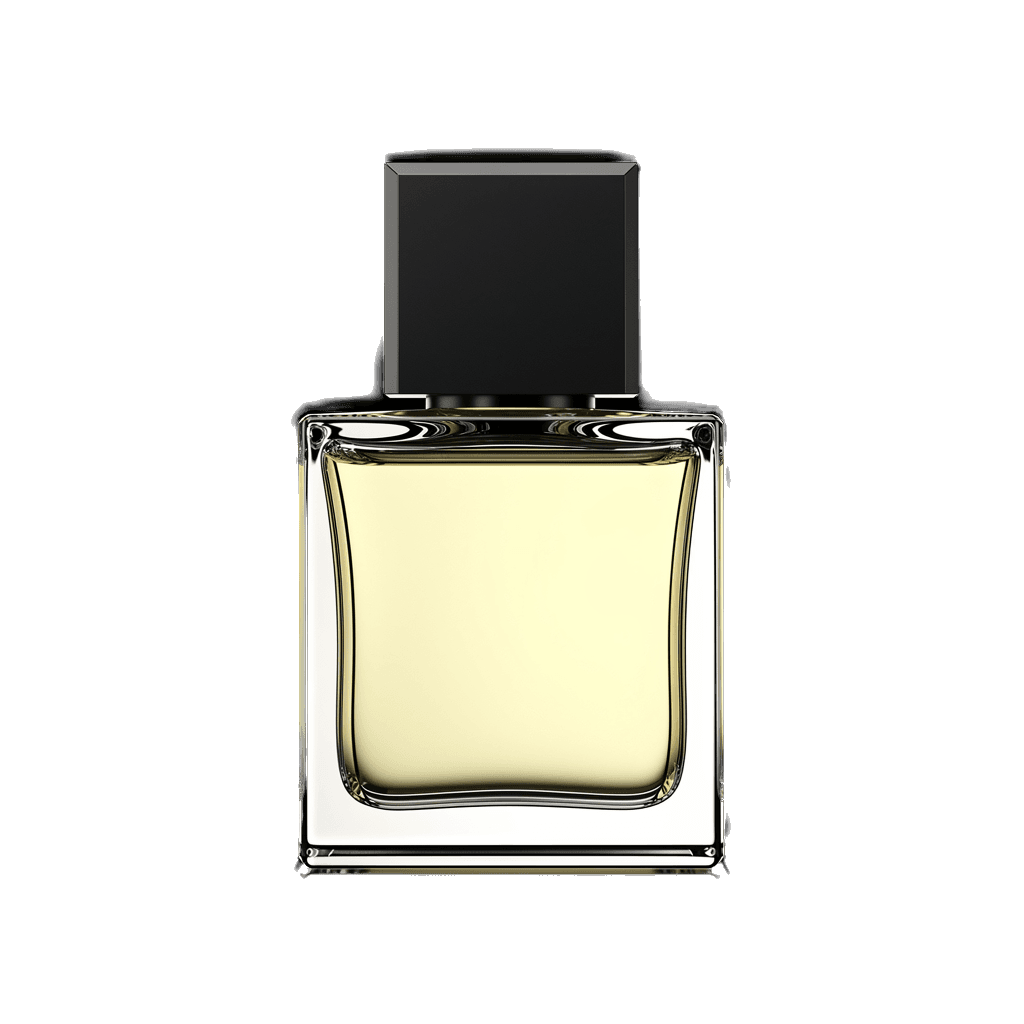
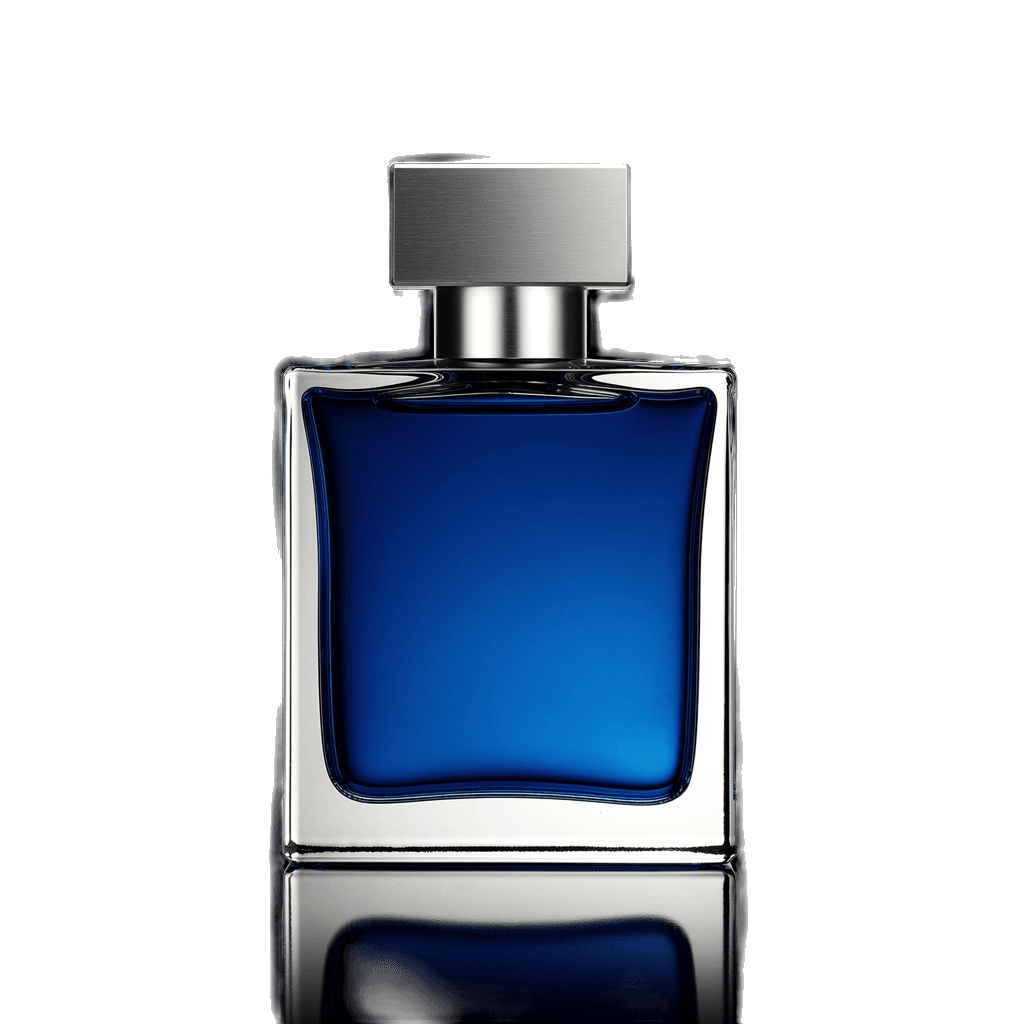
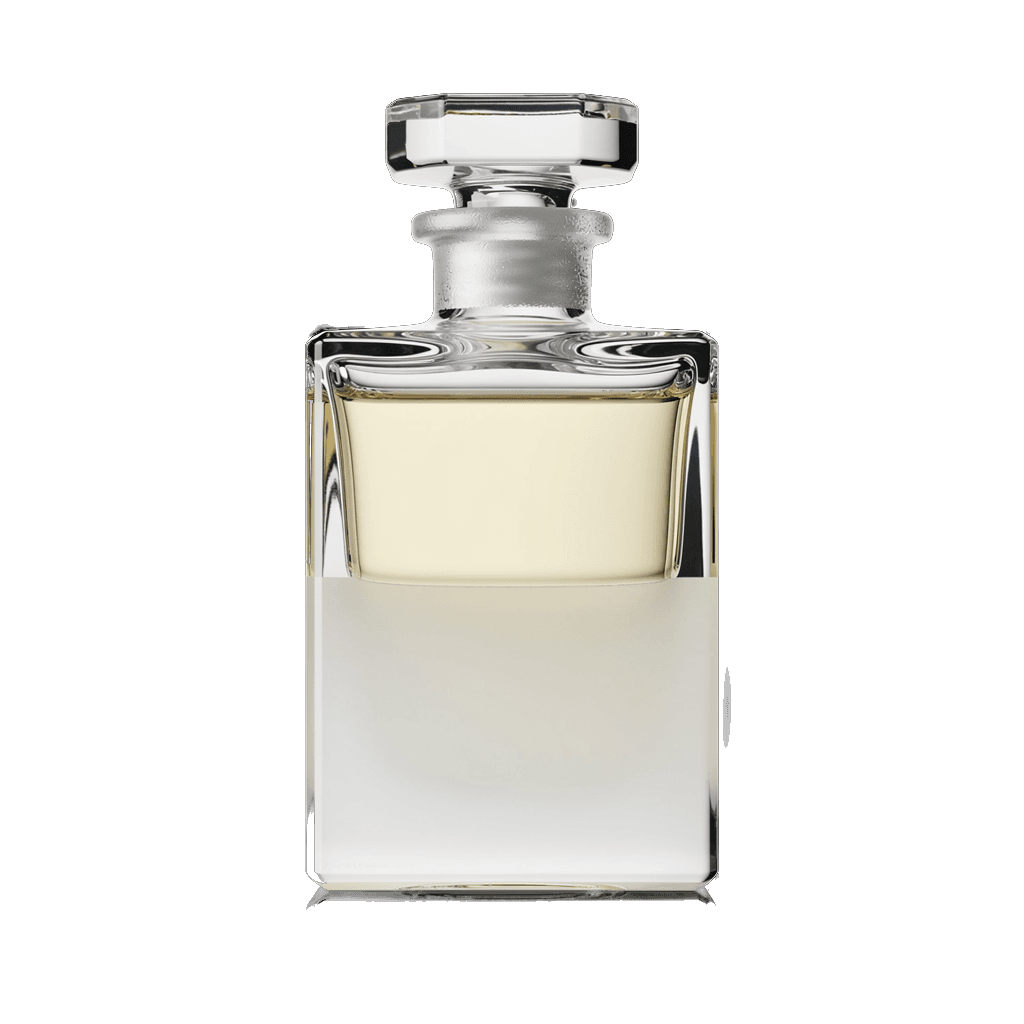
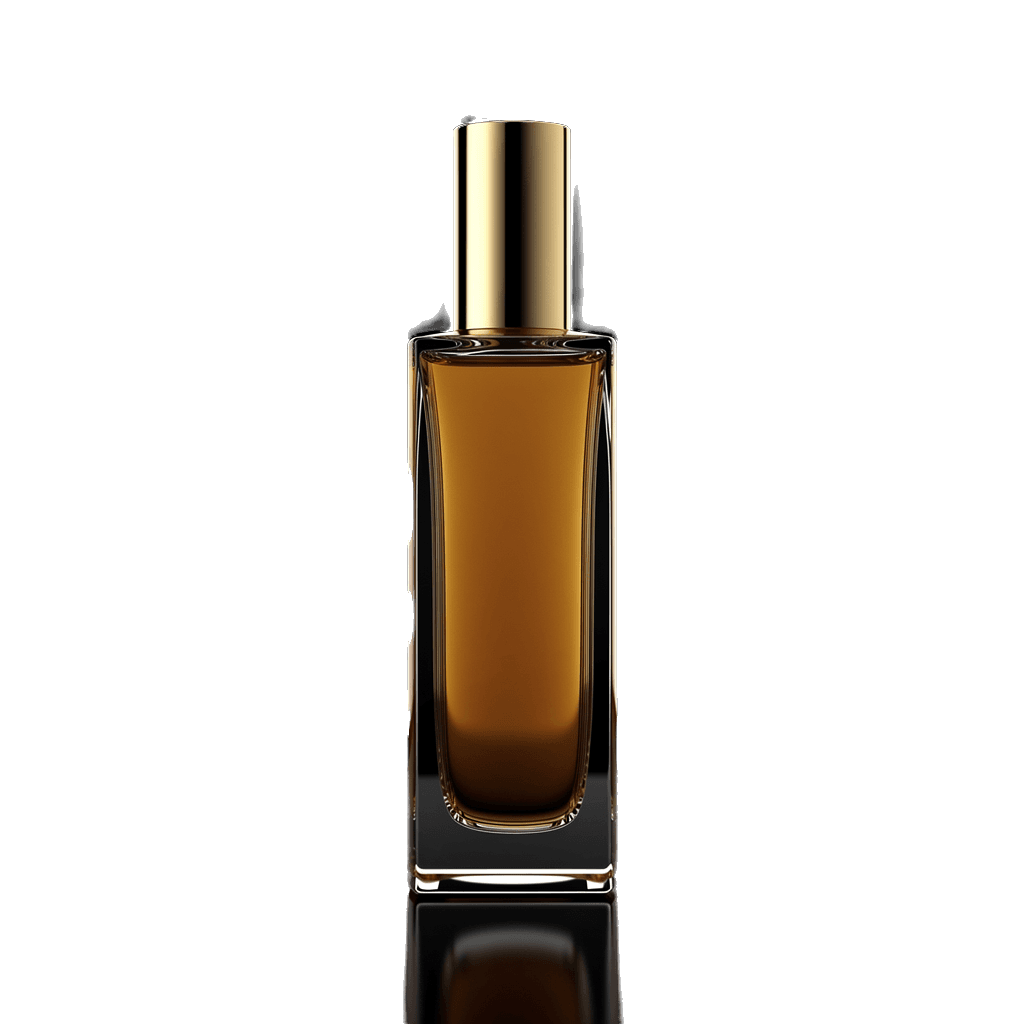
The visual language of Angela Ciampagna mirrors its olfactory restraint. Bottles are simple cylinders or rectangular flasks, cut from clear or amber glass that showcases the perfume’s natural hue. Labels feature a minimalist serif typeface, often embossed in gold or silver foil, and are affixed to a matte paper background that echoes the earthy tones of the scents themselves. The brand’s logo—a stylized monogram of the letters A and C—appears as a subtle watermark on the packaging, reinforcing the personal nature of the creations. Promotional imagery favors natural settings: stone walls of the Atri workshop, sun‑drenched olive groves, or close‑up shots of raw ingredients. Photography employs soft, natural light rather than studio glare, underscoring the house’s commitment to authenticity. Seasonal campaigns introduce limited‑edition boxes crafted from reclaimed wood, each bearing a hand‑drawn illustration that reflects the fragrance’s theme. The overall aesthetic avoids flashiness, opting instead for a refined, almost archival presentation that invites collectors to treat each bottle as a curated object.
Philosophy
Angela Ciampagna treats perfume as a visual art translated into scent. The house believes that each fragrance should tell a story rooted in place, memory, or emotion, rather than follow market trends. Angela emphasizes a dialogue between tradition and experimentation: classic Italian ingredients such as bergamot, labdanum, and Tuscan woods sit beside unconventional notes like synthetic ambergris or rare resins. The brand values transparency, sourcing raw materials from vetted growers in Italy and neighboring Mediterranean regions whenever possible. Sustainability informs decisions on packaging and waste, with glass bottles recycled locally and excess blends repurposed for internal testing. Rather than chasing accolades, the house measures success by the depth of the wearer’s experience, aiming for scents that reveal new facets over hours of wear. Collaboration is welcomed, but only when the partner shares a respect for meticulous formulation and artistic integrity.
Key Milestones
2010
Angela Ciampagna opens an artisanal perfume workshop in Atri, Italy, after years as a ghost nose.
2015
First public fragrances launch, including Rosarium, Liquo, Aer, Hatria, and Nox.
2016
New releases Ignes and Fauni expand the house’s portfolio.
2018
Materia and Miracula debut, showcasing deeper experimental accords.
2021
Co‑founder Enrico Maraffino announces strategic partnership at Fragranze Milan.
2023
Virtus, the latest addition, marks the brand’s most recent release.
At a Glance
Brand profile snapshot
Origin
Italy
Founded
2010
Heritage
16
Years active
Collection
1
Fragrances released
Avg Rating
4.0
Community sentiment
Release Rhythm