The Heritage
The Story of Archipelago
Archipelago Botanicals creates scented candles, room sprays, diffusers and bath‑and‑body products that feel like a well‑traveled friend’s home. The brand blends natural botanicals with a modern sensibility, offering scents that range from bright grapefruit to deep charcoal rose. Each offering arrives in a simple, refillable vessel that encourages reuse. Archipelago’s line is designed for everyday moments, whether a quiet evening by candlelight or a quick splash of fragrance before stepping out.
Heritage
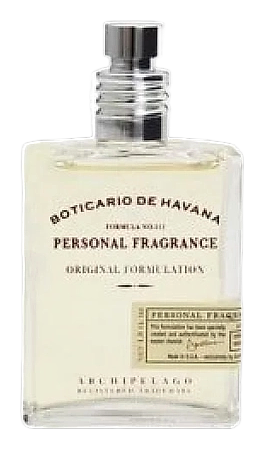
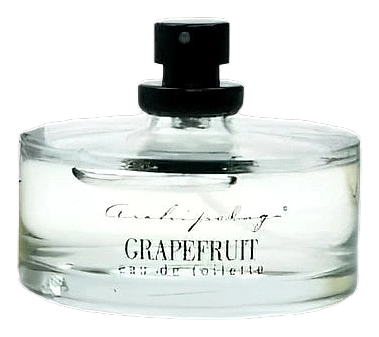
Gregg Corzine and David Klass founded Archipelago Botanicals after a road trip along the California coast in 1997. The founders chose the name after spotting the cluster of Santa Catalina islands, part of the Pacific archipelago that frames the Santa Monica horizon. Their first studio was a modest garage that overlooked those islands, and the view inspired the brand’s nautical motif. Early collections focused on hand‑poured soy candles scented with locally sourced botanicals. By 2008 the company expanded its portfolio to include room sprays, introducing Grapefruit and Pomegranate, fragrances that referenced the bright, citrusy markets the founders encountered on travel. 2010 marked a prolific year; Archipelago released Milk, Morning Mint, and Boticario de Havana Personal Fragrance, each reflecting a different cultural influence. The brand’s commitment to natural ingredients earned it placement in boutique retailers across the United States. In 2018 Archipelago launched Charcoal Rose, a scent that paired smoky charcoal with rose petals, demonstrating a willingness to experiment with unconventional pairings. The following year, Designworks Collective announced its acquisition of Archipelago, aiming to broaden the brand’s distribution while preserving its artisanal roots. Today the company remains privately held, operating out of Santa Monica and continuing to draw inspiration from global plant traditions.
Craftsmanship
Every Archipelago product begins with a selection of botanical raw materials. The company works with growers in the United States, South America and the Mediterranean to obtain essential oils, absolutes and natural extracts that meet strict purity standards. For candles, Archipelago uses a soy‑based wax blend that burns cleanly and holds fragrance evenly. The wax is poured by hand in small batches, allowing the team to monitor temperature and scent load for each batch. Room sprays and reed diffusers employ alcohol‑free bases that preserve the integrity of delicate notes. The brand offers refill cartridges for its diffusers, a system that reduces packaging waste and lets customers swap scents without buying a new unit. Quality control includes blind scent panels that compare each batch against a reference standard, ensuring consistency across production runs. Packaging design favors glass and recyclable metal, and labels are printed with soy‑based inks. By combining natural sourcing, small‑batch processing and rigorous testing, Archipelago maintains a level of quality that aligns with its promise of authentic, plant‑forward fragrance.
Design Language
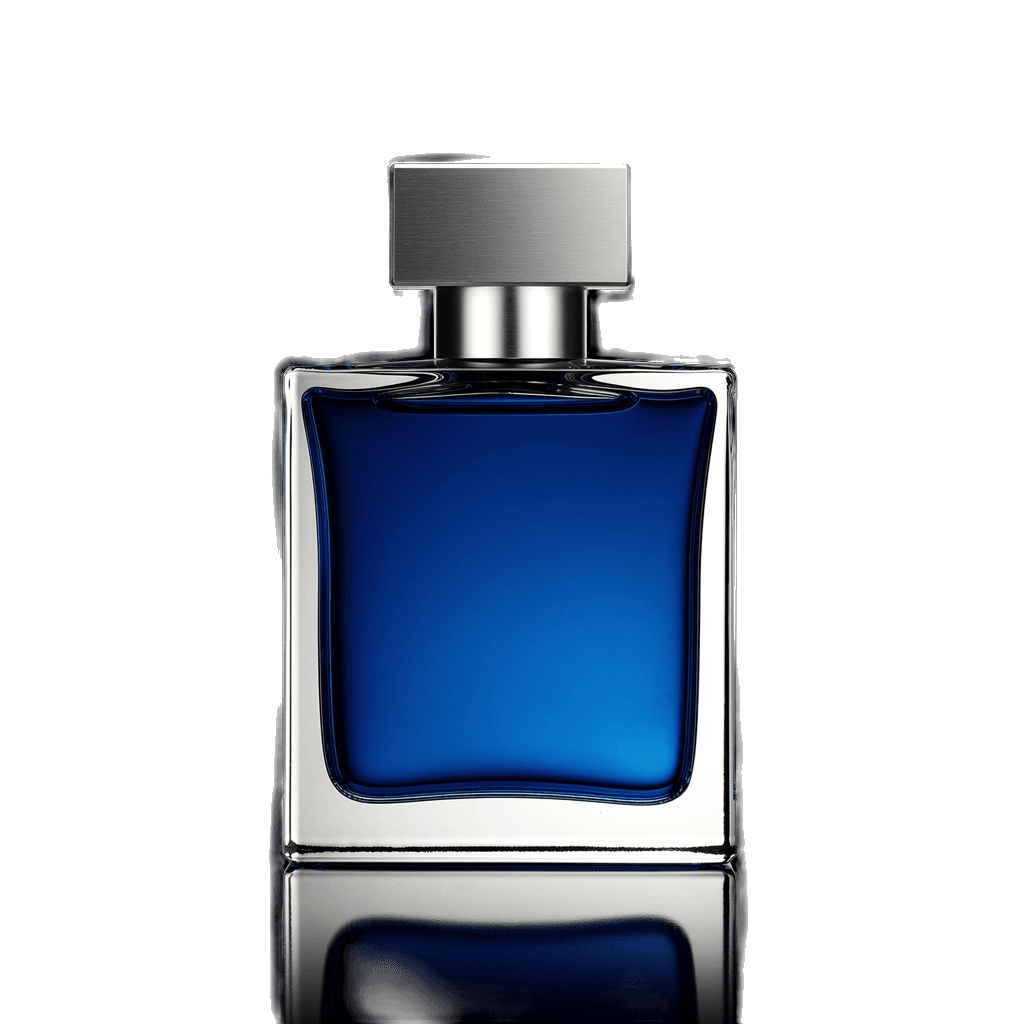
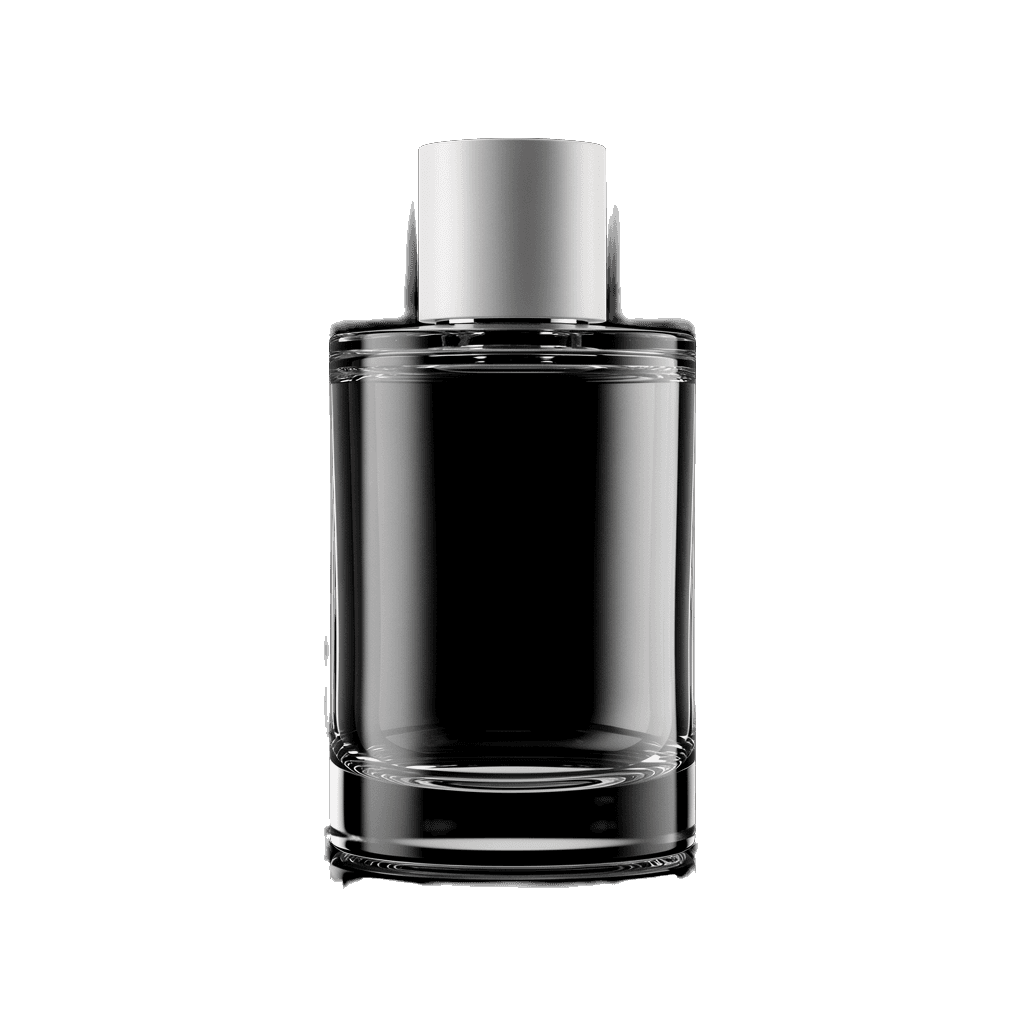
Archipelago’s visual language mirrors its coastal origins. The logo features a simple line drawing of an island silhouette, echoing the view that inspired the name. Product containers are clear glass or matte metal, allowing the color of the fragrance oil to become the focal point. Labels use a muted sans‑serif typeface and a restrained color palette of sea‑foam green, sand beige and deep navy, evoking shoreline tones. Candle jars often have a brushed metal lid that feels substantial yet understated. The brand’s marketing photography frequently shows products placed on natural wood surfaces, accompanied by travel‑inspired props such as woven baskets or vintage maps. This aesthetic reinforces the narrative of bringing far‑flung scents into a calm, domestic setting. The overall image is clean, minimal and anchored in the idea of a well‑curated home environment.
Philosophy
Archipelago’s mission centers on translating travel experiences into home fragrance. The founders have said that their goal is to bring the scents of distant markets into everyday living spaces, using plants that they encounter on journeys. This outlook guides product development: each fragrance is rooted in a specific locale, whether a Cuban market for Boticario de Havana or a Mediterranean garden for Charcoal Rose. The brand values transparency, sourcing botanical extracts from growers who practice sustainable harvesting. It also emphasizes simplicity; packaging is designed to be refillable, reducing waste and encouraging consumers to keep the scent alive longer. Archipelago believes that scent can shape mood and memory, so it strives to create aromas that feel both familiar and adventurous. The company’s creative team works closely with perfumers to balance authenticity with wearability, ensuring that a candle can fill a room without overwhelming it. By focusing on natural ingredients and mindful design, Archipelago aims to make fragrance an accessible ritual rather than a luxury add‑on.
Key Milestones
1997
Gregg Corzine and David Klass launch Archipelago Botanicals in a Santa Monica garage.
2008
Release of Grapefruit and Pomegranate, expanding the scent portfolio beyond candles.
2010
Launch of Milk, Morning Mint, and Boticario de Havana Personal Fragrance, marking a year of product diversification.
2018
Introduction of Charcoal Rose, a scent that pairs smoky charcoal with rose petals.
2019
Designworks Collective acquires Archipelago Botanicals to support broader distribution.
At a Glance
Brand profile snapshot
Origin
United States
Founded
1997
Heritage
29
Years active
Collection
2
Fragrances released
Avg Rating
4.1
Community sentiment
Release Rhythm