


The Heritage
The Story of Arte Profumi
Arte Profumi is a niche fragrance house rooted in Rome. Since its debut in 2013 the label has built a modest catalogue that includes Pomelo, Harem Soiree, Samharam and the recent Hybris (2024). Each scent is presented in a restrained bottle that lets the perfume speak for itself. The brand positions itself as a laboratory for olfactory stories rather than a mass‑market player, offering limited releases that appeal to collectors who value craft over hype.
Heritage
Arte Profumi emerged in Rome around 2013, a year that also marked the launch of its first offerings, Pomelo and Harem Soiree. The founders—identified in early interviews as a small group of Italian perfume enthusiasts—sought to create a platform where artistic concepts could be translated into scent. Within the first year the house released Ecclesiae and Sucre Noir, establishing a pattern of multiple launches per season. In 2017 the line expanded with Samharam, a fragrance that referenced Middle‑Eastern spice markets, followed by Habanera and Sine Tempore in 2018, both of which explored tropical and timeless themes respectively. The early 2020s saw a shift toward more introspective compositions; Golden Skin (2021) and Bisquit (2021) highlighted warm amber and gourmand notes while maintaining the brand’s minimalist aesthetic. The most recent addition, Hybris (2024), draws on the Greek notion of overreaching ambition and showcases a blend of aromatic herbs and citrus. Throughout its decade of activity Arte Profumi has remained independent, avoiding large‑scale distribution in favor of direct sales through its website and select boutique partners. The house’s modest size has allowed it to retain control over formulation, bottling and release cadence, reinforcing its reputation as a curator of scent narratives rather than a commercial powerhouse.
Craftsmanship
Production at Arte Profumi takes place in small batches within a workshop in the outskirts of Rome. The house sources many of its natural extracts from Mediterranean growers, including Italian bergamot, Sicilian orange blossom and Provençal lavender. Synthetic aroma chemicals are employed when they provide stability or a note that cannot be obtained naturally, but the brand states that each synthetic component is selected for its purity and compliance with EU regulations. Quality control involves a multi‑stage testing process: raw materials are evaluated for scent profile and consistency, then blended in stainless‑steel vessels under controlled temperature. After maceration, the perfume is filtered and transferred to hand‑blown glass bottles that feature a simple, unadorned silhouette. The bottling line is run by a team of artisans who cap and label each unit individually, ensuring that no two bottles differ in fill level. Packaging materials are sourced from recycled glass and paper, and the brand reports that it ships products in biodegradable cushioning. By limiting each release to a few hundred bottles, Arte Profumi can monitor every step of the supply chain, from raw material arrival to final dispatch, preserving the integrity of the fragrance from inception to the consumer’s hand.
Design Language
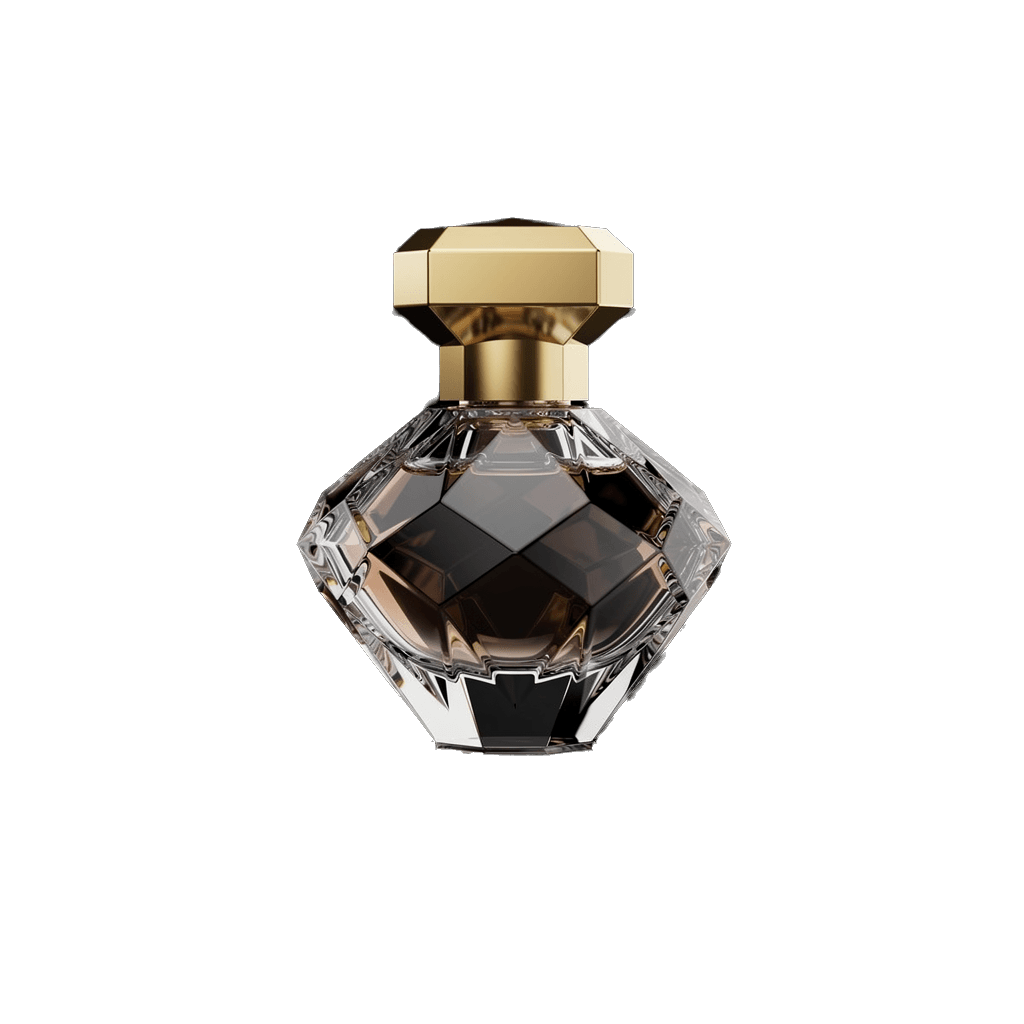
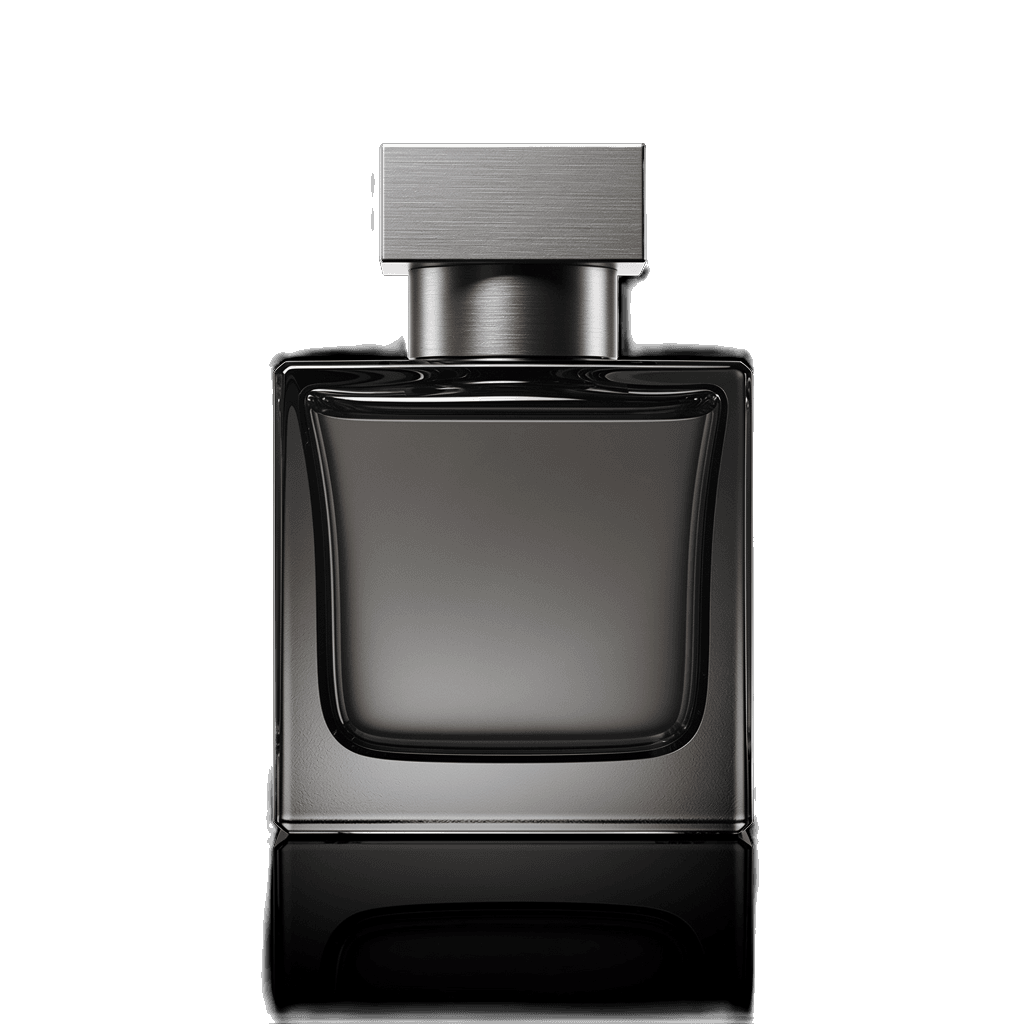
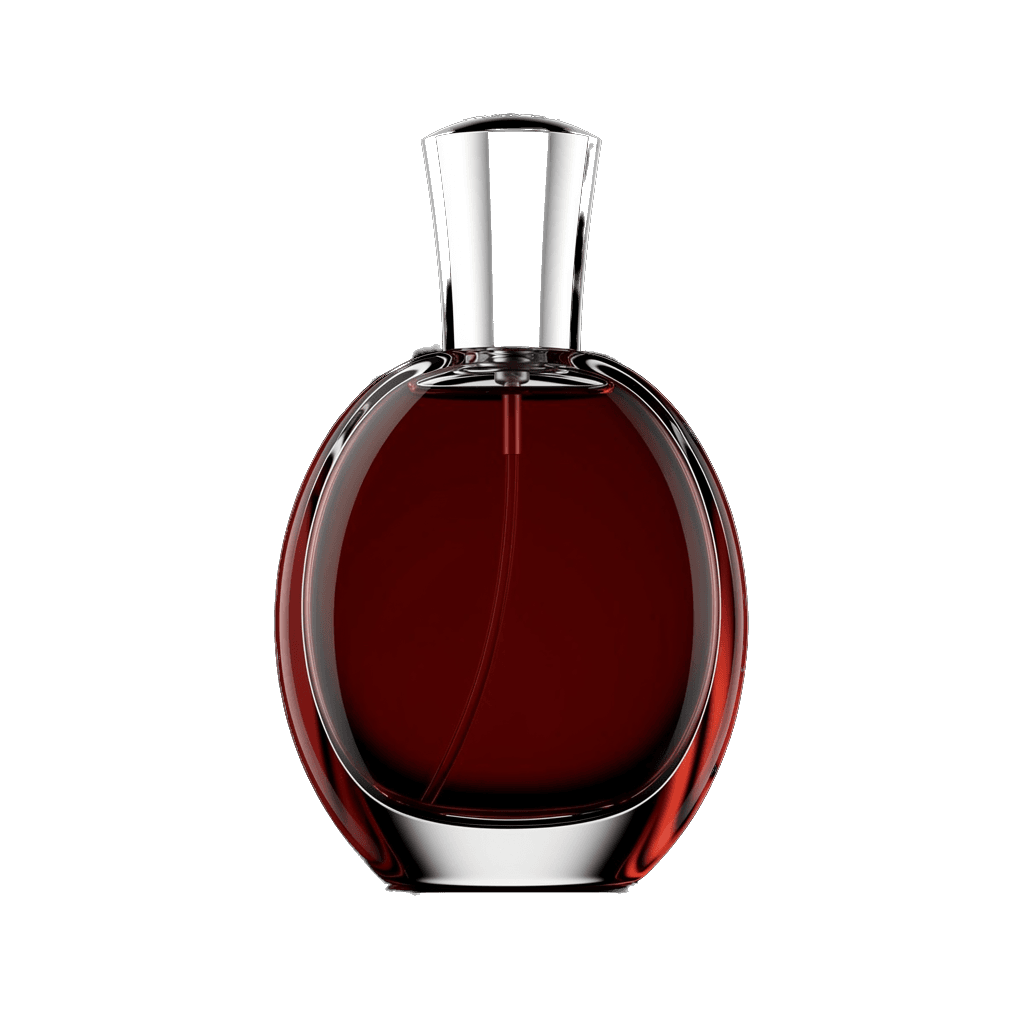
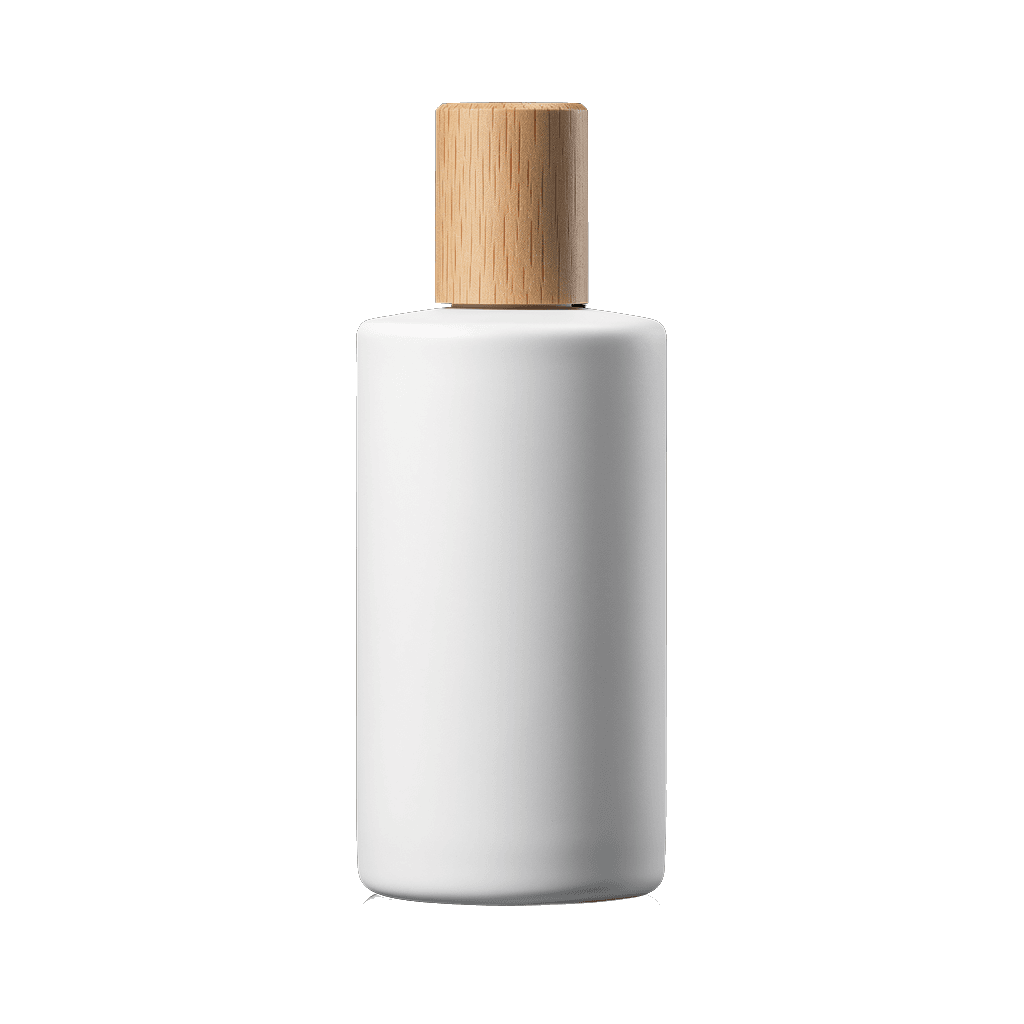
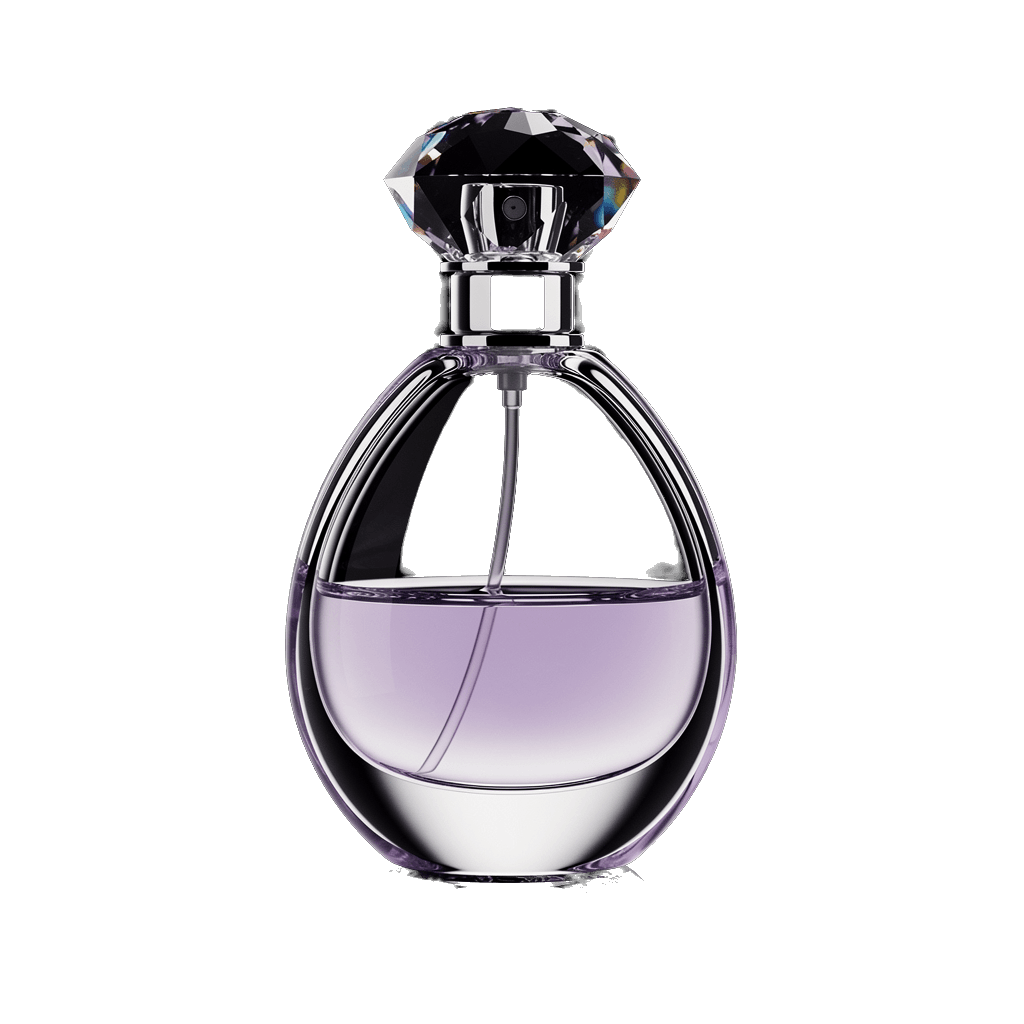
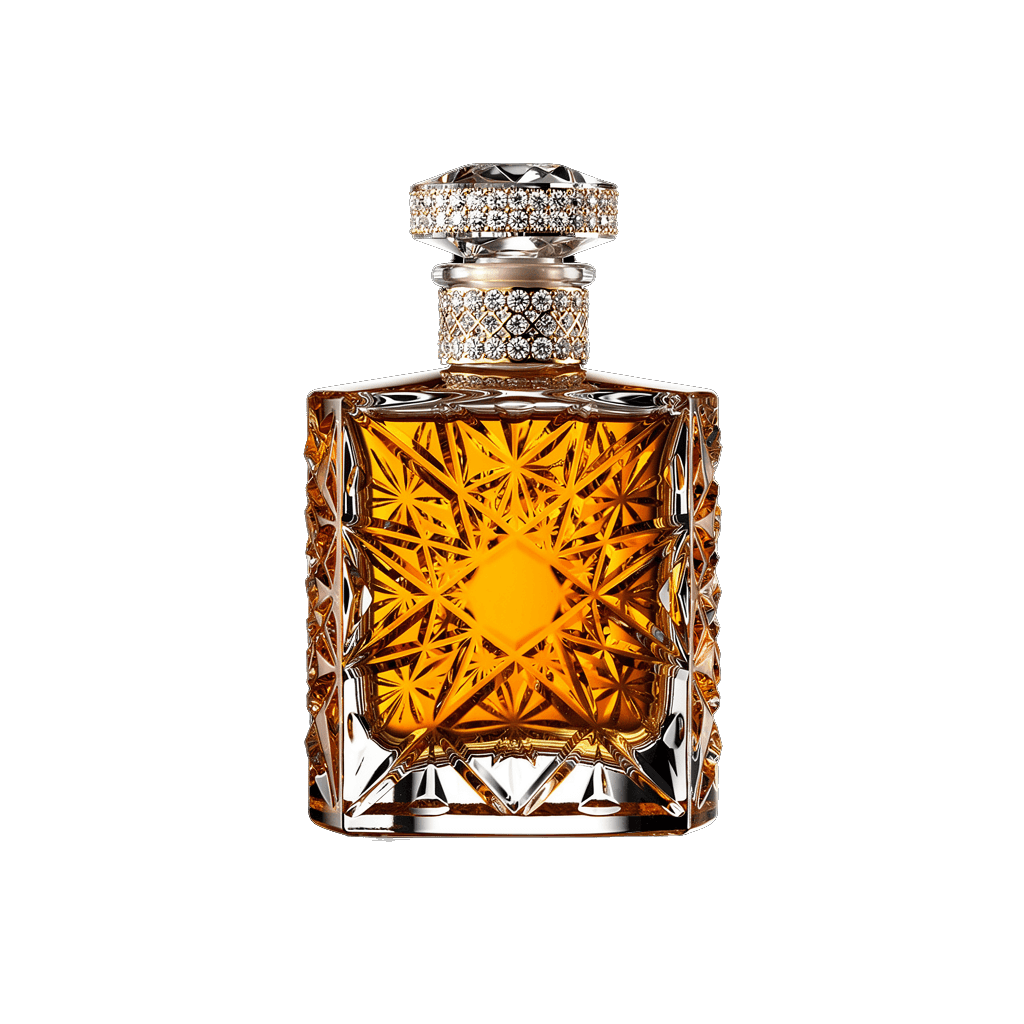
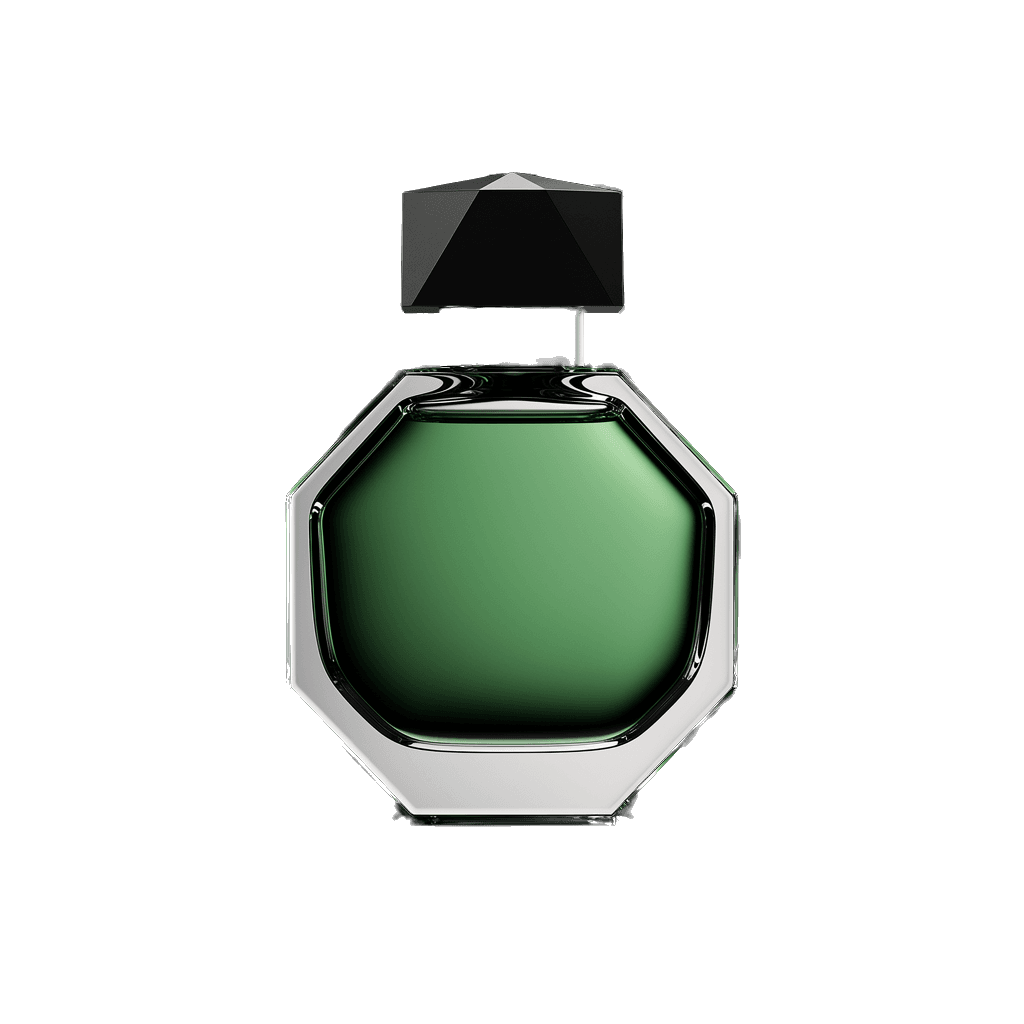
The visual language of Arte Profumi mirrors its olfactory restraint. Bottles are clear glass with a thin, matte black cap, allowing the colour of the perfume to become the focal point. Labels consist of a single line of serif type on a white background, displaying the fragrance name and year without additional graphics. This minimal approach extends to the brand’s website, where product pages feature high‑resolution photographs against neutral backdrops and concise copy that reads like a personal note. Marketing collateral often employs monochrome photography that captures the mood of the scent—such as a sun‑lit Roman courtyard for Pomelo or a dimly lit library for Sine Tempore. The overall image conveys a quiet confidence, positioning the house as a curator of sensory experiences rather than a flashy trendsetter. The aesthetic choices reinforce the brand’s narrative focus, inviting collectors to engage with each perfume on its own terms.
Philosophy
According to statements on the brand’s site, Arte Profumi treats perfume as a visual and narrative medium. The label emphasizes the dialogue between scent and memory, aiming to craft compositions that evoke specific places or emotions. It prioritises transparency in ingredient sourcing, preferring raw materials that can be traced to their origin. The house also values restraint; rather than layering dozens of accords, it often builds around a single dominant theme that unfolds over time. Sustainability appears in its approach to packaging, with glass bottles that are recyclable and minimal external branding. Arte Profumi’s creative process reportedly involves close collaboration with perfumers who share an interest in storytelling, allowing each fragrance to develop from a conceptual sketch to a finished olfactory work. The brand’s editorial tone on its platform reflects a conversational style, inviting the wearer to interpret the scent personally rather than prescribing a fixed identity.
Key Milestones
2013
Arte Profumi launches in Rome, releasing Pomelo and Harem Soiree as its inaugural fragrances.
2017
Samharam debuts, expanding the line into Middle‑Eastern inspired accords.
2018
Two new scents, Habanera and Sine Tempore, arrive, highlighting tropical and timeless themes.
2021
Golden Skin and Bisquit are introduced, marking a shift toward warm, gourmand compositions.
2024
Hybris releases, referencing Greek myth and showcasing a blend of herbs and citrus.
At a Glance
Brand profile snapshot
Origin
Italy
Founded
2013
Heritage
13
Years active
Collection
2
Fragrances released
Avg Rating
4.0
Community sentiment
Release Rhythm