The Heritage
The Story of Benefit
Benefit Cosmetics is an American beauty brand that blends playful design with professional performance. Founded by twin sisters Jean and Jane Ford, the company first opened a boutique in San Francisco and quickly earned a reputation for cheeky packaging, bold colors, and products that invite experimentation. From its signature brow gels to the cult‑favorite Benetint, Benefit delivers makeup that feels both fun and functional, appealing to makeup artists and everyday users alike. The brand’s tone is conversational, its visuals bright, and its formulas crafted to work on a wide range of skin tones.
Heritage
Benefit Cosmetics began in 1976 when twins Jean and Jane Ford opened a small shop called The Face Place on San Francisco’s Market Street. Their goal was to offer a fresh alternative to the polished, serious cosmetics of the era. Early on they introduced a line of brow products that emphasized natural shape, a concept that later evolved into the brand’s iconic brow bar service. In 1989 the company opened its first dedicated Benefit boutique in New York City, marking the start of a national retail footprint. The 1990 launch of Benetint, a liquid lip and cheek stain, became a cult classic and remains in production today. Throughout the 1990s Benefit expanded into Europe, opening a flagship store in London in 1999 and establishing a presence in France and Germany. The early 2000s saw the introduction of the “They’re Real!” mascara, a product that reinforced the brand’s reputation for delivering dramatic results with a lighthearted twist. In 2009 Benefit pioneered the first permanent brow bar inside a cosmetics store, offering on‑site shaping and tinting that set a new industry standard. The brand continued to grow its retail network, opening a flagship boutique on Fifth Avenue in New York in 2015. In 2021 LVMH announced the acquisition of a controlling stake in Benefit, integrating the playful brand into the world’s largest luxury conglomerate while allowing it to retain its distinctive voice. Today Benefit operates over 200 stores worldwide and remains a staple in both professional makeup kits and personal vanity tables.
Craftsmanship
Benefit’s product development follows a rigorous testing cycle that combines laboratory research with real‑world feedback. Formulas are created in partnership with chemists who specialize in color cosmetics, and each batch undergoes stability testing to ensure consistency across climates. The brand sources key ingredients such as mica, botanical extracts, and synthetic pigments from suppliers that meet safety certifications like ISO 9001. Benefit’s iconic brow gels, for example, use a blend of flexible polymers that hold hair in place while allowing movement, a formula refined over several iterations based on makeup artist input. Benetint’s water‑based pigment system was engineered to deliver a sheer, buildable tint that resists fading, a result of extensive trial and error in the early 1990s. Quality control includes blind panel reviews, where trained evaluators assess texture, color payoff, and wear time. The company also adheres to FDA regulations for cosmetics sold in the United States and complies with EU cosmetic directives for its international lines. Recent sustainability initiatives have led to the adoption of biodegradable film wraps for certain products and a shift toward refillable packaging for select bestseller items.
Design Language
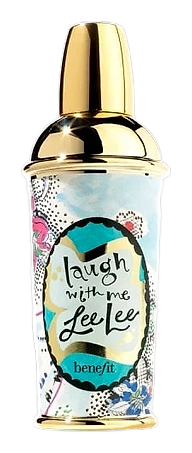
Benefit’s visual identity is instantly recognizable for its bright pink packaging, whimsical illustrations, and hand‑drawn typography. The brand’s logo, a stylized “Benefit” in a playful script, appears on everything from lipstick tubes to shopping bags, reinforcing a cohesive look. Product boxes often feature cheeky slogans and retro‑inspired graphics that echo 1950s beauty ads while maintaining a modern edge. Store interiors echo this aesthetic with pastel walls, vintage signage, and curated displays that invite customers to explore and experiment. The brow bar stations are designed with sleek mirrors, soft lighting, and pastel accents, creating a welcoming environment for personalized service. Benefit’s advertising campaigns rely on bold color palettes, candid photography, and a conversational tone that mirrors the brand’s voice. Seasonal collections introduce limited‑edition packaging that incorporates seasonal motifs—such as florals for spring or metallic accents for holiday releases—while staying true to the brand’s signature pink and white color scheme.
Philosophy
Benefit approaches beauty as a conversation between confidence and curiosity. The founders believed that makeup should empower people to express themselves without pretension, a belief that still guides product development. The brand emphasizes inclusivity, designing shades and formulas that work across diverse skin tones and ages. Its marketing language invites humor, encouraging users to try new looks with a smile. Benefit also values sustainability; it has begun to incorporate recycled materials into packaging and to source ingredients from suppliers that meet ethical standards. Community outreach appears in the form of limited‑edition collaborations that support charitable causes, reflecting a commitment to give back while keeping the brand’s tone light. Overall, Benefit’s philosophy blends professional performance with a sense of fun, aiming to make every makeup routine feel like a personal celebration.
Key Milestones
1976
Jean and Jane Ford open The Face Place boutique in San Francisco
1989
First dedicated Benefit boutique opens in New York City
1990
Launch of Benetint, a liquid lip and cheek stain
1999
Benefit expands to Europe with a flagship store in London
2009
First permanent Benefit Brow Bar introduced inside a store
2015
Flagship Fifth Avenue boutique opens in New York
At a Glance
Brand profile snapshot
Origin
United States
Founded
1976
Heritage
50
Years active
Collection
1
Fragrances released
Avg Rating
3.9
Community sentiment
Release Rhythm