The Heritage
The Story of Benetton
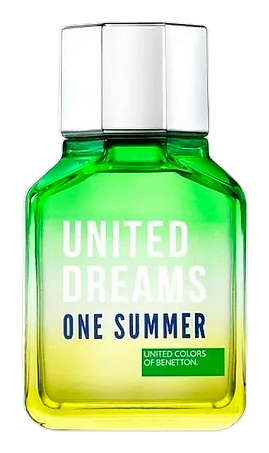
Benetton entered the fragrance market in the late 1980s, extending the colour‑driven ethos of its apparel line into scent. The first releases, Colors de Benetton for women (1987) and Colors de Benetton Man (1988), offered bright, approachable compositions that mirrored the brand’s reputation for youthful optimism. Over the decades the house has added niche‑style offerings such as United Dreams, a series that explores seasonal moods, and Sisterland, a collaborative line launched in 2024 that pairs narrative storytelling with scent. Today Benetton’s perfume portfolio sits alongside its clothing collections, each launch reflecting the same commitment to inclusivity and everyday wearability.
Heritage
Benetton Group was founded in 1965 in Ponzano Veneto, Italy, by the Benetton siblings Luciano, Giuliana, Gilberto and Carlo. The brothers began by knitting colourful sweaters in a small workshop, and within three years they opened a store in Paris, signalling an early appetite for international growth. By the 1970s the label had expanded across Europe and entered the United States, becoming known for bold advertising that celebrated diversity. The fashion house launched its first fragrance, Colors de Benetton, in 1987, followed a year later by a masculine counterpart. These scents were positioned as extensions of the brand’s colourful identity, using bright citrus and floral notes to evoke a sense of playfulness. In 1999 Benetton entered a licensing partnership with the Spanish fragrance company Puig, granting the latter rights to develop and distribute new United Colors lines worldwide. The collaboration produced several sub‑ranges, including United Dreams (2018) and the more experimental Sisterland series (2024). Recent releases such as Green Amazonia for Him (2024) and Happy Green Iris (2020) show a shift toward nature‑inspired accords, reflecting broader industry trends toward sustainability. Throughout its history Benetton has maintained a focus on accessible design, whether on a runway or in a bottle, and continues to leverage its global retail network to bring fragrance to a diverse audience.
Craftsmanship
Benetton’s fragrance production follows a model common to licensed fashion houses. After the 1999 agreement with Puig, the Spanish firm assumes responsibility for formulation, ingredient sourcing and quality control, while Benetton provides the creative brief and oversees branding. Formulators work with a mix of synthetic aroma chemicals and natural extracts, selecting ingredients that align with the brand’s bright, approachable character. For example, the 2020 Happy Green Iris blends iris root with fresh green notes sourced from European farms, while the 2024 Green Amazonia for Him incorporates sustainably harvested Amazonian wood accords verified by third‑party certifications. Production takes place in Puig’s European facilities, which adhere to ISO 9001 standards and conduct batch testing for consistency. Bottles are manufactured in glass factories that meet EU regulations for recyclability, and Benetton often opts for minimalist caps and clear glass to echo its visual language. Quality assurance includes stability testing under varying temperature and humidity conditions, ensuring the scent remains true from the first spray to the final year of shelf life. The brand also monitors supply chain transparency, publishing occasional reports on ingredient origins and partnering with NGOs that promote fair trade for essential oils.
Design Language
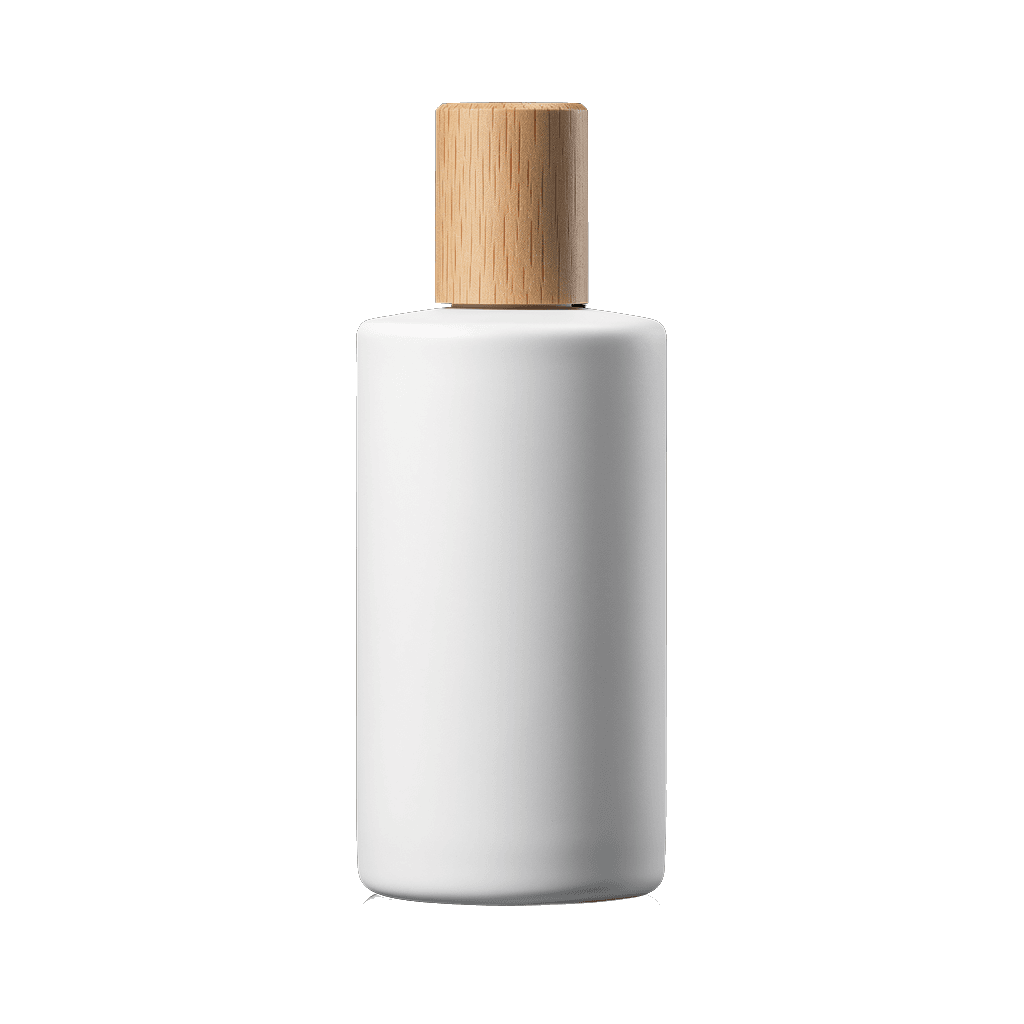
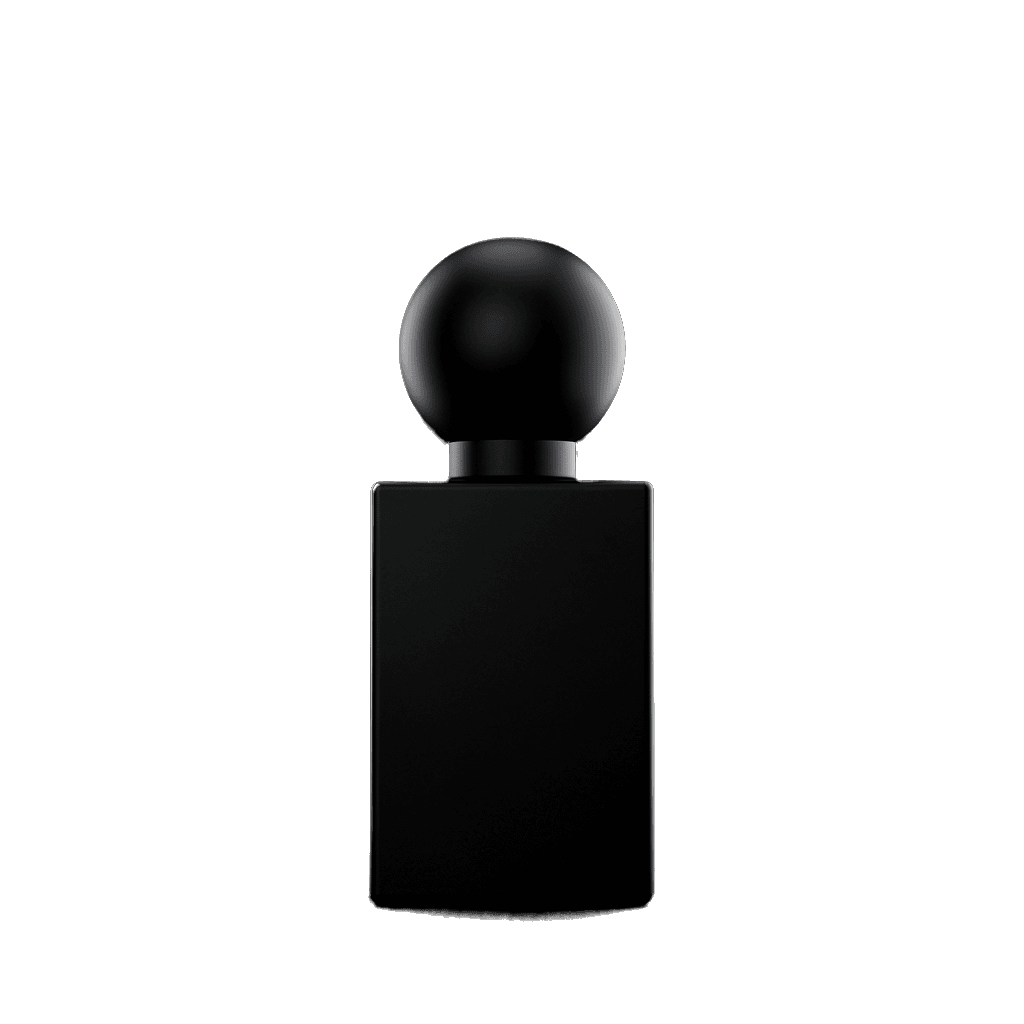
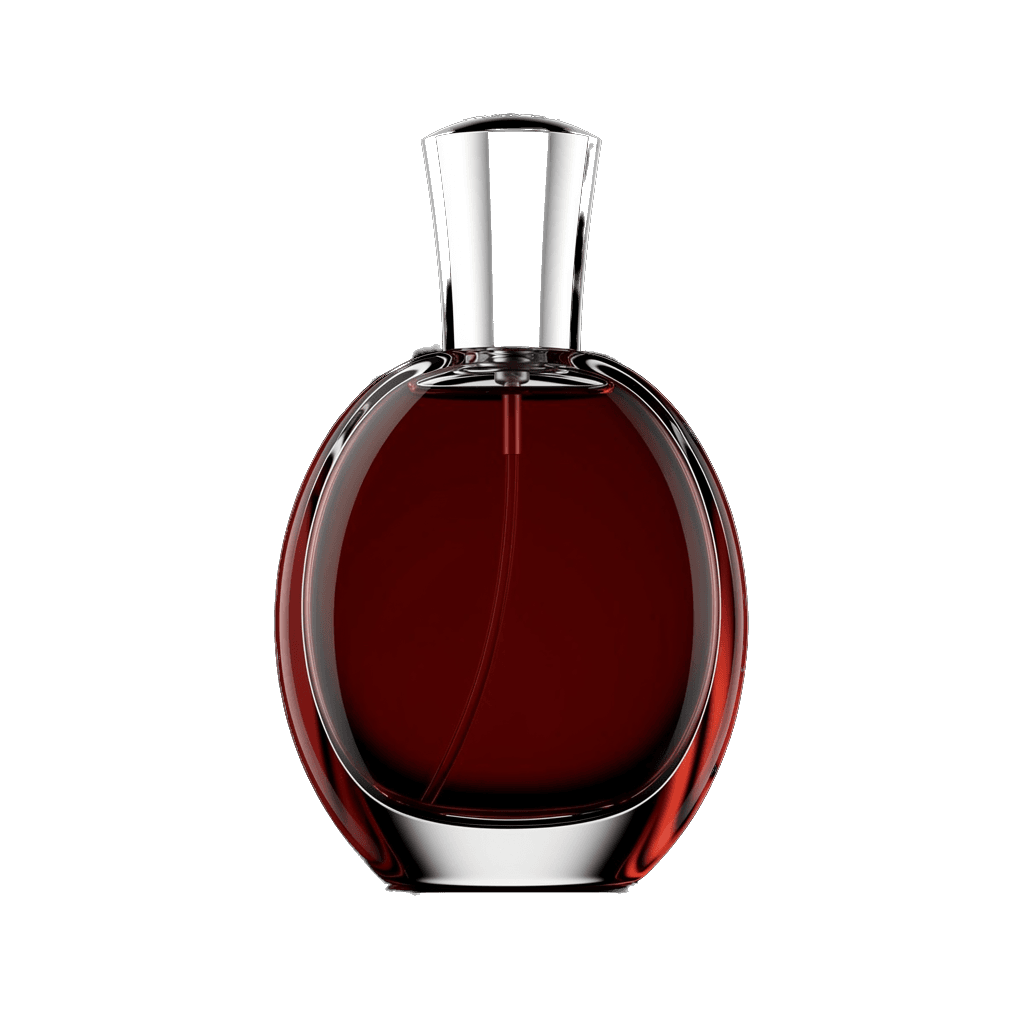
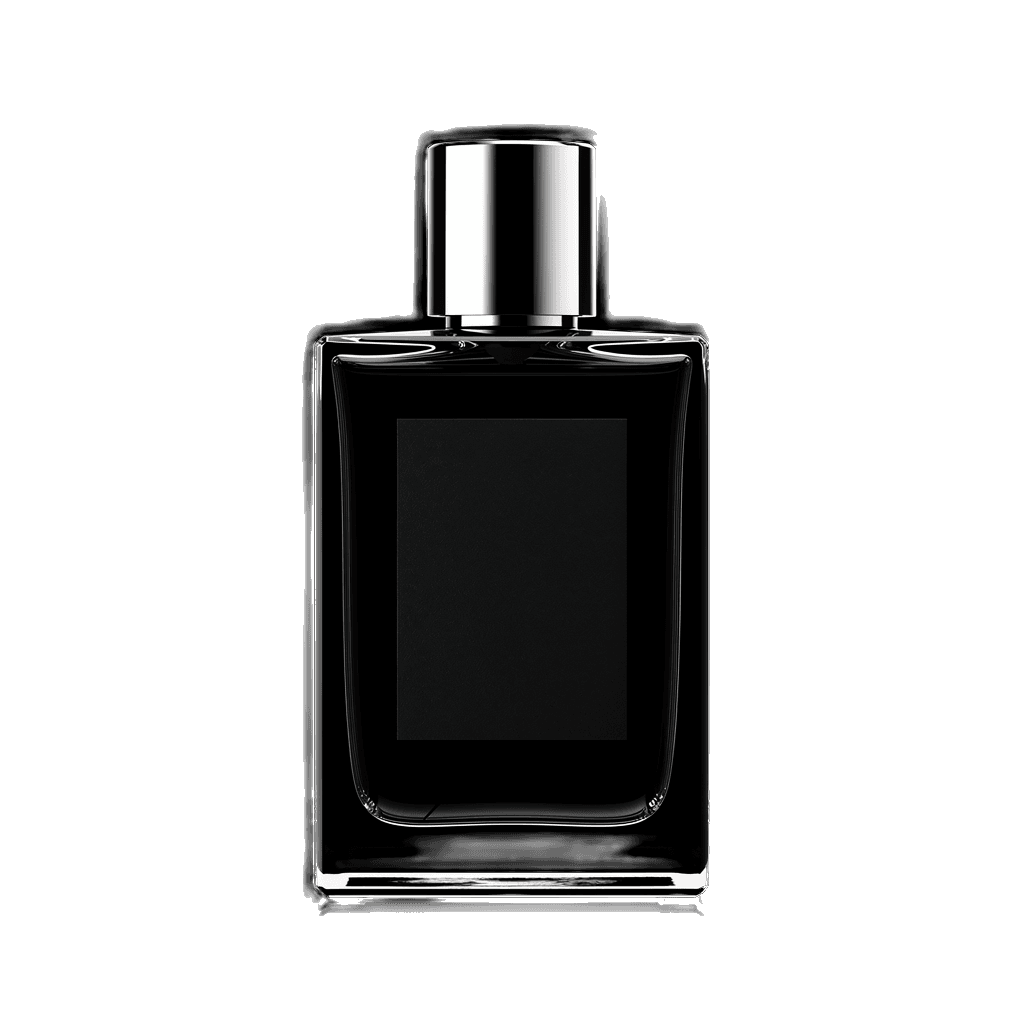
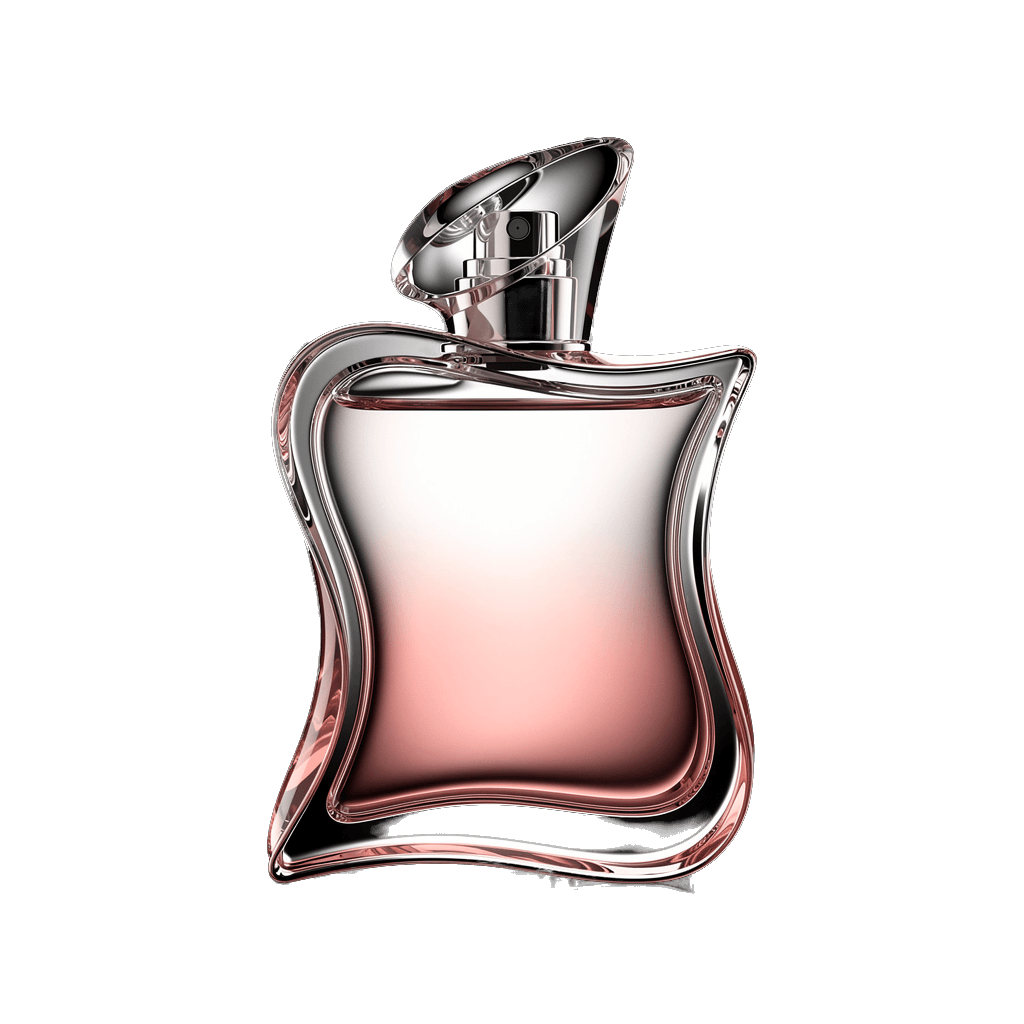
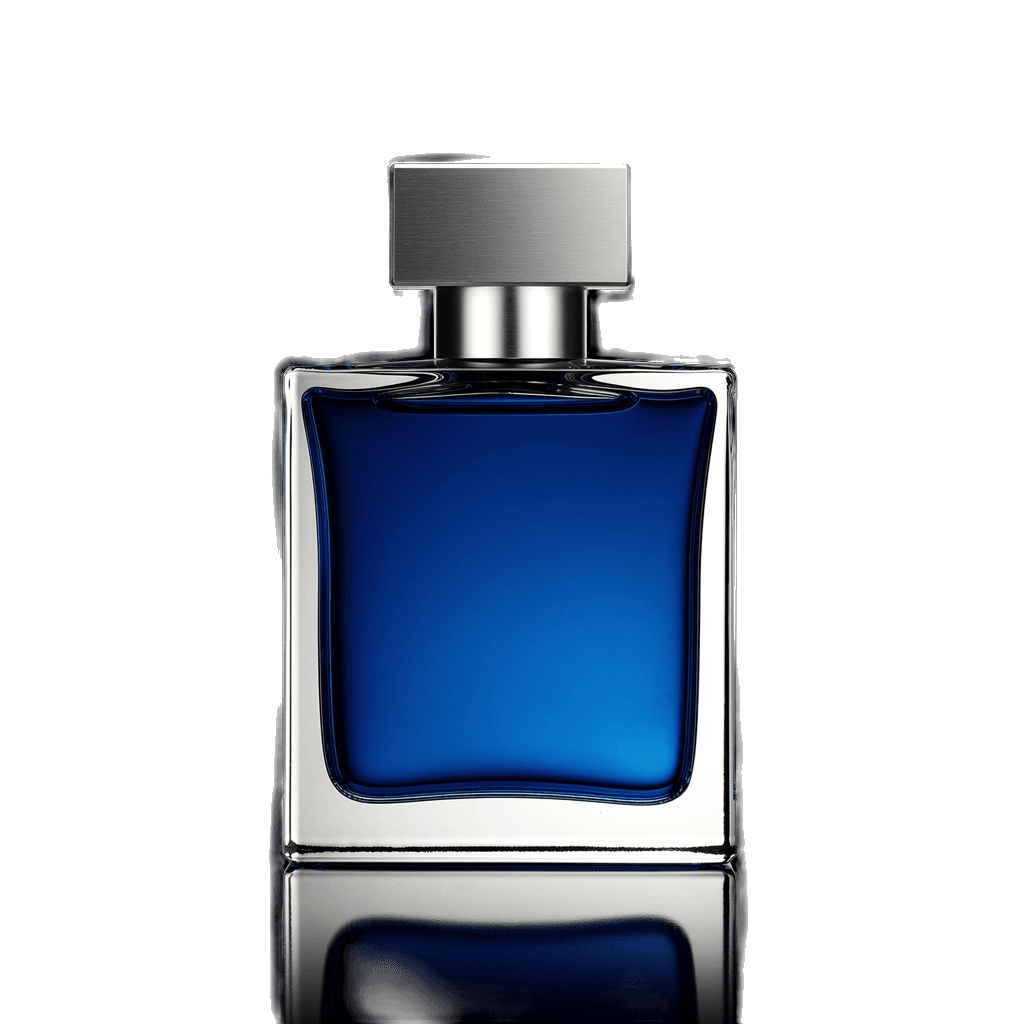
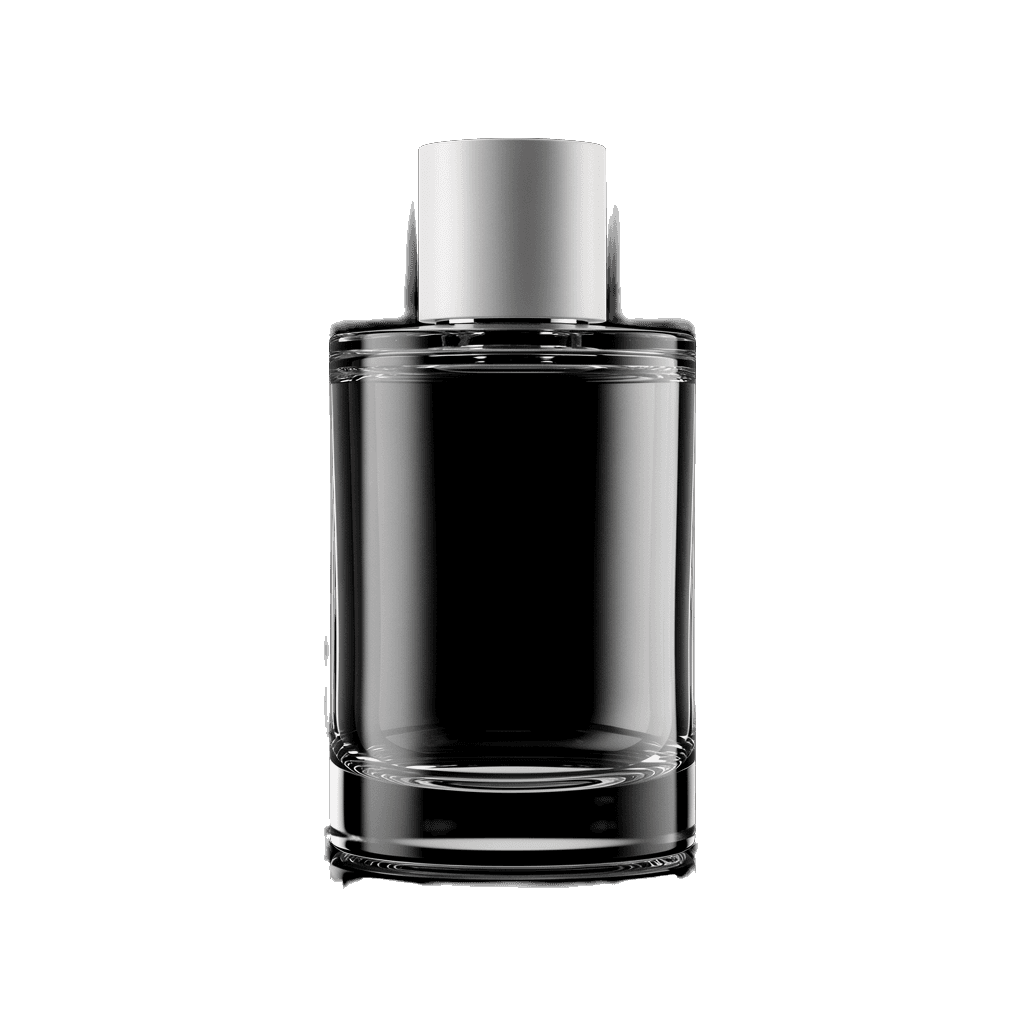
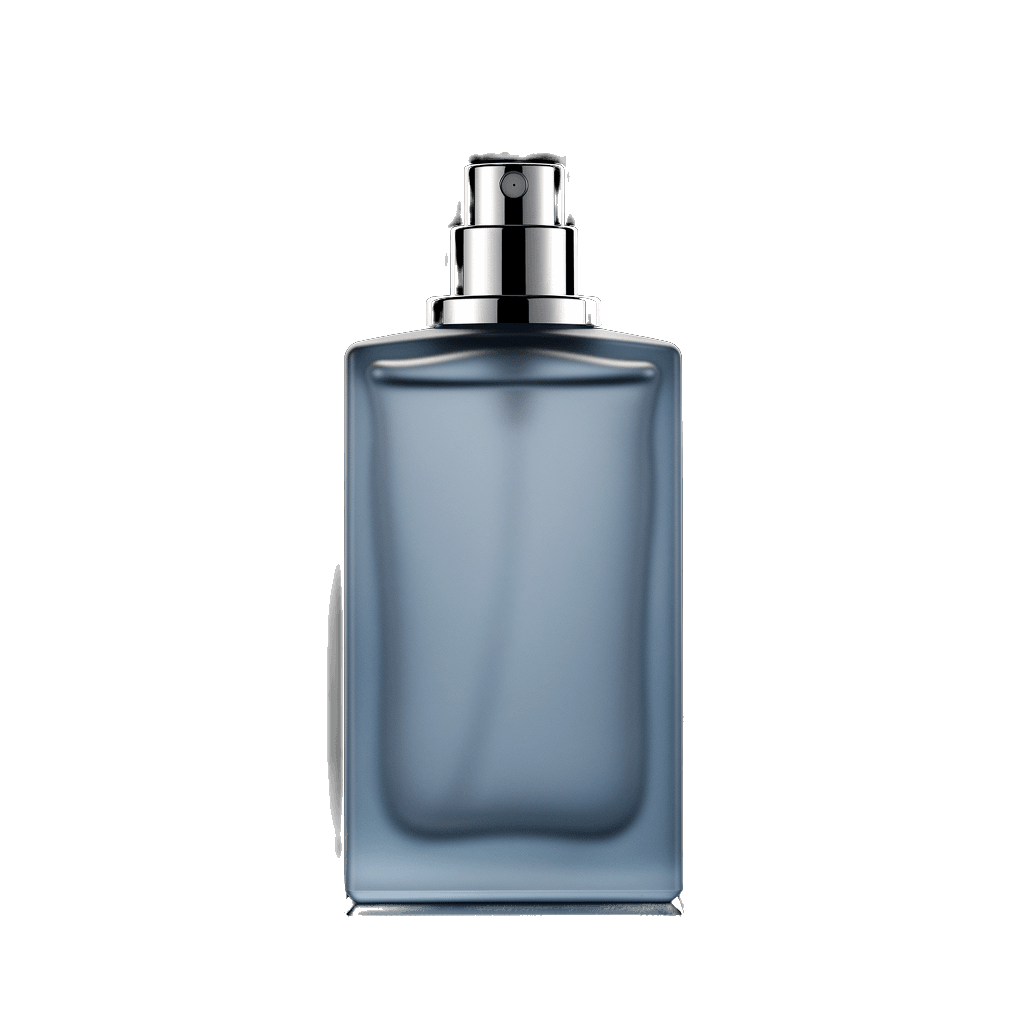
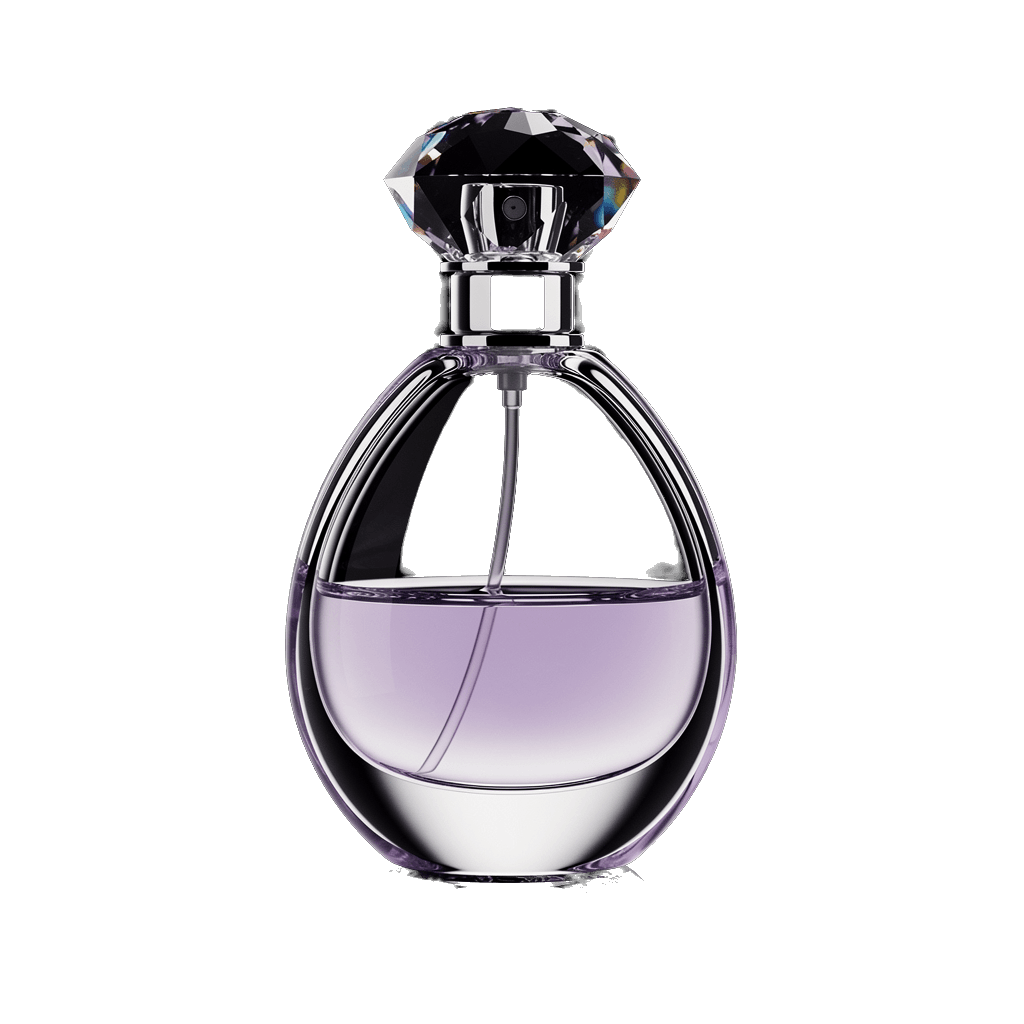
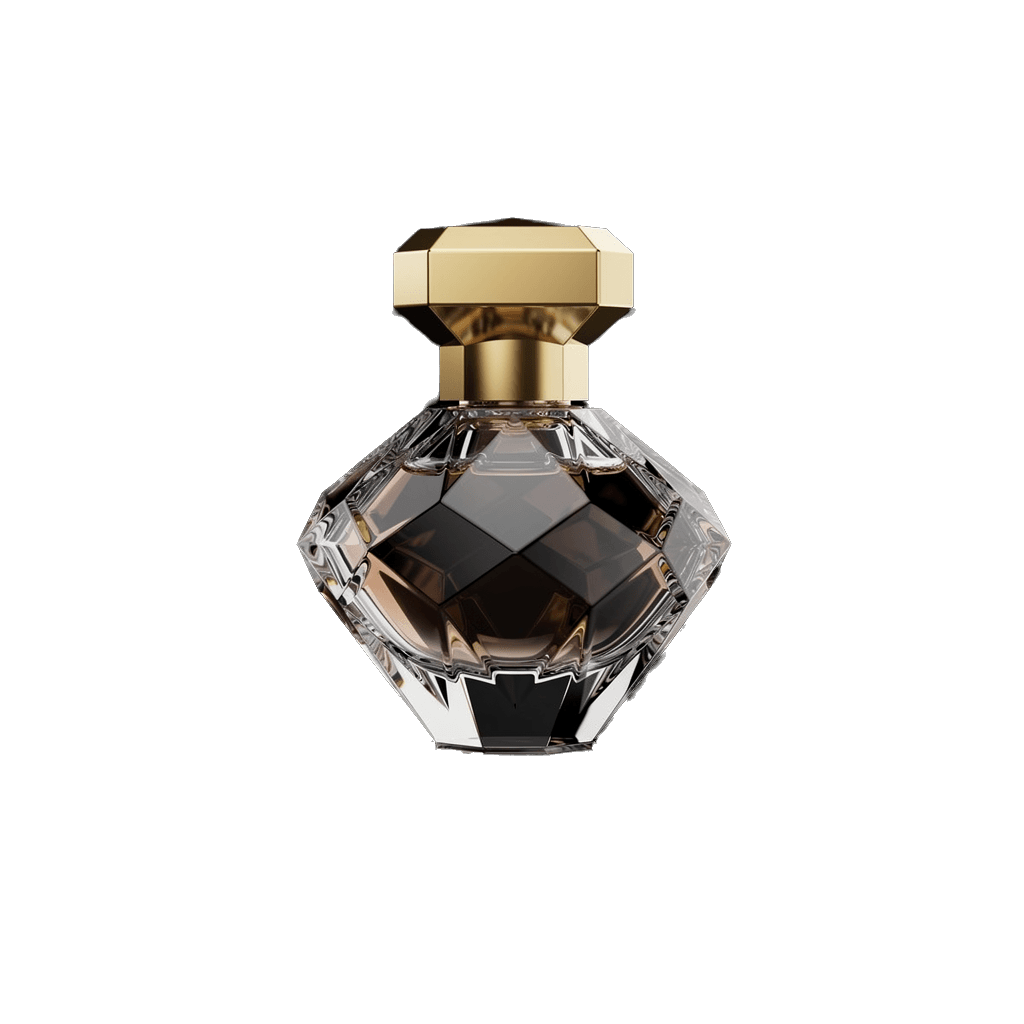
Benetton’s visual identity translates directly into its fragrance packaging. Bottles typically feature clear, slender glass that showcases the liquid’s colour, a nod to the brand’s original emphasis on bright pigments. Caps are simple, often matte‑finished metal or plastic, stamped with the Benetton logo in a clean sans‑serif typeface. The colour palette of the packaging mirrors the name of each line – United Dreams uses pastel greens and blues, while Sisterland adopts a darker, cinematic hue to match its narrative focus. Graphic elements on the outer box frequently incorporate the same bold, primary‑colour blocks that have defined Benetton’s advertising since the 1970s. Typography remains uncluttered, allowing the scent name and a brief description to stand out without decorative flourishes. This restrained approach reinforces the brand’s promise of accessibility: the bottle looks sophisticated enough for a vanity, yet its design never feels pretentious. Seasonal campaigns often pair the fragrance with lifestyle photography that features diverse models in everyday settings, reinforcing the idea that the scent belongs to anyone, regardless of age or background.
Philosophy
Benetton treats scent as another medium for expressing its belief that colour and emotion belong to everyone. The brand’s creative brief often references the idea of "everyday optimism" – a desire to craft fragrances that feel at home in a commuter’s bag as well as a weekend getaway. Rather than chasing fleeting trends, Benetton’s perfumers aim for compositions that balance bright top notes with a steady, unobtrusive base, allowing the wearer to layer the scent with personal style. Sustainability has become a guiding principle; recent launches cite responsibly sourced botanical extracts and recyclable packaging. The company also embraces collaboration, inviting artists and storytellers to shape the narrative behind each bottle, as seen in the Sisterland partnership that blends pop‑culture references with olfactory design. This collaborative spirit reflects Benetton’s broader corporate ethos of openness, where diverse perspectives inform product development from concept to shelf.
Key Milestones
1965
Benetton Group founded in Ponzano Veneto by Luciano, Giuliana, Gilberto and Carlo Benetton.
1987
Launch of Colors de Benetton, the brand's first fragrance for women.
1988
Release of Colors de Benetton Man, extending the line to male consumers.
1999
Benetton signs a long‑term global licensing agreement with Puig for fragrance development and distribution.
2018
Introduction of the United Dreams collection, focusing on seasonal scent narratives.
2020
Happy Green Iris released, highlighting sustainably sourced iris and green notes.
At a Glance
Brand profile snapshot
Origin
Italy
Founded
1965
Heritage
61
Years active
Collection
4
Fragrances released
Avg Rating
3.9
Community sentiment
Release Rhythm