

The Heritage
The Story of Blumarine
Blumarine began as a modest Italian fashion label before blossoming into a full‑scale lifestyle brand that includes a celebrated perfume line. Founded in Bologna, the house quickly earned a reputation for romantic silhouettes, pastel palettes and a youthful femininity that translates into its scented offerings. The fragrance portfolio, launched in 1988, mirrors the label’s playful elegance, pairing soft florals with modern twists that appeal to both longtime fans and new collectors. Today, Blumarine presents a cohesive narrative where couture and scent coexist, inviting wearers to experience a gentle, yet confident, expression of Italian style.
Heritage
Anna Molinari and Gianpaolo Tarabini opened their first boutique in Bologna in 1977, naming the label after the Italian word for "blue flower," a symbol of hope and imagination. Their early collections emphasized dreamy fabrics, delicate embroidery and a pastel colour scheme that set them apart from the harsher tailoring of the era. By the early 1980s, Blumarine expanded beyond clothing, introducing accessories and home décor that carried the same romantic aesthetic. In 1988 the house released its inaugural fragrance, Blumarine, a soft floral composition that captured the brand’s signature innocence. The scent’s success encouraged the launch of a series of perfumes, each exploring a different facet of the brand’s feminine narrative. Notable releases include Blumarine II (2000), a richer, more sensual follow‑up, and Blu (1996), which introduced a cooler, aquatic edge. The 2010s saw a resurgence of interest with Bellissima Parfum Intense (2010) and Mon Bouquet Blanc (2020), both of which blended classic floral notes with contemporary accords. Throughout its history, Blumarine has maintained a steady presence on the runway, showcasing collections at Milan Fashion Week and collaborating with artists for limited‑edition packaging. The brand’s longevity stems from its ability to evolve while preserving the whimsical spirit that defined its first collections, a balance that continues to attract a global audience.
Craftsmanship
Blumarine works with established perfume houses in France and Italy to formulate its scents, ensuring that each composition benefits from expert blending techniques. The brand selects raw materials from reputable growers, often choosing European-grown roses and Italian citrus that meet strict quality standards. For Bellissima Parfum Intense, perfumers combined Bulgarian rose oil with Sicilian bergamot, creating a balanced heart that reflects the brand’s dedication to provenance. Production takes place in certified facilities that adhere to Good Manufacturing Practices, allowing for consistent batch quality. The house also employs a layered testing process, where samples are evaluated by both internal designers and external focus groups to confirm that the fragrance aligns with the intended mood. Bottles are crafted from high‑clarity glass, with hand‑finished caps that echo the brand’s attention to tactile detail. In recent years, Blumarine has introduced refillable options for select scents, reducing waste and offering consumers a more sustainable ownership experience. Throughout its production pipeline, the brand prioritises precision, from ingredient selection to final packaging, ensuring that each perfume delivers a reliable and evocative experience.
Design Language
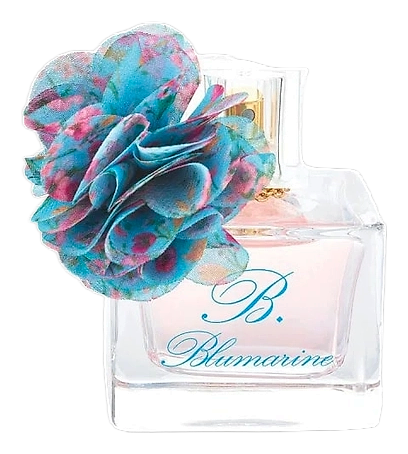
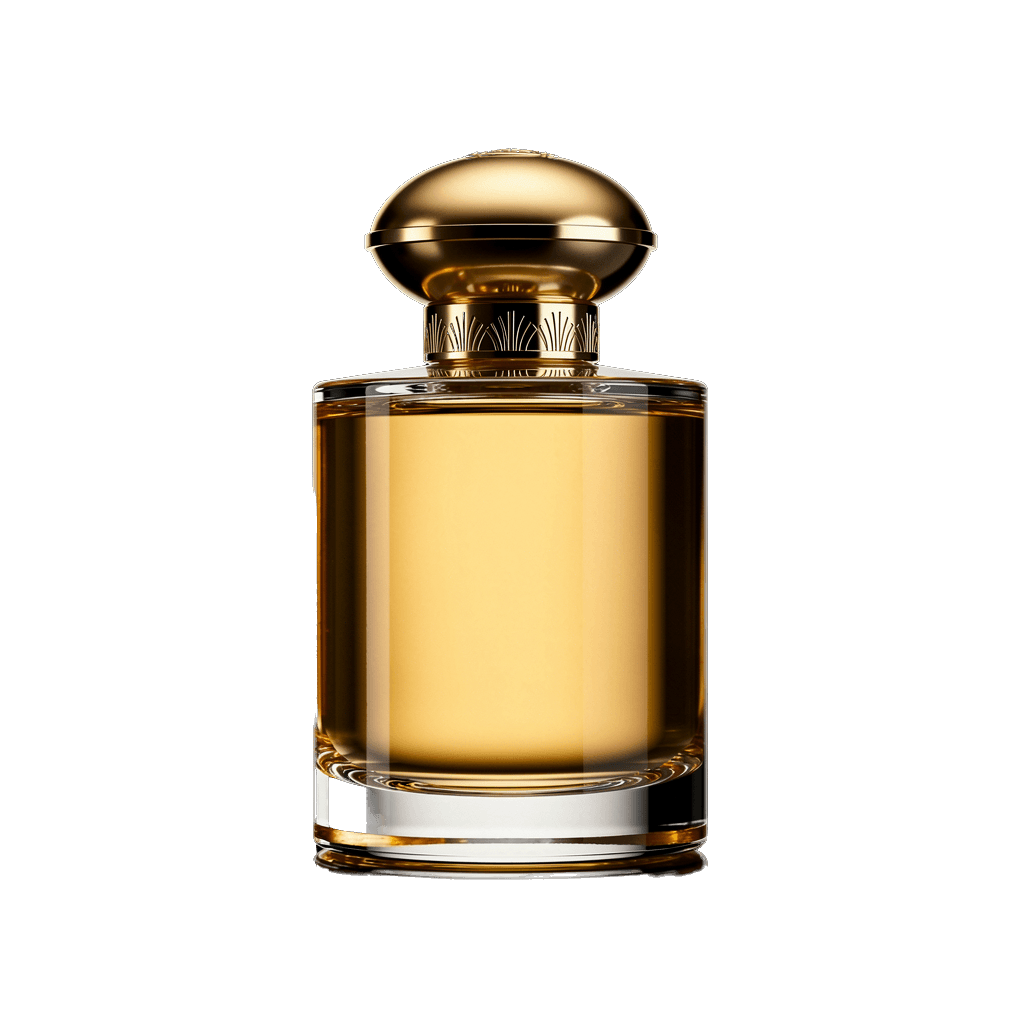
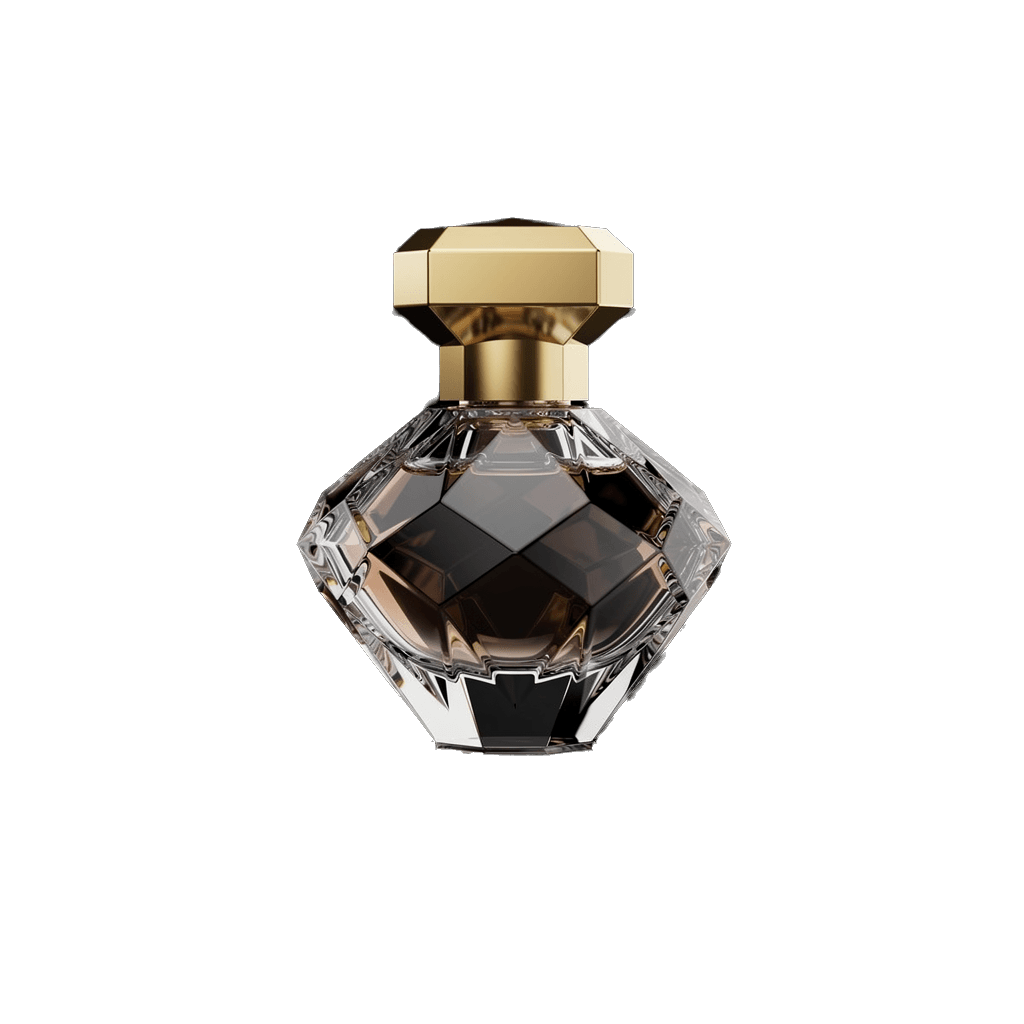
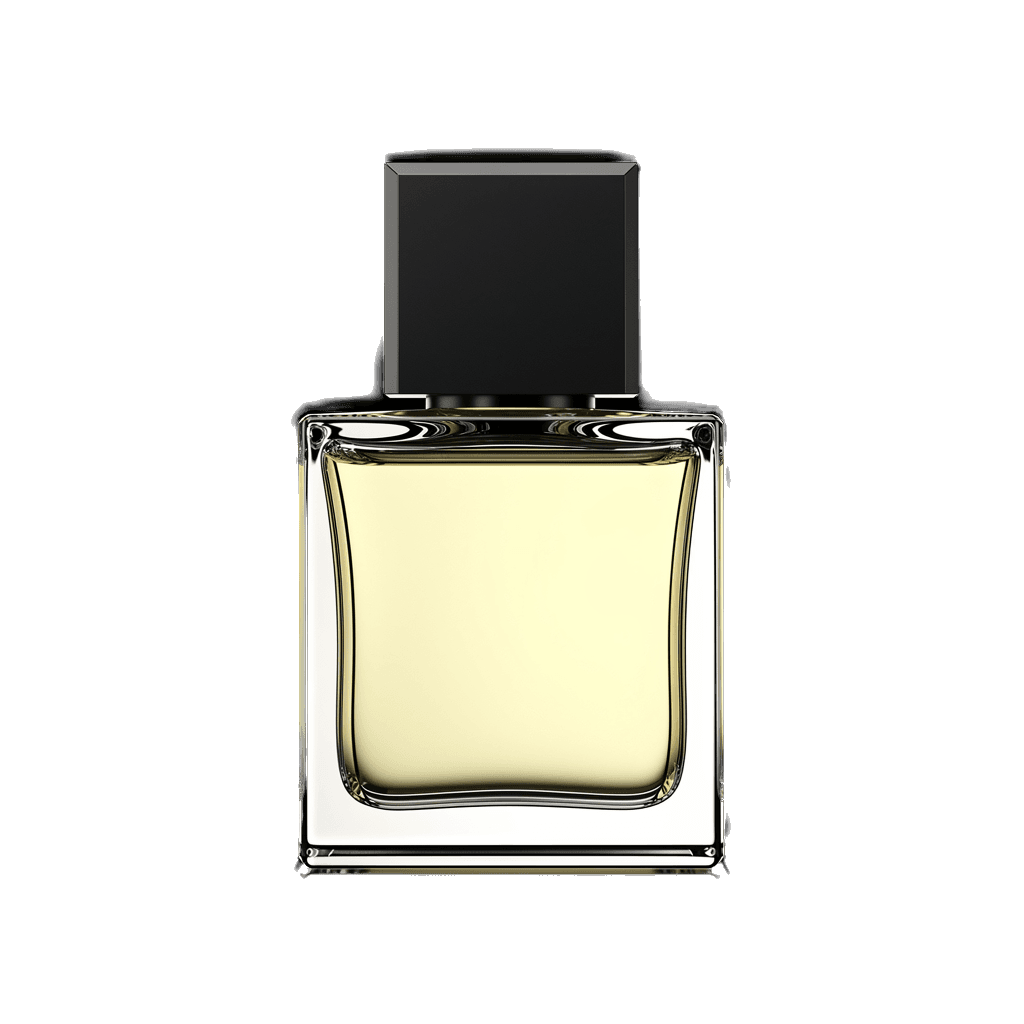
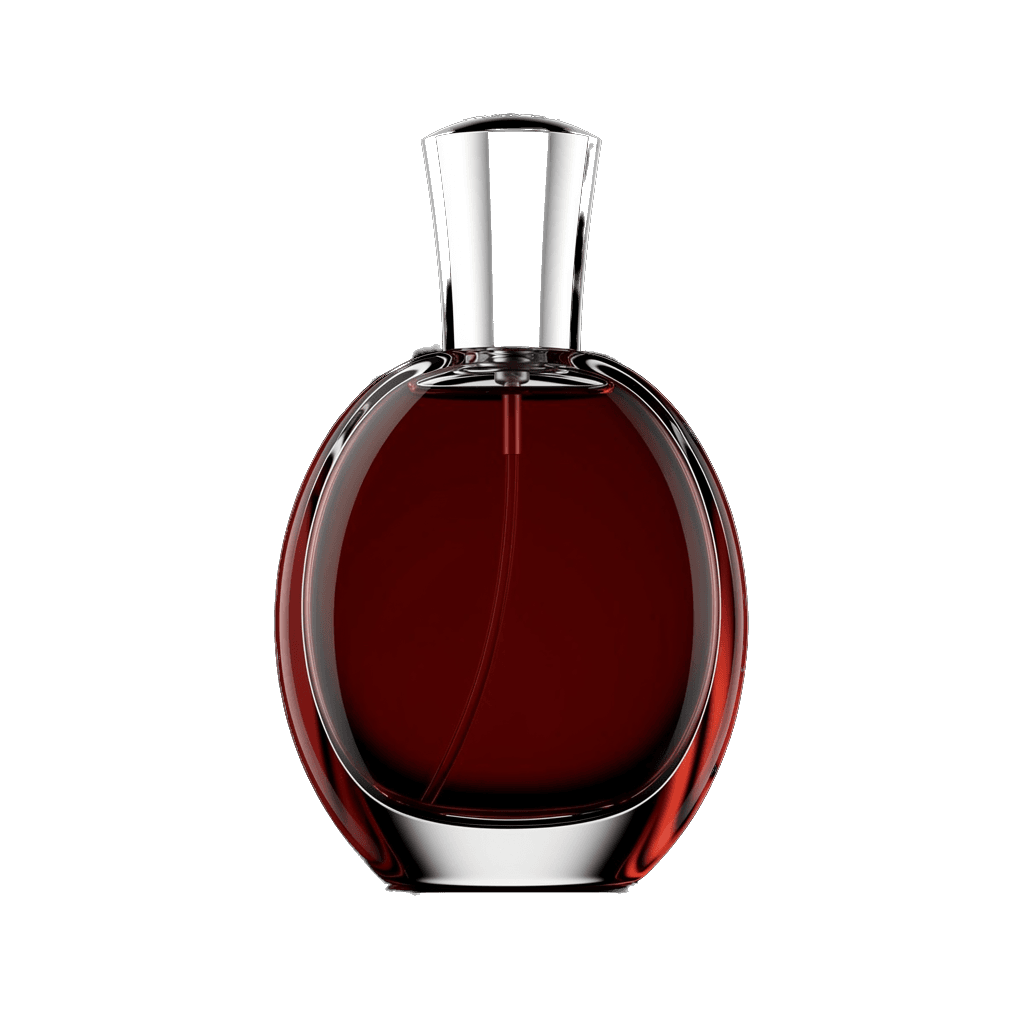
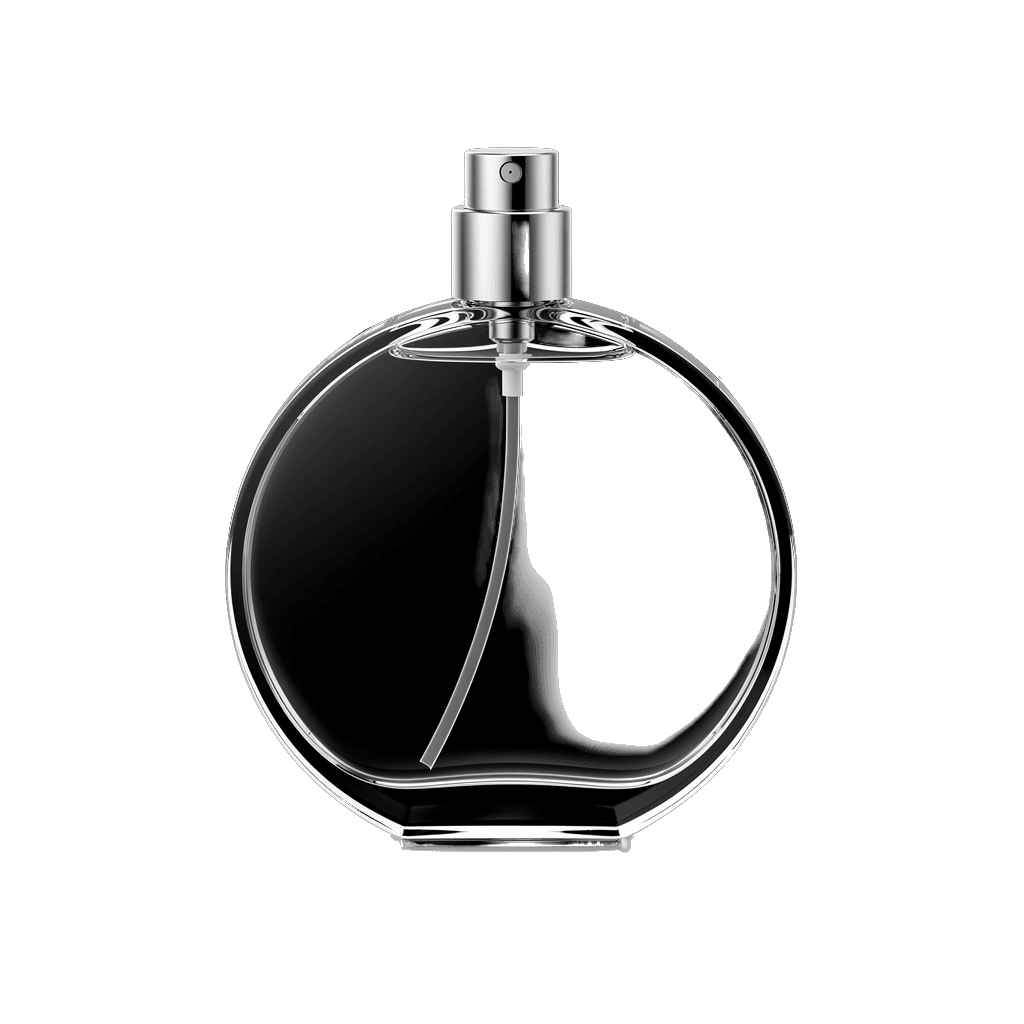
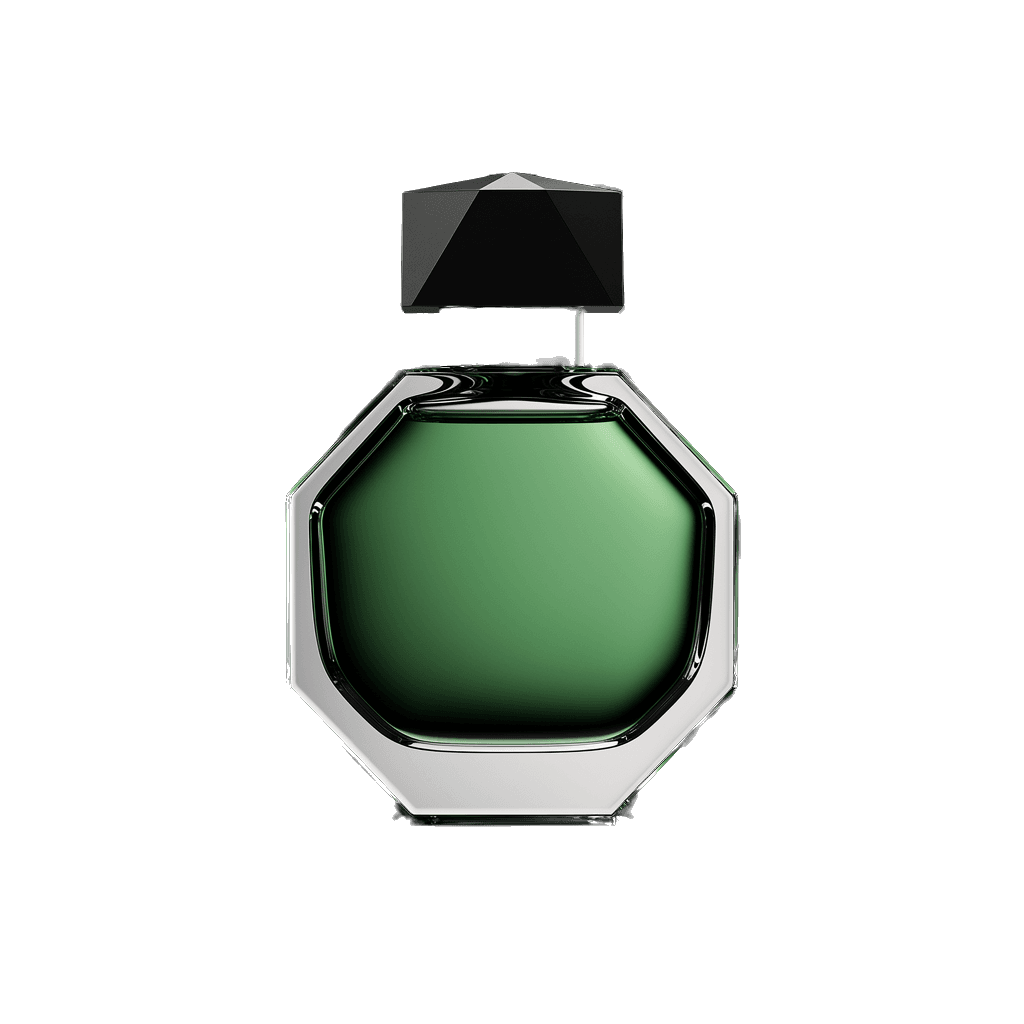
Visually, Blumarine embraces a soft, pastel aesthetic that mirrors its fashion collections. Bottle designs often feature rounded silhouettes, delicate ribbons or subtle embossing that suggest a gentle femininity. The original Blumarine perfume arrived in a frosted glass bottle topped with a pastel pink cap, a look that has been refreshed but never abandoned in later releases. Marketing imagery frequently showcases dreamy settings—sun‑lit gardens, airy interiors and pastel‑washed backdrops—reinforcing the brand’s romantic narrative. Graphic elements on packaging include hand‑drawn floral motifs and the brand’s signature cursive logotype, which appears in a light teal or lavender hue. Seasonal campaigns highlight the interplay between scent and visual storytelling, using soft lighting and fluid motion to convey the idea that fragrance is an invisible accessory. This cohesive visual language extends to retail spaces, where boutique interiors feature plush fabrics, pastel walls and curated displays that invite shoppers to linger and explore the scent journey.
Philosophy
Blumarine approaches perfumery as an extension of its fashion narrative, treating scent as another layer of storytelling. The house believes that fragrance should evoke memory, emotion and a sense of personal wonder. Creative teams select ingredients that reflect the brand’s pastel palette, favouring soft roses, jasmine and light fruits that convey a youthful optimism. Blumarine also values accessibility; the brand aims to offer high‑quality scents at price points that invite a broader audience to experience luxury without pretence. Sustainability has become a growing concern, prompting the house to explore responsibly sourced raw materials and recyclable packaging. By aligning its olfactory creations with a philosophy of gentle elegance and inclusive beauty, Blumarine encourages wearers to celebrate their individuality while feeling connected to a larger, romantic vision.
Key Milestones
1977
Anna Molinari and Gianpaolo Tarabini launch the Blumarine fashion label in Bologna.
1988
Blumarine releases its first fragrance, a soft floral eau de parfum that reflects the brand’s romantic aesthetic.
1996
Blu debuts, introducing a cooler, aquatic dimension to the perfume portfolio.
2000
Blumarine II launches, offering a richer, more sensual interpretation of the original scent.
2010
Bellissima Parfum Intense arrives, blending classic rose with modern gourmand notes.
2016
Blumarine Rosa releases, celebrating the brand’s signature pink hue with a fresh rose‑centric composition.
At a Glance
Brand profile snapshot
Origin
Italy
Founded
1977
Heritage
49
Years active
Collection
2
Fragrances released
Avg Rating
3.8
Community sentiment
Release Rhythm