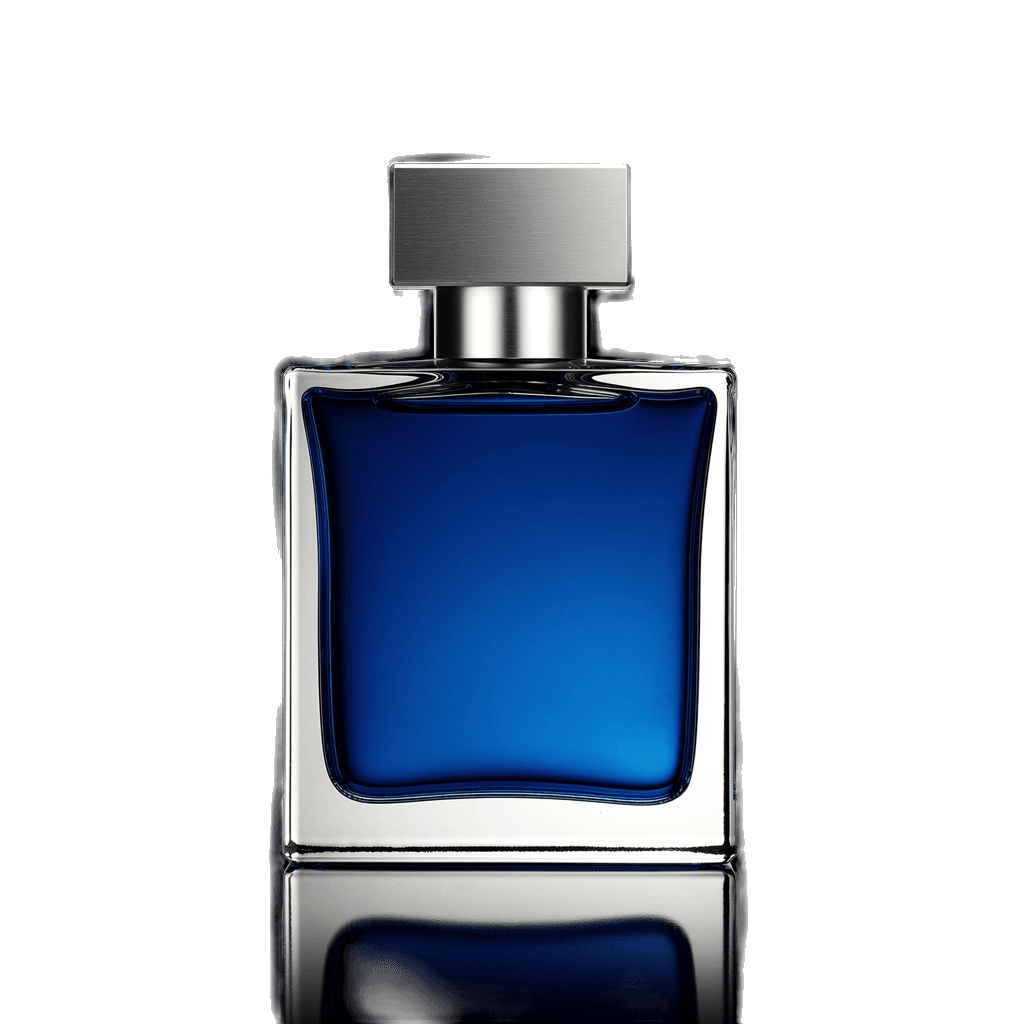
The Heritage
The Story of Bruno Acampora
Bruno Acampora blends Neapolitan flair with a dash of French intrigue, offering perfume lovers a line of hand‑crafted scents that feel both intimate and daring. Each bottle carries the spirit of a 1970s beach conversation, a friendship with icons like Versace and Warhol, and a commitment to pure, unapologetic artistry.
Heritage
Founded in 1974, Acampora Profumi emerged from a chance encounter on the sun‑kissed shores of Saint‑Tropez. Bruno Acampora, then a fashion insider from Naples, met a French sensualist who urged him to translate his love of style into scent. Inspired, Bruno returned to his hometown, opened a modest laboratory in the family’s historic workshop, and began producing fragrances that reflected his Mediterranean roots. The early years saw the brand quickly attract the attention of Italy’s creative elite. Friendships with Gianni Versace and Andy Warhol turned the studio into a gathering place for artists who appreciated Bruno’s willingness to experiment with rare ingredients and bold structures. By the late 1970s, the house released its first signature musks, a nod to the era’s fascination with sensual, long‑lasting accords. Throughout the 1980s and 1990s, Acampora expanded its palette, introducing floral extracts, citrus blends, and woody compositions that retained the founder’s insistence on hand‑blending. The 2000 release of Jasmin T, an extrait de parfum, marked a turning point, showcasing the brand’s capacity to craft complex, layered fragrances without relying on mass‑production shortcuts. In the 2010s the house embraced a new generation of collectors, launching limited editions such as Courser and Ruby. Each launch reaffirmed the original promise made on a French beach: to create perfume as an act of personal expression, not as a commercial commodity. Today, more than four decades later, the Naples laboratory still operates under the same family ownership, preserving the intimate atmosphere that defined its origin.
Craftsmanship
Every Bruno Acampora perfume begins in the family workshop on Via San Gennaro, where master perfumers still weigh raw materials by hand. The house sources natural extracts from Mediterranean orchards, Indian sandalwood forests, and remote amber mines, insisting on traceability and sustainable harvesting. Once the raw notes arrive, artisans blend them in small copper vats, allowing each component to integrate fully before moving to the next stage. The blending process follows a strict schedule: initial maceration lasts several weeks, during which the mixture rests in temperature‑controlled rooms. After this period, the blend undergoes a second refinement, where the perfumer adds fixatives such as natural musks to ensure longevity. The final concentrate is then filtered through fine silk and decanted into glass vessels that have been hand‑polished. Packaging remains an extension of the craft. Bottles are blown in Murano glass, then hand‑etched with the brand’s minimalist logo. Caps are machined from brushed aluminum, providing a tactile contrast to the smooth glass. Each step, from raw material selection to final bottling, reflects the house’s commitment to artisanal precision over industrial shortcuts.
Design Language
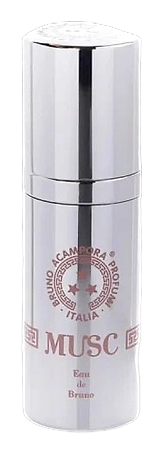
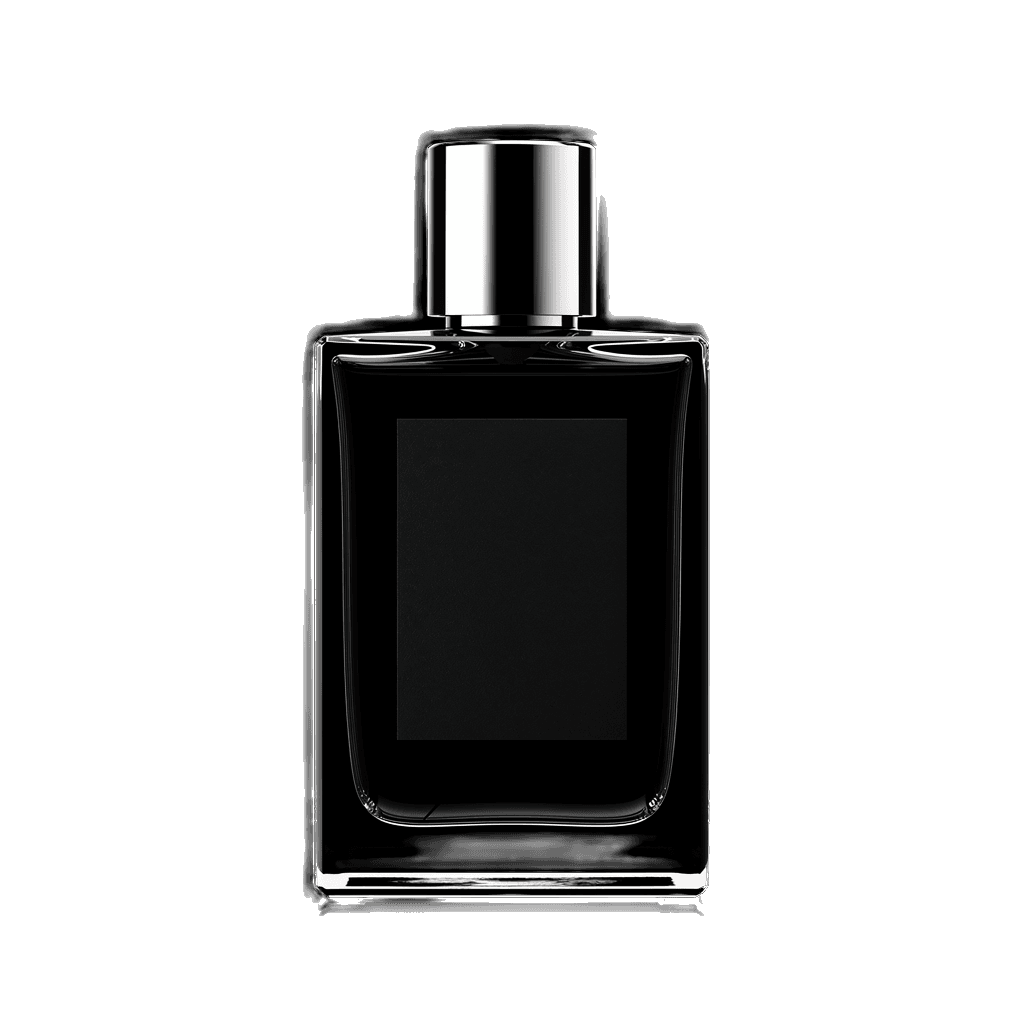
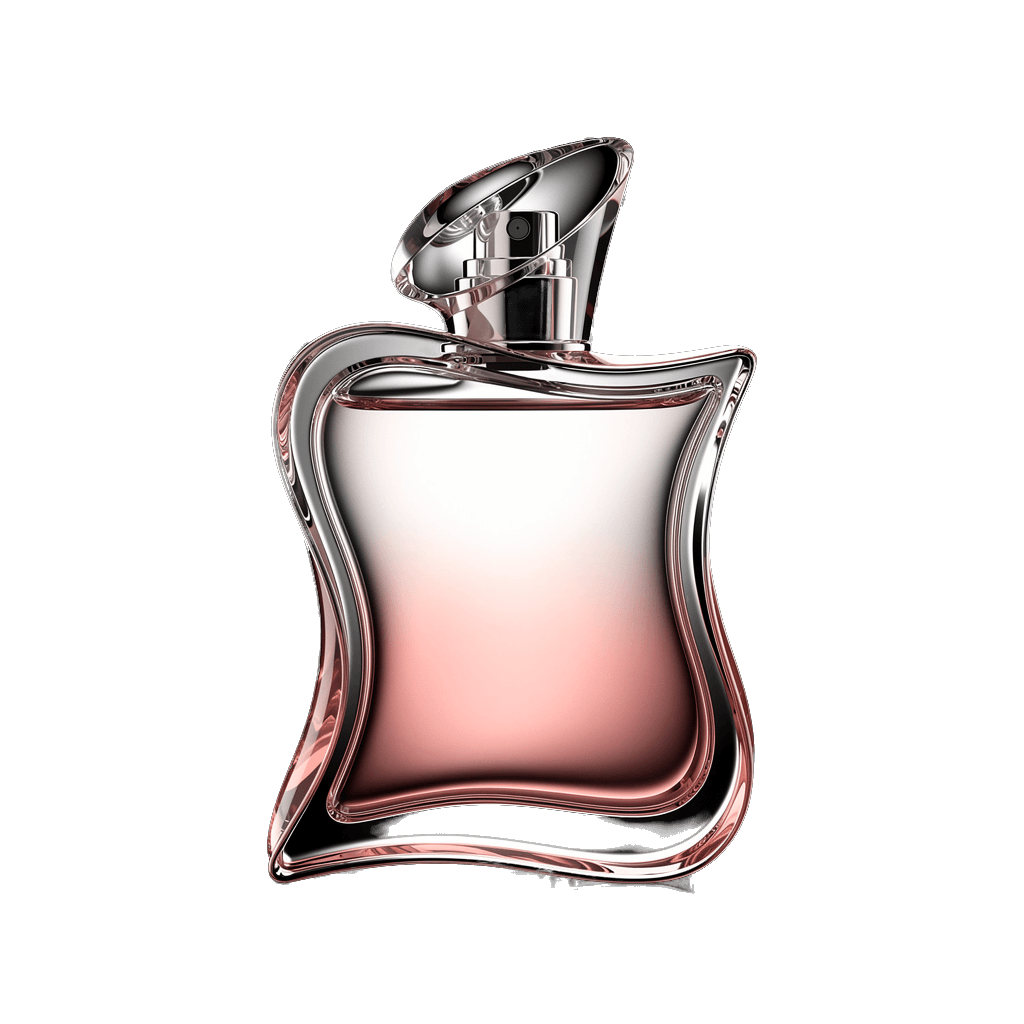
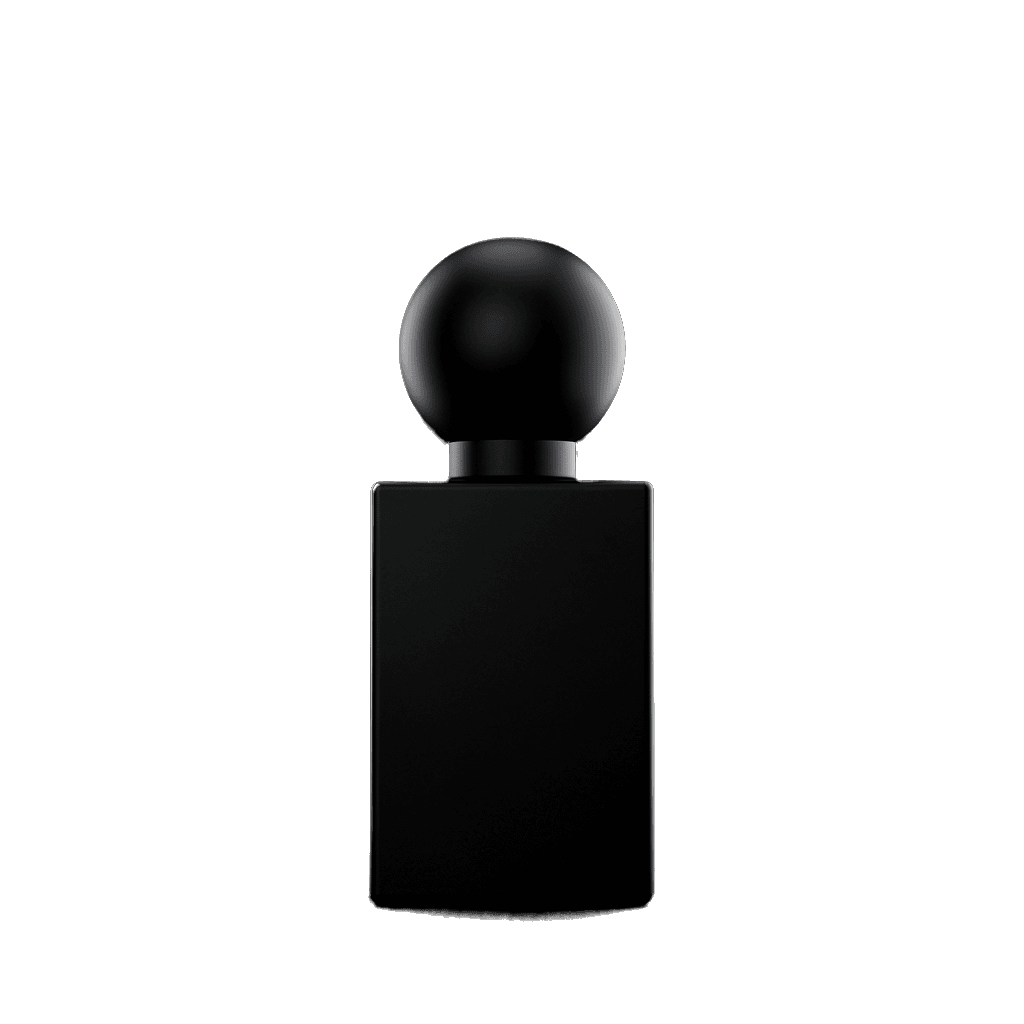
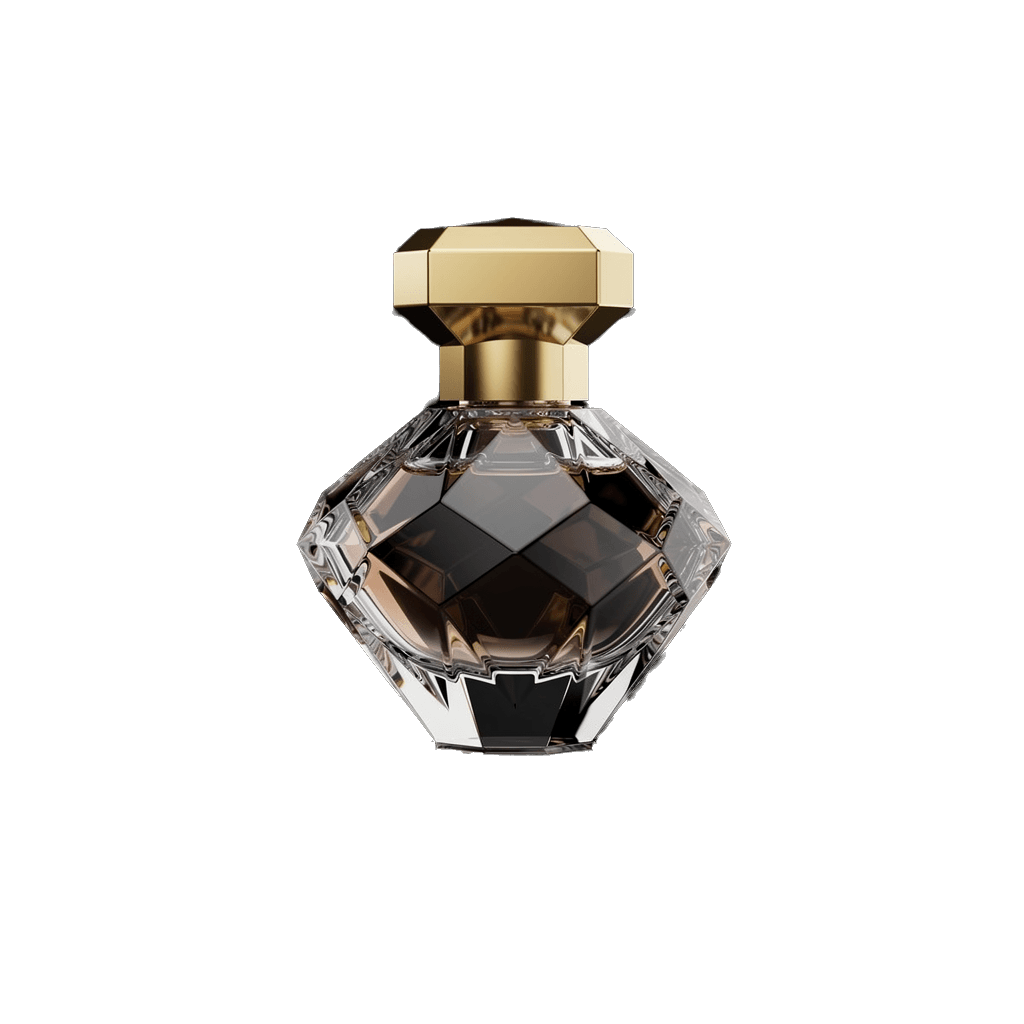
The visual language of Bruno Acampora mirrors its olfactory restraint. Bottles feature clean, rectangular silhouettes that emphasize proportion rather than ornamentation. Transparent glass showcases the perfume’s natural hue, while the subtle amber tint of the cap hints at the warmth inside. Labels employ a crisp, sans‑serif typeface in black or deep navy, allowing the brand name to sit quietly beside the scent’s title. Retail spaces echo this minimalism. Shelves of uniform height display rows of bottles, each illuminated by soft, warm lighting that accentuates the glass. Promotional photography often captures the perfume against muted backdrops—weathered stone walls, sun‑lit terraces, or a single strand of dried rosemary—reinforcing the idea that the scent belongs to everyday elegance rather than theatrical excess.
Philosophy
Bruno Acampora treats perfume as a dialogue between memory and material. The brand believes that scent should capture a moment—whether a summer evening in Capri or the pulse of a Milan runway—and then let the wearer reinterpret it. Rather than following seasonal trends, the house follows a personal compass, choosing ingredients that resonate with the founder’s own experiences. Creativity springs from a respect for tradition paired with a willingness to push boundaries. The house favors rare botanicals, vintage musks, and unconventional accords, arranging them in structures that reveal new facets over time. This approach gives each fragrance a distinct personality, encouraging collectors to view a bottle as a living companion rather than a static product.
Key Milestones
1974
Bruno Acampora opens Acampori Profumi in Naples after Saint‑Tropez inspiration.
1978
First signature musks released, establishing the house’s sensual reputation.
2000
Launch of Jasmin T extrait de parfum, highlighting the brand’s floral expertise.
2016
Introduction of Courser Pure Essence, marking a move toward lighter, modern concentrations.
2019
Release of Bruno Eau de Parfum, a self‑titled scent that celebrates the founder’s personal palette.
2021
Pompeii Red Pure Essence debuts, inspired by the historic city’s vibrant colors.
At a Glance
Brand profile snapshot
Origin
Italy
Founded
1974
Heritage
52
Years active
Collection
1
Fragrances released
Avg Rating
4.2
Community sentiment
Release Rhythm