
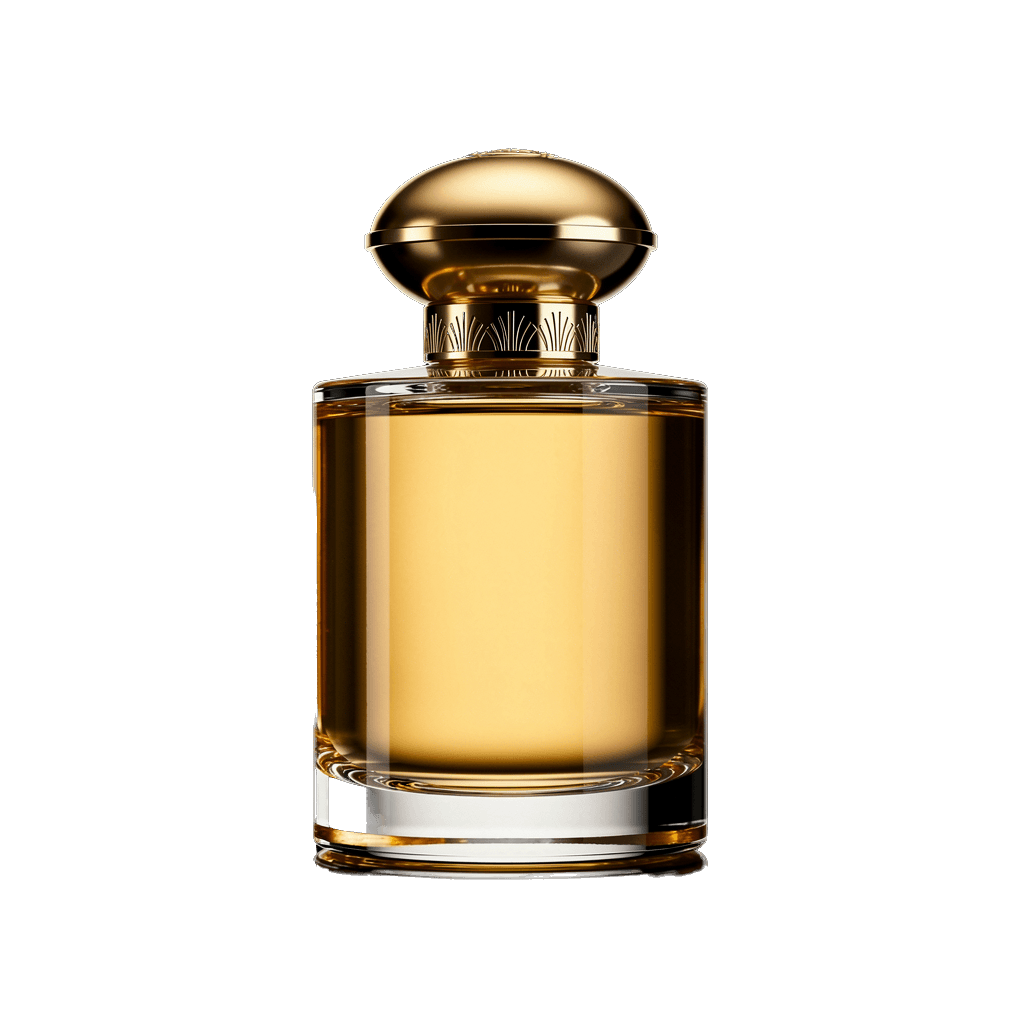
The Heritage
The Story of Byblos
Byblos emerged from 1970s Milan as one of Italy's boldest creative voices, built on the conviction that fashion should feel like freedom. The brand drew its name from the ancient Phoenician port city famous for pottery and glassblowing, a nod to transformation and craft. What began as experimental ready-to-wear quickly became a laboratory for new visual languages, attracting a young Gianni Versace in 1975. Nearly five decades later, the house continues its restless exploration under Manuel Facchini, blending sport-chic energy with futuristic sensibility. Byblos fragrances translate this irreverent spirit into scent, each bottle a chapter in a story written in saturated color and theatrical silhouettes.
Heritage
Byblos arrived in Milan in 1973, created for a generation that wanted fashion to feel bold, colorful, and unconventional. The brand rejected established codes from the start, positioning itself as a platform where emerging designers could experiment freely. The pivotal moment came in 1975, when a young Gianni Versace took creative direction. His early work for Byblos introduced the concept of fashion as visual storytelling, layering graphics, prints, and theatrical silhouettes that captured the cultural shifts of the era. Versace remained until the early 1980s, leaving behind a stylistic language rooted in irreverence and vibrancy. The house then entered a phase of continued experimentation under designers like Guy Paulin, Keith Varty, and Alan Cleaver from 1983 to 1996, establishing Byblos as one of the first Italian brands combining Made in Italy craftsmanship with provocative international design. During this period, the brand expanded beyond clothing into eyewear and fragrances, with the fragrance division partnering with Diana de Silva Cosmétiques Group to launch its first scents around 1990. The 1990s and 2000s saw Byblos strengthening its disruptive identity in global markets. In 2022, Manuel Facchini, a Central Saint Martins graduate, took the helm as CEO and Creative Director, opening a new chapter that integrates technology and artificial intelligence into the brand's creative process while honoring its original spirit.
Craftsmanship
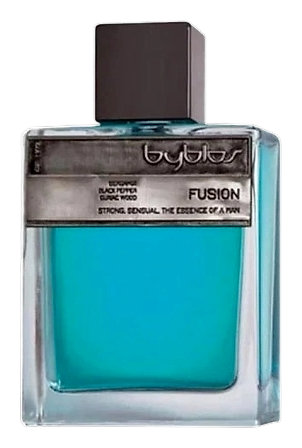
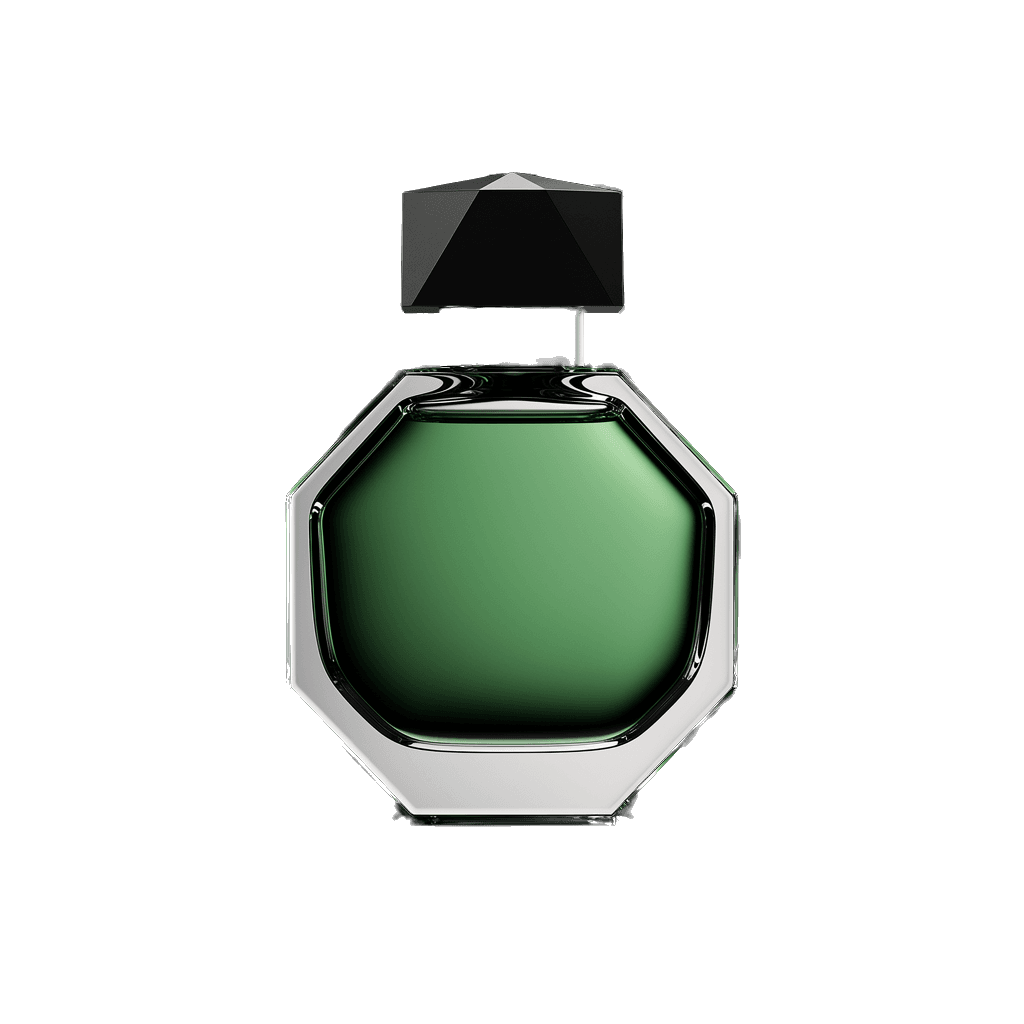
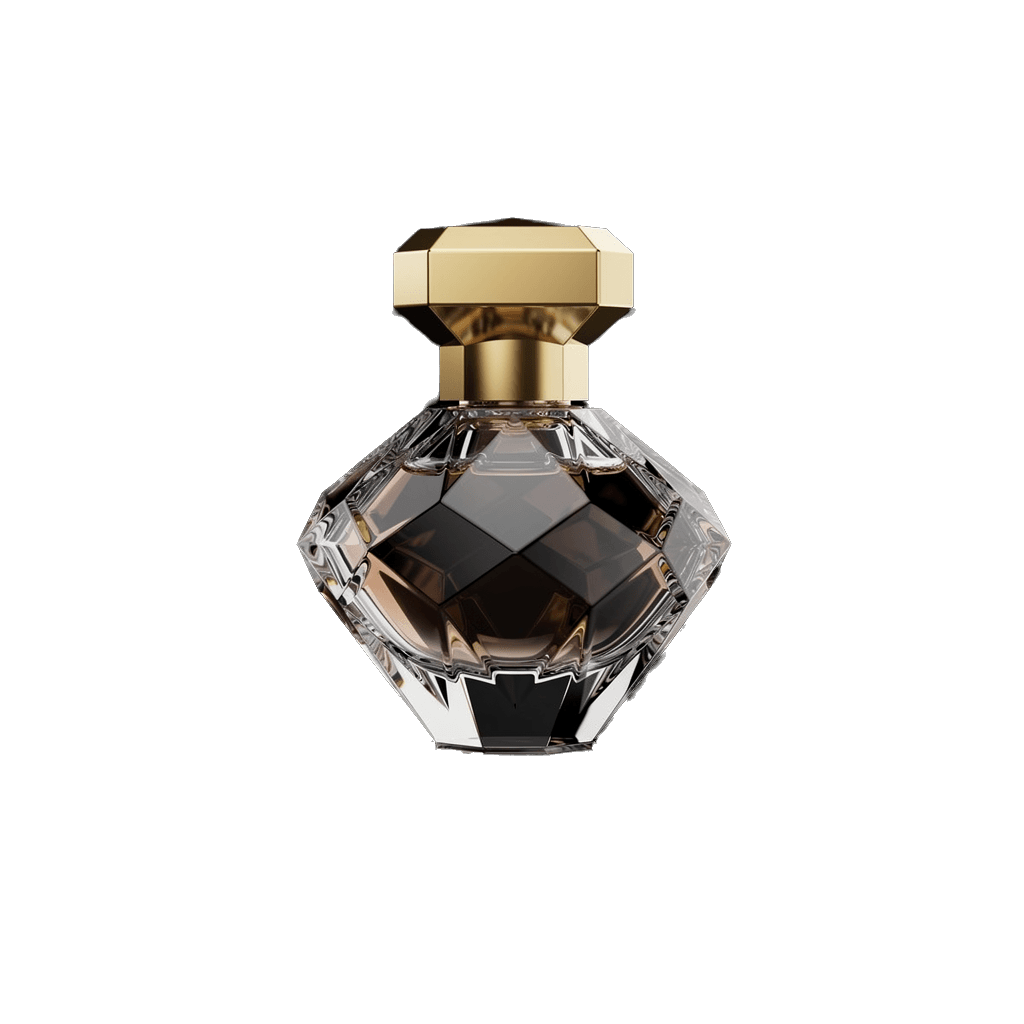
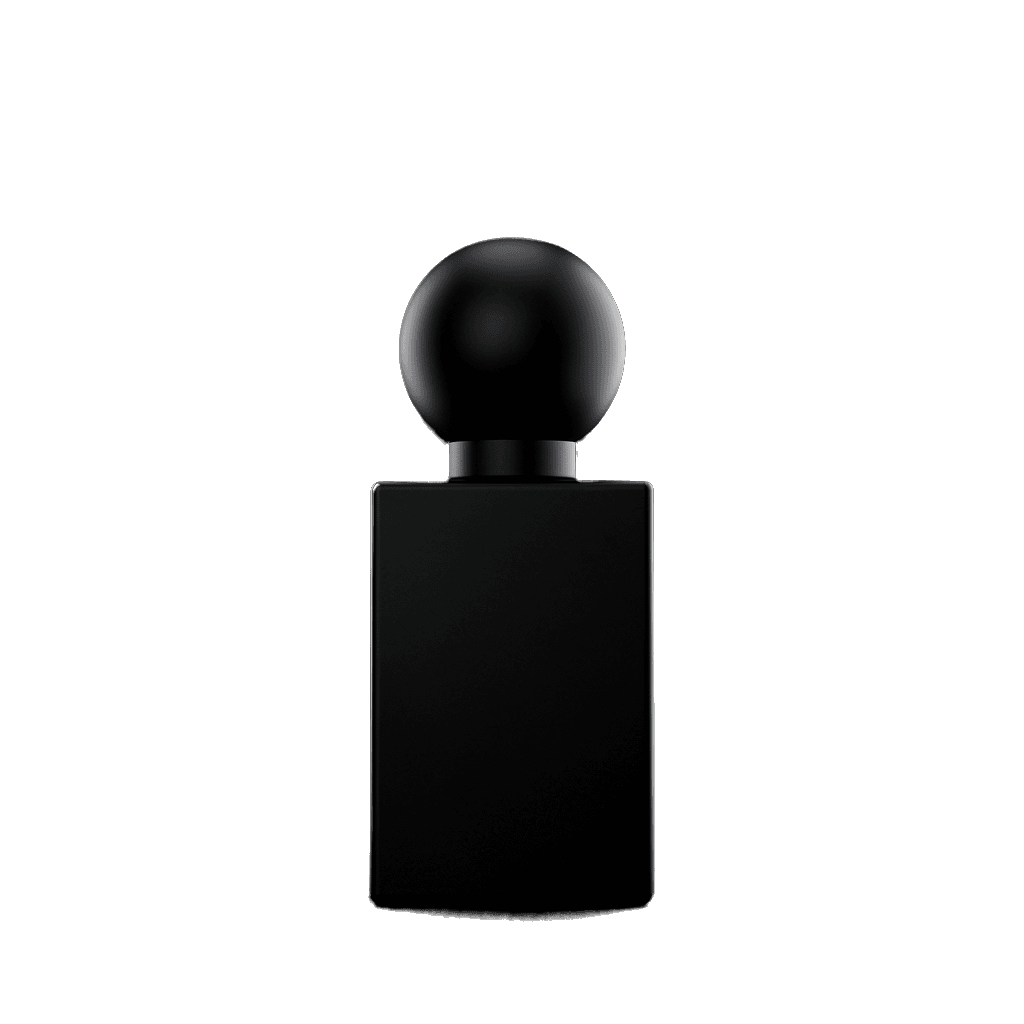
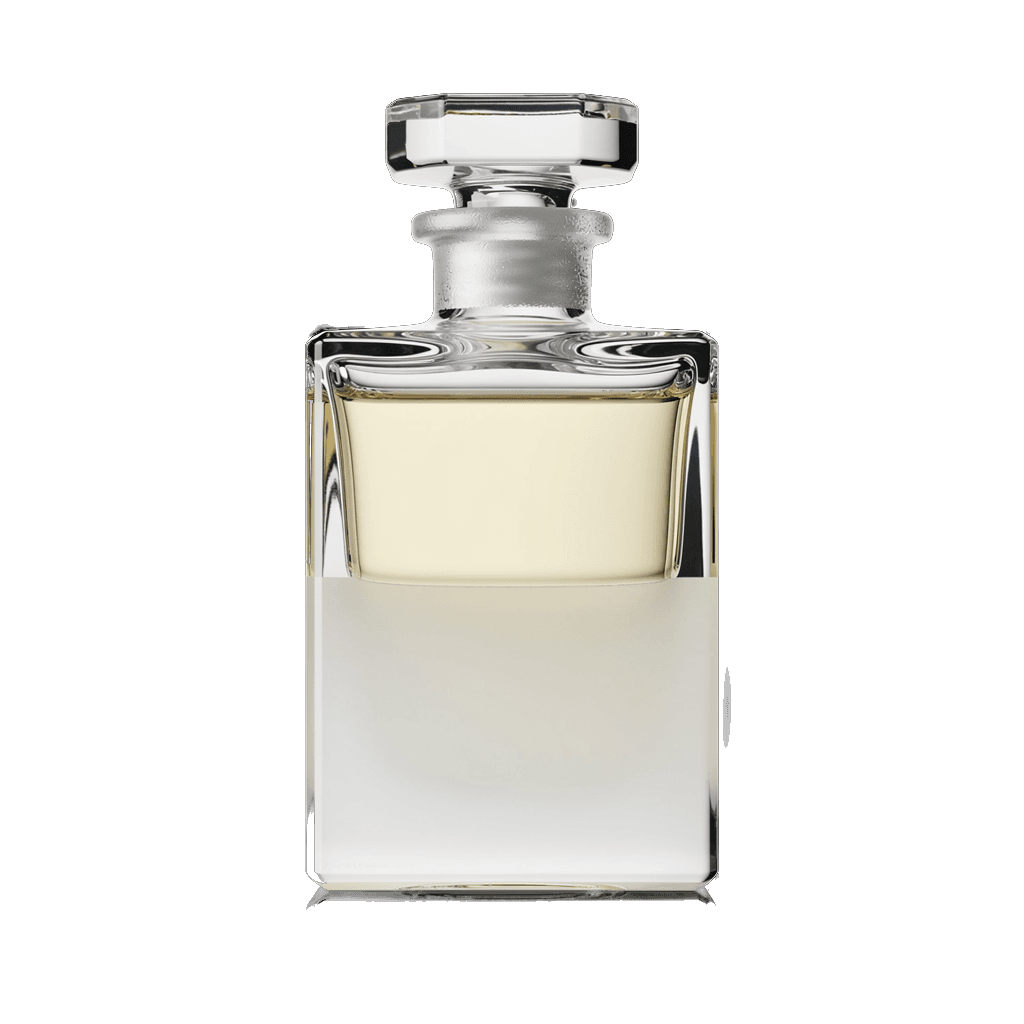
Byblos fragrances emerged in the early 1990s through an association with Diana de Silva Cosmétiques Group, marking the brand's entry into olfactory storytelling. The first women's fragrance, created by Greek-born Paris-based perfumer Ilias Ermenidis, launched in 1993 and established the house's approach to bold, green-woody florals with unexpected contrasts. Perfumes like Byblos Uomo for men arrived in 1995, presenting crisp citric fougère compositions in cylindrical deep blue bottles. The Elemental collection, including Terra, Mare, Fuoco, Ghiaccia, and Breeza, explored contrasting sensory territories through citrus, oriental, and green floral accords. Bottle design for Byblos fragrances draws from the brand's namesake heritage: the original women's fragrance bottle took the shape of a Phoenician amphora with a sculptured desert rose stopper, while the men's line featured Joel Desgrippes-designed cylindrical bottles with starred stoppers bearing the 'B' logo. This attention to vessel design reflects the house's belief that fragrance is a complete sensory and visual experience.
Design Language
The Byblos visual world resists easy categorization. The brand embraces sport-chic and futuristic aesthetics, favoring clean lines interrupted by saturated color and kinetic energy. Contemporary art infiltrates the brand's identity, creating a gallery-like atmosphere across collections and campaigns. Celebrity faces like Winnie Harlow and Cindy Crawford have fronted Byblos eyewear and fragrance campaigns, reinforcing a glamorous yet accessible image. The original fragrance bottles exemplified this approach: deep blue vessels inspired by ancient Phoenician amphorae, topped with sculptural elements that blurred the line between perfume and art object. The brand's Milan headquarters operates from Via Senato in the heart of the city, a location that reflects the house's commitment to Italian heritage while projecting global ambition. Under Manuel Facchini's direction, Byblos has integrated AI into its creative communication, pushing the aesthetic into digital frontiers while maintaining the theatrical spirit established by Versace decades earlier.
Philosophy
Byblos operates from a belief that fashion and fragrance should provoke, not conform. The brand describes its DNA as the fusion of nature and technology, conceived through sport-chic and futuristic design. This tension between organic and hi-tech shapes everything the house produces. Contemporary art and music infiltrate every collection, injecting saturated color and kinetic energy into the fashion landscape. The philosophy centers on transformation rather than permanence, research over repetition. Byblos positions itself as a laboratory before it is a fashion house, a reference point for those seeking alternatives to dominant aesthetics. The name itself carries meaning: Byblos was the ancient Phoenician city where glassblowing was perfected, a place of craft and reinvention. Under Facchini, this experimental mindset extends into digital territory, embracing AI tools in creative and communication processes while maintaining the fearless creativity that defined the house from its founding.
Key Milestones
1973
Byblos founded in Milan as an experimental ready-to-wear brand targeting young, cosmopolitan consumers
1975
Gianni Versace, early in his career, becomes creative director and defines the house's theatrical, print-driven aesthetic
1983
Keith Varty and Alan Cleaver take creative helm, transforming Byblos into an innovation hub blending Italian craftsmanship with provocative international design
1993
First Byblos women's fragrance launches, created by perfumer Ilias Ermenidis, featuring green-woody floral notes in a Phoenician amphora-inspired bottle
1995
Byblos Uomo for men debuts in the US market as the house expands its fragrance portfolio globally
At a Glance
Brand profile snapshot
Origin
Italy
Founded
1973
Heritage
53
Years active
Collection
3
Fragrances released
Avg Rating
4.2
Community sentiment
Release Rhythm