The Heritage
The Story of Cage
Cage is a niche fragrance house that has built a modest but steady catalogue since the late 1990s. The brand releases scents that often reference natural motifs, from the avian-inspired Gray Eagle to the citrus‑bright Orange Tuscans. Its releases span more than two decades, showing a willingness to experiment with both classic structures and contemporary twists. Cage positions itself as a laboratory for scent stories that appeal to collectors who value depth over flash.
Heritage
The earliest documented release from Cage appears in 1997 with a perfume titled Cage For Women. That launch introduced a floral‑amber composition that received modest coverage in specialty perfume blogs. Over the next decade the house expanded its portfolio, adding Master Cage in 2010, a scent that blended woody notes with a hint of spice and signaled a maturation of the brand’s olfactory language. In 2022 the house issued Glance, a minimalist aromatic that attracted attention for its clean, linear approach, marking a shift toward more pared‑back aesthetics. 2024 proved to be a prolific year, with five new releases—Gray Eagle, Regina, Orange Tuscans, Brown Hawk, Purple Sunbird, Green Physant and Blue Jay—each exploring distinct thematic inspirations ranging from birdlife to Mediterranean flora. The brand’s timeline suggests a pattern of steady output rather than rapid expansion, reflecting a focus on craft over mass production. While the company does not publish a detailed corporate history, third‑party fragrance databases record these launch dates, confirming a continuous presence in the niche market for over twenty‑seven years. The house appears to operate from the United States, though precise headquarters information remains limited in public records.
Craftsmanship
Cage formulates its perfumes in small batches, a practice that allows tighter control over quality and consistency. The house sources raw materials from established suppliers in France, Italy and the United States, favoring ingredients that meet strict purity standards. For example, the orange oil used in Orange Tuscans comes from a cooperative in Sicily that follows organic farming guidelines. Synthetic aromachemicals are selected for their stability, ensuring that the scent evolves predictably on the skin. Production takes place in a certified fragrance laboratory that adheres to Good Manufacturing Practices, and each batch undergoes analytical testing for concentration and stability. The brand also employs a decanting process that minimizes exposure to air, preserving the integrity of volatile top notes. Packaging is filled by hand in a climate‑controlled environment, a step that reduces the risk of oxidation. Quality control includes blind panel testing with a rotating group of fragrance enthusiasts, a method that helps maintain a consistent olfactory profile across releases.
Design Language
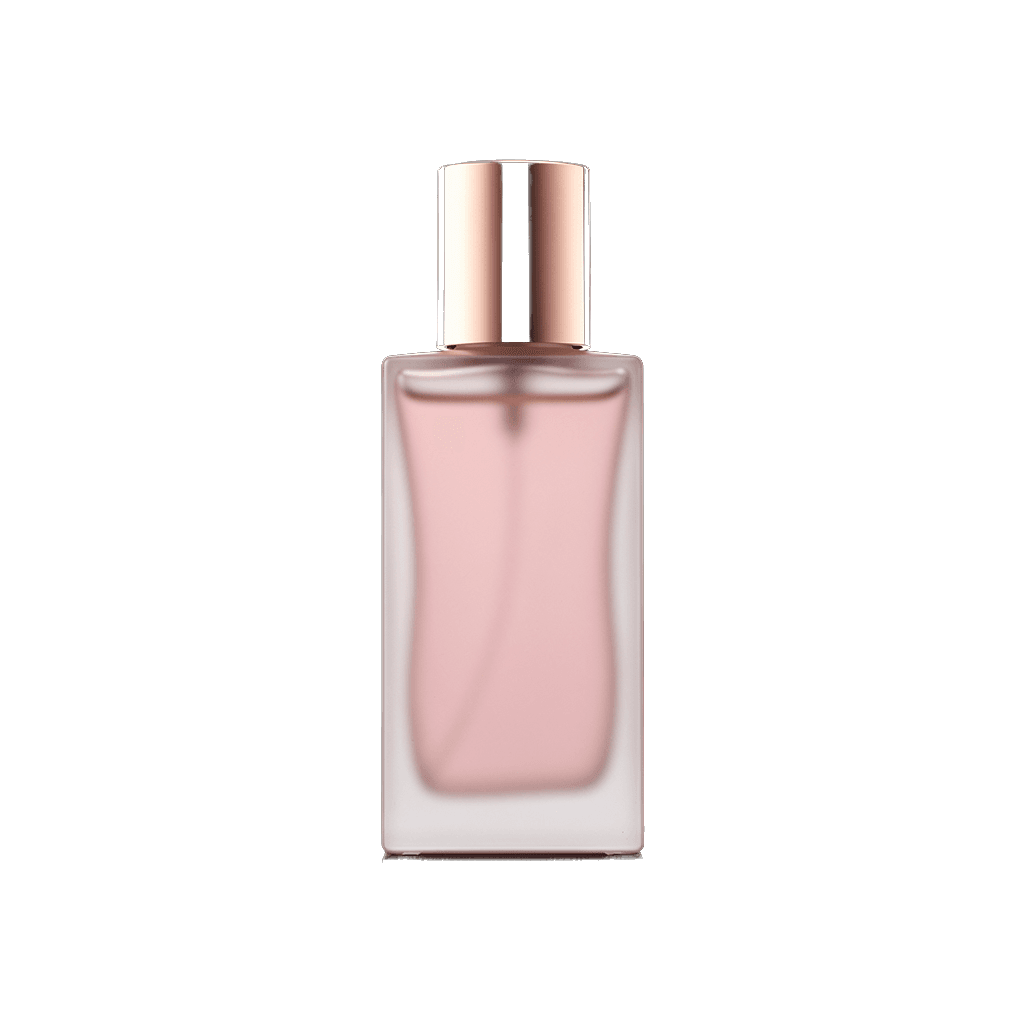
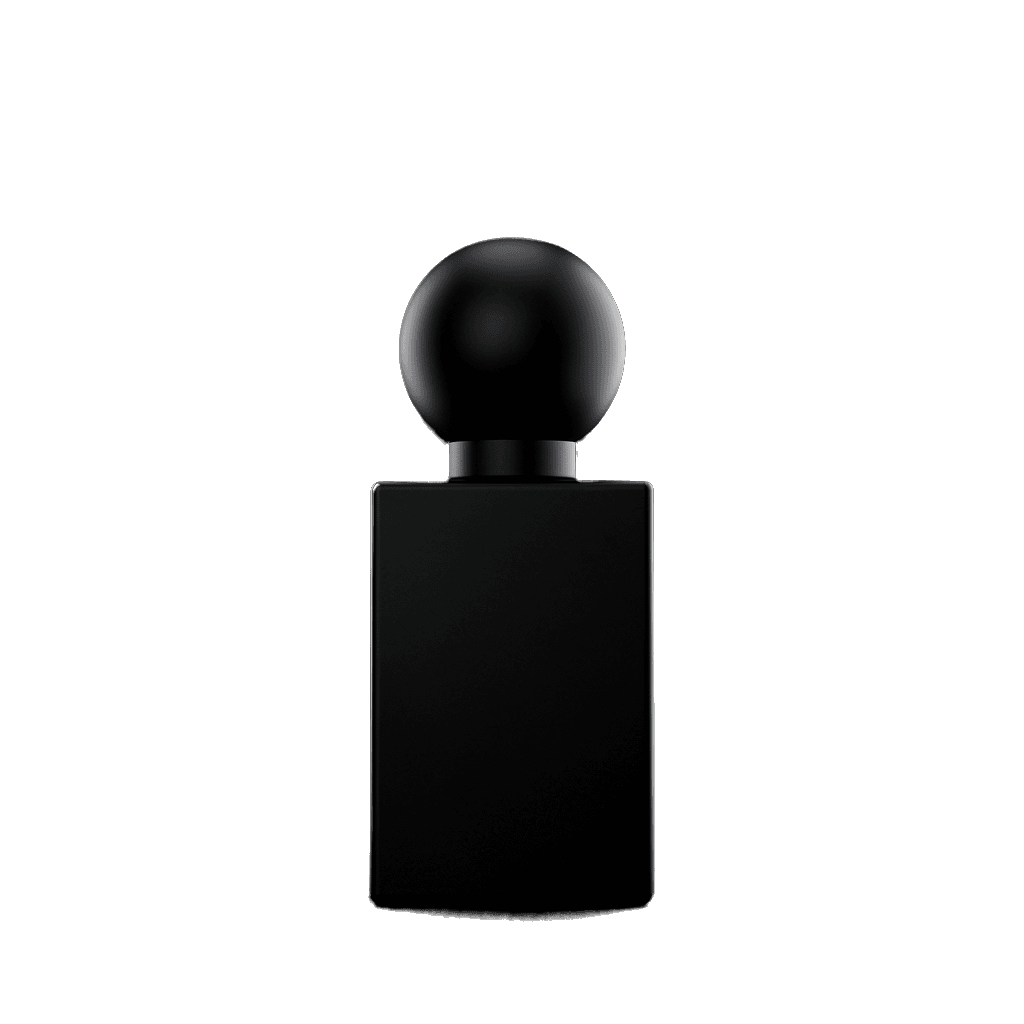
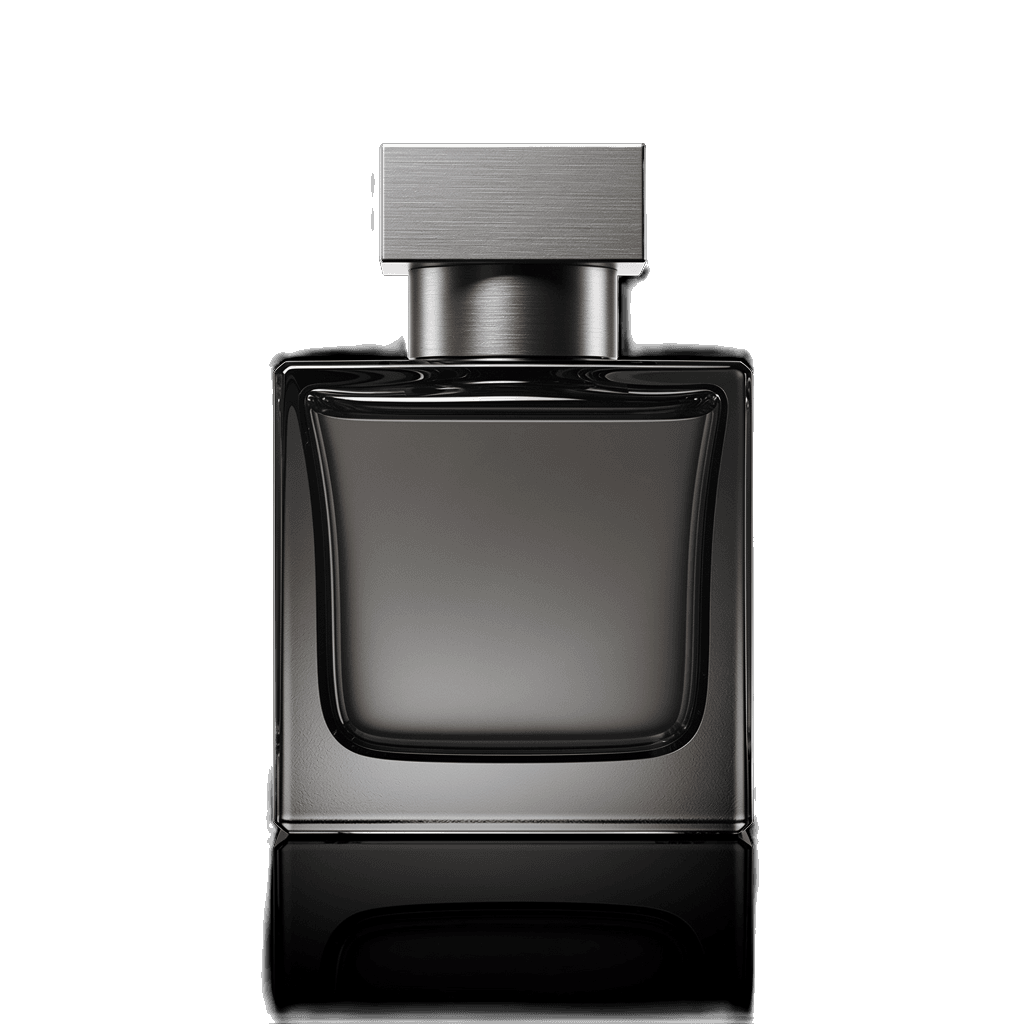
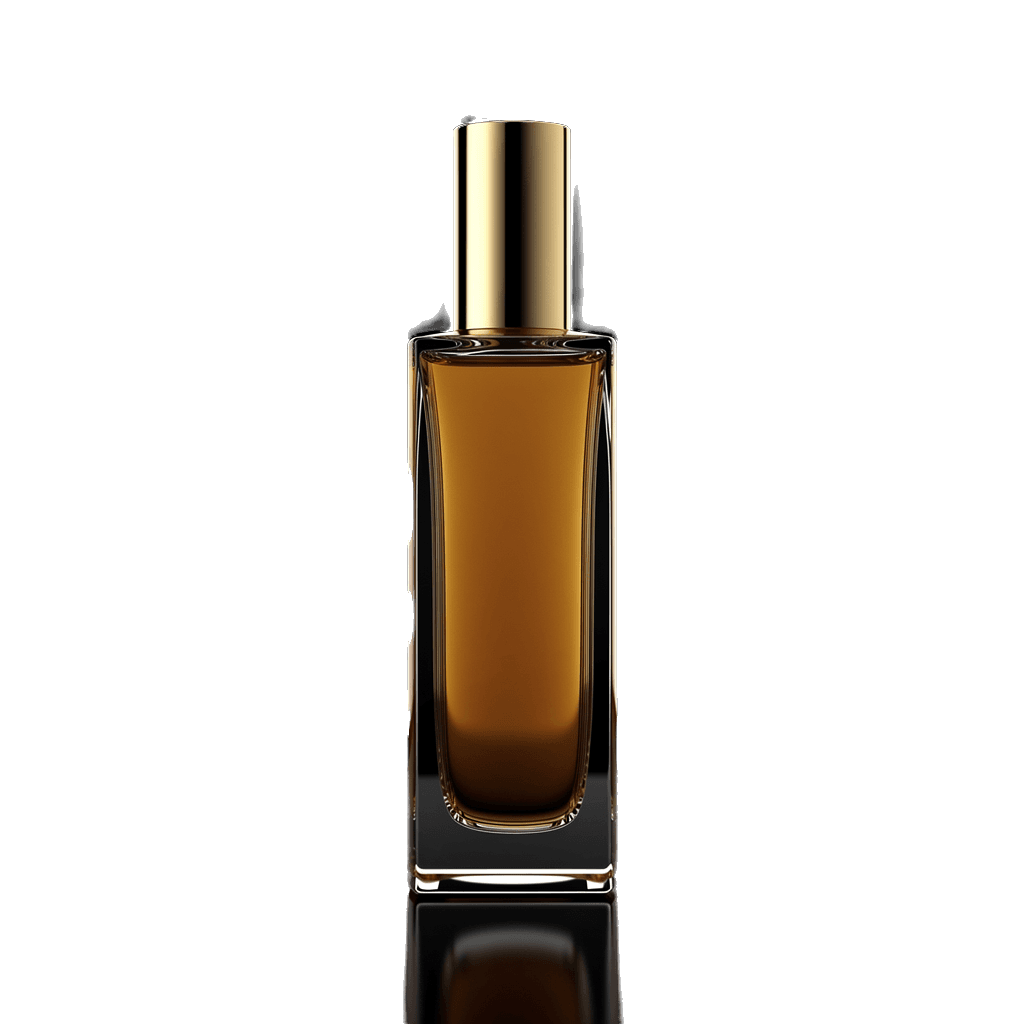
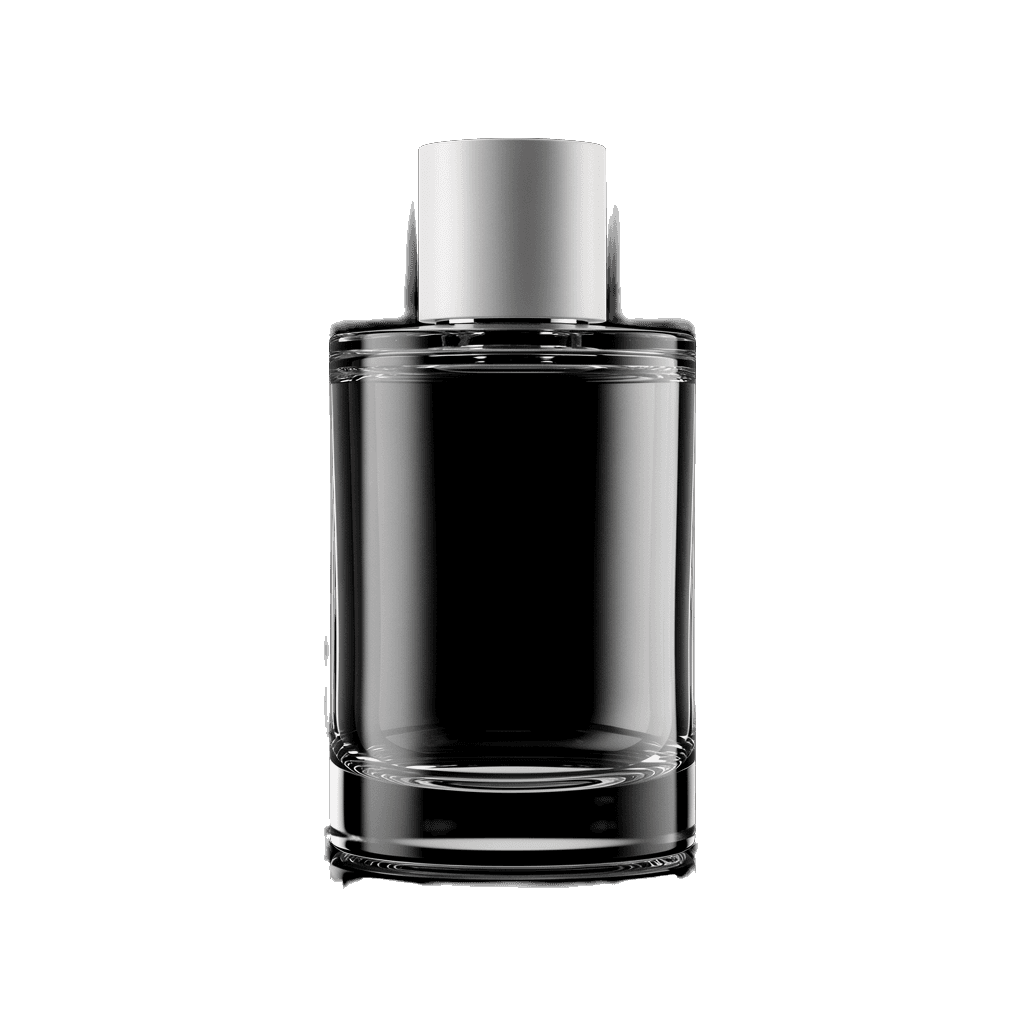
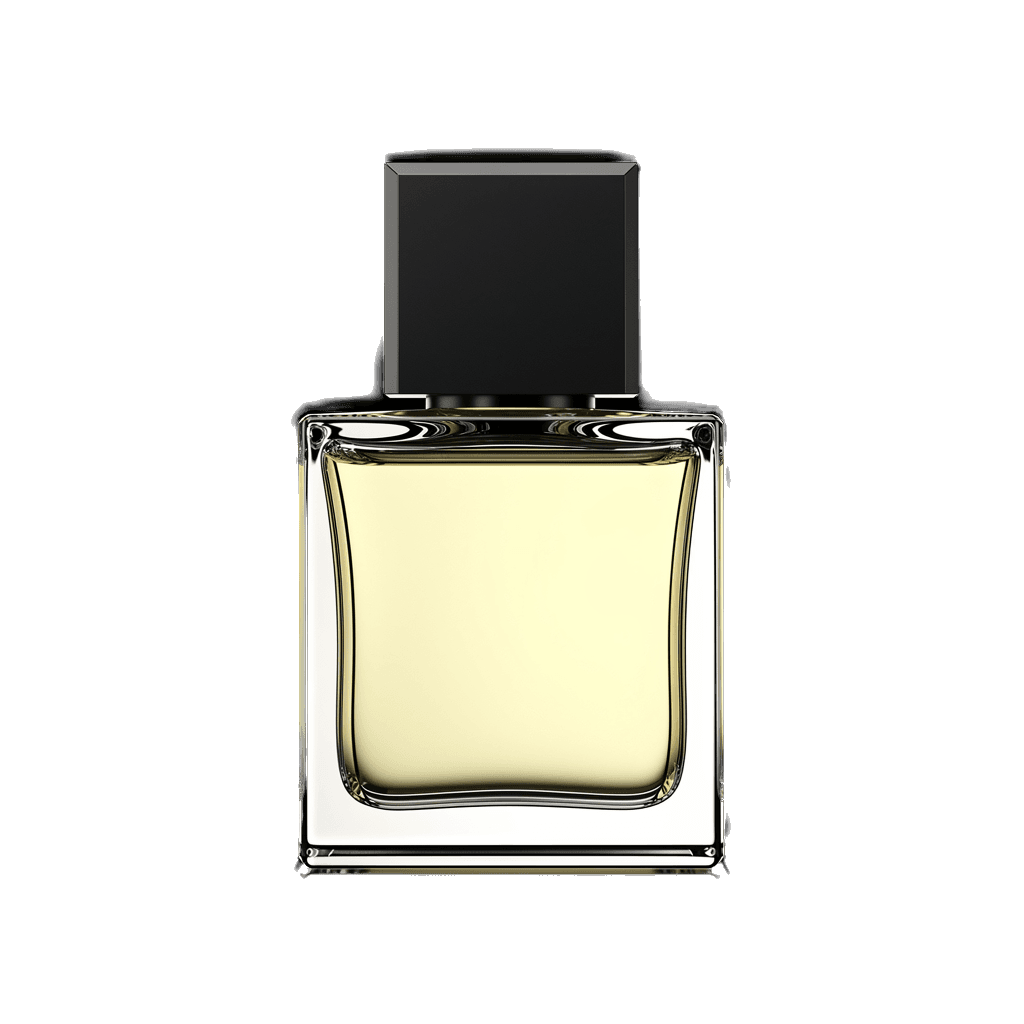
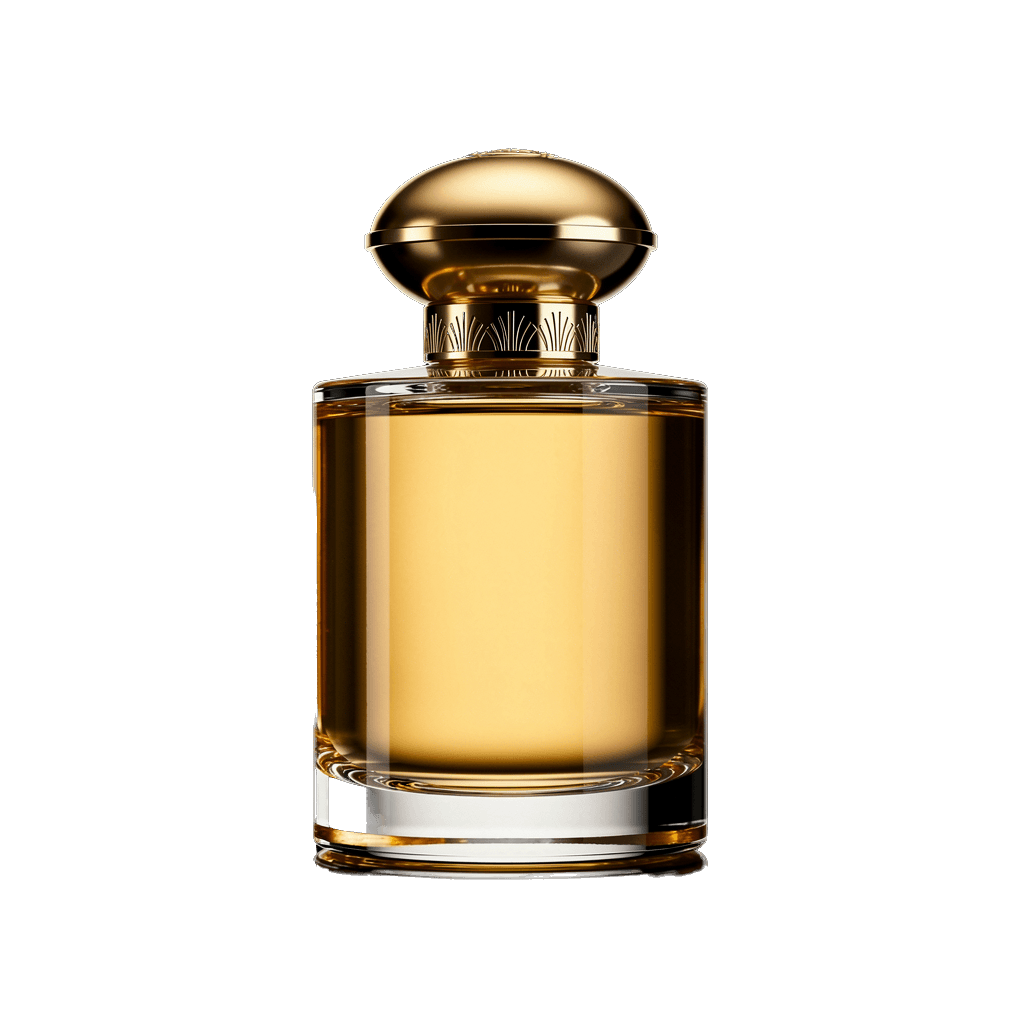
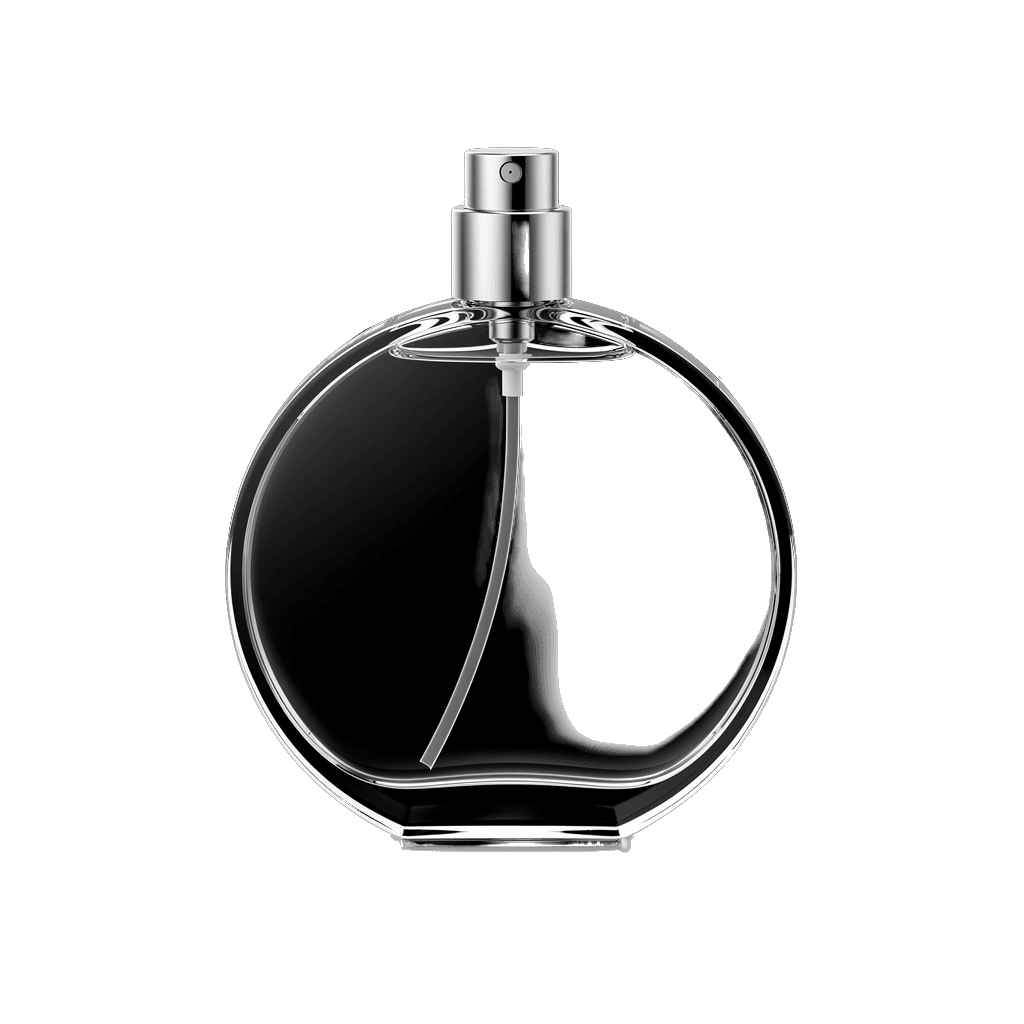
Visually, Cage favors minimalist bottle designs that let the perfume itself take centre stage. Glass vessels are typically clear or lightly tinted, with simple black or metallic caps that convey a sense of understated elegance. Labels feature a clean sans‑serif typeface and often include a small illustration that hints at the fragrance’s theme, such as a stylized bird for Gray Eagle or a sunburst for Purple Sunbird. The brand’s marketing imagery relies on natural photography rather than elaborate studio sets, reinforcing the idea that the scents are rooted in real places. Digital assets maintain the same restrained palette, using muted earth tones and ample white space. This visual consistency helps collectors recognize a Cage product at a glance, while also supporting the brand’s narrative‑driven positioning.
Philosophy
Cage approaches perfumery as a narrative exercise. The brand states that each fragrance should act as a portal to a specific place or moment, whether that is the quiet observation of a bird in flight or the scent of sun‑warmed citrus groves. It favors ingredients that can evoke a clear image, pairing natural extracts with synthetics that enhance longevity without masking the core idea. The creative team, though not publicly named, collaborates with independent perfumers who share a respect for balance and restraint. Cage emphasizes transparency in its ingredient choices, often highlighting the origin of key notes such as Tuscan orange peel or sustainably harvested ambergris substitutes. The brand also promotes a modest, collector‑oriented model, encouraging users to build a personal library of scents rather than chase fleeting trends. This philosophy aligns with the broader niche movement that values authenticity and personal connection over mass appeal.
Key Milestones
1997
Launch of Cage For Women, the brand’s first publicly recorded fragrance
2010
Release of Master Cage, a woody‑spicy composition that marked a stylistic turning point
2022
Introduction of Glance, a minimalist aromatic that signaled a shift toward linear scent structures
2024
A prolific year with seven new releases, including Gray Eagle, Regina, Orange Tuscans, Brown Hawk, Purple Sunbird, Green Physant and Blue Jay
2025
Cage announces a partnership with a sustainable ambergris alternative supplier, reinforcing its commitment to ethical sourcing
At a Glance
Brand profile snapshot
Origin
United States
Founded
1997
Heritage
29
Years active
Collection
1
Fragrances released
Avg Rating
5.0
Community sentiment
Release Rhythm