The Heritage
The Story of Calgon
Calgon began as a water‑softening brand in the United States in 1933 and later expanded into personal care. Today the name appears on a line of bath and body products that blend fragrance with skin‑friendly ingredients. The range includes scents such as Coconut Macaroon, Lavender Vanilla and Turquoise Seas, each designed to turn an ordinary shower into a brief escape. Calgon leverages its legacy of water science to create products that feel clean, fresh and subtly scented, appealing to consumers who value both performance and sensory pleasure.
Heritage
The Calgon brand was launched in 1933 by the Calgon Company, a subsidiary of the American chemical firm Calgon Carbon. Early advertising highlighted the product’s ability to prevent mineral buildup in washing machines and household plumbing. By the 1950s the brand had entered the laundry market, offering a powder that softened water for clothes as well as dishes. In the 1970s Calgon introduced a line of bathroom cleaners, reinforcing its association with a clean home environment. Ownership shifted in 1995 when Reckitt Benckiser acquired the brand, integrating Calgon into a larger portfolio of household and personal‑care products. Around the early 2000s the company announced a bath‑and‑body extension, positioning the new line as an evolution of its water‑care expertise into the realm of skin care. The launch featured fragrances that evoked marine and tropical themes, reflecting the brand’s historic focus on water. In 2015 Calgon released a series of limited‑edition scents, including Coconut Macaroon, Marshmallow, Lavender Vanilla, Red Velvet, Turquoise Seas, Mango Peach and Cotton Candy, each packaged in sleek, recyclable bottles. The brand’s heritage remains rooted in a scientific approach to water treatment, while its modern extensions aim to deliver a sensory experience that complements daily routines. Over the decades Calgon has maintained a presence in both the household and personal‑care sectors, illustrating a rare continuity of purpose across product categories.
Craftsmanship
Production begins with a review of raw materials sourced from certified suppliers. Calgon works with fragrance houses that provide detailed ingredient disclosures, allowing the brand to select aroma chemicals that meet strict skin‑safety standards. Each scent is formulated in a laboratory that tests for pH balance, stability and compatibility with the brand’s water‑softening base. The company uses a blend of synthetic and natural notes, ensuring consistency across batches while reducing reliance on scarce natural resources. Bottles are manufactured in facilities that follow ISO 9001 quality‑management protocols; every container undergoes a leak‑test and a visual inspection before filling. The filling line operates under controlled temperature and humidity to preserve fragrance integrity. After packaging, products are subjected to a panel of dermatologists who verify that the formulas are non‑irritating for typical skin types. Calgon also conducts a life‑cycle assessment for each product, measuring water usage, carbon emissions and end‑of‑life recyclability. This data informs continuous improvement, such as reducing the thickness of plastic caps or switching to post‑consumer recycled PET for the bottle body. The brand’s commitment to rigorous testing and responsible sourcing reflects its original promise to protect household water systems, now extended to protect the skin.
Design Language
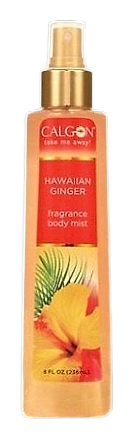
Visually, Calgon leans on a palette of soft blues, whites and muted turquoise, colors that recall clear water and sky. The bottle silhouette is slender and slightly tapered, allowing it to sit comfortably on a bathroom shelf while catching the eye. Labels feature clean, sans‑serif typography paired with subtle wave motifs that hint at the brand’s water heritage. Each fragrance edition introduces a small accent color—peach for Mango Peach, coral for Coconut Macaroon—providing a visual cue to the scent profile without overwhelming the overall minimal design. The packaging is made from recyclable PET, and the cap is a matte‑finished plastic that resists fingerprints. Marketing imagery often shows droplets or ripples in motion, reinforcing the idea of a refreshing splash. The brand’s website mirrors this aesthetic, using ample white space, high‑resolution product photography and short, confident copy that reads like a conversation with a trusted friend. This cohesive visual language helps Calgon stand out on shelves that are crowded with more ornate perfume bottles, positioning the line as a modern, understated alternative for everyday luxury.
Philosophy
Calgon’s creative vision rests on the idea that water is a conduit for feeling good. The brand believes that a well‑softened shower can lift the spirit, so it builds fragrance collections that echo the clarity and calm of clean water. Sustainability guides ingredient choices; Calgon prefers naturally derived aroma compounds that biodegrade easily. The company values transparency, publishing safety data for each skin‑contact product and inviting consumer feedback through its website. Rather than chasing fleeting trends, Calgon seeks timeless scent profiles that pair well with everyday routines. The brand also emphasizes accessibility, pricing its bath‑and‑body line so that a pleasant fragrance does not feel like a luxury purchase. By aligning its heritage of water science with a modern sensibility toward well‑being, Calgon aims to make each bathing moment feel like a brief retreat without compromising on performance.
Key Milestones
1933
Calgon brand introduced as a water‑softening product in the United States.
1950
Expansion into laundry detergents and household cleaners.
1995
Reckitt Benckiser acquires Calgon, integrating it into a global consumer‑goods portfolio.
2002
Calgon announces a bath‑and‑body line, extending its water‑care expertise to skin care.
2015
Release of limited‑edition fragrance collection featuring Coconut Macaroon, Lavender Vanilla, Turquoise Seas and other scents.
2021
Introduction of recycled‑PET bottles for all bath‑and‑body products, aligning packaging with sustainability goals.
At a Glance
Brand profile snapshot
Origin
United States
Founded
1933
Heritage
93
Years active
Collection
1
Fragrances released
Avg Rating
4.1
Community sentiment
Release Rhythm