The Heritage
The Story of Calvin Klein
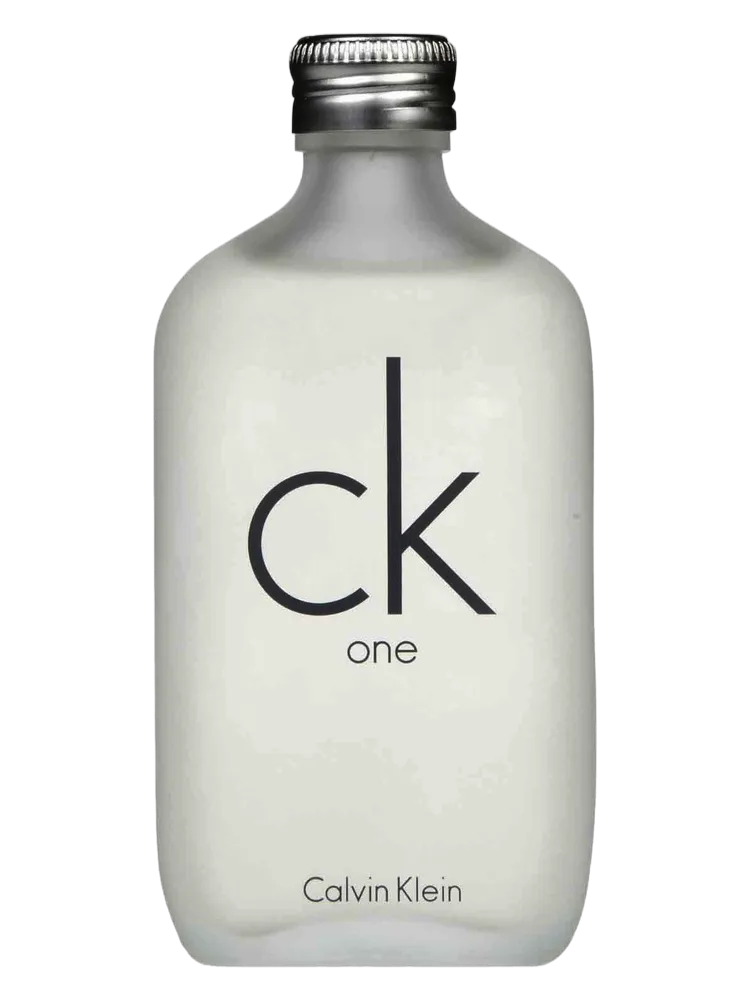
Calvin Klein is an American fashion house with roots in New York City's coat trade. Founded in 1968 by designer Calvin Klein and Barry Schwartz, the company rose to prominence through its minimalist aesthetic, form-fitting denim, and designer underwear lines. The brand entered the fragrance world in the late 1970s and built one of the most recognizable mass-market perfume portfolios in fashion. CK One, launched in 1994, became a cultural landmark as one of the first unisex fragrances, reshaping how the industry approached gender and scent. Today Calvin Klein perfumes remain available globally through department stores and specialty retailers, with fragrance licensing managed by Coty Inc. since 2005.
Heritage
Calvin Klein was born on November 19, 1942, in the Bronx, New York. In 1968, he and his childhood friend Barry Schwartz launched Calvin Klein Ltd., a modest coat shop operating from the York Hotel in New York City. The pair invested $10,000 to get the business off the ground. Klein's talent for clean, modern design quickly attracted a following, and within a few years the brand had moved beyond coats into sportswear and denim. By the early 1970s, Calvin Klein was gaining recognition for its minimalist sensibility, particularly after features in magazines like Vogue established the designer's reputation for understated elegance. The company's fragrance division launched in 1978 with Calvin Klein for Women, followed by a men's counterpart in 1981. The Obsession fragrance, arriving in 1985, represented a pivotal moment: Klein reportedly spent $13 million promoting it, a record figure at the time, and the campaign featuring Kate Moss stirred public debate over its provocative imagery. A second blockbuster, Eternity, followed in 1988 with Christy Turlington as its face, shot by Richard Avedon. The company passed into the hands of PVH Corp. in 2003, ending Klein's personal involvement with the brand he created.
Craftsmanship
Specific details about Calvin Klein's fragrance production process, including perfumer identities, ingredient sourcing locations, and exact formulation methods, are not extensively documented in publicly available sources. The fragrance lines have been produced under licensing agreements, first with Unilever-owned Calvin Klein Cosmetics Company and then with Coty Inc. following its 2005 acquisition of the fragrance business. This licensing structure means the perfumery work itself has been contracted to external fragrance houses, consistent with the practice common among fashion conglomerates. The brand's perfumes generally feature fresh, woody, and floral compositions, reflecting an overall signature described as clean and sophisticated. Without independent verification of individual perfumer credits or specific raw material origins, this section reflects the documented brand direction and general fragrance character rather than confirmed production specifics.
Design Language
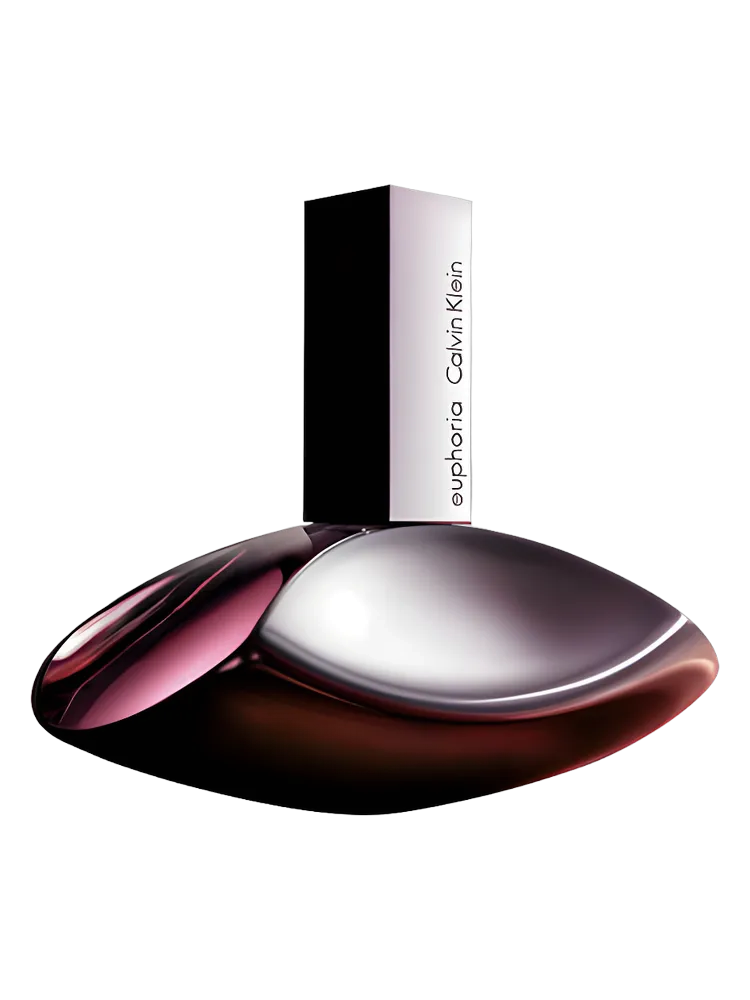
The "ck" monogram is among the most immediately recognizable emblems in American fashion. Applied to packaging, bottles, and advertising across decades, it functions as a visual shorthand for the brand's streamlined identity. Calvin Klein's fragrance bottles have generally adhered to the same minimalist vocabulary as the broader brand: unadorned shapes, restrained labeling, and an emphasis on the logo mark. The visual campaigns, however, have been anything but understated. From Kate Moss for Obsession to Christy Turlington for Eternity and subsequent models and artists, Calvin Klein advertising has frequently pushed cultural boundaries, generating both attention and controversy. The brand's overall image balances clean, modern packaging with a deliberately provocative tone in its communications, a tension that has defined the Calvin Klein aesthetic across fashion and fragrance alike.
Philosophy
Klein repeatedly articulated a commitment to purity and directness in design. "Pure, simple, modern is what I do best," he once stated, a philosophy that translated seamlessly into his fragrance lines. The brand has consistently pursued a clean, sophisticated aesthetic that avoids excess, favoring restraint across both fashion and scent. Calvin Klein fragrances tend to group into two broad families: the romantic, seductive collection lines and the more democratic ck-fragrance offerings designed for shared use. Urban lifestyle underpins the brand's fragrance direction, with scents intended to evoke freedom, authenticity, and a sense of modern inclusivity. CK One's development in particular reflects this ethos, built around the idea of breaking down gender barriers in perfumery and appealing to a broad, contemporary audience without distinction.
Key Milestones
1968
Calvin Klein and Barry Schwartz launch Calvin Klein Ltd., a coat shop in New York City's York Hotel, with $10,000 in capital.
1978
The brand enters the fragrance market with the launch of Calvin Klein for Women, its first perfume.
1985
Obsession fragrance debuts, backed by a reported $13 million promotional budget and a controversial advertising campaign.
1994
CK One launches, becoming one of the first widely marketed unisex fragrances and a cultural touchstone for the decade.
2003
PVH Corp. acquires Calvin Klein, bringing the brand under corporate ownership and ending the founder's operational involvement.
2005
Coty Inc. of New York purchases the fragrance licensing agreements from Unilever, assuming responsibility for Calvin Klein fragrance production and distribution.
At a Glance
Brand profile snapshot
Origin
United States
Founded
1968
Heritage
58
Years active
Collection
2
Fragrances released
Avg Rating
3.8
Community sentiment
Release Rhythm