

The Heritage
The Story of Carta
Carta is a boutique fragrance house that builds each scent by hand, using ingredients chosen for their ecological footprint as well as their olfactory character. Based in San Francisco, the label offers a small, rotating catalogue that includes Immortelle 43 (released in 2020) and Moena 12 (launched in 2017). The brand’s voice is rooted in sustainability, and every bottle is presented as a pure parfum meant to work on a wide range of skin chemistries. By keeping production limited and transparent, Carta positions itself as a laboratory for curious noses who value both scent and stewardship.
Heritage
The story of Carta begins with Heather D'Angelo, a musician, ecologist, and trained perfumer who relocated to San Francisco in the mid‑2010s. After years of experimenting with natural extracts in her home studio, D'Angelo formalised the venture as a perfume house sometime around 2016, a date corroborated by the appearance of the brand’s first public release, Moena 12, in 2017. Early on, the label attracted attention from niche‑culture publications; a feature in Vogue highlighted the brand’s commitment to hand‑crafted, low‑impact production, while Vanity Fair and Forbes later ran profiles that emphasized the founder’s dual background in ecology and music. These pieces helped cement Carta’s reputation as a small but serious player in the sustainable fragrance movement. In 2018 the house introduced its first limited‑edition series, a set of scents numbered to reflect the concentration of aromatic material (e.g., Immortelle 43, where the number denotes the percentage of pure perfume oil). The numbering system signalled a shift toward transparency, allowing customers to understand the intensity of each offering without marketing jargon. By 2020, Carta’s catalogue had expanded to include a handful of additional pure parfums, each released in small batches to preserve quality and reduce waste. Throughout its development, Carta has maintained a collaborative approach, inviting botanists, chemists, and fellow perfumers to test raw materials and refine formulas. The brand’s modest scale has allowed it to adapt quickly to new sustainability standards, such as sourcing certified‑organic essential oils and employing recyclable glass for its bottles. While the house remains independent, it has partnered with a few boutique retailers in the United States and Europe, allowing the scents to reach a wider audience without compromising the core ethos of hand‑made production. As of 2024, Carta continues to release new fragrances on an irregular schedule, each accompanied by a brief narrative that ties the scent to a specific place, memory, or ecological principle. The brand’s trajectory illustrates how a small, purpose‑driven operation can thrive in a market dominated by legacy houses, provided it stays true to its founding principles of ecological responsibility and artisanal craftsmanship.
Craftsmanship
Every Carta perfume is assembled in a modest workshop that blends traditional techniques with modern sustainability standards. Raw materials arrive in bulk, often in recyclable containers, and are stored in temperature‑controlled rooms to preserve their aromatic integrity. When a new scent is scheduled for release, the perfumer creates a small batch of the fragrance oil, typically ranging from 5 to 20 millilitres, to test stability and skin compatibility. The house uses a hand‑pouring method for bottling. Glass vessels are pre‑cleaned, sterilised, and then filled with a measured amount of perfume oil using a calibrated pump. This manual process reduces the need for large‑scale machinery and allows the perfumer to monitor each batch for consistency. After filling, the bottles are capped with recyclable aluminium caps and sealed with a paper‑based label that includes ingredient provenance and oil concentration. Ingredient sourcing follows a strict ethical guideline. Carta works directly with growers in regions such as Grasse, France; the Tuscan hills of Italy; and the highlands of Madagascar. Wherever possible, the brand selects suppliers who practice organic farming, fair‑trade labor, and low‑impact harvesting. For example, the absolute used in Immortelle 43 is derived from flowers cultivated without synthetic pesticides, and the resin in Moena 12 comes from sustainably tapped trees in the Mediterranean. Quality control is performed at three stages: pre‑mix, post‑mix, and final product. In the pre‑mix stage, raw materials are analysed for purity using gas chromatography. After the perfume oil is blended, a small sample is aged for several weeks, then evaluated by the perfumer and a panel of volunteers for scent evolution and skin reaction. The final product undergoes a visual inspection for clarity and a leak test to ensure the bottle seal is intact. Only batches that meet all criteria are released to the market. Packaging reflects the same ethos. The glass bottles are made from recycled material, and the outer boxes are printed on FSC‑certified paper with soy‑based inks. Shipping is conducted using biodegradable cushioning, and the brand encourages customers to return empty bottles for reuse or recycling, offering a modest credit toward future purchases. This closed‑loop approach minimizes waste and reinforces Carta’s commitment to a circular fragrance economy.
Design Language
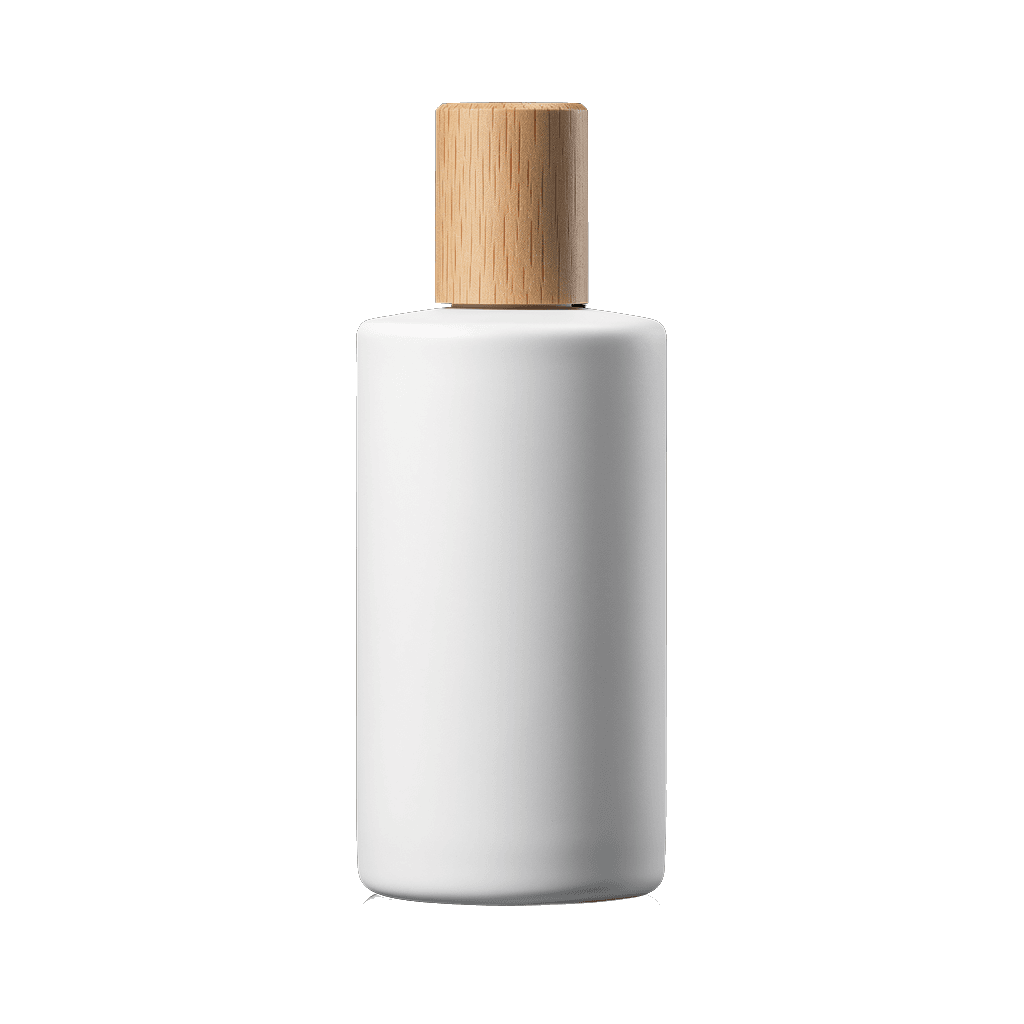
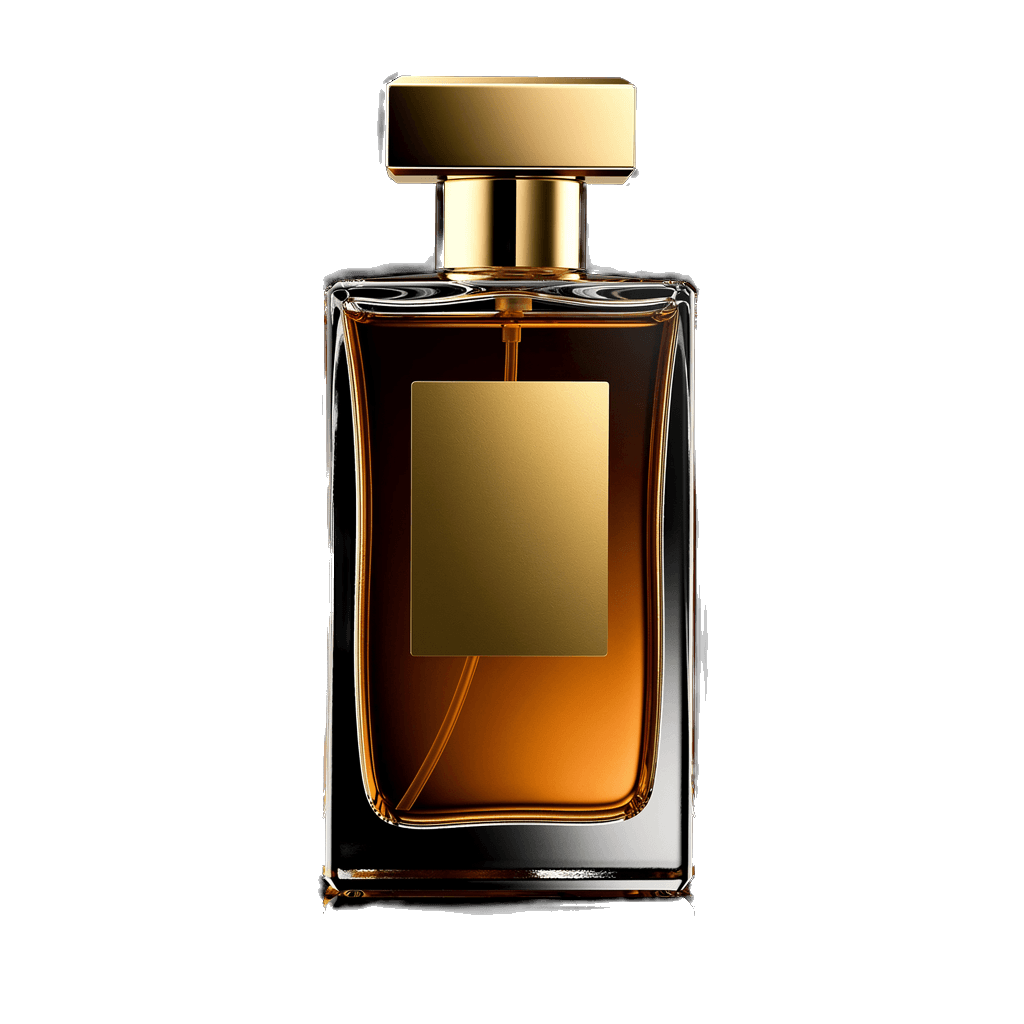
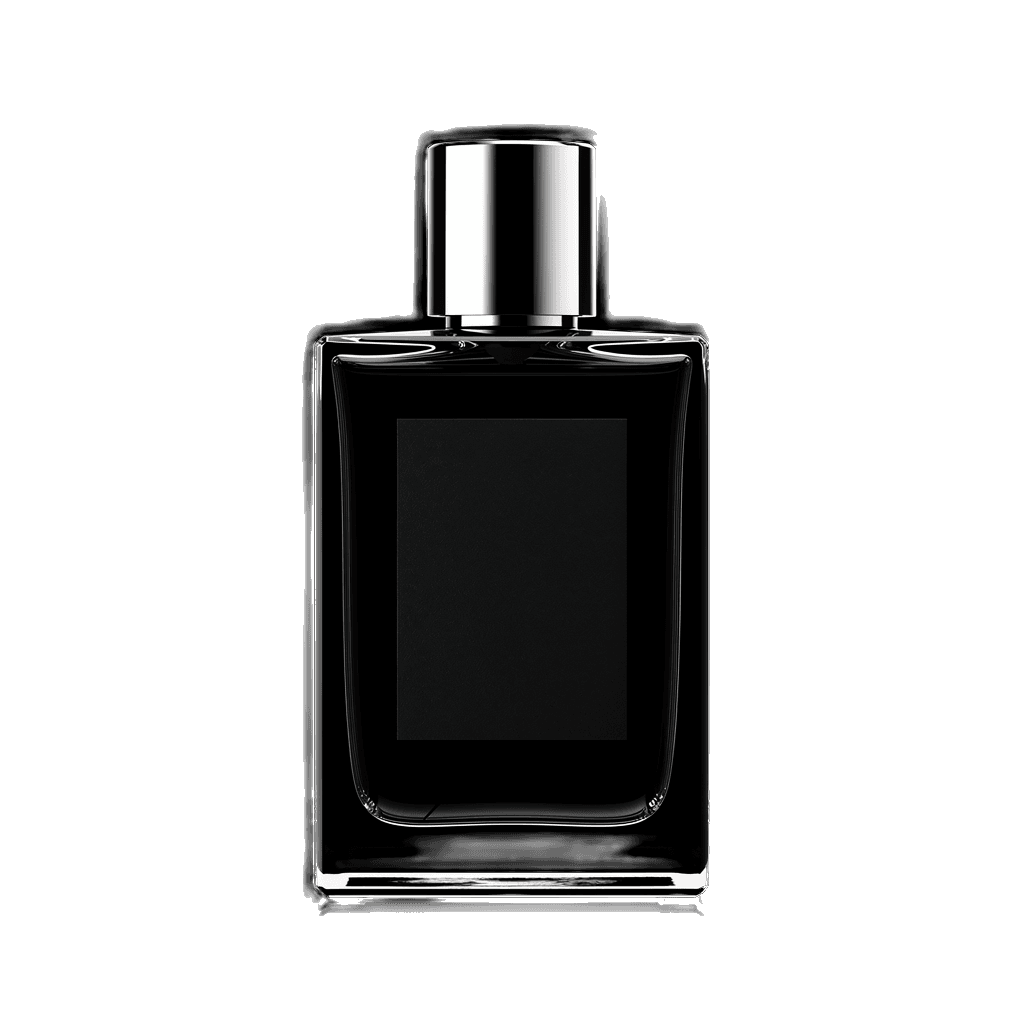
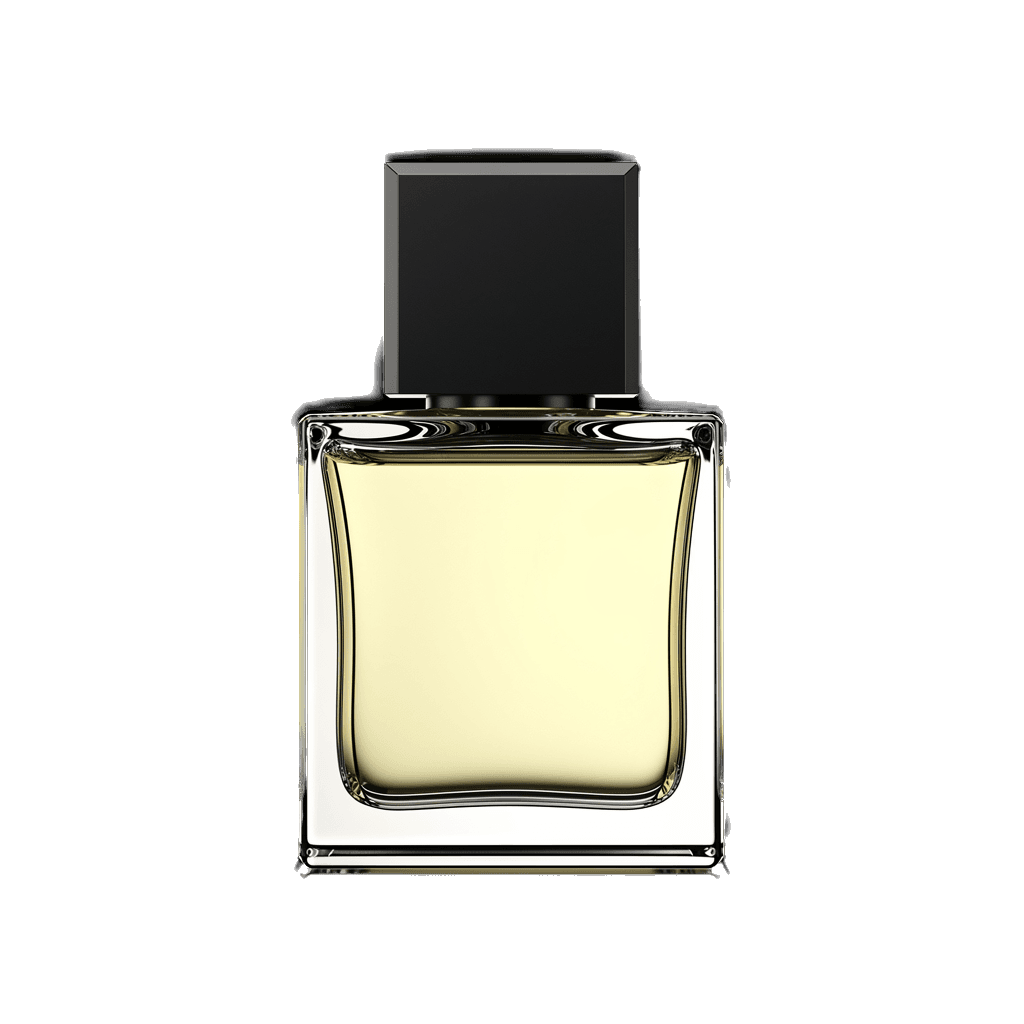
Carta’s visual language mirrors its ecological values. The bottles are simple cylinders of clear recycled glass, allowing the colour of the perfume oil to become the focal point. Labels are minimal, featuring a thin black serif typeface set against a matte white background; the only decorative element is a small line drawing that hints at the scent’s inspiration, such as a leaf for a green‑oriented fragrance or a wave for a marine note. The brand’s colour palette is restrained, favouring muted earth tones—soft greens, warm ochres, and pale blues—that evoke natural environments rather than glossy luxury. This restraint extends to the brand’s website, where product pages use generous white space, high‑resolution close‑ups of the bottles, and short, narrative captions that explain the scent’s origin. Photography for campaigns is often shot in natural settings: a sun‑lit meadow, a rocky coastline, or an urban garden. Models are presented in relaxed poses, emphasizing the idea that the perfume is meant for everyday wear rather than formal occasions. The overall image conveys quiet confidence, inviting the viewer to experience scent as a subtle, personal ritual. Typography on packaging and digital assets leans on a classic serif font, lending a timeless feel without resorting to ornate flourishes. The brand’s logo—a simple wordmark in all caps—appears in a subtle embossing on the bottle neck, reinforcing the notion of understated quality. In retail, Carta’s displays are built from reclaimed wood and feature open shelving that showcases the bottles without clutter. The aesthetic is designed to feel like a small apothecary rather than a high‑end department store, reinforcing the house’s artisanal identity and its focus on transparency.
Philosophy
Carta’s creative vision rests on the idea that fragrance can be both beautiful and responsible. Founder Heather D'Angelo describes the house as an "ecological approach to perfume design," meaning that every ingredient is evaluated for its environmental impact as well as its aromatic contribution. The brand avoids synthetic aroma chemicals unless they are demonstrably safer or more sustainable than natural alternatives. Instead, it leans heavily on plant‑derived absolutes, cold‑pressed oils, and ethically sourced resins. The philosophy also embraces inclusivity. By labeling its products as "pure parfums for every body," Carta signals that the scents are formulated to perform across a spectrum of skin chemistries, without relying on heavy fixatives that can mask individual variation. This aligns with the founder’s background in ecology, where diversity and adaptability are core concepts. Transparency is another pillar. Each release is accompanied by a short note that lists the primary ingredients, their origin, and the percentage of perfume oil in the final product. This practice, uncommon among larger houses, empowers consumers to make informed choices and demystifies the often opaque world of fragrance composition. Finally, Carta treats scent as a narrative tool. The brand’s storytelling draws on personal experiences, natural landscapes, and scientific observations, weaving them into the olfactory structure of each perfume. This narrative approach encourages wearers to connect emotionally with the scent, turning a simple fragrance into a reminder of a place, a season, or an ecological principle.
Key Milestones
2016
Heather D'Angelo establishes Carta as a perfume house in San Francisco, beginning development of the first formulations.
2017
Launch of Moena 12, the brand’s inaugural pure parfum, presented in a limited batch of recycled‑glass bottles.
2018
Introduction of the numbered concentration system, starting with Immortelle 43, to communicate oil percentage directly to consumers.
2019
Feature in Vogue, highlighting Carta’s sustainable production methods and hand‑crafted approach.
2020
Release of Immortelle 43, expanding the catalogue and reinforcing the brand’s commitment to natural, high‑concentration scents.
2021
Coverage in Vanity Fair and Forbes, bringing wider attention to the brand’s ecological philosophy and small‑batch model.
At a Glance
Brand profile snapshot
Origin
United States
Founded
2016
Heritage
10
Years active
Collection
1
Fragrances released
Avg Rating
4.3
Community sentiment
Release Rhythm