The Heritage
The Story of Castle Forbes
Castle Forbes is a niche fragrance house rooted in the historic Castle Forbes estate in Aberdeenshire, Scotland. Founded in 1996 within a former dairy building, the brand creates small‑batch scents that echo the quiet elegance of the Scottish countryside. Its portfolio includes Lonach, Vetiver, Eau Deux, S'Eau Fresh, Sandalwood (2018), S'Eau Rose, Chatelaine (1996), Applause, Neroli and the limited‑edition 1445. Each fragrance is formulated in a modest laboratory that still bears the original dairy’s stone walls, allowing the house to maintain a hands‑on approach to scent creation while honoring a tradition of understated craftsmanship.
Heritage
The story of Castle Forbes begins in 1996 when Lady Forbes, the daughter of the 22nd Lord Forbes, teamed up with her longtime friend Andrew French to turn a disused dairy on the family estate into a perfumery. The dairy, built in the 19th century, provided a cool, low‑traffic space ideal for delicate fragrance work. Initially, the pair offered bespoke scents to a handful of private clients, tailoring each composition to the wearer’s preferences. By 1998 the first public fragrance, Chatelaine, was released, taking its name from the historic title of the clan chief. Over the next decade the house expanded its catalogue, introducing scents such as Lonach, a nod to the nearby Highland gathering, and Vetiver, which highlighted the brand’s willingness to explore both local and exotic notes. In 2015 Castle Forbes opened a modest retail space on the estate, allowing visitors to experience the scents in the context of the surrounding gardens. The 2018 launch of Sandalwood marked the first time the house sourced a single‑origin ingredient from a sustainable plantation in India, demonstrating a growing commitment to responsible sourcing. Throughout its history the brand has remained family‑run, with Lady Forbes overseeing creative direction and Andrew French handling operations, ensuring that each new release reflects the estate’s heritage while staying true to a minimalist aesthetic. Today, Castle Forbes continues to produce fewer than 5,000 bottles per year, a figure that underscores its dedication to quality over volume.
Craftsmanship
Production at Castle Forbes remains a hands‑on affair. All fragrances are blended in the original dairy laboratory, where temperature and humidity are carefully monitored to preserve the integrity of delicate raw materials. The house sources many of its botanicals from small farms across Europe and Asia, favoring suppliers that practice ethical harvesting and provide traceability reports. For example, the Vetiver used in the eponymous fragrance comes from a single estate in Haiti, while the Sandalwood of 2018 was obtained from a certified sustainable plantation in Karnataka, India. Ingredients are weighed on precision scales, then macerated in high‑grade ethanol for periods ranging from a few weeks to several months, depending on the composition’s complexity. After maceration, the mixture is filtered through fine muslin and decanted into hand‑blown glass bottles that are sealed with a brushed‑metal cap. Quality control includes blind olfactory testing by a panel that includes Lady Forbes, Andrew French, and a rotating group of external fragrance consultants. Each batch is limited to a few hundred bottles, ensuring that no two releases are identical. The brand also maintains a low‑tech approach to packaging: labels are printed on recycled paper, and the outer boxes are crafted from sustainably sourced cardboard, reflecting a broader commitment to environmental responsibility.
Design Language
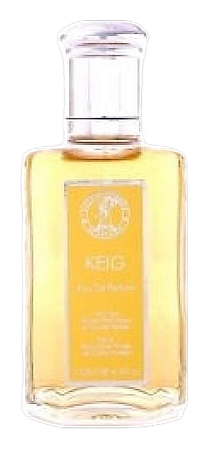
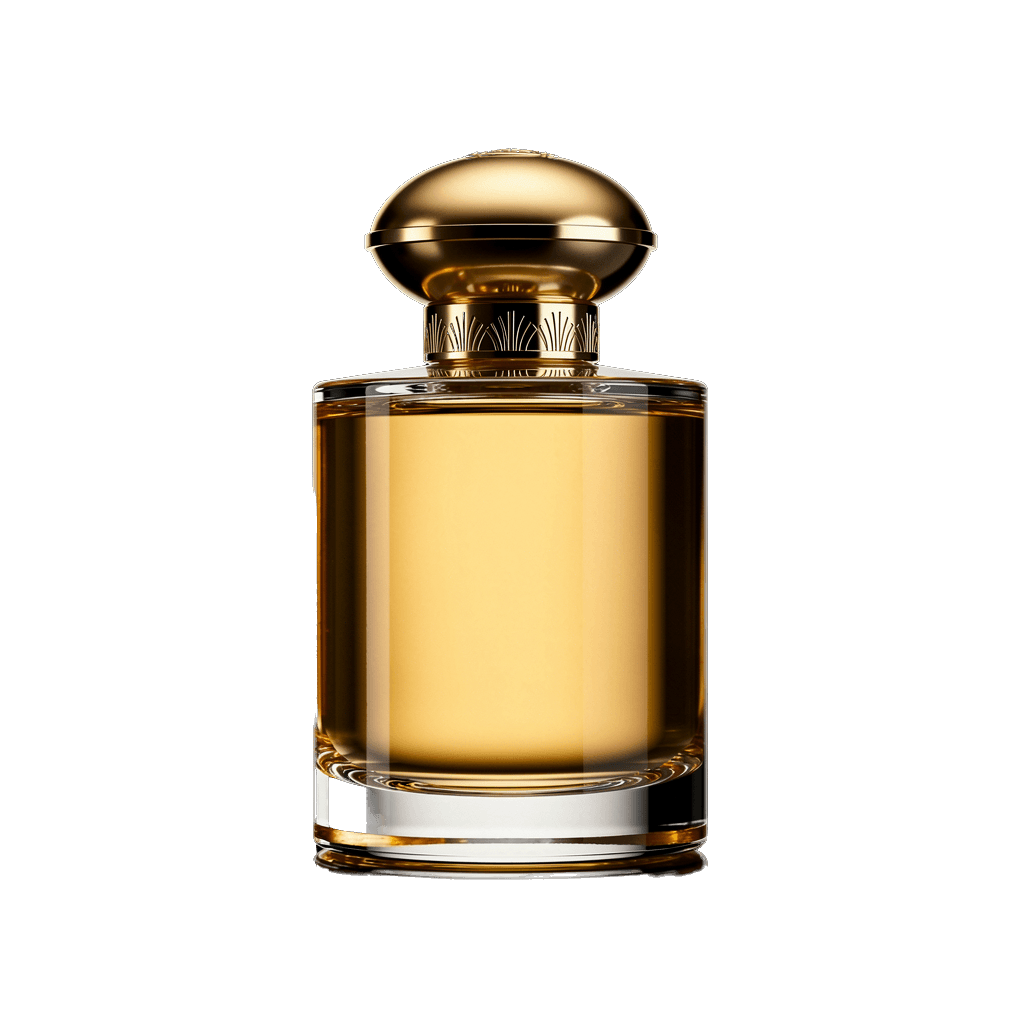
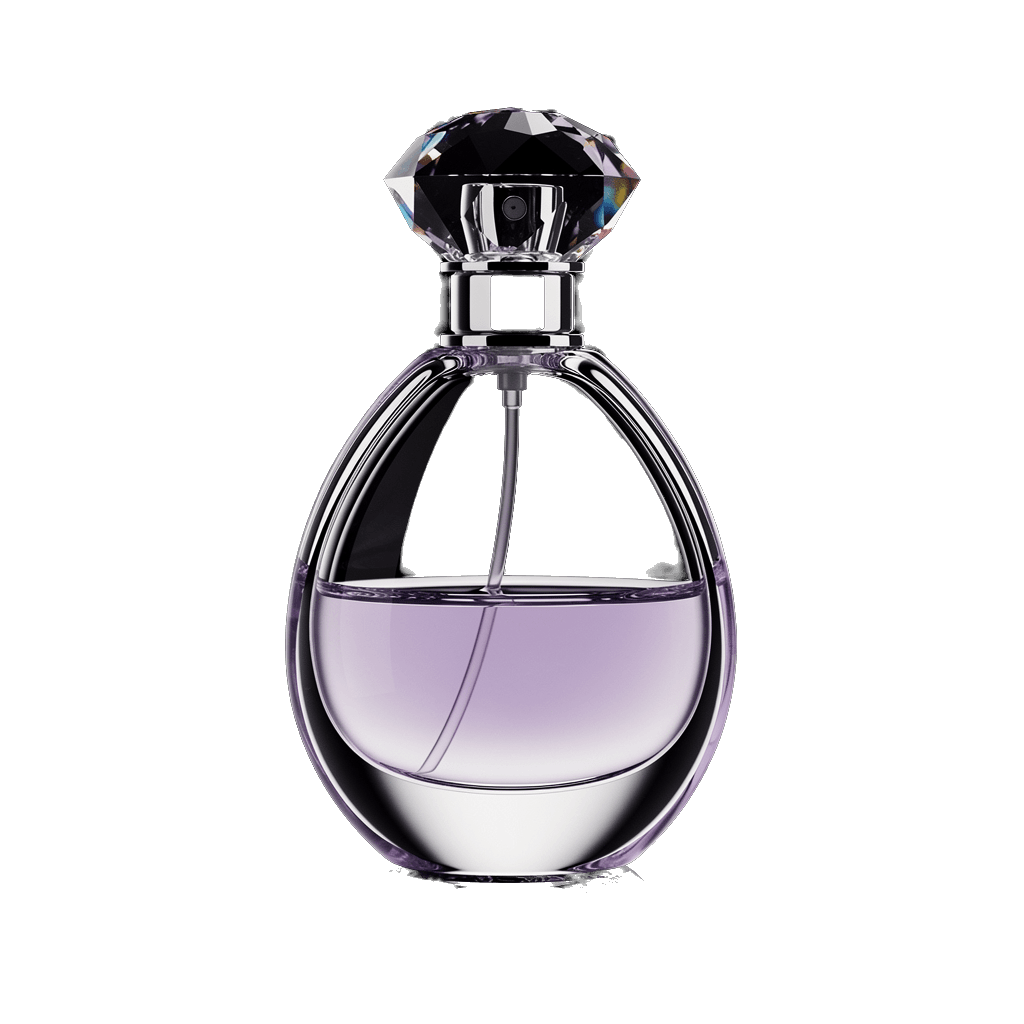
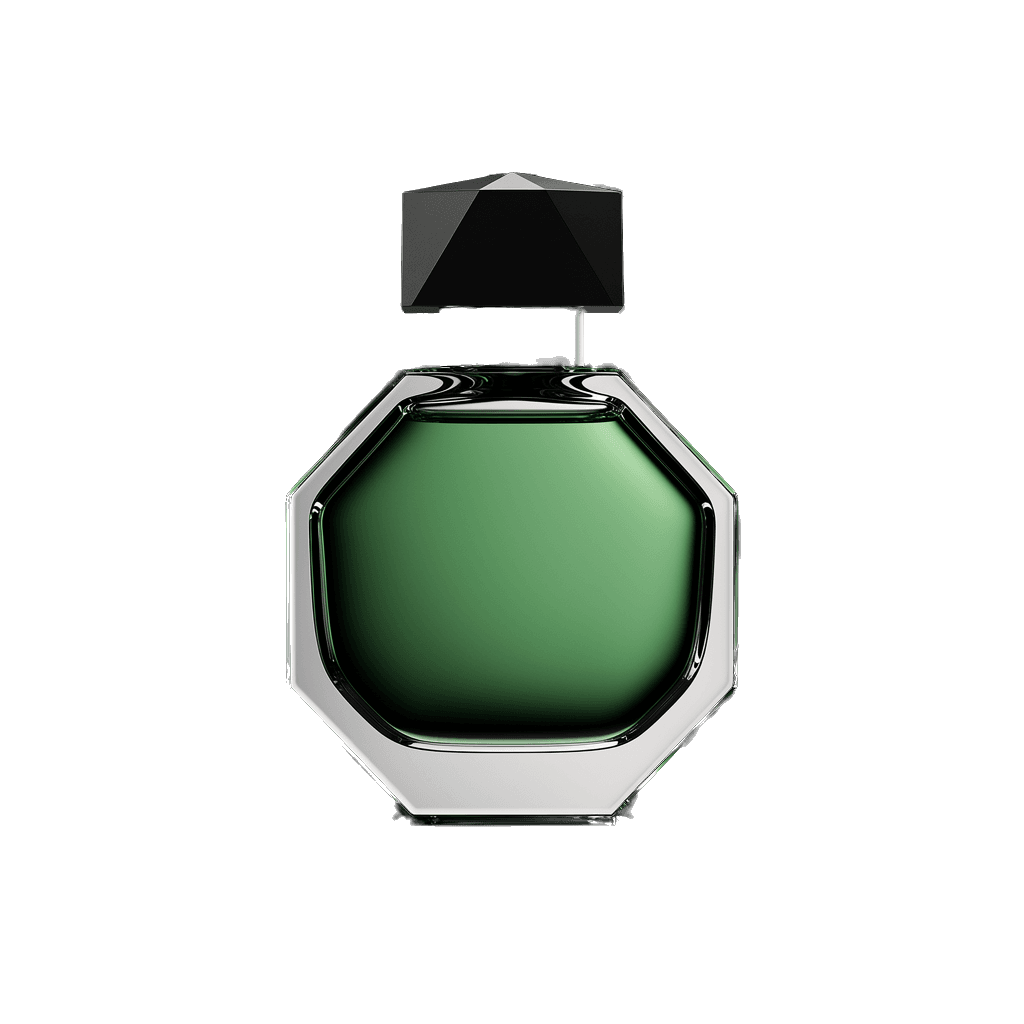
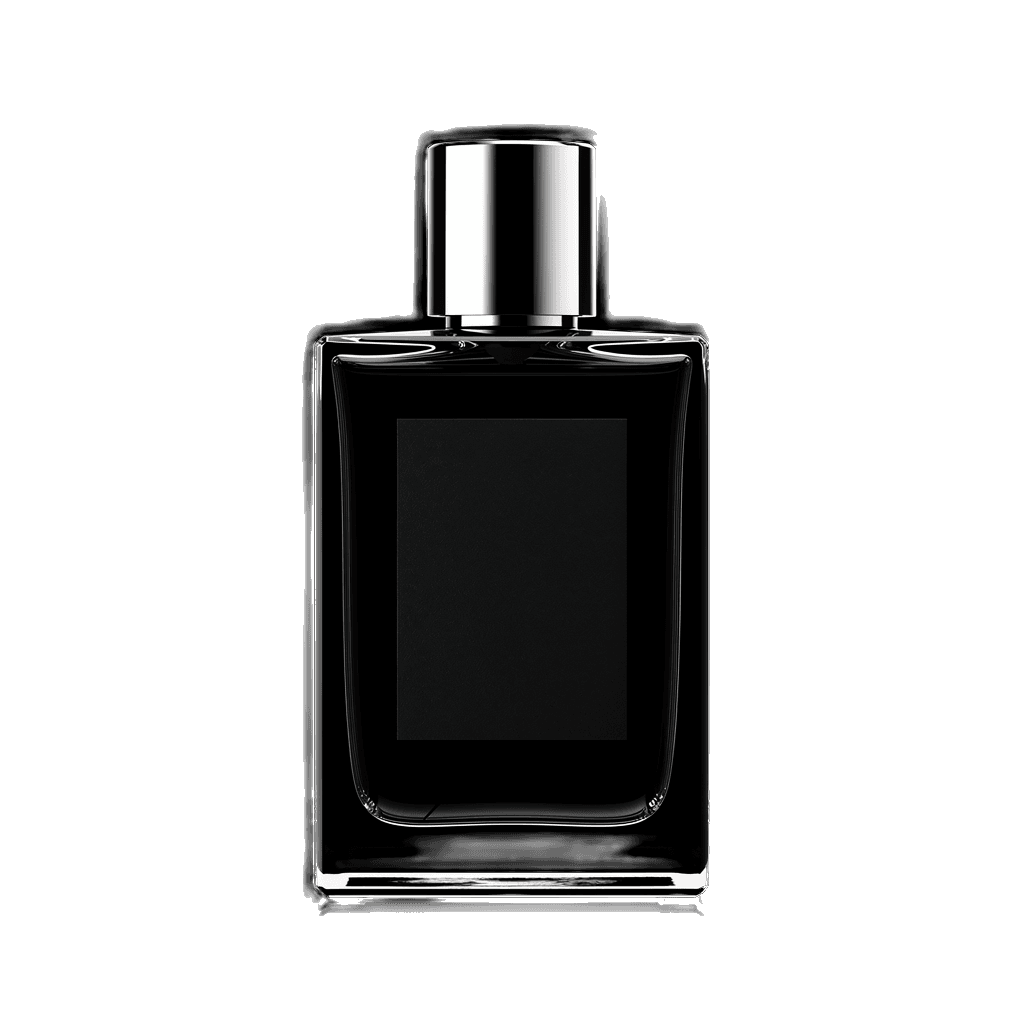
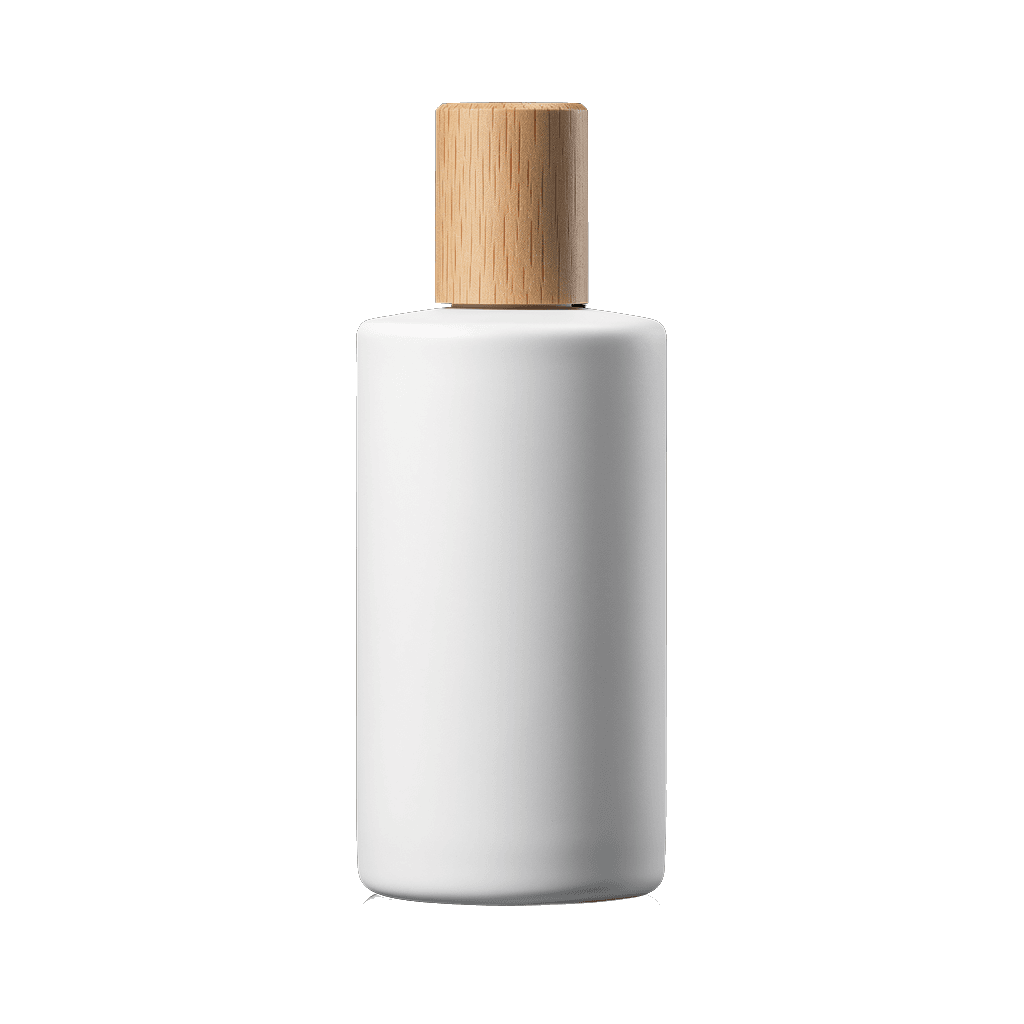
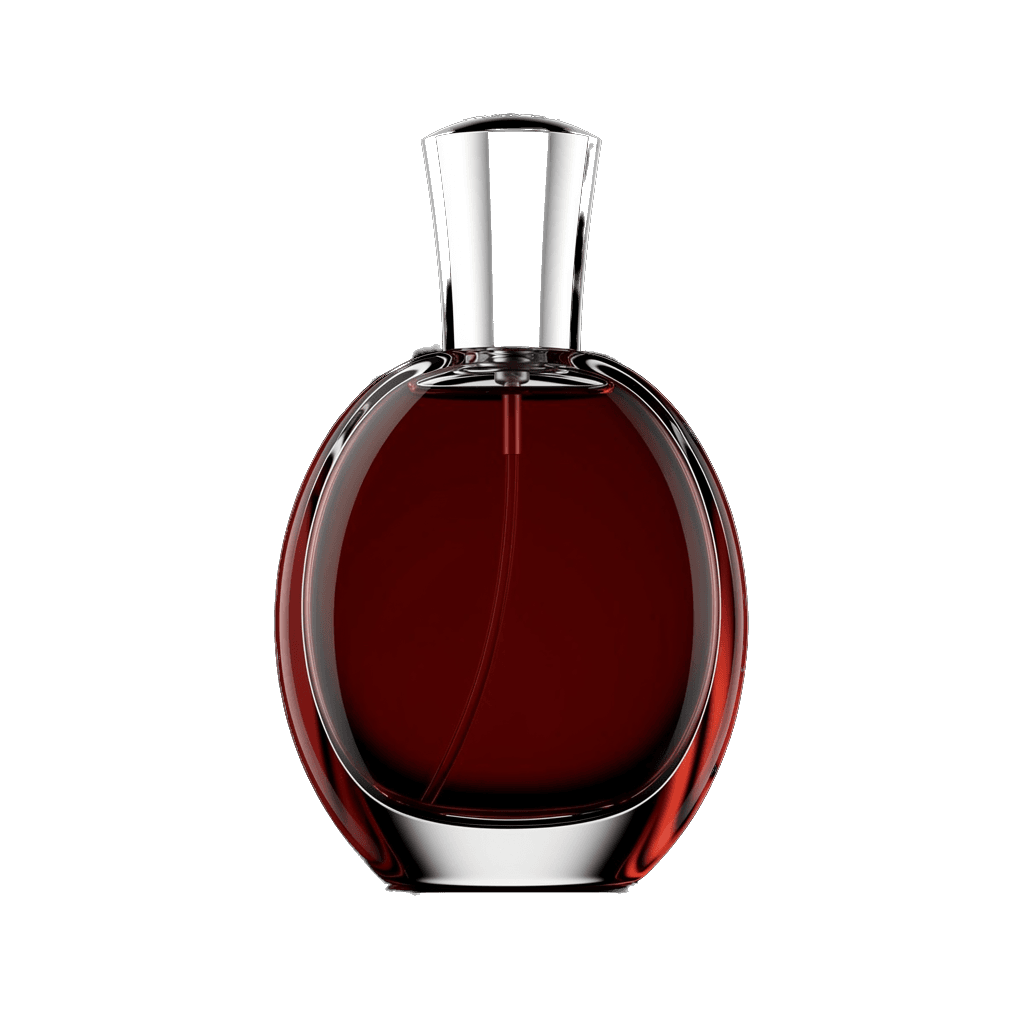
Visually, Castle Forbes embraces a restrained, heritage‑inspired language. Bottles are typically dark amber or clear glass with clean, cylindrical silhouettes, echoing the utilitarian design of the original dairy’s containers. Caps are finished in brushed brass or matte black, often bearing the modest Castle Forbes crest – a stylized lion rampant that references the family’s coat of arms. The brand’s typography uses a classic serif font paired with generous white space, reinforcing a sense of timelessness. Marketing materials favor muted colour palettes of slate grey, forest green, and deep burgundy, mirroring the Scottish landscape. In retail settings, fragrances are displayed on reclaimed wooden shelves within the estate’s visitor centre, allowing the scent experience to be framed by the surrounding stone walls and garden vistas. This visual restraint mirrors the olfactory philosophy: the design never competes with the fragrance but rather provides a quiet stage for it to unfold.
Philosophy
Castle Forbes approaches perfumery as a quiet dialogue between place and scent. The founders have repeatedly emphasized a respect for Scotland’s natural landscape, allowing the environment to inform both ingredient choice and olfactory narrative. Rather than chasing trends, the house seeks to capture moments – the crisp air of a Highland morning, the soft rustle of heather, the warm glow of a stone hearth. This philosophy translates into a commitment to transparency: ingredients are listed clearly, and sourcing is traced back to farms or cooperatives that meet the brand’s sustainability standards. The creative process favors simplicity; compositions are built around a central note that is then supported by a handful of complementary accords, avoiding the clutter often found in mass‑market fragrances. The brand also values longevity, formulating scents that evolve gracefully on the skin over several hours, encouraging wearers to develop a personal relationship with each bottle. Community plays a subtle role as well – the perfumery’s small size allows for direct interaction with clients, fostering a sense of shared stewardship over the scents that emerge from the estate’s stone walls.
Key Milestones
1996
Castle Forbes perfumery founded in a former dairy building on the Castle Forbes estate; first public fragrance, Chatelaine, released.
1998
Lonach fragrance launched, celebrating the annual Highland gathering of the same name.
2005
Introduction of Eau Deux, marking the brand’s first foray into aquatic‑type scents.
2015
Opening of a small retail space on the estate, allowing direct consumer interaction with the brand.
2018
Sandalwood fragrance released, featuring sustainably sourced Indian sandalwood as its core note.
2022
Limited‑edition 1445 launched, commemorating the year the Forbes clan received its charter.
At a Glance
Brand profile snapshot
Origin
Scotland
Founded
1996
Heritage
30
Years active
Collection
2
Fragrances released
Avg Rating
4.3
Community sentiment
Release Rhythm