The Heritage
The Story of Caswell Massey
Caswell‑Massey stands as America’s first fragrance house, tracing its roots to a modest apothecary opened by Scottish‑born Dr. William Hunter on March 26, 1752 in Newport, Rhode Island. Over more than two and a half centuries the company has turned that early laboratory into a catalogue of classic scents such as Casma, English Lavender, and the historic No. 6, a fragrance George Washington is said to have favored. Today the brand balances its colonial heritage with a contemporary roster that includes modern releases like Distiller’s Lounge (2026) and Pure Frost (2012), offering collectors and everyday users a tangible link to the nation’s aromatic past.
Heritage
The story begins in 1752 when Dr. William Hunter, a physician who had emigrated from Scotland, opened a shop to dispense medicines and scented waters to the residents of Newport. Within a decade the business expanded to include a range of toiletries, and by the time the American Revolution erupted the shop supplied both civilian and military clients. In 1772 the house launched No. 6, a citrus‑spiced blend that later found a place in George Washington’s personal collection; contemporary letters record his appreciation for the scent. After the war the company survived the economic turbulence of the early republic, rebranding as Caswell‑Massey when the Caswell and Massey families joined the partnership in the early 19th century. The firm moved its headquarters to New York City in 1845, positioning itself near the burgeoning market for luxury grooming products. By the late 1800s the brand introduced a line of scented soaps that were advertised in newspapers across the Northeast. The Taylor family acquired the firm in 1933 and guided it through the Great Depression, World War II, and the post‑war consumer boom. During the 1950s Caswell‑Massey released a series of “signature” colognes, among them Damask Rose and English Lavender, which remain in production today. The 1970s saw the launch of the Jockey Club fragrance, a nod to the brand’s long‑standing association with equestrian culture. In the 21st century the house has embraced limited‑edition releases that reference its archival archives, such as Heritage Jockey Club (2017) and the recent Distiller’s Lounge (2026), while maintaining a steady line of classic scents. The company continues to operate from its New York headquarters, offering both historic reproductions and contemporary creations to a global clientele that values continuity and craftsmanship.
Craftsmanship
Every Caswell‑Massey perfume begins in a small laboratory where a perfumer blends raw materials by hand, measuring each component with a precision scale. The house favors natural extracts such as Bulgarian rose, French lavender, and Indian sandalwood, sourcing them from farms that provide certificates of origin and harvest practices. When a botanical is out of season, the team works with a partner laboratory to create a stable isolate that mirrors the original aroma, a practice that preserves the scent’s integrity while reducing waste. The mixing process follows a strict protocol: base notes are introduced first, followed by heart and top accords, allowing each layer to integrate fully before the next addition. Once the formula reaches its target balance, the mixture rests in glass vessels for a maturation period that can range from a few weeks to several months, depending on the complexity of the composition. This aging step mirrors the techniques used by 18th‑century apothecaries, where time was considered a crucial ingredient. Quality control involves both sensory evaluation and analytical testing. Trained noses assess each batch for consistency with the original reference sample, while gas‑chromatography–mass‑spectrometry (GC‑MS) confirms the presence and concentration of key aromatic compounds. Any deviation triggers a reformulation before the batch proceeds to bottling. Bottles are filled on a semi‑automated line that still allows artisans to hand‑cap each vessel, ensuring a tight seal that protects the perfume from oxidation. The glass is sourced from a French manufacturer known for its low‑iron composition, which provides a clear view of the liquid’s color. Labels are printed on recycled paper using vegetable‑based inks, reflecting the brand’s environmental considerations. Each finished product receives a hand‑written batch number, linking the wearer to a specific moment in the house’s ongoing production story.
Design Language
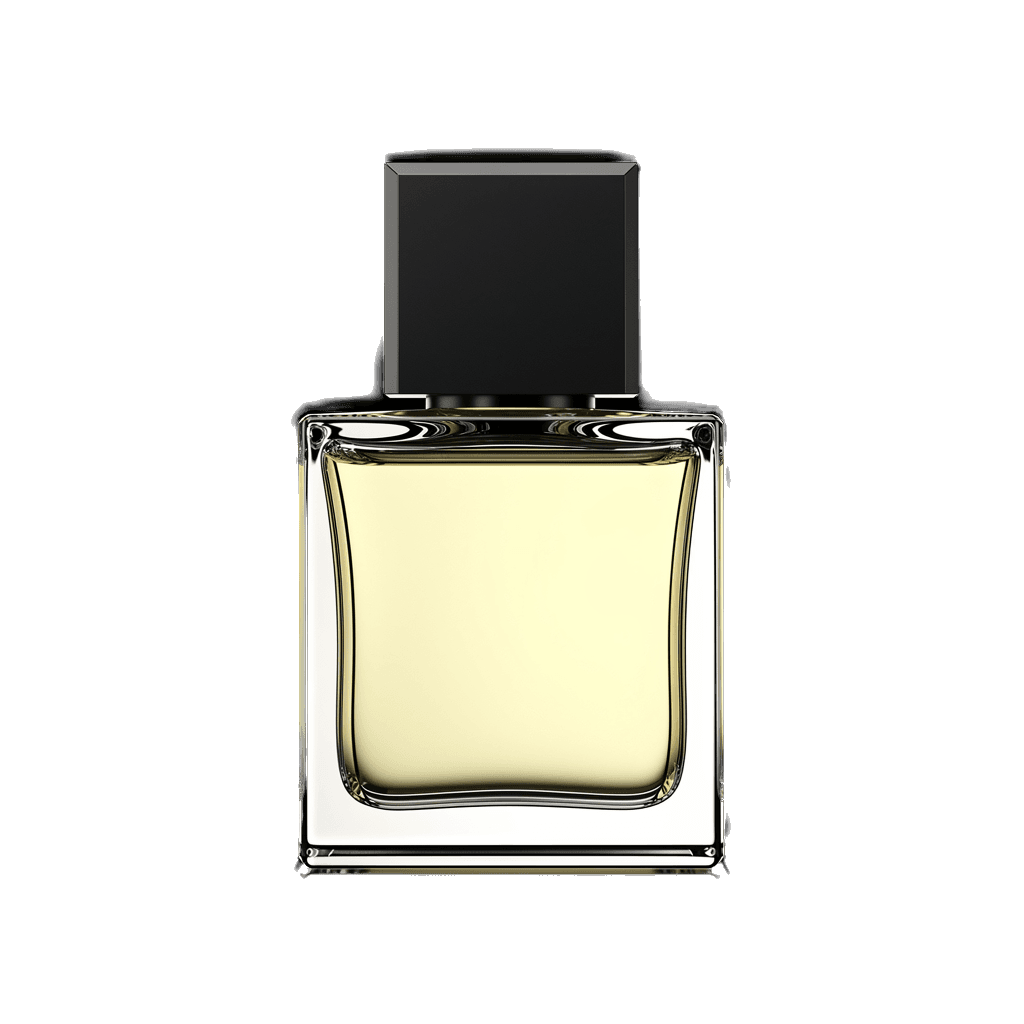
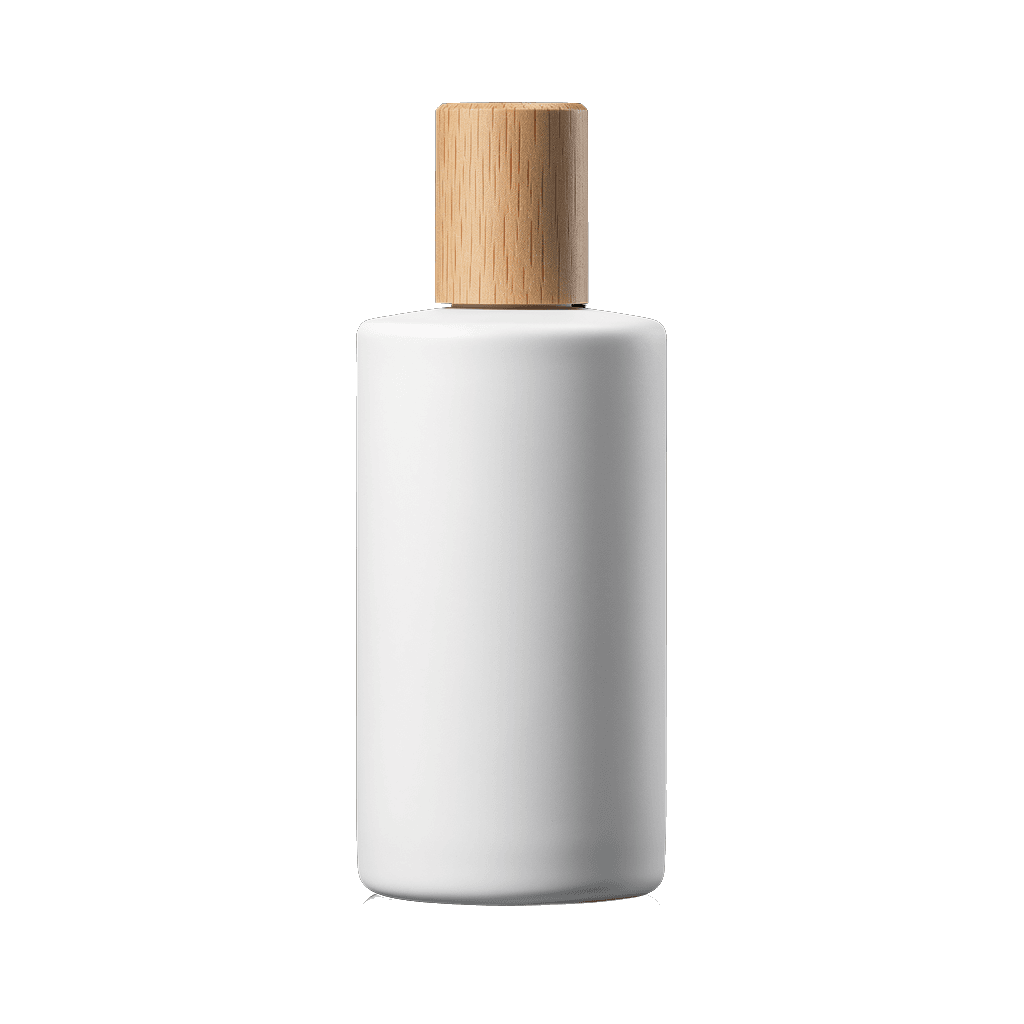
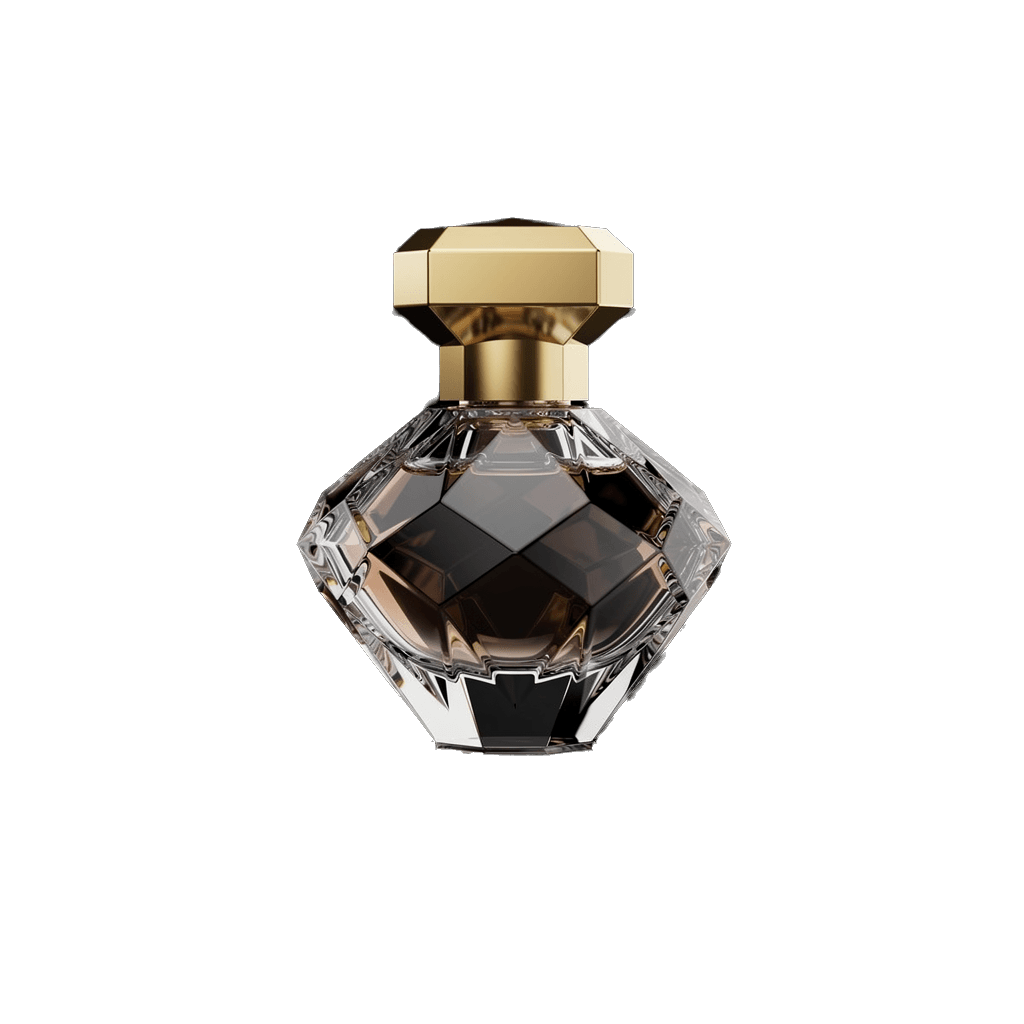
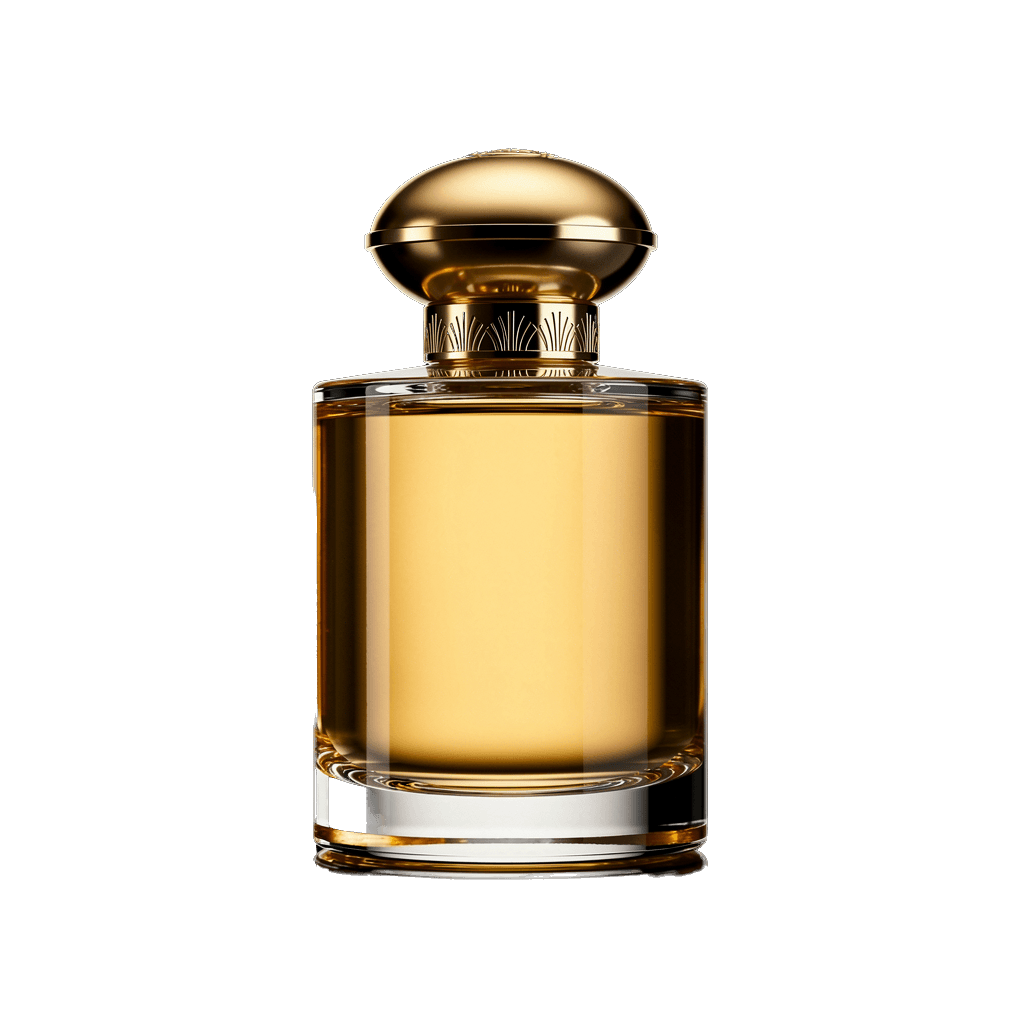
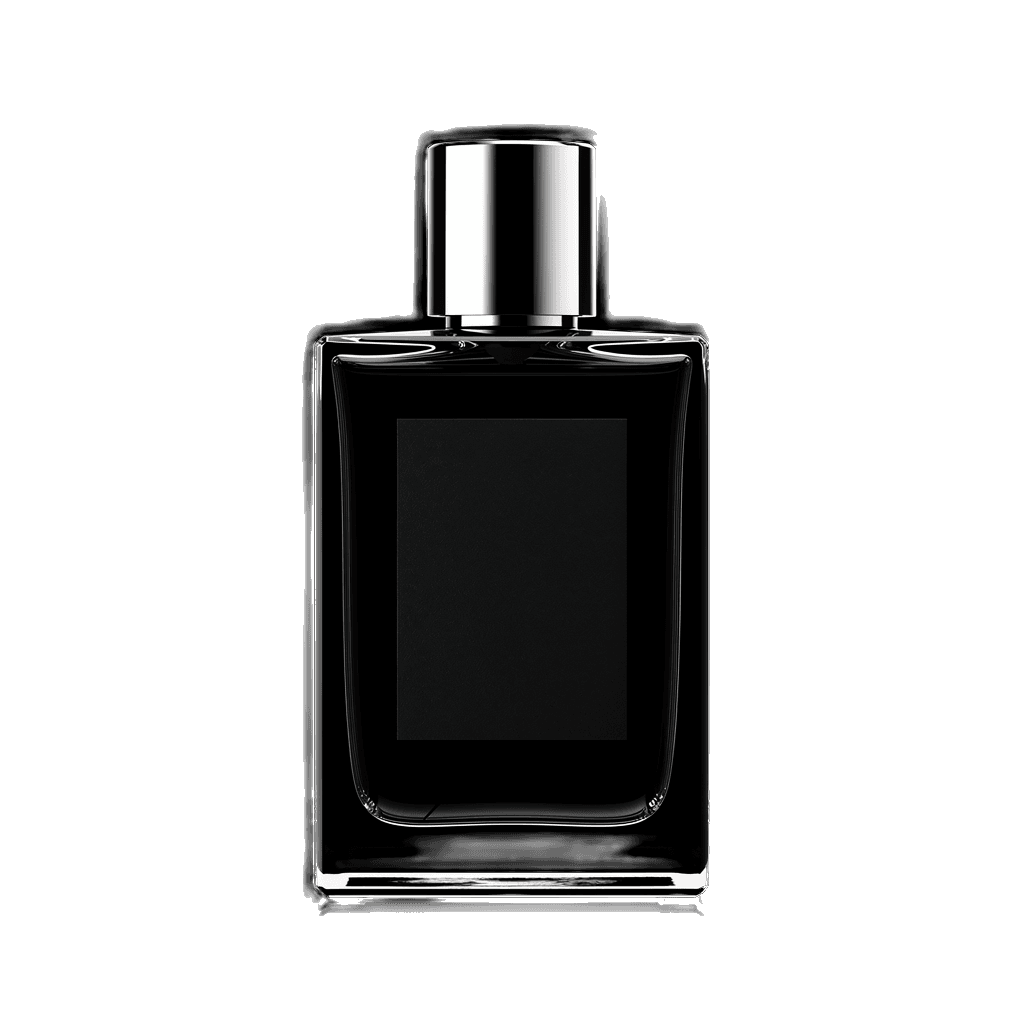
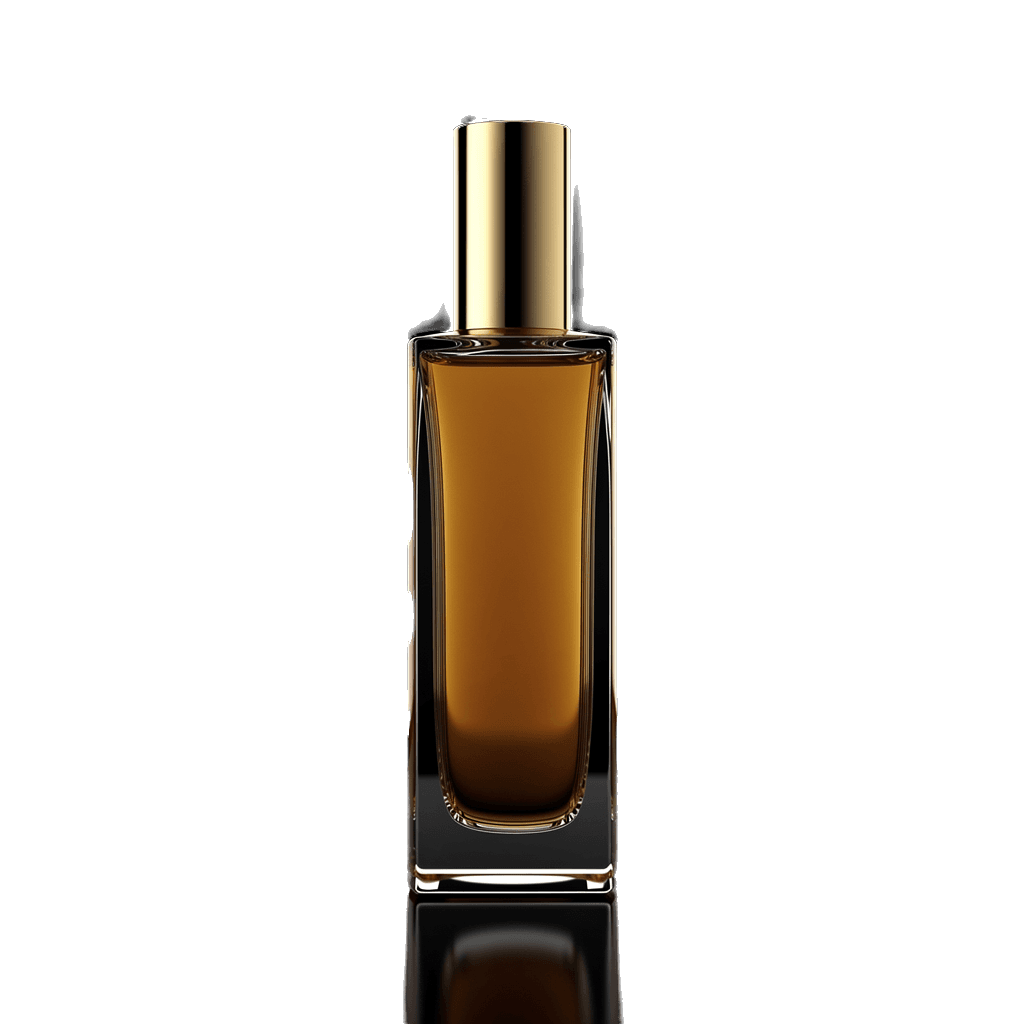
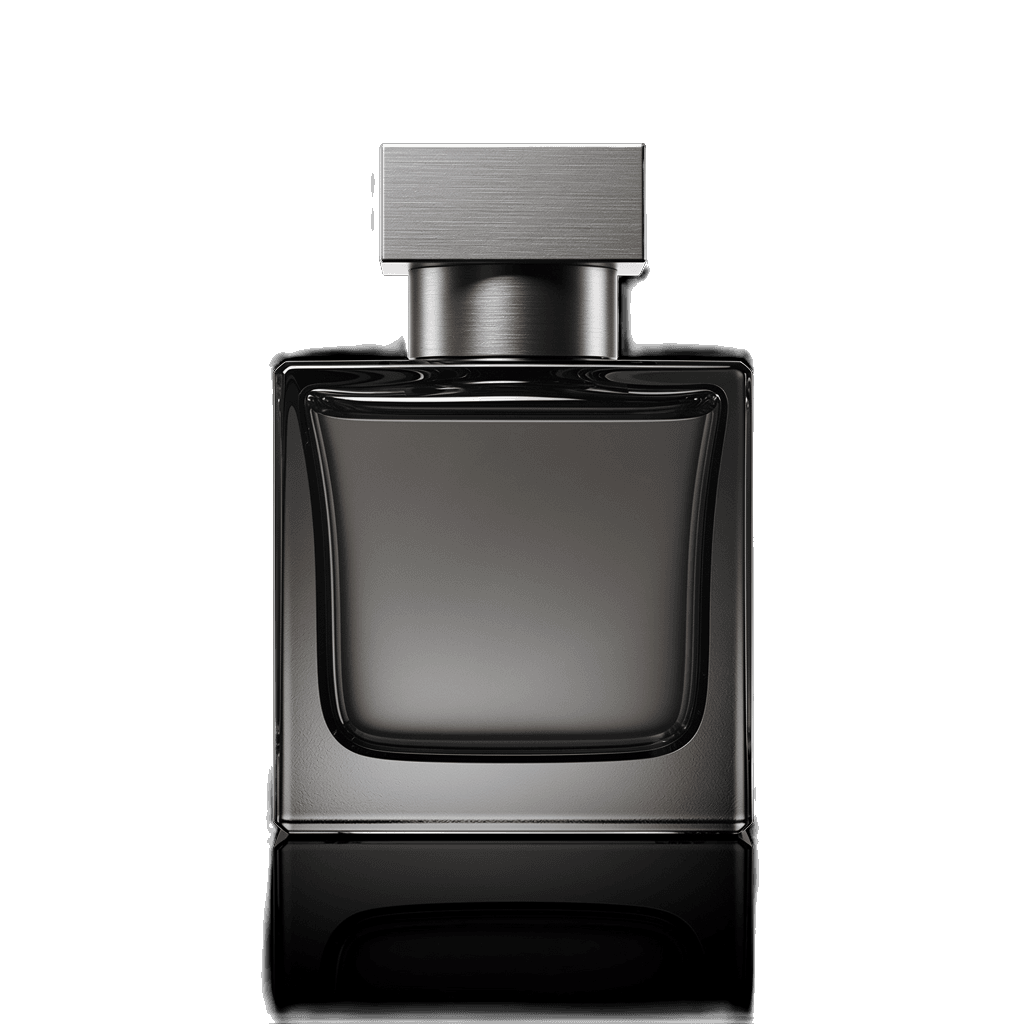
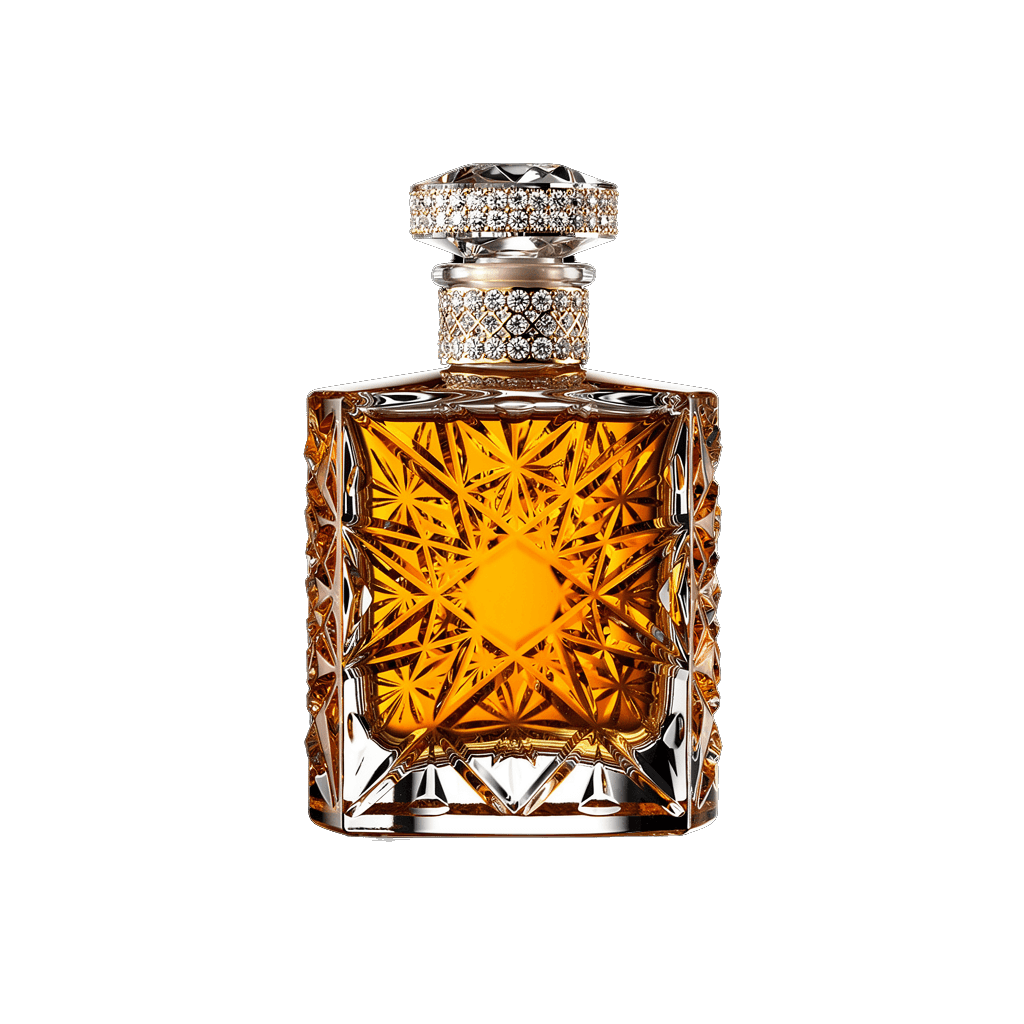
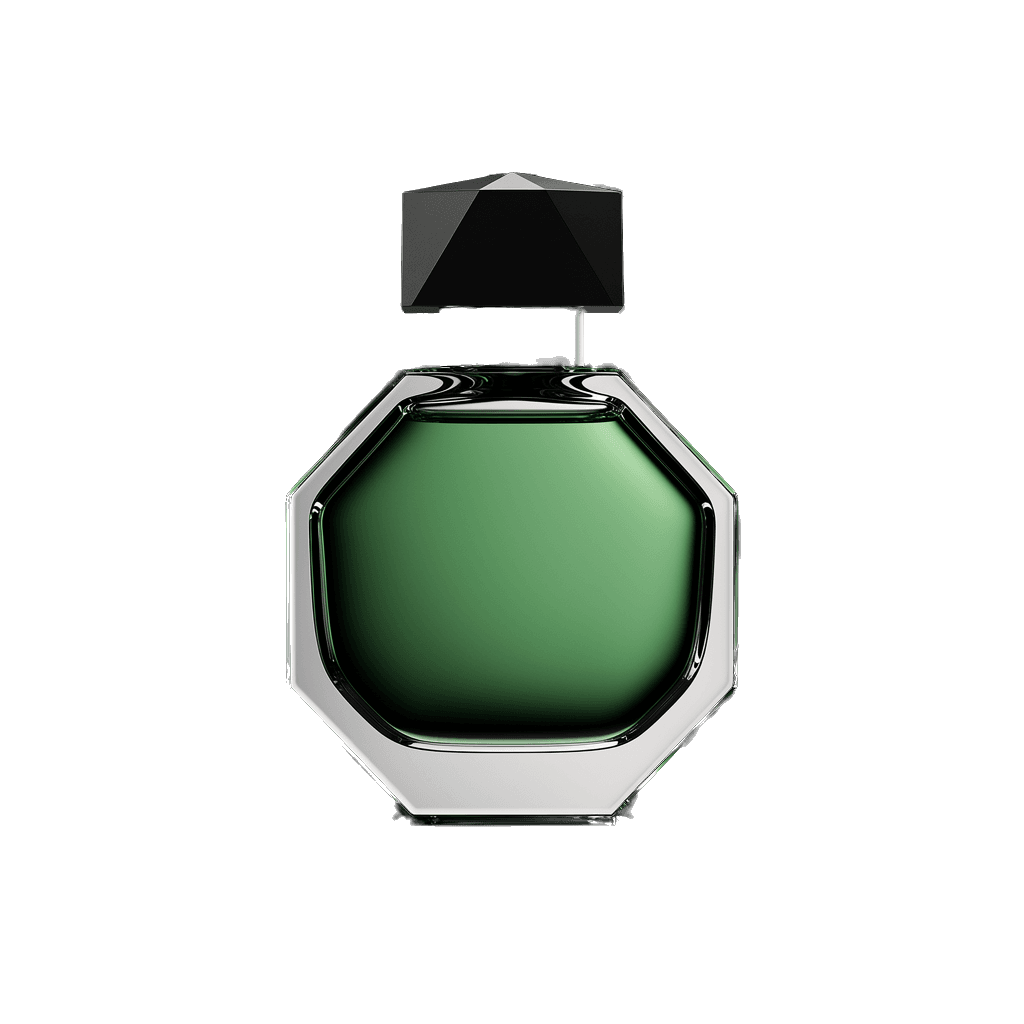
Visually, Caswell‑Massey leans toward a restrained elegance that echoes its colonial origins. Bottles feature tall, cylindrical shapes with clean lines, often capped by a simple metal or wooden stopper that hints at the brand’s apothecary past. The glass is typically clear or lightly tinted, allowing the perfume’s hue to become part of the design narrative. Typography on packaging uses a classic serif font, set in deep navy or charcoal, providing a contrast that feels both historic and contemporary. Labels incorporate subtle embossing or foil stamping, adding texture without overwhelming the composition. The brand’s color palette draws from natural pigments—saffron, muted green, and soft amber—mirroring the ingredients that define each scent. In retail spaces, the aesthetic extends to polished wood display cases, brass fixtures, and vintage‑style signage that reference 18th‑century storefronts. Marketing imagery often portrays the fragrances against backdrops of historic architecture or serene natural settings, reinforcing the idea that each scent is a portal to a specific time and place. This visual language supports the brand’s narrative of continuity, inviting customers to experience a piece of American olfactory history while enjoying modern sensorial refinement.
Philosophy
Caswell‑Massey frames its work as a dialogue between history and the present moment. The brand believes that a fragrance should capture a specific time and place, whether that is the salty air of 18th‑century Newport or the crisp aroma of a modern Manhattan loft. Its creative team treats each formula as a research project, consulting original ledgers, historic perfume manuals, and surviving sample bottles to understand the proportions and ingredients used by early chemists. Sustainability enters the conversation through a commitment to source natural extracts from growers who practice responsible agriculture. When a botanical cannot be harvested without harming its ecosystem, the house seeks a synthetic analogue that matches the original scent profile, ensuring the final perfume respects both tradition and the environment. Transparency guides the brand’s communication with customers. Ingredient lists appear on product packaging, and the company publishes brief notes about the inspiration behind each scent, allowing wearers to connect the olfactory experience with its narrative roots. This approach reflects a broader value system that prizes honesty, durability, and a sense of shared heritage across generations.
Key Milestones
1752
Dr. William Hunter opens an apothecary in Newport, Rhode Island, laying the foundation for America’s first fragrance house.
1772
Launch of No. 6, a citrus‑spiced fragrance that later becomes a favorite of George Washington.
1845
Company relocates to New York City, expanding its market reach and introducing scented soaps.
1933
The Taylor family acquires the business, steering it through the Great Depression and World War II.
1950
Introduction of signature colognes such as Damask Rose and English Lavender, many of which remain in production.
2017
Release of Heritage Jockey Club, a limited‑edition scent that revisits archival formulas.
At a Glance
Brand profile snapshot
Origin
United States
Founded
1752
Heritage
274
Years active
Collection
2
Fragrances released
Avg Rating
3.7
Community sentiment
Release Rhythm