
The Heritage
The Story of Cathy Carden
Cathy Carden is a niche fragrance house that emerged in the early 1990s with a focus on contemporary scent narratives. The brand’s early releases, such as Space (1994) and its later evolution Space 21st (2001), positioned it as a laboratory for modern olfactory experiments. Over the decades the label has expanded its catalogue with Eau du Jour, Eau du Soir and a limited edition Carmen, each reflecting a disciplined yet adventurous approach to perfume making. The house remains independent, operating from a modest studio in London and catering to collectors who value clarity, precision and a quiet confidence in scent.
Heritage
The story of Cathy Carden begins in 1993 when the eponymous founder, a former graphic designer with a lifelong fascination for chemistry, decided to translate visual concepts into aromatic form. Working out of a small flat in Shoreditch, she launched the first fragrance, Space, in 1994. The scent, a linear composition of citrus, marine notes and a synthetic ambergris accord, attracted attention from boutique retailers in London and Paris, establishing the brand’s reputation for clean, forward‑looking compositions. In 2001 the house released Space 21st, a reinterpretation that incorporated emerging aroma‑chemical technologies such as Iso E Super and Calone, reflecting the turn‑of‑the‑century fascination with futuristic themes. The following years saw the introduction of the Eau du Jour line, a daytime‑oriented series that paired bright bergamot with subtle green tea accords, and Eau du Soir, a night‑time counterpart built around smoky vetiver and soft amber. 2008 marked a milestone when the brand collaborated with a small French atelier to produce a limited‑run copper‑capped bottle for Carmen, a homage to the opera heroine that combined rose, cinnamon and a whisper of leather. By 2015 the label had moved into a dedicated workshop in Camden, where a modest team of formulators, packagers and archivists began documenting each batch in a handwritten ledger, reinforcing a culture of transparency. Recent years have brought a modest digital presence, with the brand’s website offering detailed ingredient disclosures and a subscription service for collectors seeking seasonal releases. Throughout its history Cathy Carden has remained privately owned, avoiding large‑scale investment and preserving a hands‑on approach to every stage of creation.
Craftsmanship
Production at Cathy Carden takes place in a compact workshop that blends traditional lab equipment with modern analytical tools. Formulators begin each project by drafting a scent map that quantifies the desired concentration of each aroma‑chemical and natural extract. High‑performance liquid chromatography (HPLC) is used to verify purity levels of synthetics such as Iso E Super, while gas chromatography‑mass spectrometry (GC‑MS) checks the integrity of essential oils sourced from certified farms in Madagascar and Grasse. Ingredients are blended in stainless‑steel vessels under controlled temperature and humidity to ensure consistency across batches. The brand favors a batch size of 250 ml for most releases, allowing for close monitoring of each step. After blending, the mixture rests for a minimum of four weeks in dark glass containers, a period during which the perfume matures and the accords integrate fully. Quality control includes blind scent panels composed of the founder, senior formulators and a rotating group of trusted testers; each panel evaluates the perfume against the original brief, noting any deviations in balance or longevity. Once approved, the fragrance is transferred to hand‑blown glass bottles that are sealed with aluminum caps sourced from a recycled metal supplier. The final product is boxed in minimalist kraft paper with a single printed label, reflecting the brand’s commitment to understated elegance and reduced waste. Throughout the process, detailed batch records are kept, enabling traceability from raw material receipt to final shipment.
Design Language
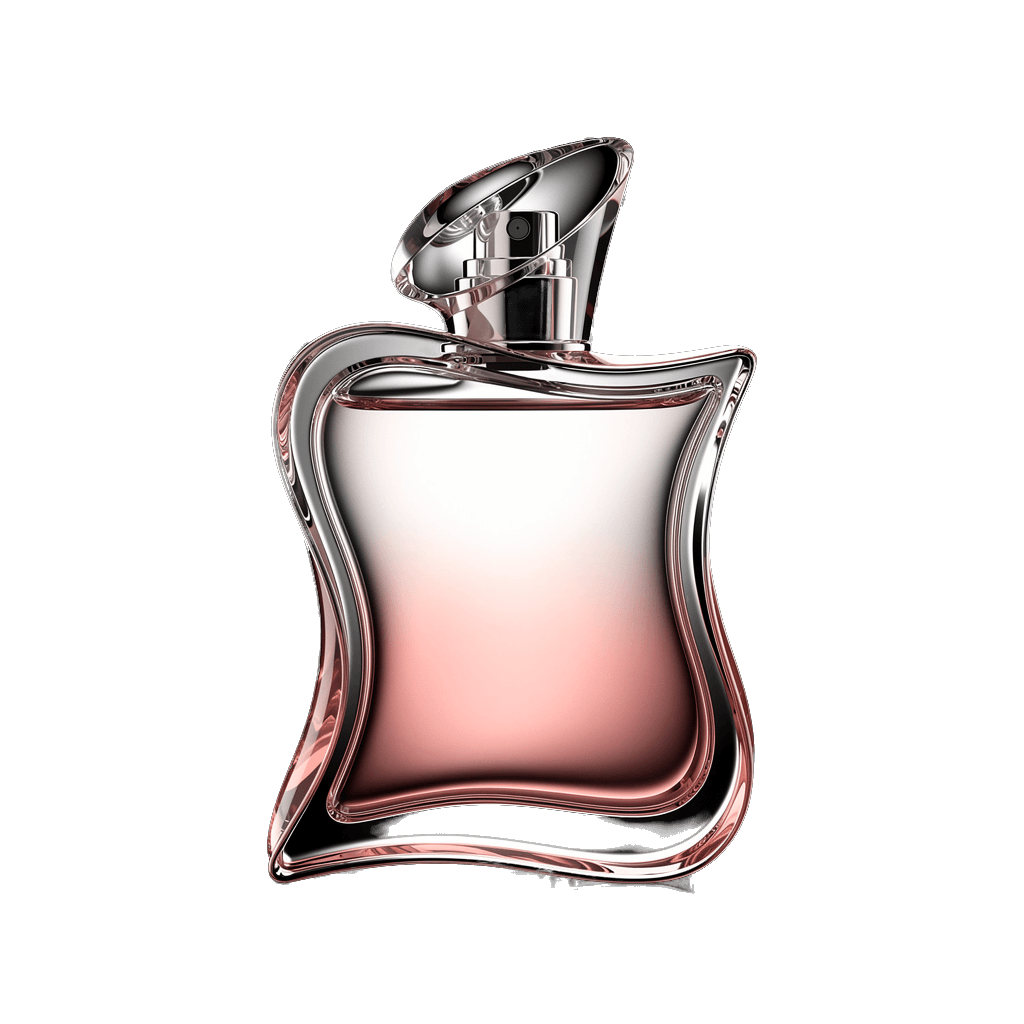
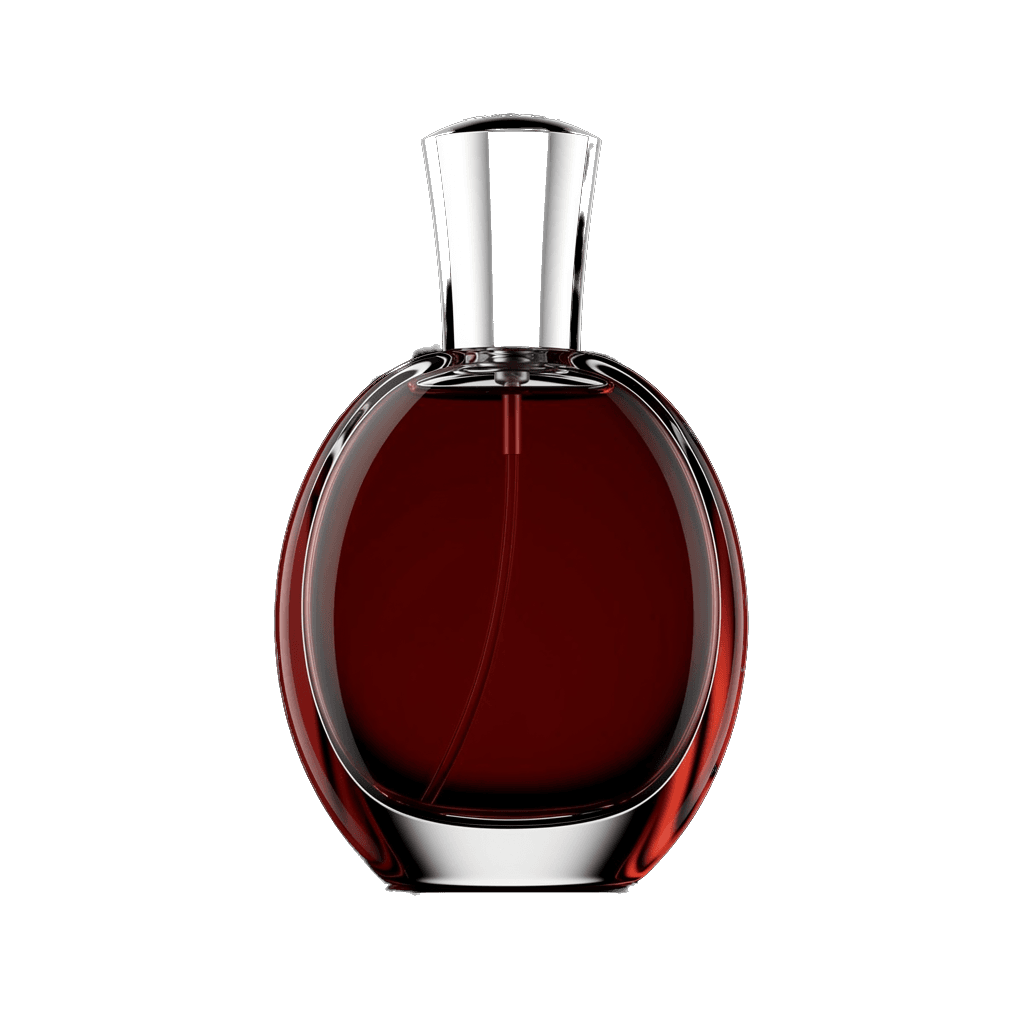
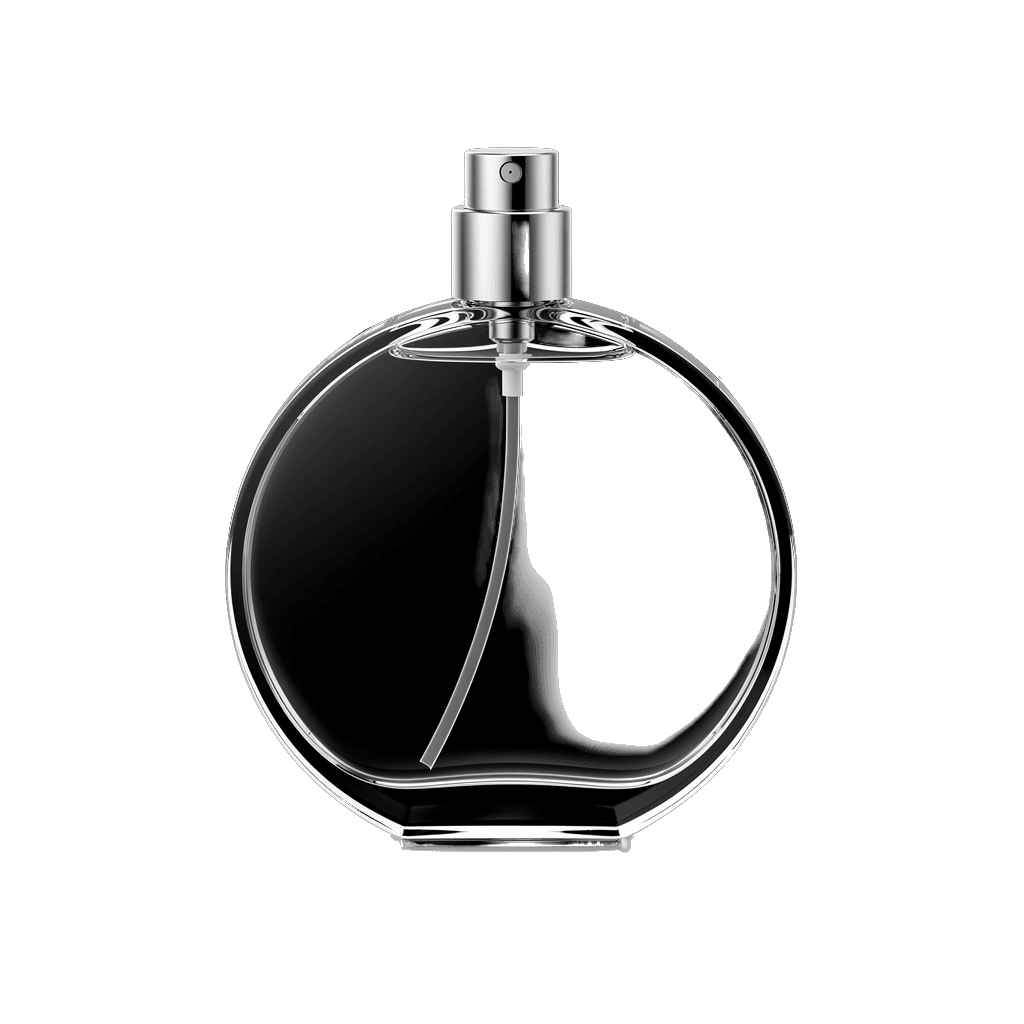
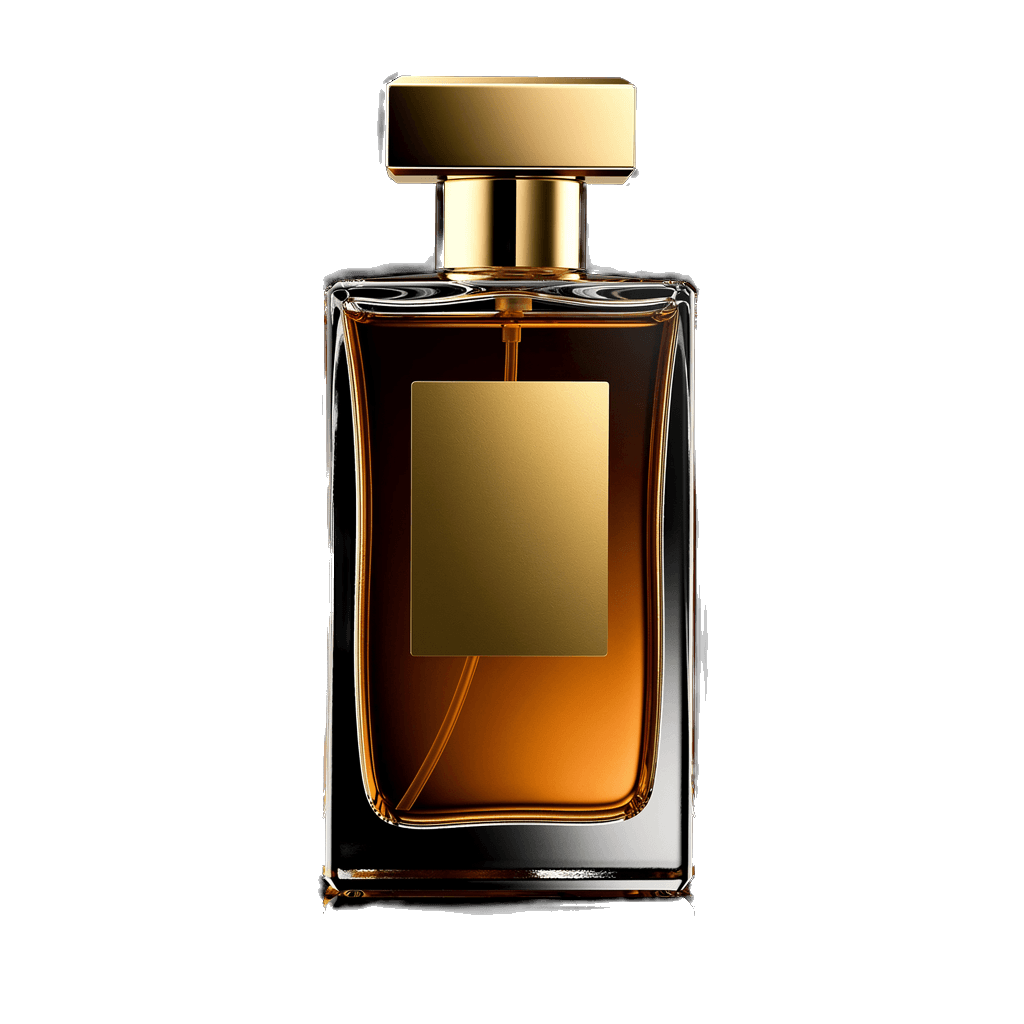
Visually, Cathy Carden adopts a restrained aesthetic that mirrors its olfactory philosophy. Bottles are typically clear, cylindrical vessels with thin walls, allowing the perfume’s natural hue to become the focal point. Caps are either brushed aluminum or matte copper, chosen for their tactile quality rather than visual flash. Labels consist of a single line of black serif type on a white background, displaying the fragrance name, year and a brief scent descriptor. The brand’s packaging relies on natural kraft paper and recycled cardboard, with subtle embossing that adds texture without overt branding. Marketing imagery favors monochrome studio photography, often showing the bottle beside a single, context‑specific prop—a vintage compass for Space, a folded sheet of music for Carmen—suggesting narrative without clutter. The website continues this minimalism, using generous white space, sans‑serif typography and concise copy that invites the visitor to explore the scent story rather than be overwhelmed by promotional language. This visual restraint reinforces the perception of the house as a quiet, thoughtful creator rather than a loud commercial player.
Philosophy
Cathy Carden’s creative vision rests on the belief that fragrance should act as a precise language rather than a decorative flourish. The brand emphasizes clarity of intent: each note is chosen for its functional role within a composition, and the overall structure is designed to unfold in a predictable, measurable way. Sustainability is addressed through selective sourcing; the house prefers ingredients that can be produced with minimal environmental impact, such as bio‑derived citrus oils and responsibly harvested sandalwood. Transparency is another cornerstone: every release is accompanied by a concise brief that outlines the scent’s inspiration, the proportion of synthetics versus naturals, and the intended emotional palette. The label also values modesty in presentation, allowing the perfume itself to speak without reliance on extravagant marketing. Community engagement occurs through limited‑edition releases that invite feedback from a core group of scent enthusiasts, fostering an iterative process where consumer insight informs future formulations. This collaborative ethos, combined with a disciplined approach to composition, defines Cathy Carden’s place in the niche market as a laboratory for thoughtful, data‑driven perfume creation.
Key Milestones
1993
Cathy Carden founded the brand in Shoreditch, London, after the founder transitioned from graphic design to perfumery.
1994
Launch of the debut fragrance Space, a linear citrus‑marine composition that gained attention in boutique stores across London and Paris.
2001
Release of Space 21st, incorporating new aroma‑chemical ingredients and marking the brand’s first major reformulation.
2008
Limited‑edition Carmen introduced, featuring a copper‑capped bottle produced in collaboration with a French glass atelier.
2015
Move to a dedicated workshop in Camden, enabling expanded batch production and implementation of advanced analytical testing.
At a Glance
Brand profile snapshot
Origin
United Kingdom
Founded
1993
Heritage
33
Years active
Collection
1
Fragrances released
Avg Rating
3.7
Community sentiment
Release Rhythm