
The Heritage
The Story of Cattier
Cattier is a French perfume house rooted in the heart of Grasse, the historic cradle of perfumery. Founded in 1932 by Jean Cattier, the brand has built a reputation for natural fragrances that celebrate raw botanical ingredients. Over the decades Cattier has refined a transparent approach to scent, letting the character of each essential oil speak for itself. The house gained renewed attention in 2008 with the launch of the Cattier Parfums line, a collection of seasonal Eau de ... fragrances that blend traditional French techniques with a modern, minimalist aesthetic. Today the brand continues to champion sustainable sourcing, small‑batch production, and a quiet elegance that appeals to collectors who value authenticity over hype.
Heritage
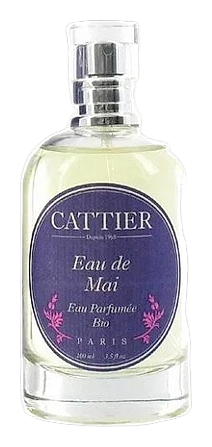
Jean Cattier opened his first workshop in Grasse in 1932, at a time when the town was already renowned for its flower fields and perfume factories. He began by supplying essential oils to larger houses, quickly earning a reputation for purity and consistency. During World War II, Cattier’s modest operation survived by focusing on locally sourced ingredients, a practice that later became a cornerstone of the brand’s identity. In the post‑war era, the house expanded its catalogue, introducing its first fully natural perfume in the 1950s, a rarity at a time when synthetic accords dominated the market. The 1970s saw Cattier adopt modern distillation equipment while preserving artisanal methods, allowing the house to maintain control over every step of the extraction process. A pivotal moment arrived in 2008 when Cattier launched the Cattier Parfums line, featuring Eau de Mai, Eau de Provence, Eau du Verger and other seasonal scents. Each fragrance was presented in a simple glass bottle, emphasizing the scent rather than decorative packaging. The line’s success prompted the house to open a boutique in Paris in 2015, bringing the Grasse heritage directly to the capital’s fragrance community. In 2020 Cattier announced a sustainability program that partners with organic farms in Provence and the Mediterranean, ensuring that the raw materials meet strict ecological standards. The brand’s commitment to transparency led to the publication of detailed ingredient sheets for each perfume, a practice that has inspired other niche houses. By 2022 Cattier celebrated its 90th anniversary with a limited edition re‑release of Tonissima, a fragrance that originally debuted in the early 2000s and remains a reference point for the house’s natural philosophy. Throughout its history, Cattier has remained a family‑run business, passing leadership to the next generation while preserving the original values of craftsmanship and respect for nature.
Craftsmanship
Every Cattier perfume begins with a careful selection of raw materials. The house works directly with growers in Grasse, Provence, Corsica, and Mediterranean islands, often visiting farms to verify cultivation practices. Ingredients are harvested at peak ripeness, then processed using low‑temperature steam distillation, cold‑press, or solvent‑free CO2 extraction, techniques that preserve the nuanced aroma profile of each botanical. Cattier favors organic certification where possible, and it maintains a private laboratory in Grasse where chemists test each batch for purity, concentration of key aromatics, and absence of contaminants. Production runs are deliberately small, allowing the house to monitor quality at every stage. Bottles are hand‑filled in a climate‑controlled environment to prevent oxidation. The brand also employs a strict aging protocol: certain compositions rest in dark glass containers for several months, allowing the natural oils to meld and mellow. Quality control includes blind sensory panels that evaluate balance, projection, and longevity without reference to marketing descriptors. When a new fragrance is ready, Cattier releases a detailed ingredient dossier that lists the botanical name, country of origin, and extraction method for each component. This level of documentation not only satisfies regulatory requirements but also aligns with the house’s ethos of openness. The commitment to natural processes extends to packaging; glass bottles are recycled, and the brand uses minimal printed material, opting for soy‑based inks on recycled paper for labels.
Design Language
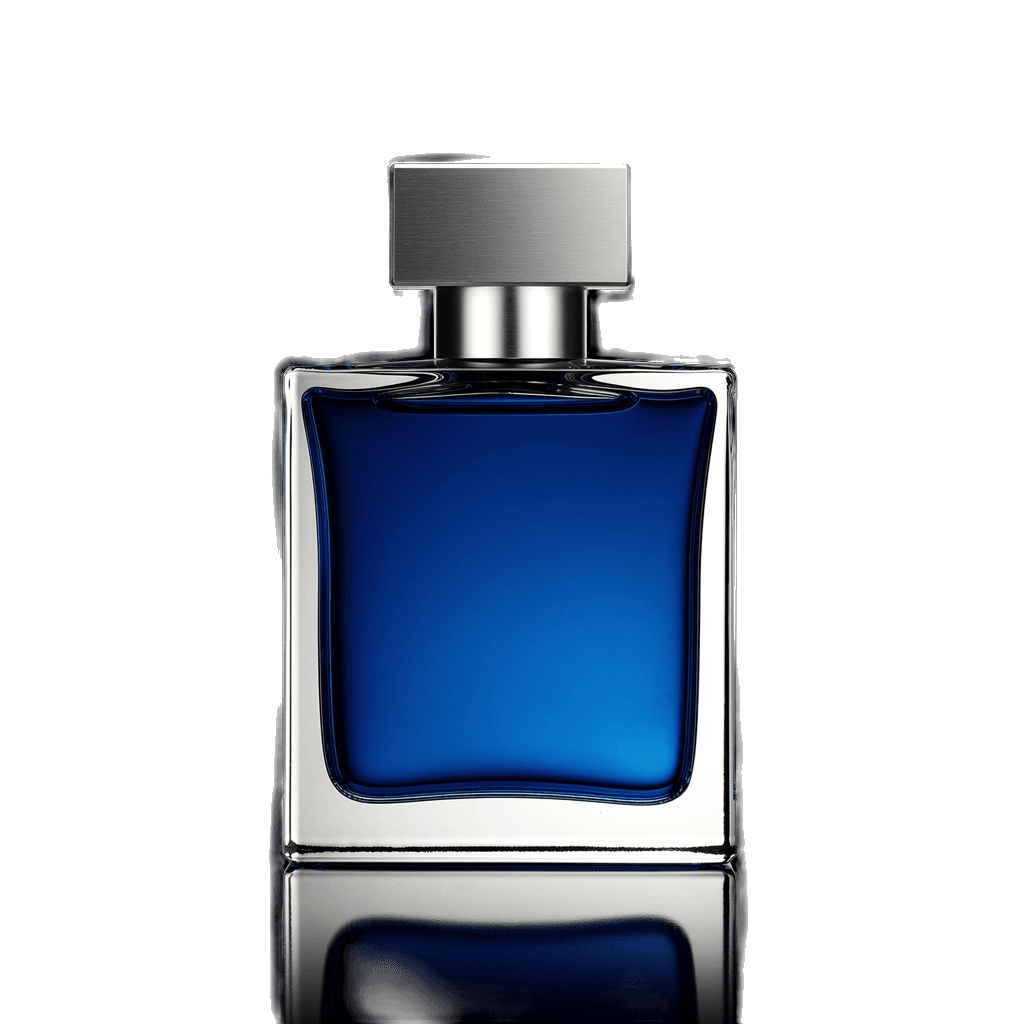
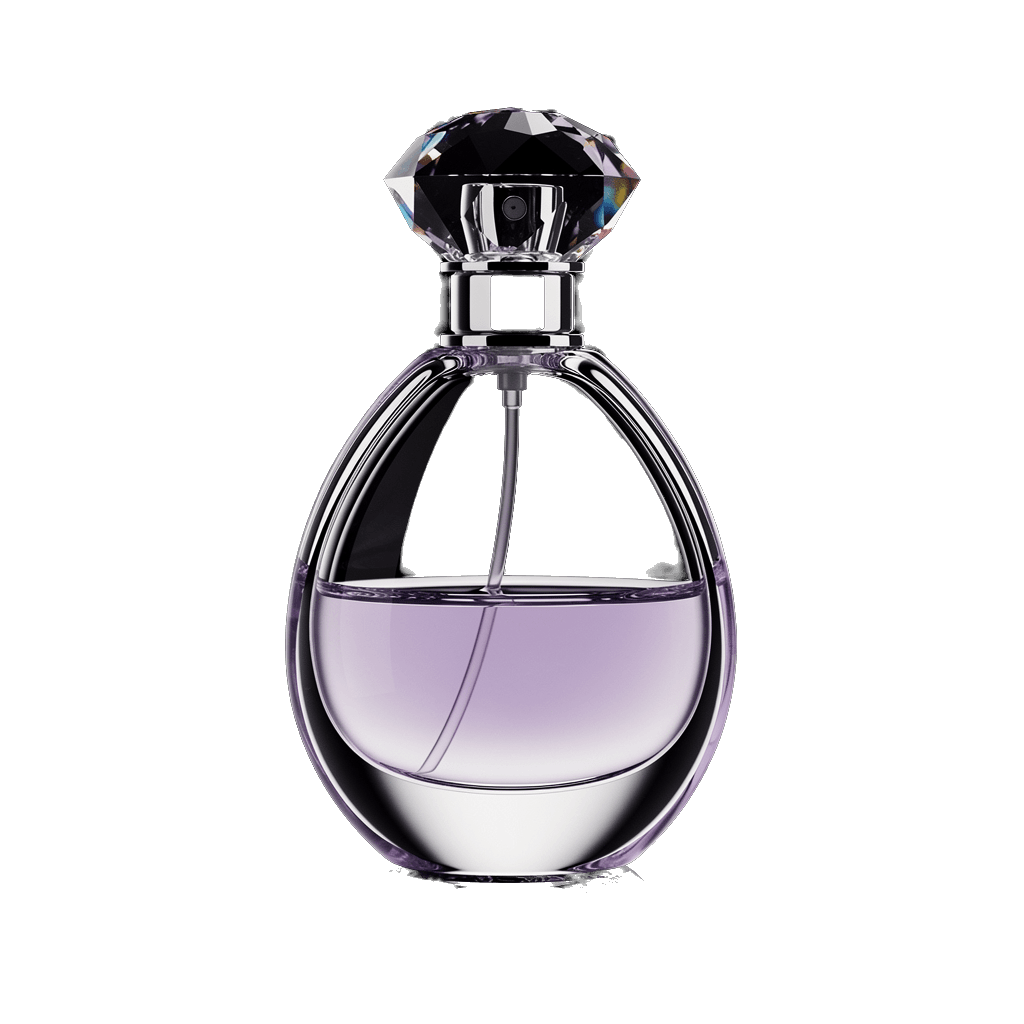
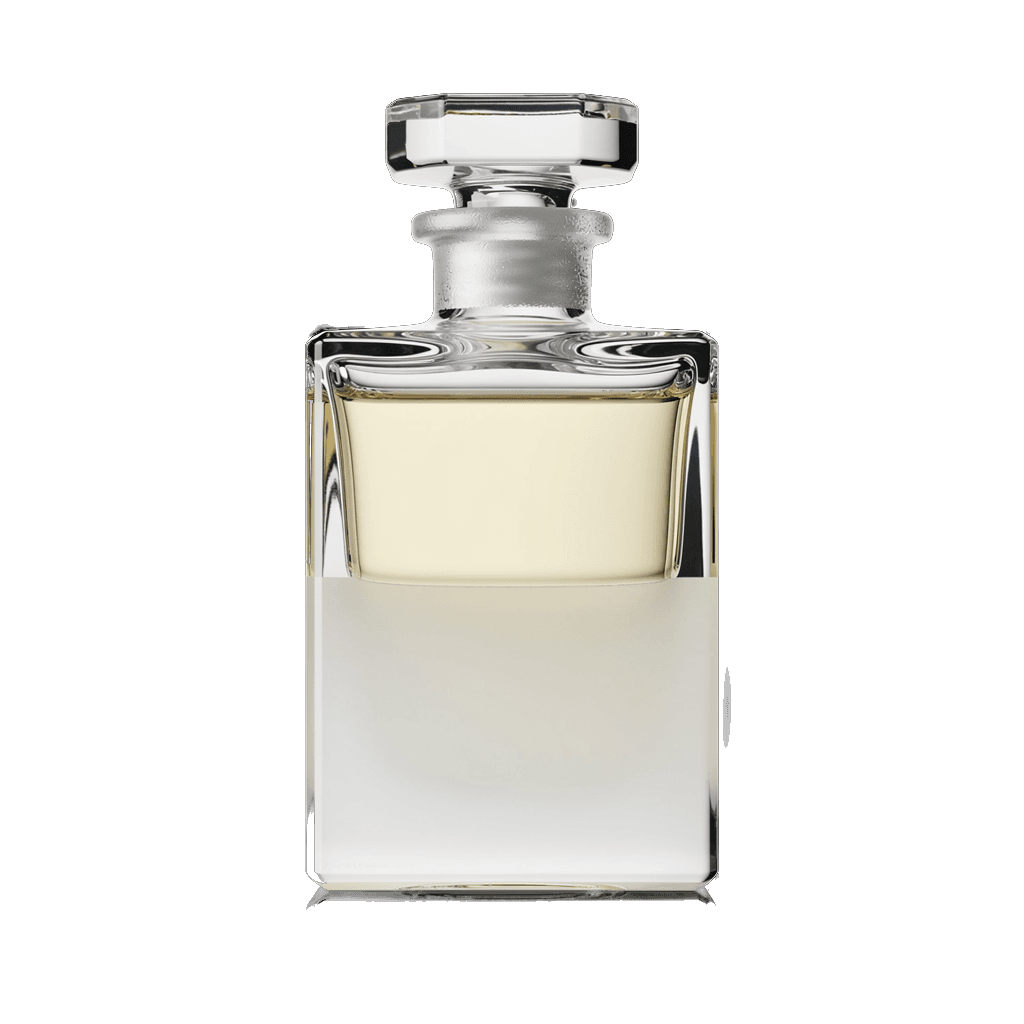
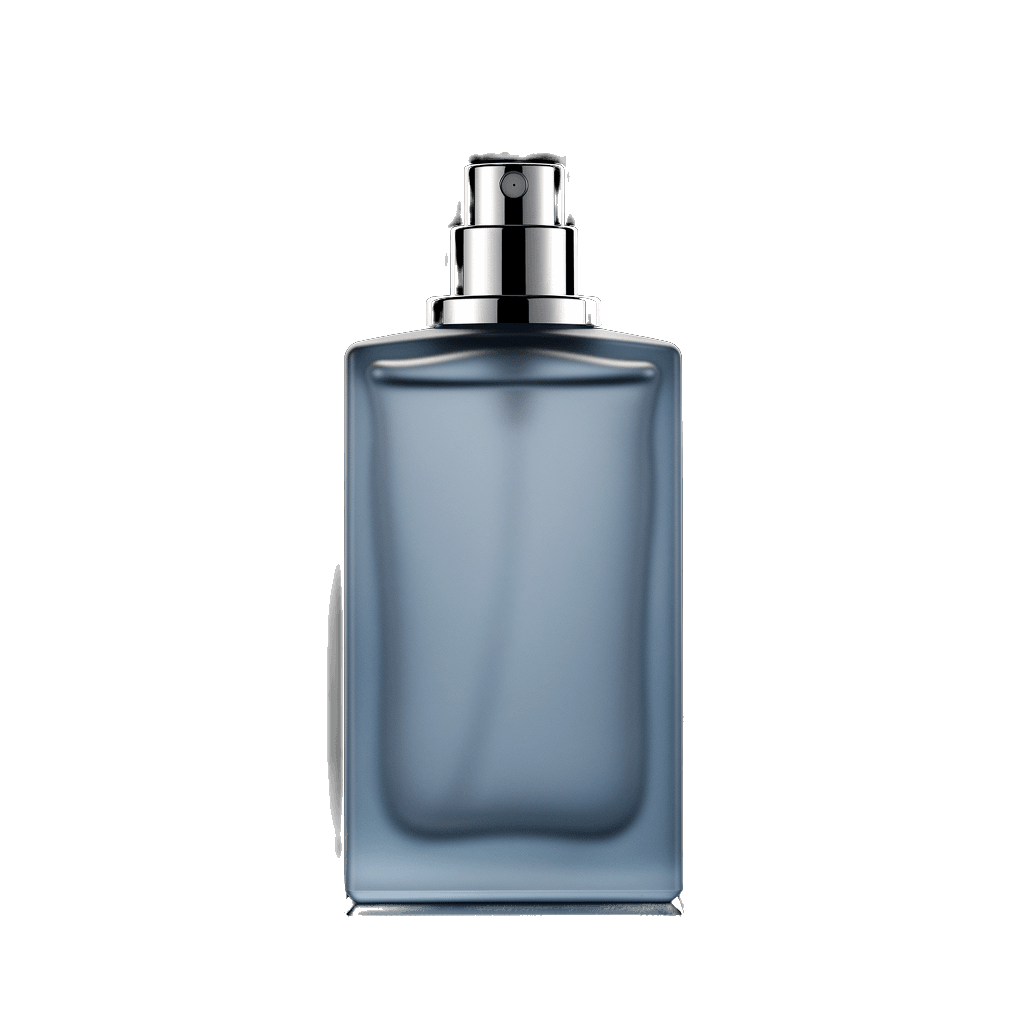
Cattier’s visual language mirrors its fragrance philosophy: clean, understated, and rooted in nature. Bottles are typically clear or lightly tinted glass, allowing the colour of the perfume to become the focal point. The caps are simple metal or wooden finishes, chosen to complement the scent’s character rather than dominate the design. Labels feature a sans‑serif typeface in muted tones, often accompanied by a small illustration of the primary botanical ingredient, such as a sprig of lavender or a slice of citrus. The overall look evokes a laboratory notebook or a field guide, reinforcing the brand’s emphasis on authenticity. In retail spaces, Cattier displays its products on reclaimed wood shelves, surrounded by potted herbs and dried flower arrangements that echo the ingredients inside the bottles. The brand’s website continues this aesthetic, using ample white space, high‑resolution macro photography of raw materials, and concise copy that avoids hyperbole. Seasonal campaigns highlight the landscape that inspired each fragrance, with images of Provençal vineyards, Mediterranean groves, or Alpine meadows, reinforcing the connection between scent and place. This restrained visual approach positions Cattier as a quiet alternative to more flamboyant niche houses, appealing to consumers who prefer substance over spectacle.
Philosophy
Cattier views perfume as a direct expression of the plant world. The house believes that a scent should be traceable to its source, so it publishes the botanical origin of every essential oil used. This transparency reflects a broader commitment to honesty in an industry often clouded by marketing jargon. Cattier prioritises sustainability, selecting suppliers who practice organic farming, fair trade, and biodiversity preservation. The brand also limits the use of synthetic aromachemicals, reserving them for cases where they are essential to stability or safety. Creativity at Cattier emerges from the dialogue between terroir and the perfumer’s intuition; rather than imposing a concept first, the house lets the character of the raw material guide the composition. This approach results in fragrances that feel like a snapshot of a specific place or season, whether it is the citrus groves of the French Riviera or the lavender fields of Provence. Cattier’s values extend beyond the bottle: the company supports local growers, invests in research on sustainable extraction methods, and educates consumers about the lifecycle of a perfume from seed to spray. By treating each ingredient with respect, Cattier aims to create scents that age gracefully and maintain their integrity over time.
Key Milestones
1932
Jean Cattier establishes his perfumery workshop in Grasse, focusing on essential oil production.
1950
Cattier releases its first fully natural perfume, marking a departure from the synthetic trends of the era.
2008
Launch of the Cattier Parfums line, introducing seasonal Eau de ... fragrances such as Eau de Mai and Eau de Provence.
2015
Opening of the flagship boutique in Paris, bringing the Grasse heritage to the capital’s fragrance scene.
2020
Introduction of a sustainability program that partners with organic farms and publishes detailed ingredient sheets.
2022
90th anniversary celebration with a limited edition re‑release of Tonissima and a retrospective exhibition in Grasse.
At a Glance
Brand profile snapshot
Origin
France
Founded
1932
Heritage
94
Years active
Collection
1
Fragrances released
Avg Rating
5.0
Community sentiment