The Heritage
The Story of Code Deco
Code Deco is an artisanal perfume house rooted in Singapore’s vibrant creative scene. Founded by Gauri Garodia, the brand blends her corporate fragrance experience with a personal love of music and colour. Each scent arrives in a sleek bottle that feels like a miniature work of art, inviting the wearer to explore a story told through notes rather than slogans. Code Deco’s line, launched in 2013, includes fragrances such as B Minor, Blanc One and Malabar, each named to echo a musical key or a place that inspired its aroma. The house positions itself as a laboratory for curious noses, favouring thoughtful composition over mass‑market trends.
Heritage
Code Deco emerged in 2013 when Gauri Garodia, a former Unilever perfumer with a postgraduate degree from IIM Ahmedabad, decided to translate her industry expertise into a boutique venture. Garodia’s career began in 1996 at Unilever, where she worked on global fragrance projects and built a network of raw‑material suppliers across Asia and Europe. After a decade of corporate work, she returned to Singapore with a vision: to create a small‑scale house that could experiment freely without the constraints of large‑scale production. The first collection, released in late 2013, featured B Minor, A Minor and Damasc, all referencing musical scales that reflected Garodia’s background in classical piano. The following year, Blanc One arrived, a crisp, citrus‑driven scent that quickly became a reference point for the brand’s clean aesthetic. In 2015, Code Deco introduced Malabar, a warm, woody fragrance inspired by the Indian coastal region, signalling the house’s willingness to draw on personal geography. By 2018 the brand opened its first physical boutique in the Tanjong Pagar district, offering customers a tactile experience of the bottles and the stories behind them. A 2020 collaboration with Singaporean visual artist Lim Wei‑Kang produced a limited‑edition series where each bottle featured hand‑painted motifs, merging scent with contemporary art. In 2022 the house announced a shift to recyclable aluminium caps and glass that incorporates post‑consumer recycled content, aligning its production with broader sustainability goals. Throughout its decade, Code Deco has remained independent, sourcing ingredients from both traditional French houses and emerging Asian farms, and maintaining a small, in‑house team that oversees formulation, testing and packaging. The brand’s evolution reflects a steady commitment to craft, curiosity and a personal touch that distinguishes it from larger, corporate perfume houses.
Craftsmanship
Every Code Deco fragrance begins with a brief that ties a scent to a concept—often a musical key, a place or a colour. Garodia works closely with a handful of master perfumers, many of whom are based in France, to translate that brief into an oil blend. The house sources natural absolutes such as Indian sandalwood, Madagascan vanilla and Turkish rose from farms that adhere to fair‑trade standards. Synthetic aromachemicals are employed when they enhance stability or allow a note to shine without compromising the natural character of the blend. Once a formula is agreed upon, the mixture is aged in stainless‑steel tanks for several weeks, a period Garodia describes as "letting the melody settle." Quality control includes gas‑chromatography analysis to verify concentration levels and blind panel testing with a rotating group of fragrance enthusiasts. Bottles are hand‑filled in a climate‑controlled lab in Singapore, and each batch is signed by the chief creative before sealing. The packaging uses thick, amber glass to protect the perfume from light, and the caps are machined from aluminium that can be recycled. In 2022 the house introduced a refill‑program, allowing customers to return empty bottles for sterilised refills, reducing waste while preserving the original scent profile. Throughout the process, the brand emphasizes traceability, documenting each ingredient’s origin and the supplier’s certification, which is then made available to consumers upon request.
Design Language
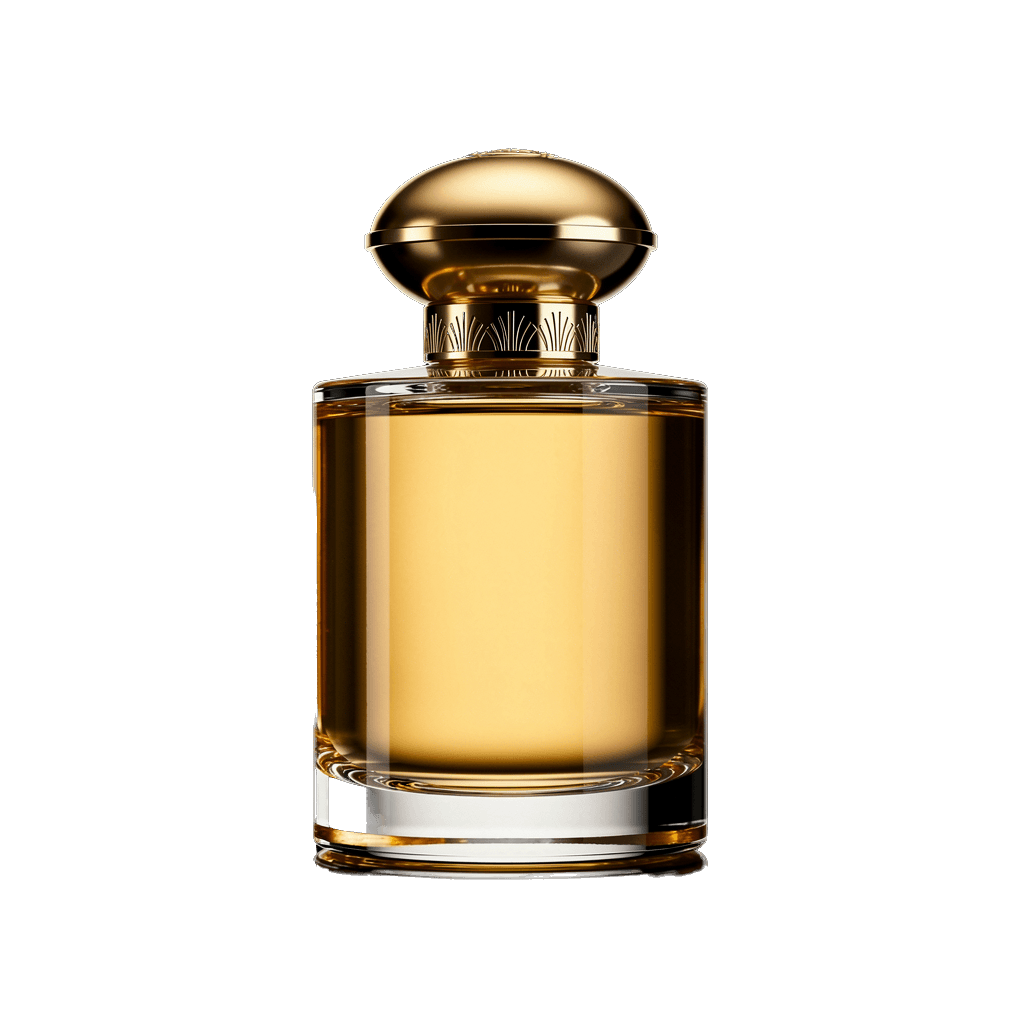
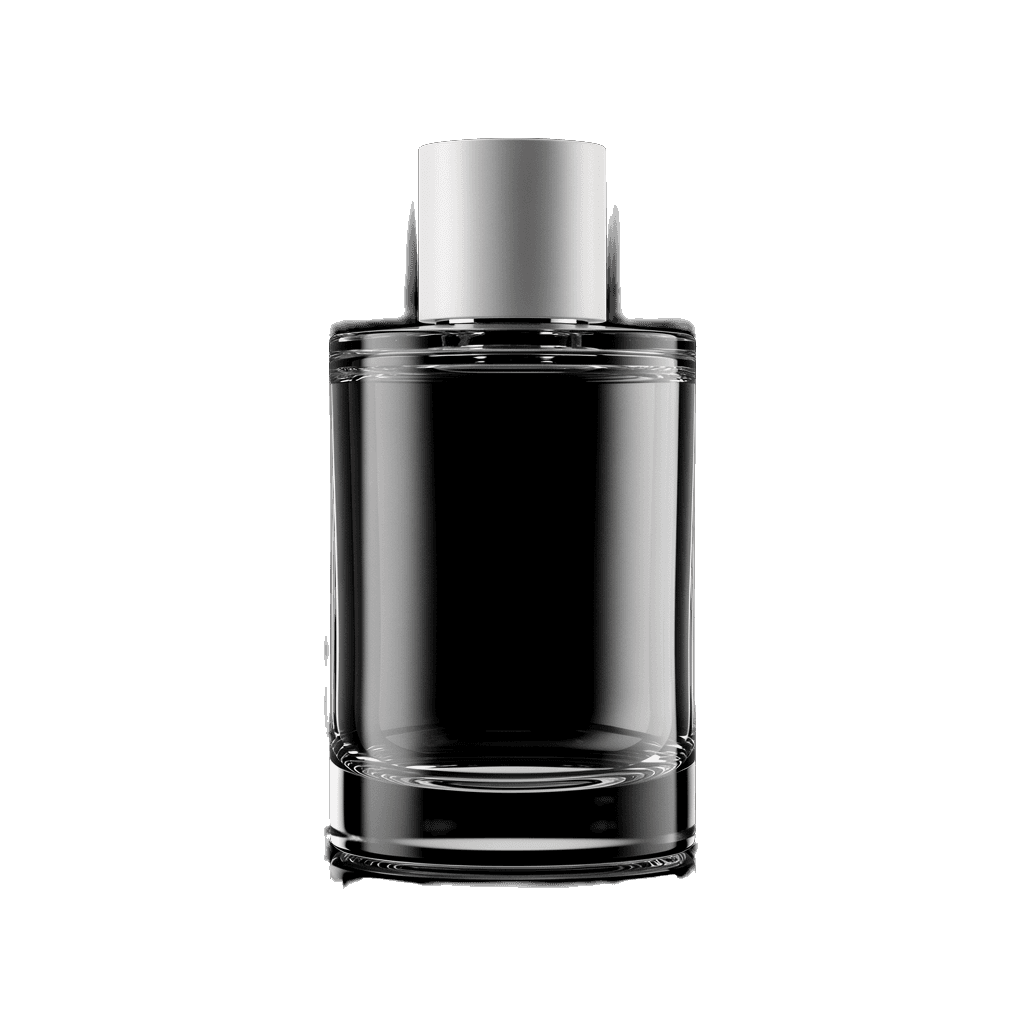
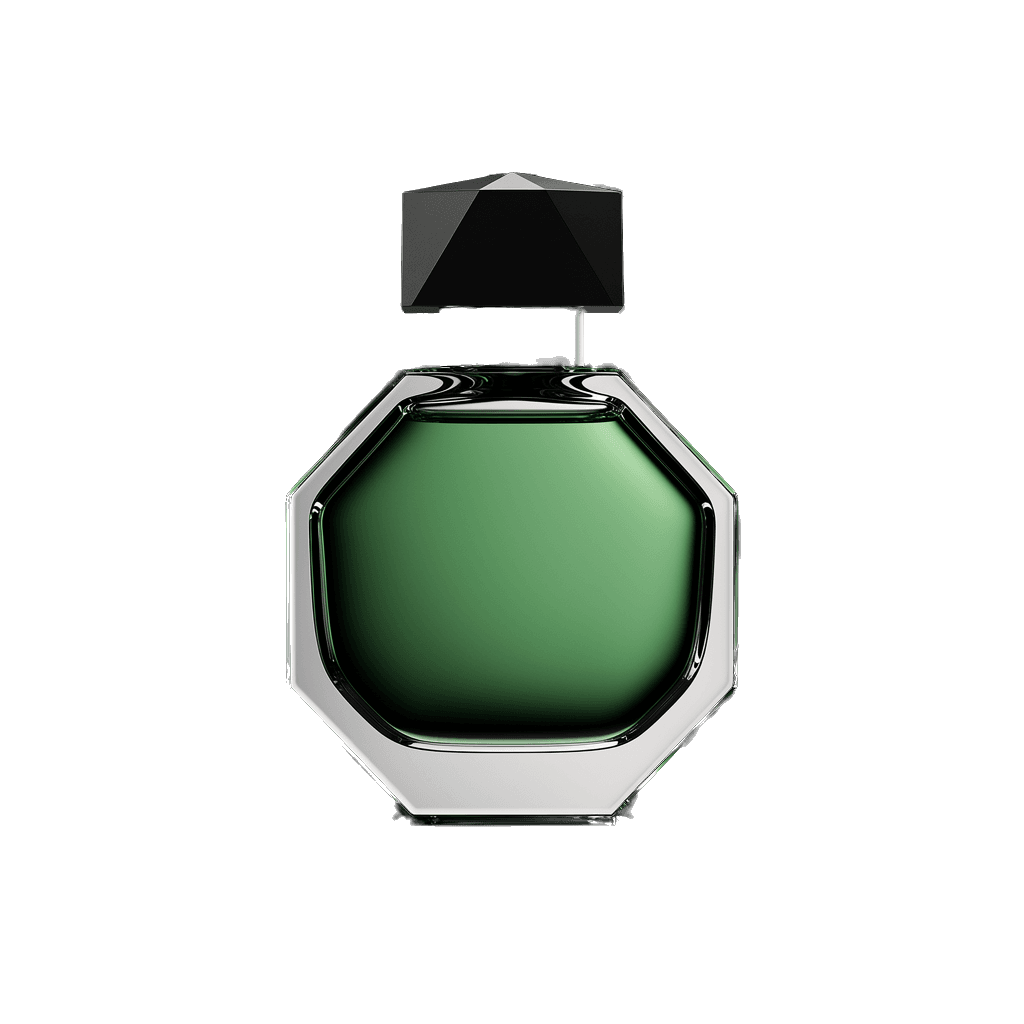
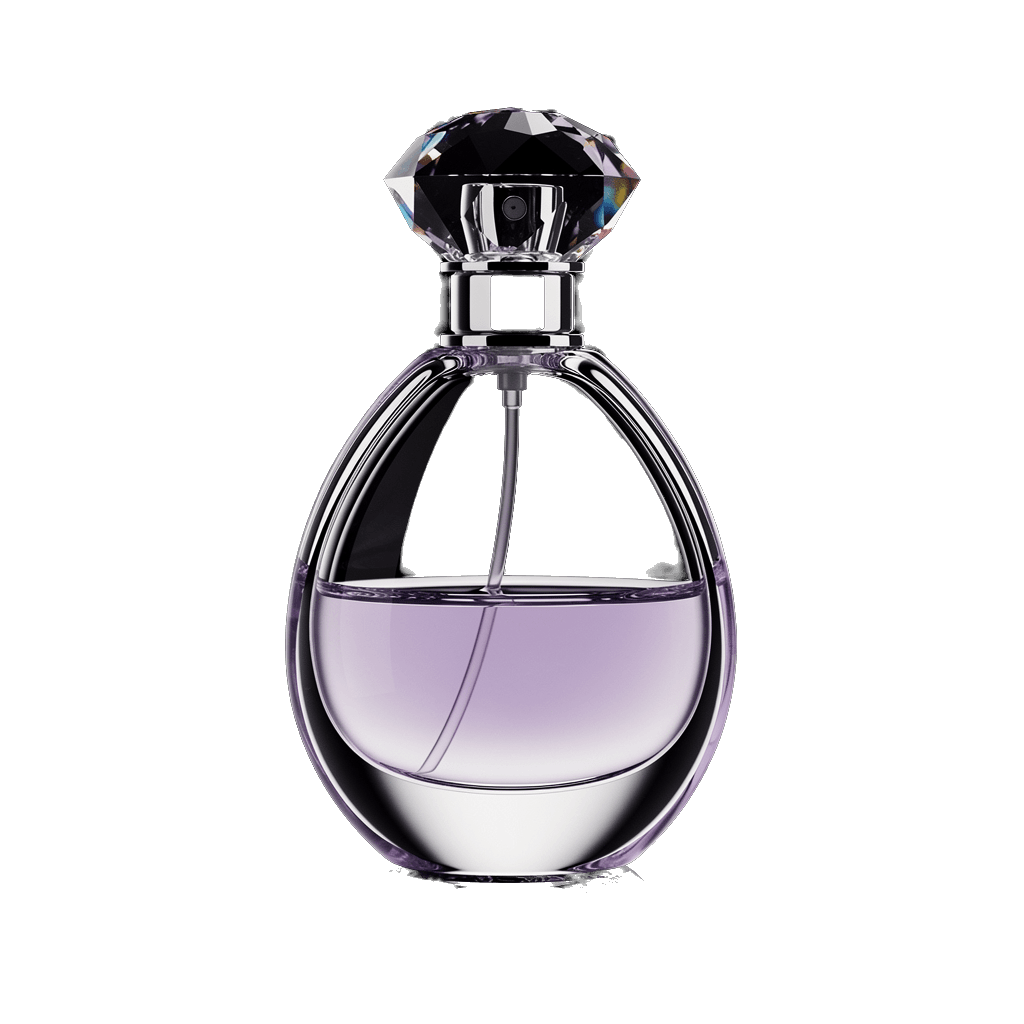
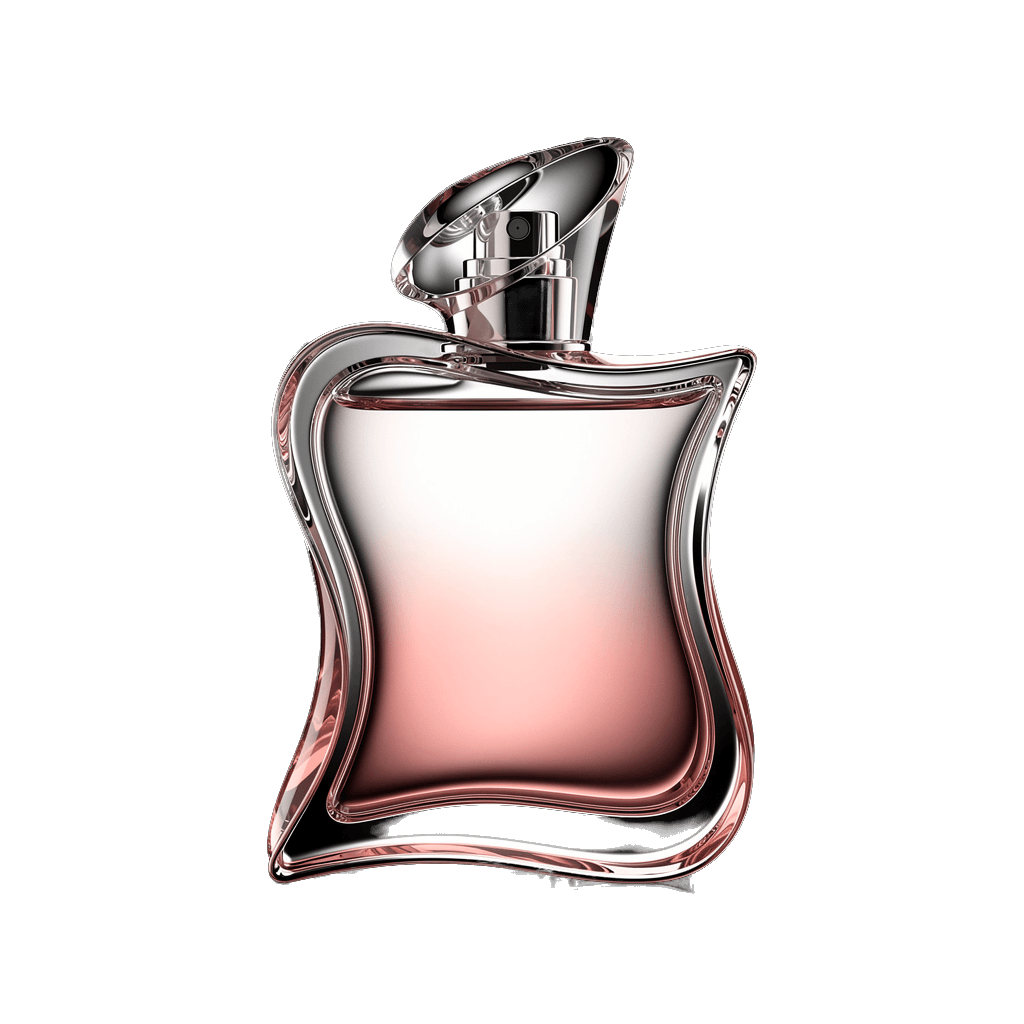
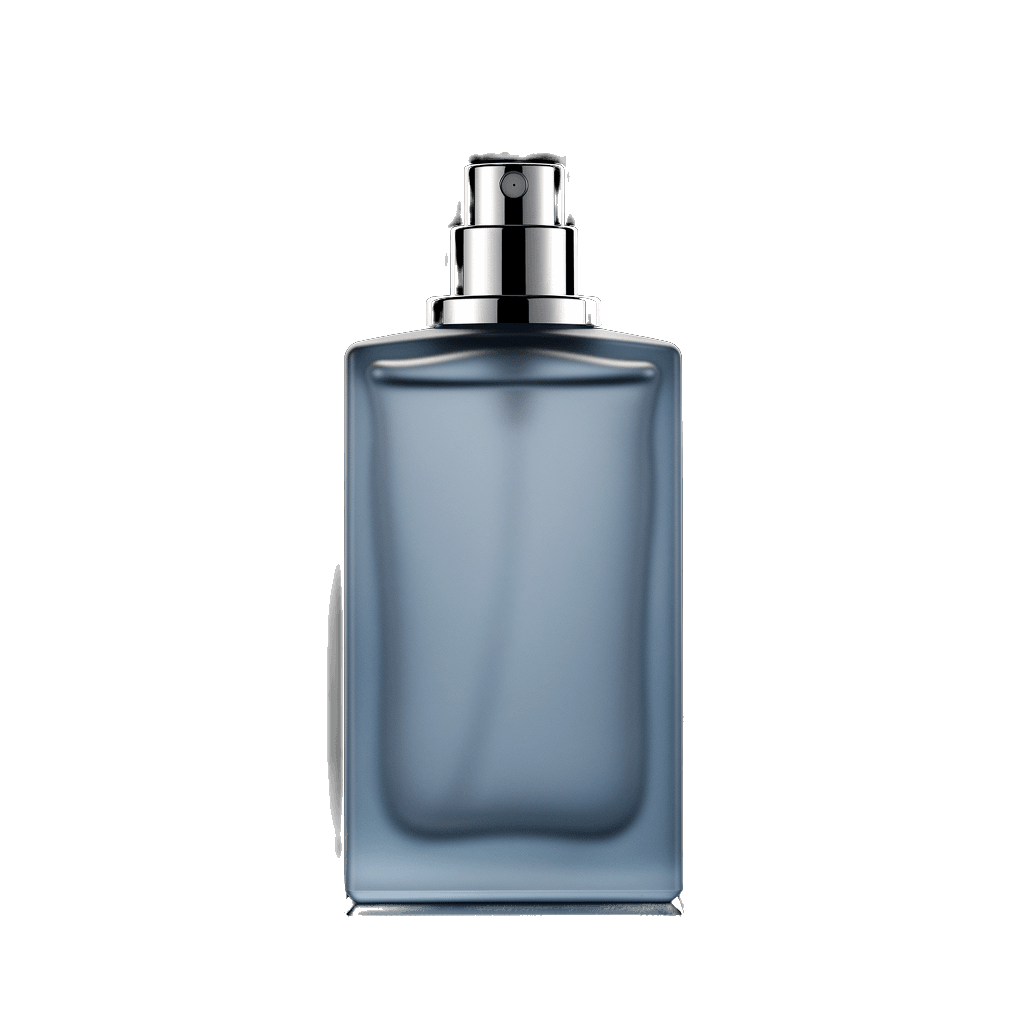
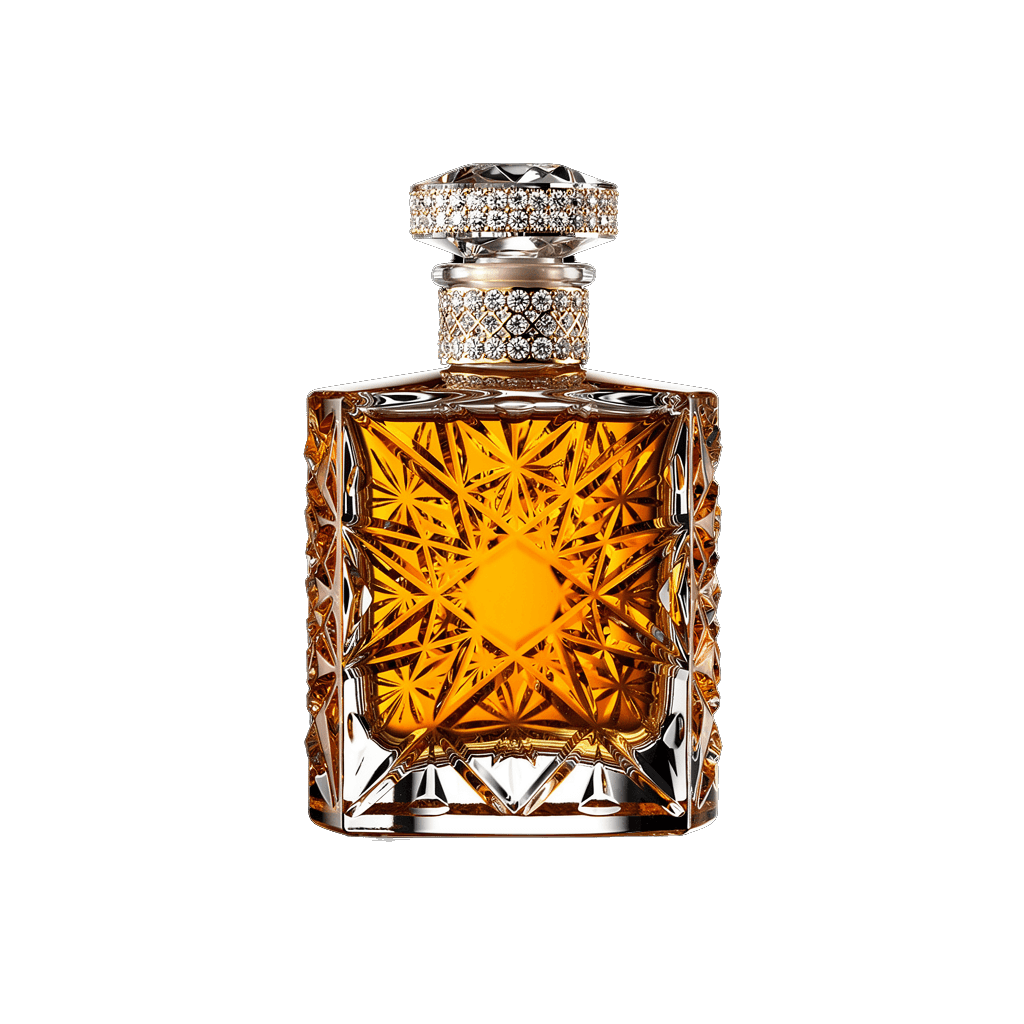
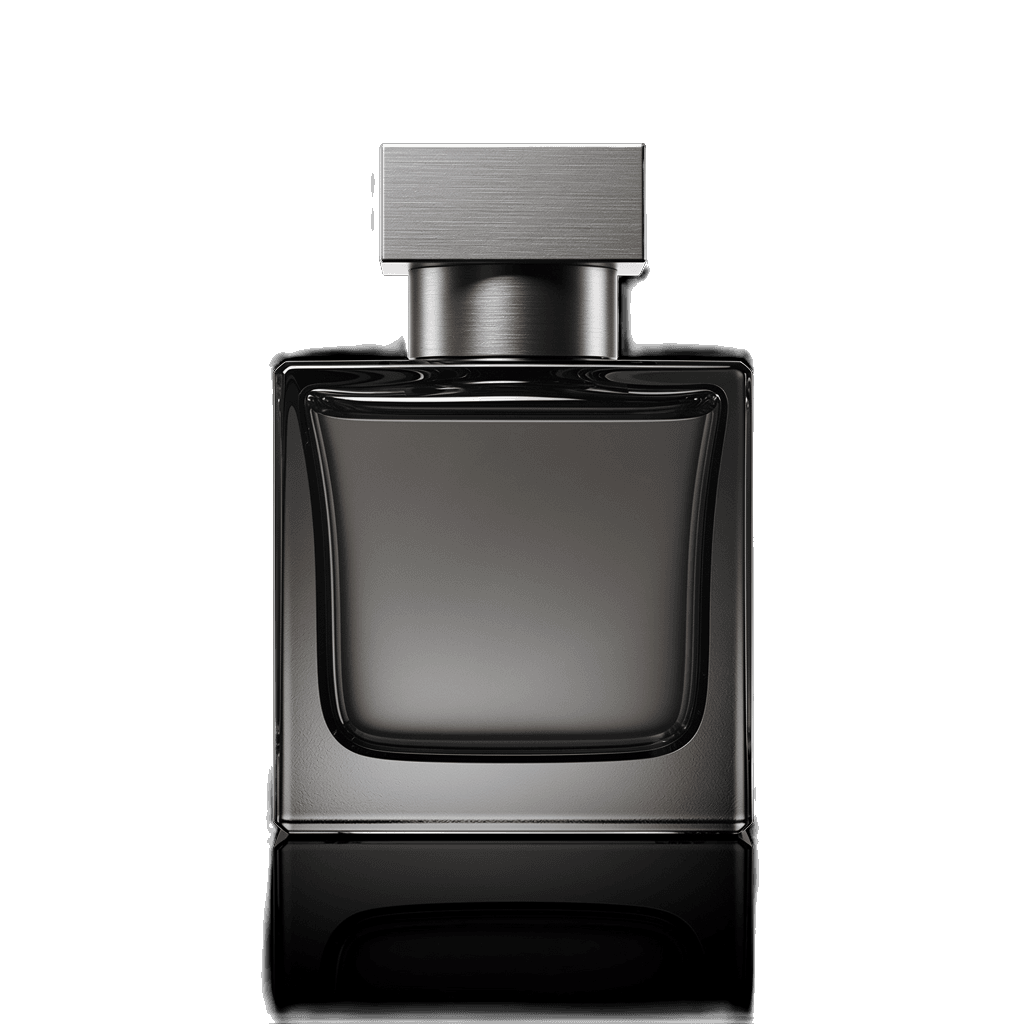
Code Deco’s visual language mirrors its musical inspiration. Bottles feature clean, geometric silhouettes reminiscent of Art Deco architecture, with subtle curvature that catches the light. The glass is often tinted in muted hues—soft ivory for Blanc One, deep amber for Malabar—creating a visual cue for the scent’s character. Labels are printed in a crisp sans‑serif typeface, with the fragrance name rendered in a larger, stylised font that hints at a musical notation. Caps are brushed aluminium, occasionally accented with a thin strip of coloured enamel that matches the bottle’s tint. The brand’s marketing materials favour high‑contrast photography: a single bottle placed against a textured backdrop, accompanied by a short, poetic line that references the scent’s narrative. In the boutique, the interior design employs polished concrete, warm wood accents and understated lighting, allowing the fragrances to become the focal point rather than the décor. Seasonal limited editions often incorporate bespoke artwork on the packaging, collaborating with local illustrators to create a collector’s piece that feels both contemporary and timeless.
Philosophy
Code Deco’s creative vision rests on the belief that fragrance should act as a personal soundtrack rather than a generic statement. Garodia often describes the house’s approach as "listening to the world and translating those sounds into scent." This philosophy drives the selection of raw materials, the naming conventions and the way each perfume is presented. The brand values transparency, choosing suppliers who can trace the origin of their extracts and who practice sustainable harvesting. It also embraces a minimalist aesthetic, allowing the perfume itself to speak without excessive marketing language. In practice, the house holds regular scent‑workshops where a small group of enthusiasts can experience the development process, offering feedback that sometimes reshapes a composition before launch. Code Deco’s values include curiosity, craftsmanship and cultural dialogue; the house frequently references music, architecture and travel in its narratives, inviting wearers to imagine a scene as they apply the fragrance. By keeping the team lean, the brand maintains direct control over each step, ensuring that the final product aligns with its original artistic intent.
Key Milestones
2013
Code Deco founded in Singapore by Gauri Garodia and launches first collection (B Minor, A Minor, Damasc).
2014
Release of Blanc One, establishing the brand’s clean, minimalist scent profile.
2015
Malabar debuts, expanding the palette to warm, woody compositions inspired by Indian coasts.
2018
Opening of the first Code Deco boutique in Tanjong Pagar, offering immersive scent experiences.
2020
Collaboration with Singaporean artist Lim Wei‑Kang for a limited‑edition hand‑painted bottle series.
2022
Introduction of recyclable aluminium caps and a refill program to reduce packaging waste.
At a Glance
Brand profile snapshot
Origin
Singapore
Founded
2013
Heritage
13
Years active
Collection
1
Fragrances released
Avg Rating
3.7
Community sentiment
Release Rhythm