
The Heritage
The Story of Cognoscenti
Cognoscenti is a boutique fragrance house that builds its identity around numbered scents and a disciplined, artistic approach to perfume creation. Founded by architect‑turned‑perfumer Dannielle Sergent, the label offers a compact catalogue of unisex fragrances that balance unconventional ingredients with a clear, minimalist aesthetic. Each bottle carries a simple numeric label, inviting wearers to explore scent without the weight of marketing hype.
Heritage
Cognoscenti emerged in the early 2010s when Dannielle Sergent, originally trained as an architect and visual artist, turned her attention to the chemistry of scent. She studied under Japanese‑American perfumer Yosh Han, whose mentorship in San Francisco helped translate her spatial sensibilities into olfactory form. In 2012 the brand released its first three fragrances – No 1 Bergamot Sage, No 16 Tomato Leather and No 19 Warm Carrot – all presented as gender‑neutral compositions. The numbered system, rather than traditional names, reflected Sergent’s desire to let the scent speak for itself. Over the next several years the house expanded its range with experimental notes: No 8 Aldehydic Oakmoss (2013) explored classic chypre structures, No 17 Civet Chypre (2014) re‑imagined a historically controversial ingredient, and No 30 Hay Incense (2016) combined agrarian and smoky accords. By 2019 the line introduced Wild Child, a more playful offering that still adhered to the brand’s minimalist ethos. Throughout its development Cognoscenti has remained a small‑scale operation, producing limited batches and maintaining direct control over formulation, packaging and distribution. The brand’s evolution illustrates a steady commitment to craft over commerce, positioning it as a niche choice for collectors who value artistic integrity and experimental composition.
Craftsmanship
Cognoscenti’s production process blends artisanal techniques with a disciplined laboratory environment. Raw materials are selected from specialty suppliers who can provide small‑lot extracts, ensuring each ingredient retains its distinctive character. The house favors natural absolutes and isolates when they align with the intended composition, but it does not shy away from synthetics that enhance stability or nuance. Formulations are created in a private studio where Sergent personally oversees the blending, often testing the perfume on blotter and skin over several weeks to gauge evolution. Once a formula is finalized, the perfume is macerated for a minimum of three months, allowing the volatile and base notes to integrate fully. Bottling occurs in glass vessels that are hand‑filled and sealed with simple caps, reinforcing the brand’s minimal aesthetic. Quality control includes batch‑to‑batch olfactory checks by the founder and a secondary perfumer, ensuring consistency across limited releases. The small scale of production means each launch is a curated event, with the brand typically issuing a handful of new numbers each year rather than a continuous stream of products.
Design Language
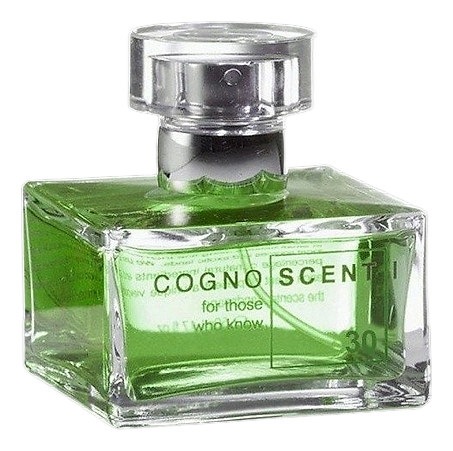
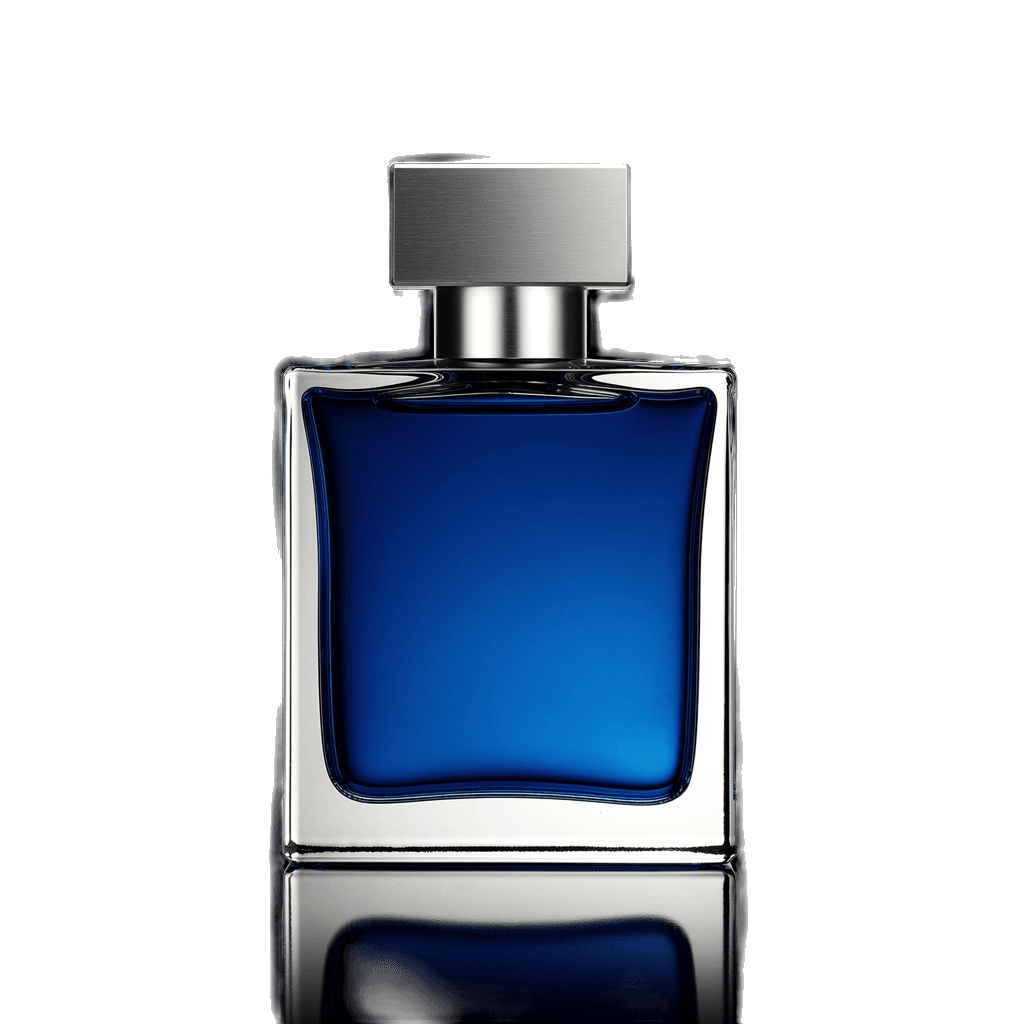
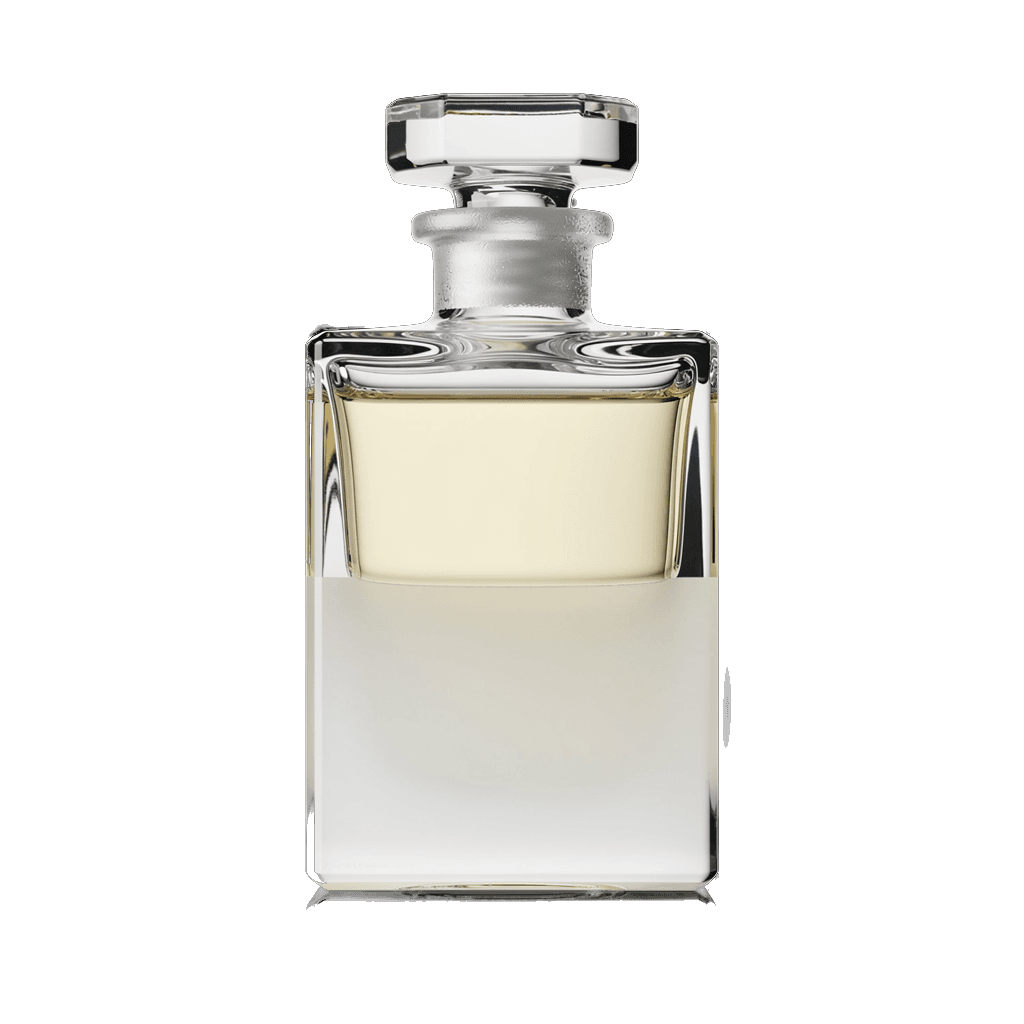
Visually, Cognoscenti embraces restraint. Bottles are clear glass with a thin, matte black or white label that displays only the numeric identifier and a brief note list. The typography is sans‑serif, echoing the brand’s architectural roots and reinforcing a sense of quiet confidence. No decorative motifs or elaborate caps distract from the liquid inside; the design invites the consumer to focus on the scent itself. Packaging for shipments often includes recycled cardboard inserts that echo the minimalist palette. The brand’s online presence mirrors this aesthetic, featuring clean layouts, ample white space and concise copy that avoids superfluous adjectives. This visual language reinforces the idea that the perfume is an object of study as much as an object of pleasure, appealing to collectors who appreciate both form and function.
Philosophy
The creative vision at Cognoscenti is rooted in the belief that fragrance is a form of architecture – a structure built from scent molecules that can be entered, explored and inhabited. Sergent describes her work as an intersection of art, science and personal expression, where each numbered perfume acts as a modular room within a larger olfactory building. The house emphasizes unisex wearability, allowing each composition to adapt to the wearer’s chemistry rather than imposing a gendered narrative. Ingredient choices often gravitate toward the unexpected – tomato, carrot, hay – reflecting a curiosity about everyday materials and their latent aromatic potential. Sustainability is approached pragmatically; the brand sources raw materials in small, traceable batches and avoids over‑production. Transparency about formulation is a core value, with each fragrance’s note list published openly so enthusiasts can understand the construction. This philosophy extends to the brand’s communication style, which favors clear, factual descriptions over hyperbole, inviting knowledgeable consumers to engage with the scent on its own terms.
Key Milestones
2012
Launch of the inaugural trio: No 1 Bergamot Sage, No 16 Tomato Leather, and No 19 Warm Carrot, establishing the numbered, unisex concept.
2013
Release of No 8 Aldehydic Oakmoss, marking the brand’s first foray into classic chypre territory with a modern twist.
2014
Introduction of No 17 Civet Chypre, reinterpreting a historically controversial note within a contemporary framework.
2015
Debut of No 32 Blue Oud, expanding the palette to include deep, resinous accords.
2016
Launch of No 30 Hay Incense, blending agrarian and smoky elements to highlight the brand’s experimental edge.
2019
Release of Wild Child, a more playful composition that retained the house’s minimalist packaging.
At a Glance
Brand profile snapshot
Origin
United States
Founded
2012
Heritage
14
Years active
Collection
1
Fragrances released
Avg Rating
4.0
Community sentiment
Release Rhythm