The Heritage
The Story of Crabtree & Evelyn
Crabtree & Evelyn offers a curated range of scented soaps, candles and personal fragrances that echo the brand’s travel‑inspired roots. The collection blends botanical ingredients with classic British styling, giving scent‑seekers a reliable point of reference for everyday luxury without the hype. Each product carries a story of place, plant and a touch of curiosity.
Heritage
Cyrus Harvey Jr. opened a modest shop called The Soap Box in Cambridge, Massachusetts in 1955. Harvey, a co‑founder of Janus Films, traveled widely and brought back exotic soaps that he displayed on wooden shelves. The shop’s name combined the wild crabapple tree, known locally as a crabtree, with the 17th‑century botanist John Evelyn, a nod to the founder’s love of natural history. By the early 1970s the business expanded beyond the United States, opening its first London boutique in 1972 and establishing a foothold in the United Kingdom’s department‑store market. In 1985 the brand launched its first fragrance‑focused line, introducing scents such as Savannah Gardens and Spring Rain, which quickly found a niche among consumers seeking garden‑inspired aromas. The 1990s saw a shift toward broader personal‑care categories, adding body lotions, hand creams and a line of home fragrances. In 2012 a Hong‑Kong‑based group acquired the brand, prompting a redesign of packaging and a renewed emphasis on global sourcing. The United States retail presence closed in 2016, but the brand continued to sell through its website and select international partners. Throughout its more than six‑decade history, Crabtree & Evelyn has maintained a reputation for blending travel‑inspired storytelling with accessible, plant‑forward products, a formula that keeps the name recognizable in both fragrance and home‑care circles.
Craftsmanship
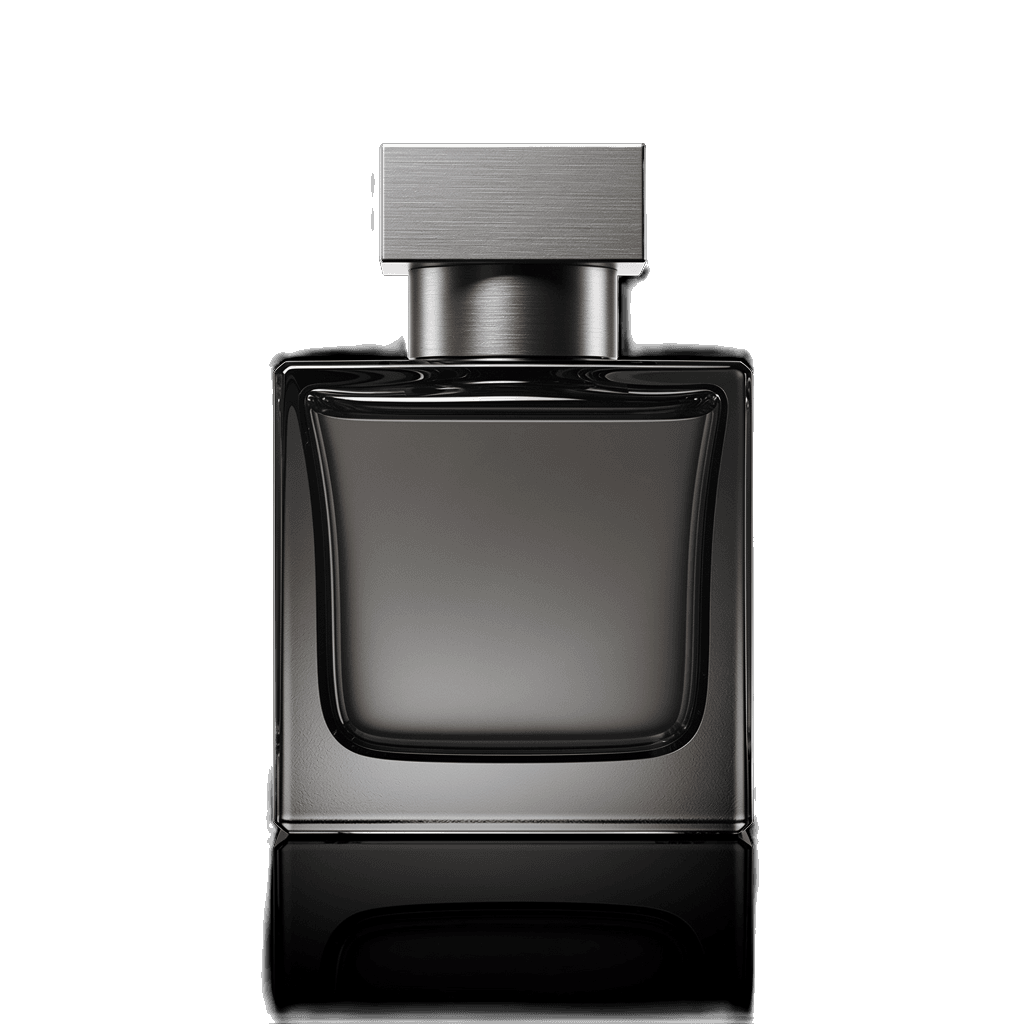
Crabtree & Evelyn blends ingredients in small batches to preserve the integrity of each oil. The company sources sandalwood from the Mysore region of India, where the wood is harvested under a regulated quota that protects the species. Patchouli comes from Indonesian farms that use traditional drying methods, allowing the leaf to retain its earthy depth. Citrus extracts, such as West Indian lime, are cold‑pressed within hours of harvest to capture bright top notes. After blending, the mixtures undergo a low‑temperature distillation process that minimizes volatile loss. The brand tests each batch against a sensory panel that includes perfumers and long‑time customers, ensuring consistency across production runs. Packaging materials are selected for durability and recyclability; glass bottles are sealed with metal caps that feature a brushed finish, while the outer boxes use recycled paper with soy‑based inks. Quality control includes a final stability test that simulates six months of storage at varying temperatures, confirming that the fragrance maintains its intended profile. By combining traditional botanical techniques with modern analytical tools, the brand strives to deliver scents that feel both authentic and reliable.
Design Language
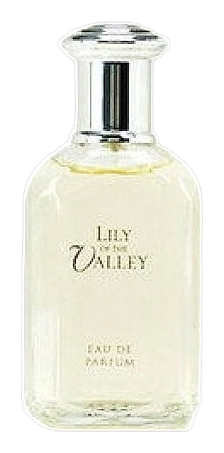
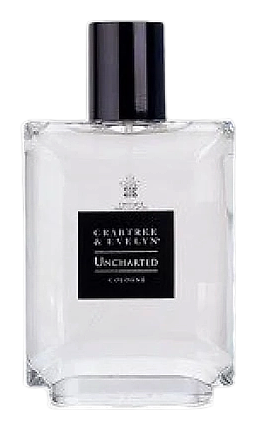
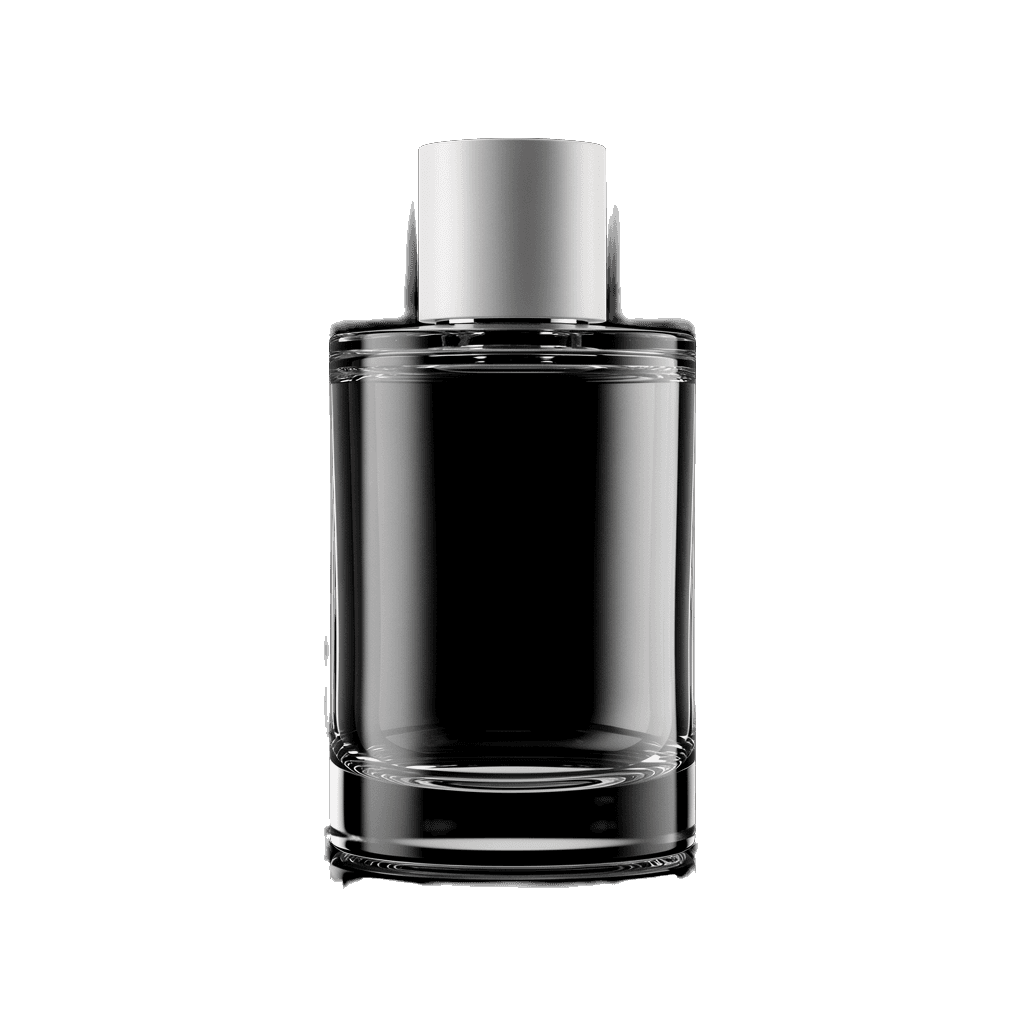
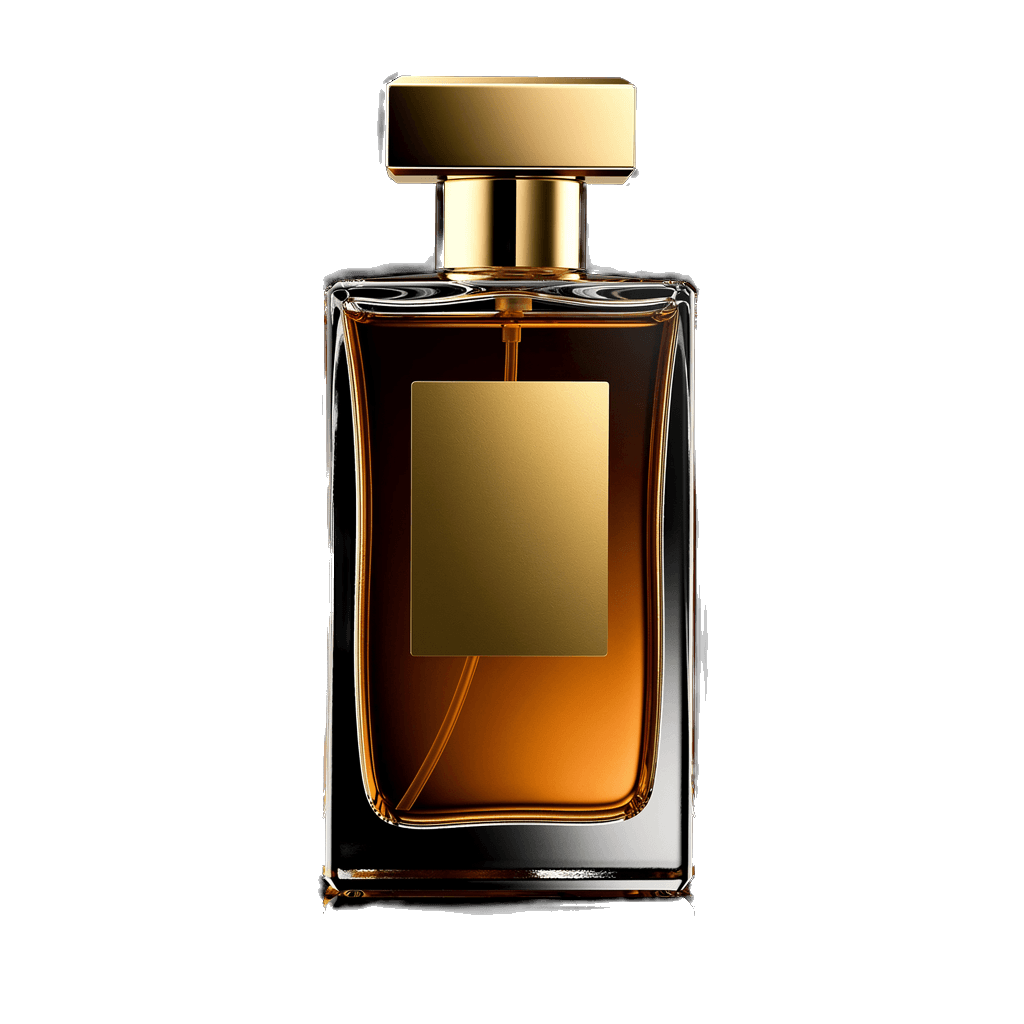
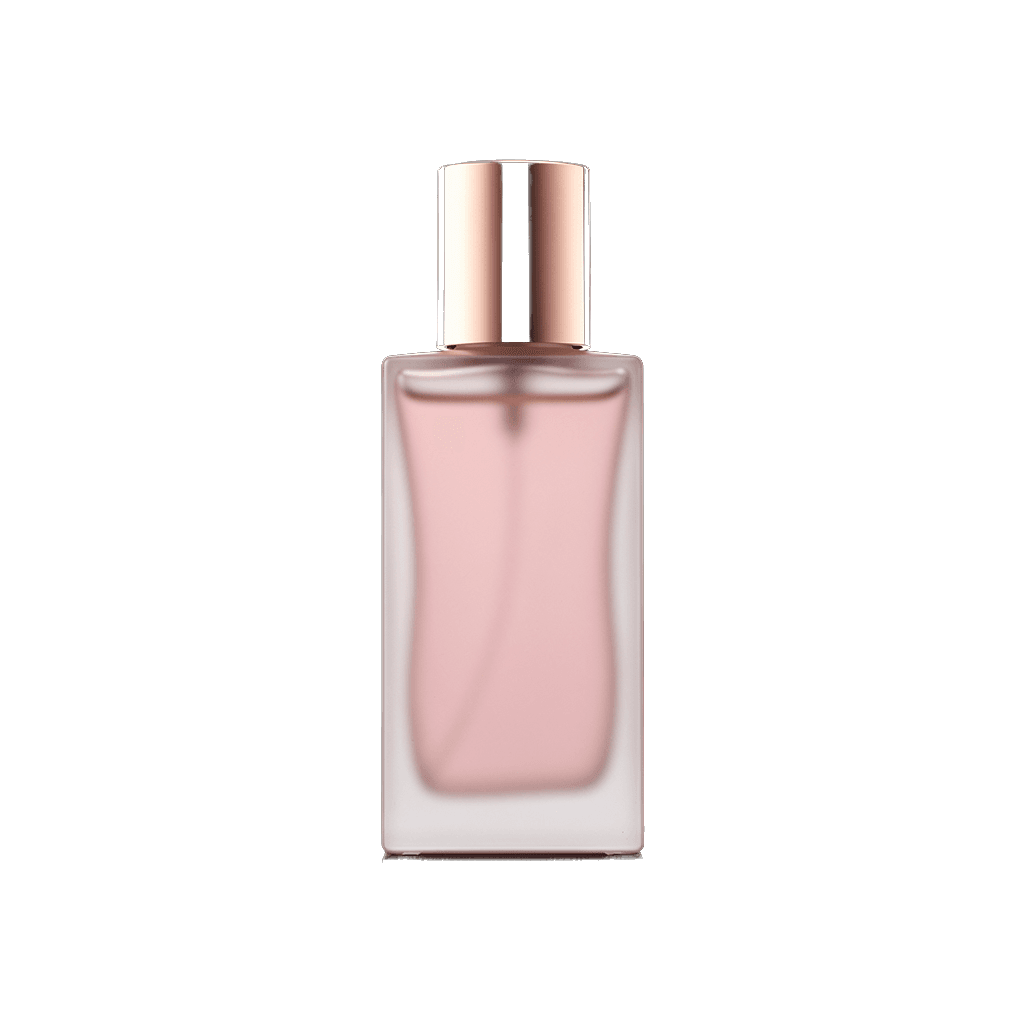
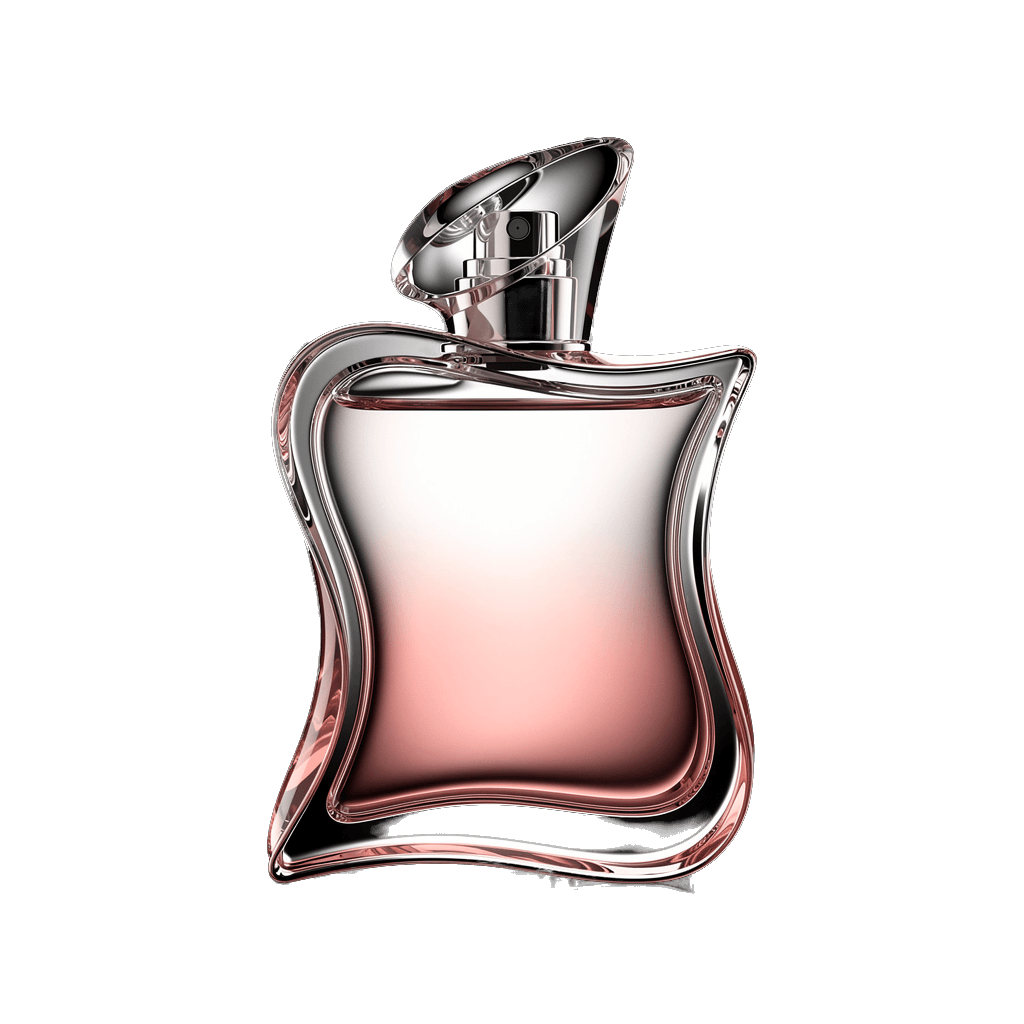
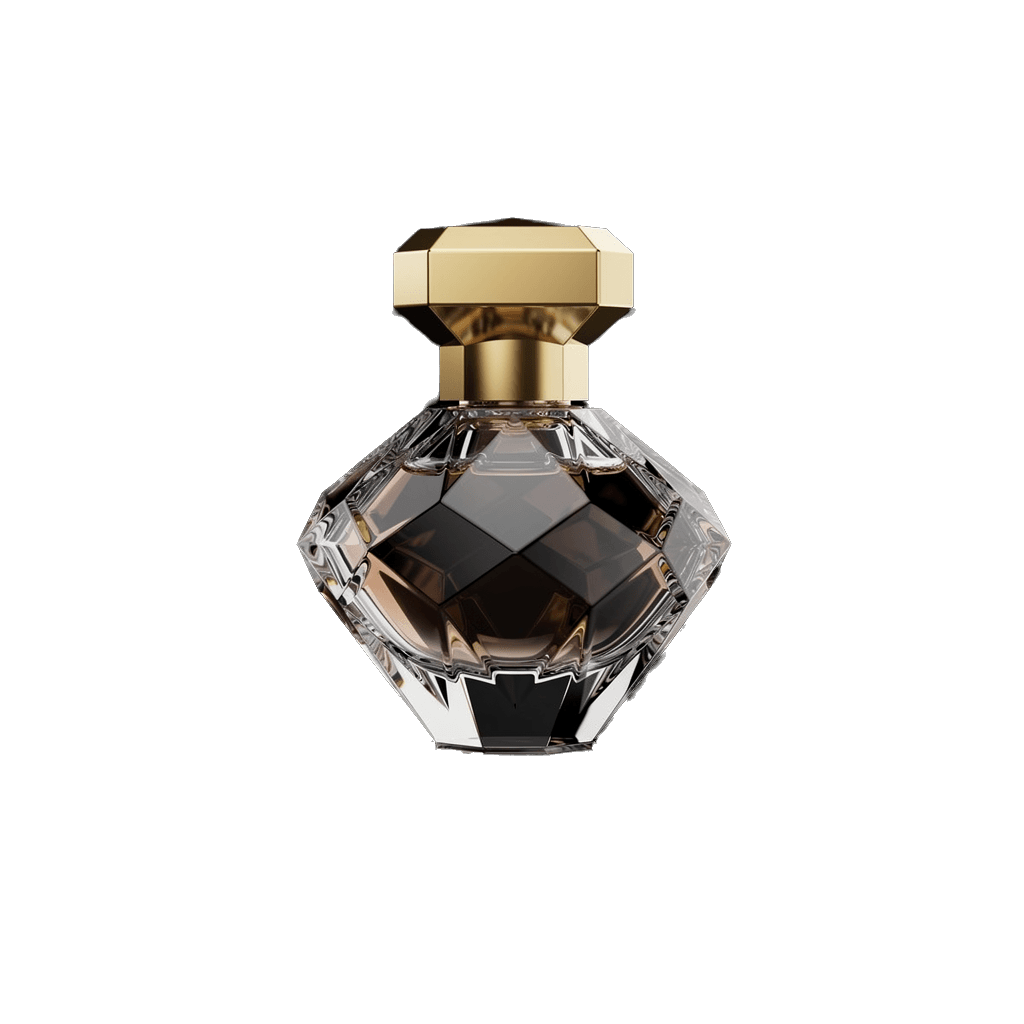
Visual identity leans on a restrained palette of deep green, ivory and brushed gold. The logo, a stylized crabapple branch intertwined with a quill, appears on all product surfaces, reinforcing the link between nature and written tradition. Bottles follow a classic silhouette: a rounded base, a short neck and a simple, screw‑top cap that feels solid in the hand. Labels feature hand‑drawn botanical illustrations that reference the scent’s key ingredients, a design choice that echoes the founder’s travel journals. In‑store displays use reclaimed wood and soft lighting to create a calm, exploratory atmosphere, inviting shoppers to linger over scent strips. The brand’s advertising historically employed sepia‑toned photography of gardens, markets and historic streets, positioning each fragrance as a vignette from a far‑flung locale. Online, the website mirrors this aesthetic with clean layouts, ample white space and high‑resolution images that highlight texture and color, allowing the product itself to take center stage.
Philosophy
The brand frames scent as a passport to memory. Its creative team selects ingredients that evoke specific locales, then layers them to suggest a journey rather than a single note. Crabtree & Evelyn stresses transparency, listing botanical origins on many product labels and encouraging customers to explore the provenance of each oil. Sustainability informs the sourcing strategy; the company prefers suppliers who practice responsible harvesting, especially for sandalwood, patchouli and citrus extracts. The design brief asks each fragrance to balance familiarity with discovery, so a scent might pair a classic English lavender with a hint of West Indian lime. This approach reflects the founder’s original curiosity about the world’s markets and his belief that a well‑crafted scent can bridge cultures. The brand also supports small‑scale growers by purchasing directly from cooperatives in India, Madagascar and the Caribbean, reinforcing a philosophy that values both quality and community.
Key Milestones
1955
Cyrus Harvey Jr. opens The Soap Box in Cambridge, Massachusetts, selling imported artisan soaps.
1972
First UK boutique opens in London, marking the brand’s international expansion.
1985
Launch of the first dedicated fragrance line, introducing scents such as Savannah Gardens and Spring Rain.
2012
Acquisition by a Hong‑Kong investment group leads to a global rebranding effort.
2016
U.S. retail stores close; the brand continues through e‑commerce and international partners.
At a Glance
Brand profile snapshot
Origin
United States
Founded
1955
Heritage
71
Years active
Collection
2
Fragrances released
Avg Rating
4.0
Community sentiment
Release Rhythm