The Heritage
The Story of CZAR
CZAR Fragrances emerged from Kuwait in 2018, positioning itself as a niche house that pairs regional ambition with global collaboration. The brand releases limited‑edition scents that often bear the names of their guest perfumers, such as Nathalie Feisthauer, Aslan Gülçiçek, Luca Maffei and Marzia Tissino. Each launch arrives in a sleek bottle that balances modern minimalism with a hint of Arabian heritage. Collectors appreciate the way CZAR curates stories through scent, inviting wearers to explore moments that feel both personal and far‑reaching. The label’s catalog, though still young, already includes standout releases like Antelope, Hijri and Gentle Fusion, each of which has sparked discussion on fragrance forums worldwide.
Heritage
The founders, Ahmad Al Heid and Abdulwahab Al Senan, opened CZAR Fragrances in Kuwait City after years of observing the gap between Middle Eastern perfume traditions and contemporary niche perfumery. Their first public release arrived in late 2018 and featured a collaboration with Turkish perfumer Aslan Gülçiçek, a partnership that set the tone for the brand’s collaborative model. In 2019 the house introduced its first solo creation, a scent that blended oud with citrus, signaling a willingness to experiment beyond classic Arabian accords. By 2020 CZAR secured distribution through boutique retailers in Europe and the United States, allowing the brand to reach a broader audience while maintaining its limited‑run philosophy. The following year saw the debut of Antelope, a partnership with Nathalie Feisthauer that earned praise for its nuanced animalic heart and sparked a series of collaborations with the French perfumer. 2022 marked a visual shift as the brand unveiled a new bottle line designed by a Kuwaiti graphic studio, emphasizing clean lines and matte black caps. In 2023 CZAR released Hijri, a fragrance inspired by Abbasid history, further cementing its reputation for storytelling through scent. The 2024 launch of Pella Palace, created with Marzia Tissino, introduced a floral‑rich composition that contrasted with earlier animalic offerings, demonstrating the house’s expanding olfactory palette. Throughout its six‑year journey, CZAR has remained independent, funding each project through direct sales and reinvestment, a strategy that has allowed it to retain creative control while building a loyal following among niche enthusiasts.
Craftsmanship
Every CZAR fragrance begins with a brief that outlines a narrative theme, a target emotion and a preferred material palette. Guest perfumers translate this brief into a formula, often working in their own studios before sending the draft to the CZAR lab in Kuwait. The house’s in‑house chemist reviews each draft for stability, safety and compliance with regional regulations, then coordinates small‑batch production runs that typically range from 200 to 500 units. Ingredients arrive from vetted suppliers; for example, the oud used in Hijri comes from a single plantation in Laos, while the ambergris substitute is sourced from a certified marine‑by‑product program in the Atlantic. The blending process occurs in temperature‑controlled rooms, and each batch undergoes gas‑chromatography analysis to verify the presence of key accords. After blending, the perfume is left to mature for a period that varies from two weeks to three months, depending on the composition’s complexity. Bottles are hand‑finished in a local workshop, where artisans polish the glass, apply matte black caps and affix metal labels that bear the scent’s name in a simple sans‑serif typeface. Quality control includes blind scent tests by a panel of senior perfumers, ensuring that the final product matches the creator’s intent before it leaves the warehouse.
Design Language
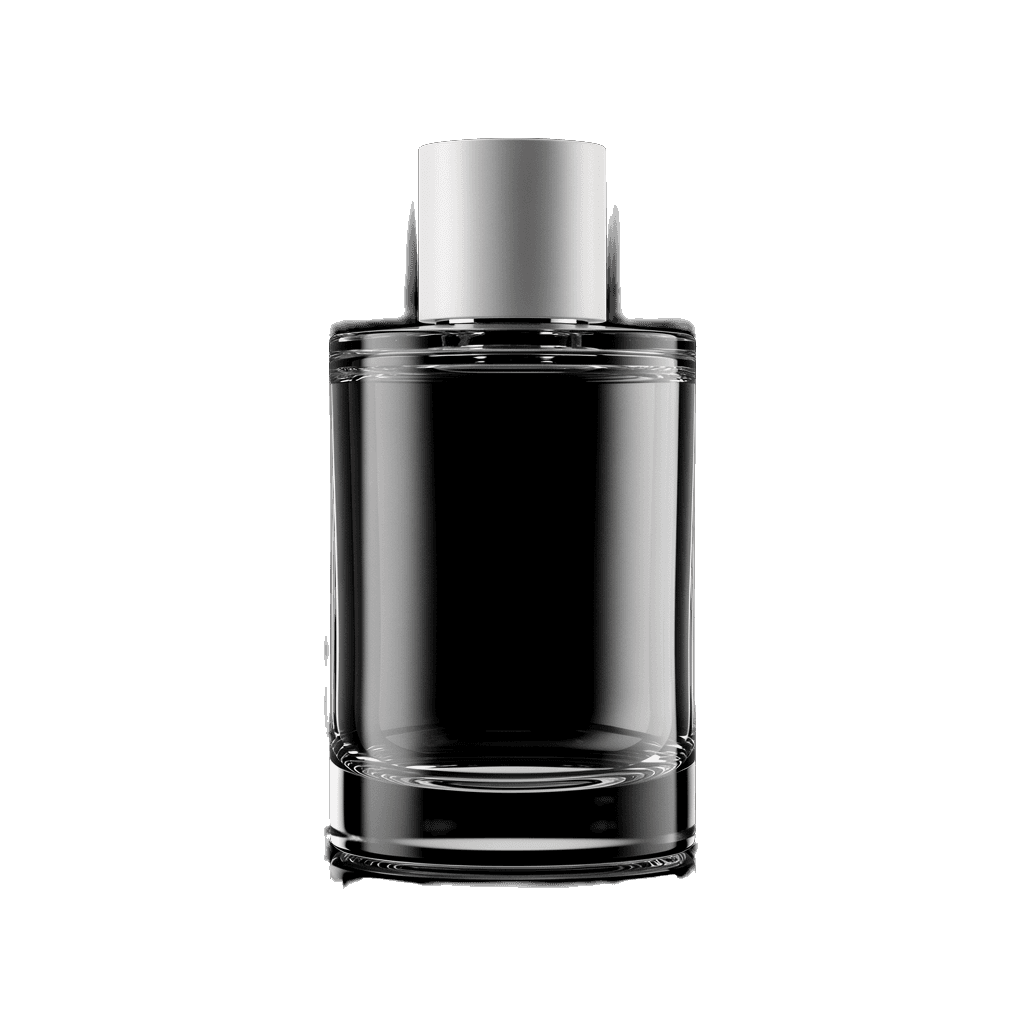
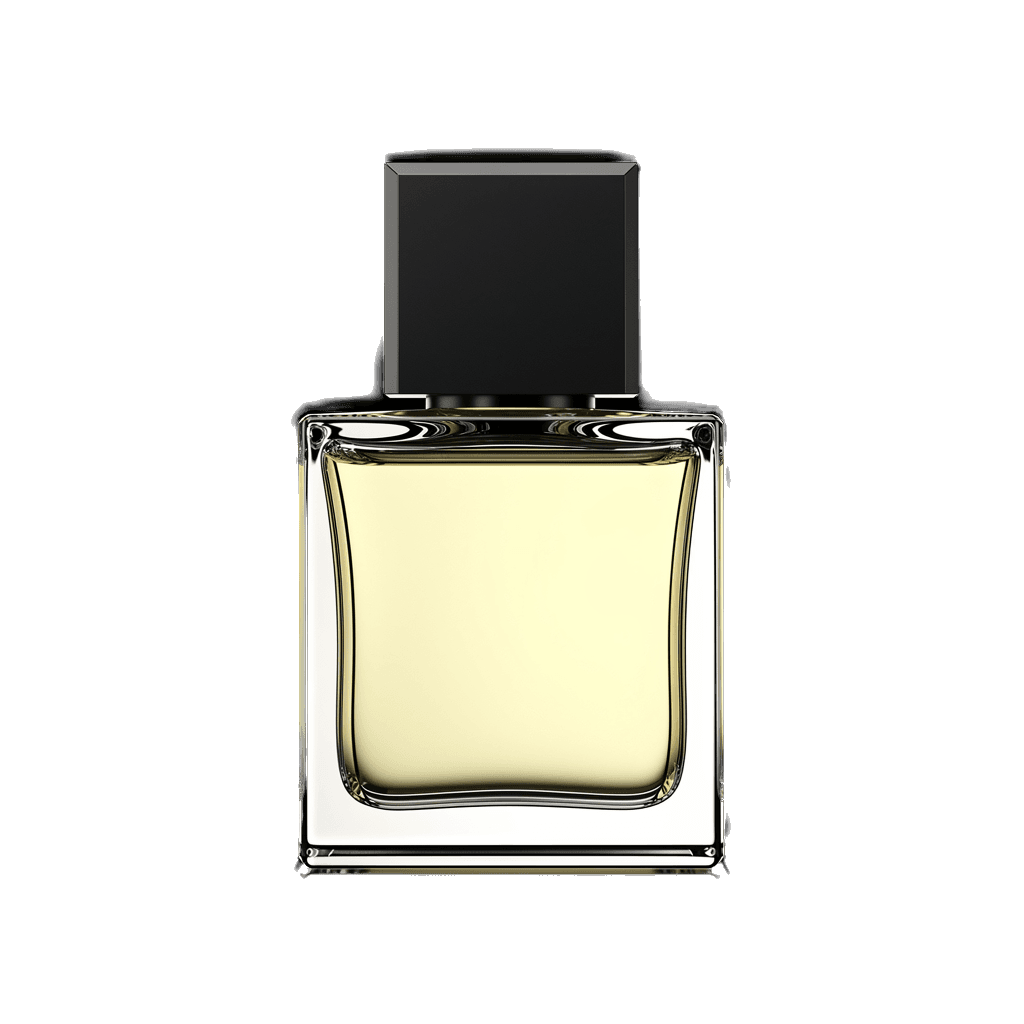
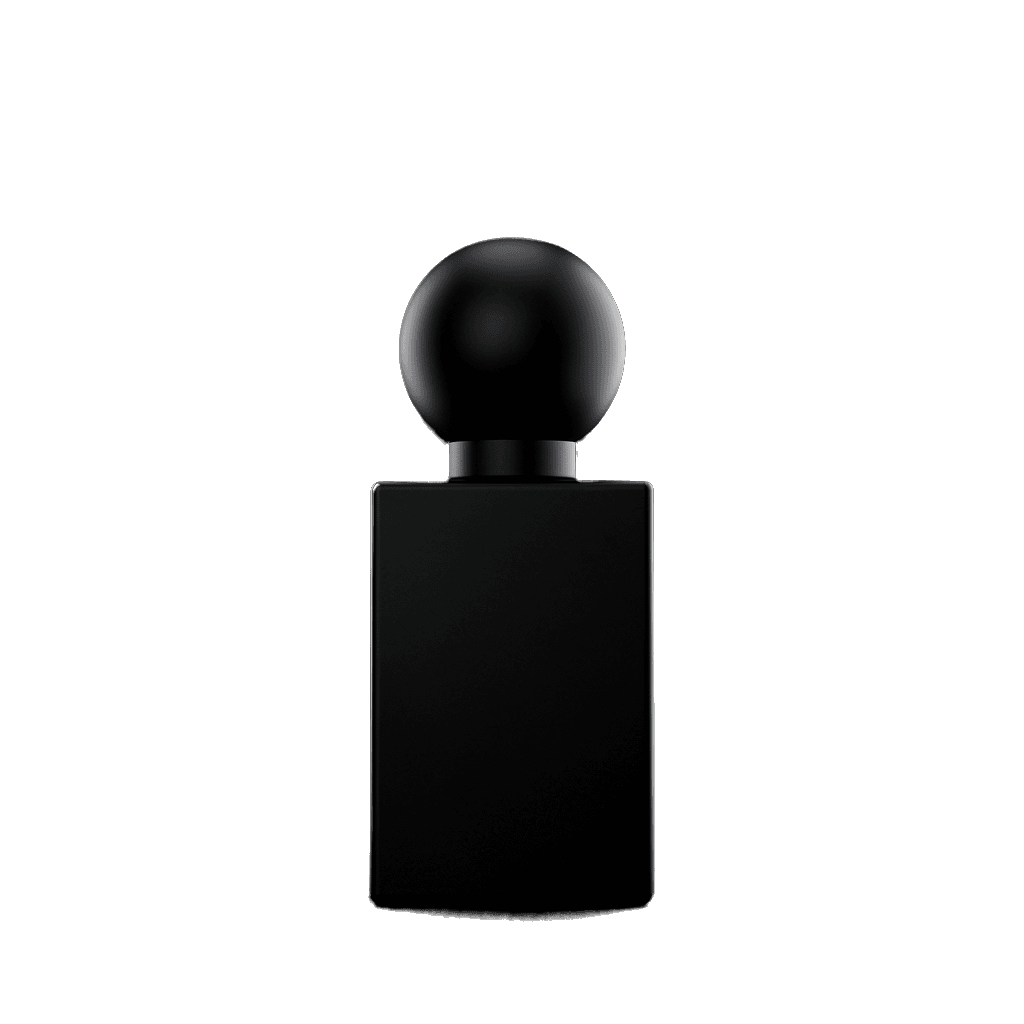
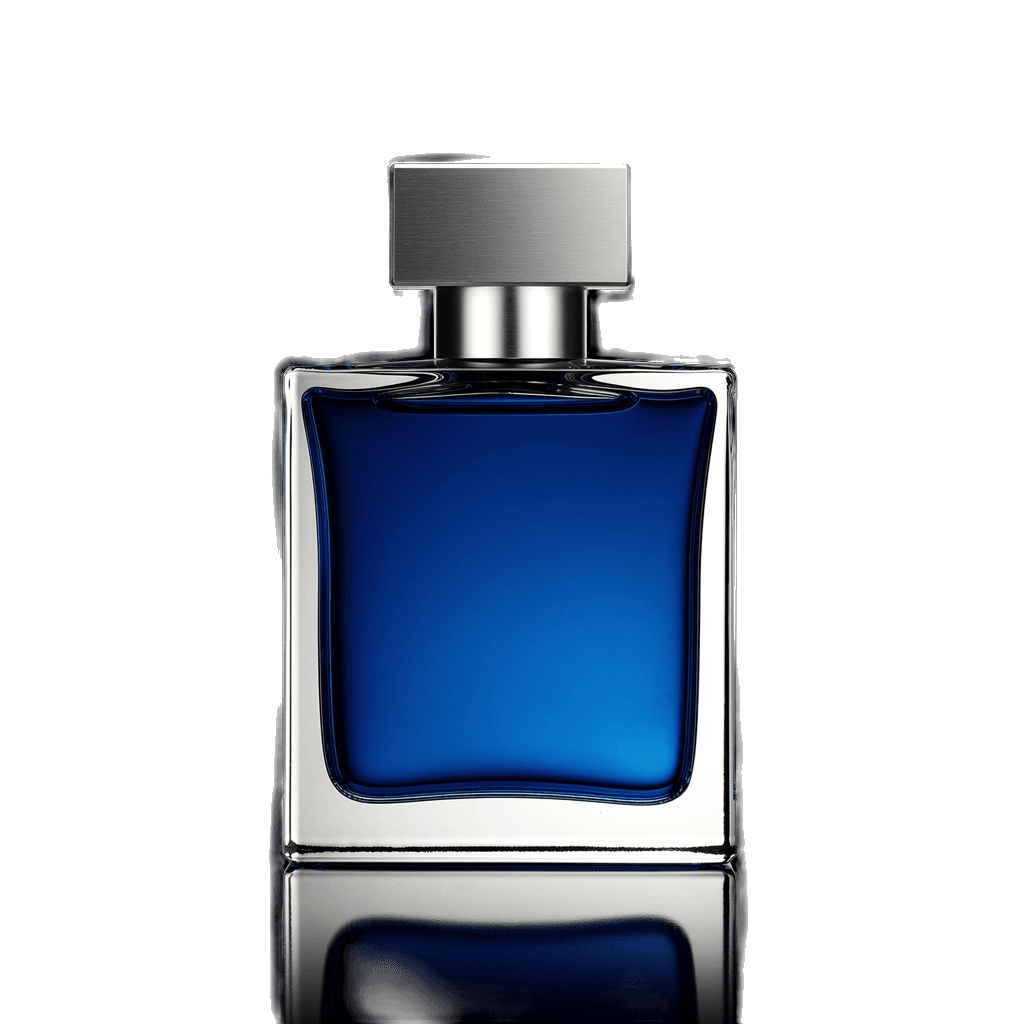
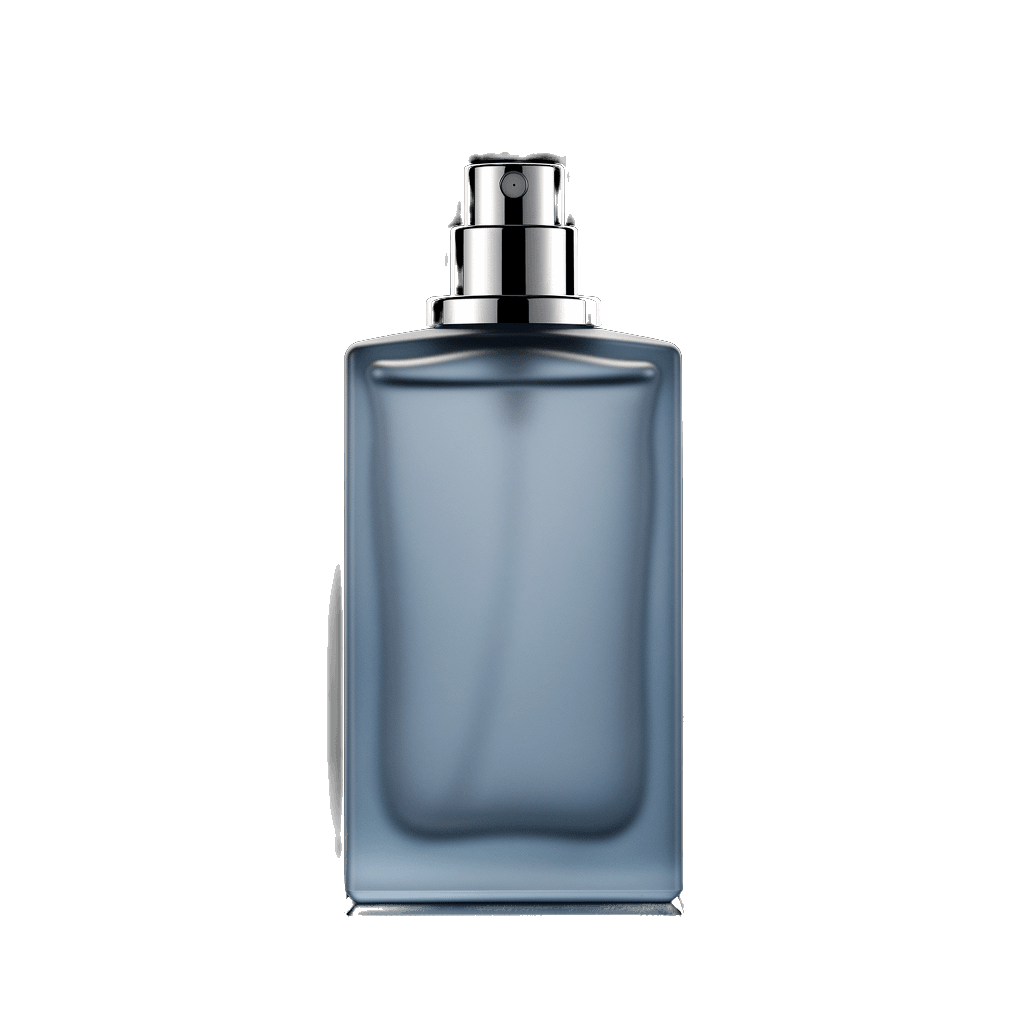
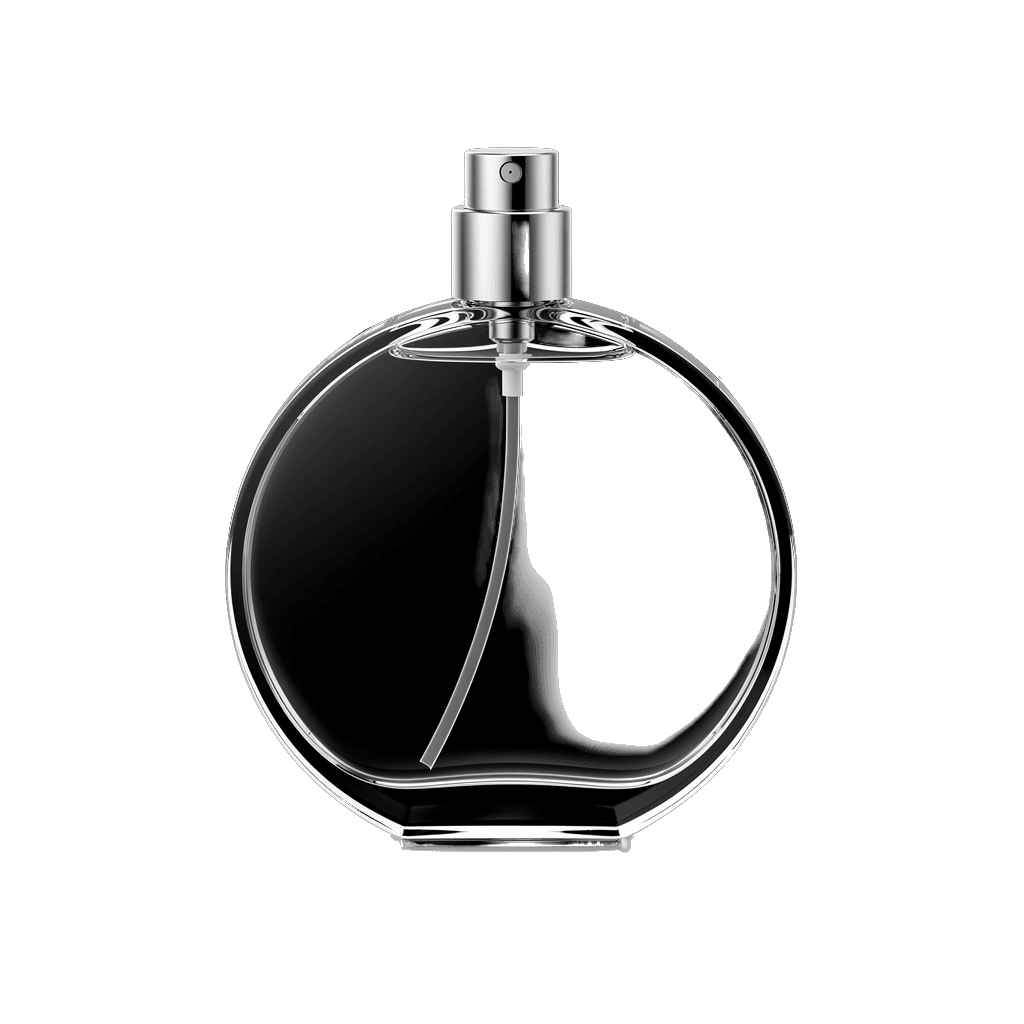
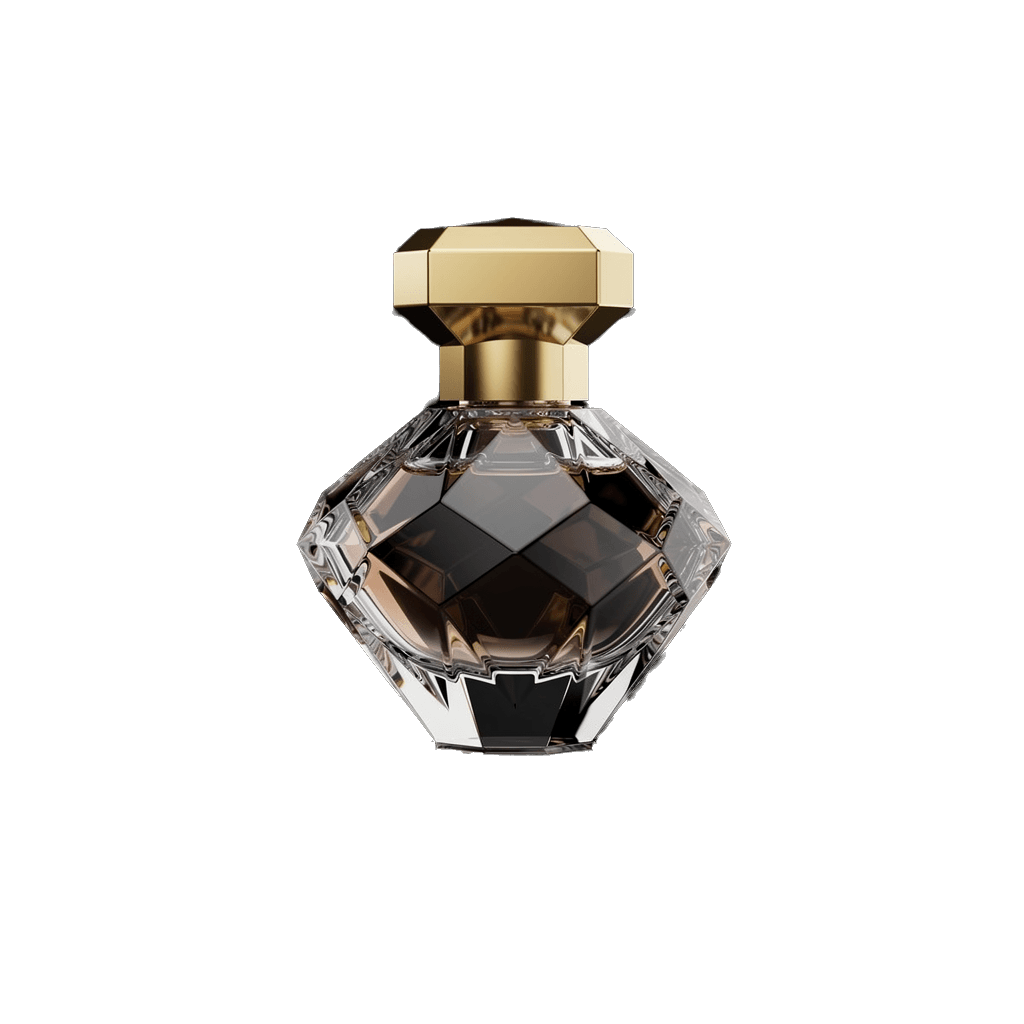
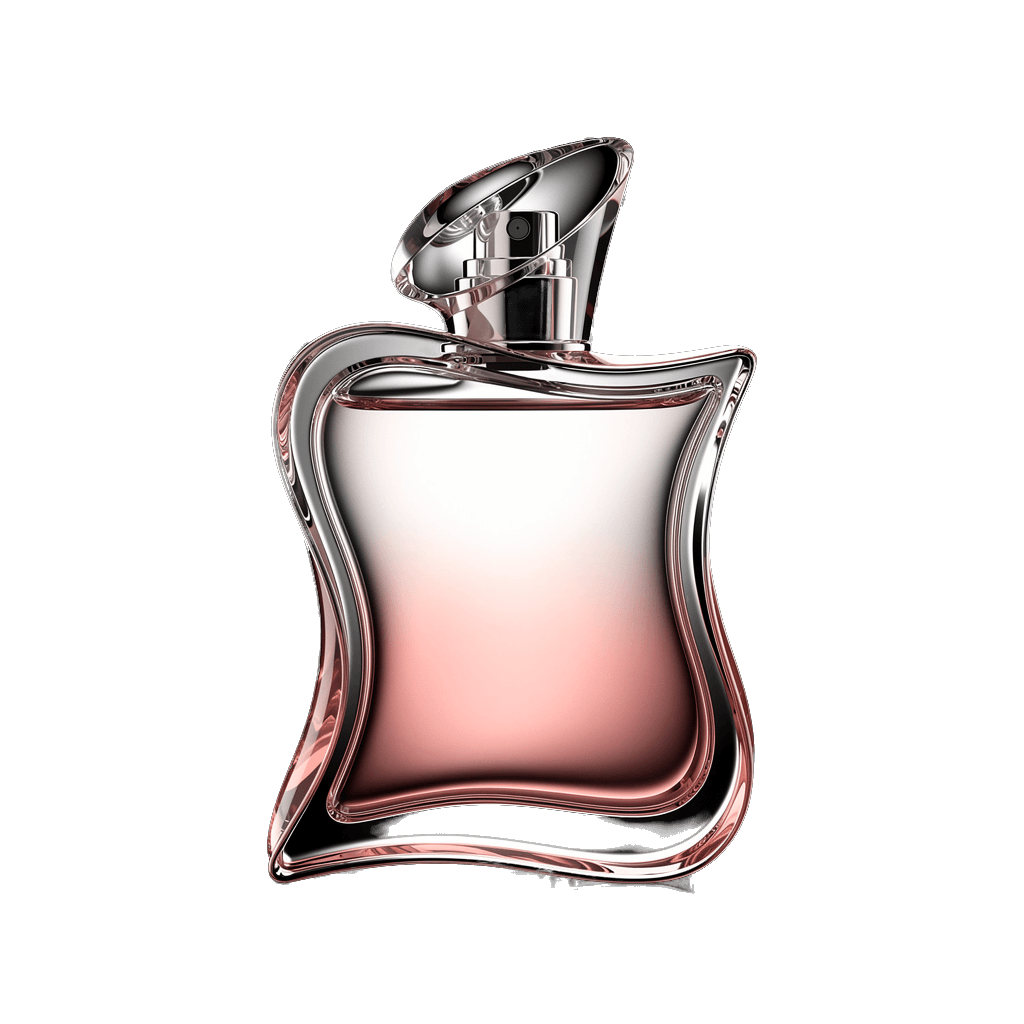
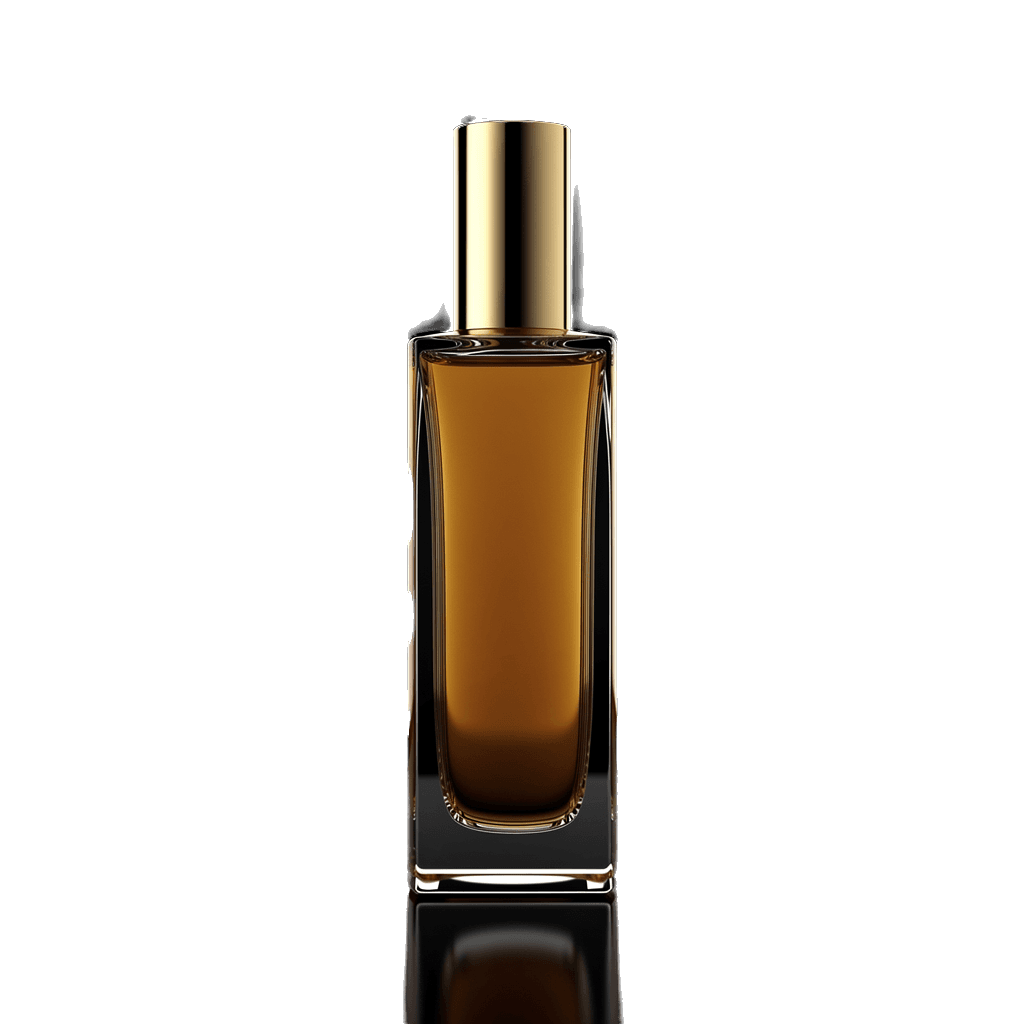
CZAR’s visual language mirrors its olfactory ambition: clean, understated, and purposeful. The brand favors a monochrome palette, with most bottles rendered in clear glass topped by matte black or brushed steel caps. Labels display the scent name in a modest, all‑caps font, often accompanied by a single line of Arabic calligraphy that hints at the fragrance’s cultural inspiration. Packaging boxes use thick, textured paper in muted tones, allowing the bottle to become the focal point. For special releases, the house introduces subtle accents, such as a gold‑foil emblem for Antelope or a deep indigo ribbon for Hijri, each element chosen to echo the scent’s story without overwhelming the design. Marketing imagery typically features stark, high‑contrast photography that places the bottle against simple backdrops, letting light and shadow highlight the glass’s clarity. This aesthetic approach reinforces the brand’s commitment to letting the perfume speak for itself, rather than relying on ornate visuals.
Philosophy
CZAR approaches perfumery as a dialogue between place and person. The founders believe that a scent should act as a portable memory, capturing a moment, a story or a cultural reference. To achieve this, they invite perfumers from diverse backgrounds to co‑create, ensuring each bottle reflects a distinct voice rather than a single house signature. The brand values transparency in ingredient sourcing, preferring raw materials that can be traced to their origin, whether that be Mysore sandalwood or French labdanum. Sustainability informs their decisions, prompting the use of recycled glass for many bottles and encouraging refill programs in select markets. CZAR also emphasizes education; the company publishes detailed scent notes and inspiration essays on its website, inviting consumers to engage with the creative process. By treating each release as a curated exhibition, the house aims to foster a community that respects both the art and the craft of perfume.
Key Milestones
2018
Founders Ahmad Al Heid and Abdulwahab Al Senan launch CZAR Fragrances in Kuwait City, releasing the first collaborative scent with Aslan Gülçiçek.
2019
CZAR introduces its first solo creation, blending oud with citrus, marking a shift toward independent house scents.
2020
The brand secures boutique distribution in Europe and the United States, expanding its international presence.
2023
Hijri launches, drawing inspiration from Abbasid history and featuring a Laos‑sourced oud component.
2024
Pella Palace releases, a floral composition co‑created with Marzia Tissino, showcasing the house’s expanding olfactory range.
At a Glance
Brand profile snapshot
Origin
Kuwait
Founded
2018
Heritage
8
Years active
Collection
1
Fragrances released
Avg Rating
4.7
Community sentiment
Release Rhythm