
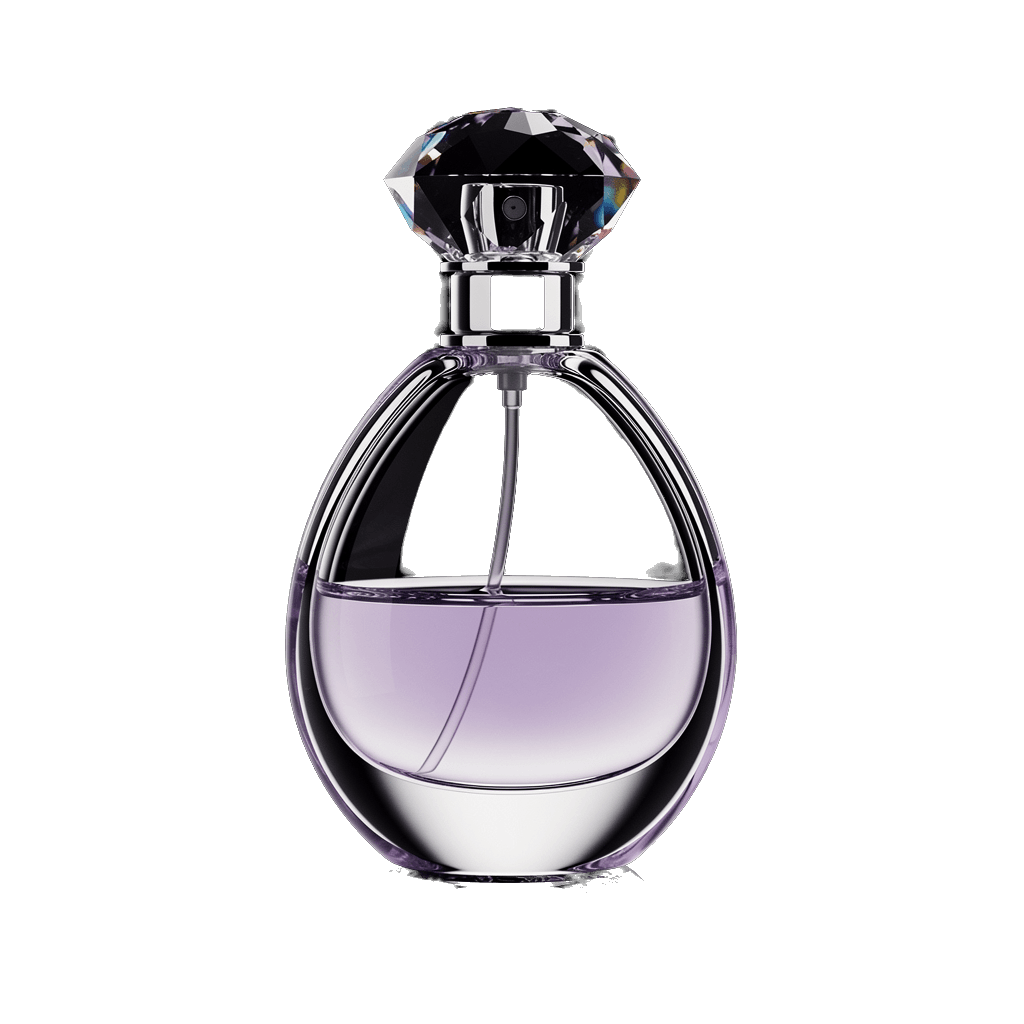
The Heritage
The Story of Dana
Dana is a historic fragrance house that began in Barcelona in 1932 and later moved its creative hub to Paris. Founded by former Myrurgia director Javier Serra, the brand introduced the sensual oriental perfume Tabu the same year and has since built a catalogue that spans classic orientals, modern florals and niche reinterpretations. Today Dana is recognised for its steady evolution, a respect for traditional perfume structures and a catalogue that includes icons such as Symbole (1946) and Love's Heart Throb (2000).
Heritage
The House of Dana opened its doors in Barcelona in 1932, when lawyer‑entrepreneur Javier Serra left his role as director of Myrurgia to launch an independent perfume house. Serra chose the name Dana as a tribute to Apollo Dana, the Greek deity of music, poetry and the sun, a detail recorded by Basenotes. The brand’s debut fragrance, Tabu, arrived later that year; its rich oriental blend of amber, jasmine and exotic spices quickly earned a reputation for daring sensuality. In 1940 the company relocated its headquarters to Paris, positioning itself within the French perfume capital and gaining access to the city’s atelier expertise. The post‑war era saw a series of notable releases: 20 Carats (1933) expanded the line with a jewel‑inspired scent, while Emir (1935) and Ambush original (1955) reinforced Dana’s affinity for oriental compositions. The 1960s and 1970s marked a diversification phase; Pullman (1968) offered a travel‑inspired fresh accord, and Marmara (1973) introduced Mediterranean botanicals. The 1990s brought a turn toward lighter florals, exemplified by Classic Freesia (1994). In the new millennium Dana continued to experiment, launching Love’s Heart Throb (2000) and Tabu Flores (2006), the latter re‑imagining the original Tabu in a floral context. Throughout eight decades, Dana has maintained a consistent presence in European perfume circles, balancing heritage formulas with contemporary reinterpretations while remaining privately owned and family‑run.
Craftsmanship
From its early days in Barcelona, Dana employed the traditional European method of creating perfume by hand‑blending essential oils, absolutes and aromatic chemicals in small batches. After the 1940 move to Paris, the house partnered with local ateliers that specialized in maceration and distillation, allowing Dana to refine its oriental bases with French‑style precision. Historical records indicate that the company maintained an in‑house laboratory for stability testing, ensuring that each release met consistent quality standards before market launch. Ingredient sourcing has evolved alongside the brand; early formulations relied on imported amber, civet and exotic spices, while later scents incorporated Mediterranean herbs harvested from Spanish and French growers. In the 1990s, Dana began to trace the provenance of its natural extracts, favoring certified organic farms for notes such as freesia and lemon zest. Production still follows a batch‑by‑batch approach, with master blenders overseeing the weighing, mixing and aging phases. The final perfume is filtered through fine silk screens and decanted into hand‑finished bottles, a process described in the company’s technical archives as a blend of artisanal care and modern quality control.
Design Language
Dana’s visual language mirrors its dual heritage of Spanish warmth and Parisian elegance. Early bottles featured simple, rounded glass vessels capped with metal stoppers engraved with the Dana monogram, a design that communicated understated sophistication. After the relocation, the house introduced art‑deco inspired facades, employing geometric lines and muted pastel hues that echoed the era’s architectural trends. The Tabu bottle, for example, retains a deep amber glass that hints at the scent’s oriental richness, while the label uses a classic serif typeface reminiscent of 1930s advertising. In recent years Dana has refreshed its packaging with matte finishes and subtle embossing, allowing the fragrance name to become the focal point. The brand’s advertising imagery often showcases historic European settings—Barcelona rooftops, Parisian cafés—paired with contemporary models, reinforcing the narrative of timeless elegance. Across its catalogue, each fragrance’s visual identity is tailored to its olfactory character, ensuring that the bottle, label and promotional art together convey a cohesive story.
Philosophy
Dana’s creative outlook rests on a belief that perfume should tell a story anchored in memory and place. The house cites its Barcelona origins and Parisian refinement as twin influences that shape each composition. According to the brand’s archival statements, Dana prioritises authenticity over trend chasing, selecting ingredients that evoke a specific time or locale. The company’s naming practice reflects this narrative drive: titles such as Symbole and Love’s Lemon Scent reference visual symbols or sensory moments rather than abstract concepts. Dana also emphasizes a collaborative spirit, working with both established French perfumers and emerging talent to blend classic techniques with fresh perspectives. The house’s public communications stress responsibility, noting that sourcing decisions aim to respect biodiversity and support sustainable harvests where possible. This philosophy manifests in a catalogue that balances timeless orientals with modern, nature‑inspired scents, offering collectors a sense of continuity across generations.
Key Milestones
1932
Javier Serra founds the House of Dana in Barcelona and launches the inaugural fragrance Tabu.
1940
Dana relocates its headquarters to Paris, integrating French atelier techniques into its production.
1955
Ambush original debuts, reinforcing the house’s reputation for bold oriental compositions.
1968
Pullman is released, marking a shift toward travel‑inspired fresh accords.
1973
Marmara introduces Mediterranean botanicals, reflecting the brand’s Spanish roots.
1994
Classic Freesia arrives, signaling a move into lighter, floral territory.
At a Glance
Brand profile snapshot
Origin
Spain
Founded
1932
Heritage
94
Years active
Collection
1
Fragrances released
Avg Rating
4.0
Community sentiment
Release Rhythm