The Heritage
The Story of DI SER
DI SER is a Japanese niche perfume house rooted in the scientific tradition of a Sapporo research facility. Since 1999 the brand has offered a line of all‑natural eau de parfums that rely on plant‑derived fragrance extracts, water and a plant‑based alcohol. The collection draws on ingredients harvested in Japan and abroad, presenting scents that feel both precise and quietly expressive.
Heritage
DI SER emerged in 1999 as a collaboration between two distinct entities: Essentia Ltd., a pharmacy focused on botanical purity, and Luz, a research and development unit dedicated to olfactory science. Both divisions operate out of Sapporo on Hokkaido, an island known for its cold climate and pristine natural environments. The founders, whose names remain low‑profile, chose the name “DI SER” to echo the Latin verb for “to give,” reflecting a desire to offer fragrance as a gift of nature. Early years saw the brand experimenting with traditional Japanese aromatics, but a turning point arrived when the team began a fifteen‑year investigation into kyara‑grade agarwood, a rare resin prized for its deep, resinous character. The project culminated in the release of the fragrance Kyara in 2000, marking DI SER’s first major milestone and establishing its reputation for patience and precision. Over the next decade the house expanded its catalogue with scents such as Shiragoromo (2000) and Manaka (2017), each anchored in a specific natural material. In 2019 the brand introduced Keman, a composition that opened with yuzu and blended rose and oud, gaining attention for its balance of brightness and depth. The 2020s brought a burst of new releases, including Kagiroi (2020) and the twin 2021 offerings Tsuzumi Boshi and Hana Matsuri, which highlighted seasonal Japanese flora. Throughout its history DI SER has maintained a small‑batch production model, refusing to scale beyond the capacity of its research laboratory, and continues to source ingredients from both Japanese forests and remote regions worldwide.
Craftsmanship
Production at DI SER takes place inside the same laboratory that handles its pharmaceutical work, a setting that enforces strict quality controls. Ingredients are harvested at peak maturity—cedar wood from Hokkaido forests, yuzu from Japanese orchards, agarwood from Southeast Asian plantations—and then undergo cold‑press or steam‑distillation processes designed to preserve volatile compounds. The resulting natural fragrance oils are blended with a plant‑based alcohol derived from fermented grains, a choice that reduces the presence of petrochemical residues. Water used in every batch is filtered through a multi‑stage system to eliminate minerals that could alter scent stability. Each perfume is formulated in small batches, typically no larger than a few hundred milliliters, allowing the team to monitor each vial for consistency. Quality checks include gas‑chromatography analysis to verify that no unintended synthetic markers appear, and a sensory panel evaluates the evolution of the scent over a 48‑hour period. The brand’s commitment to natural purity extends to packaging; glass bottles are sealed with corks that have been treated to resist moisture, and the outer boxes are printed on recycled paper using soy‑based inks. This meticulous chain—from forest to bottle—embodies DI SER’s belief that true fragrance emerges only when every step respects the source material.
Design Language
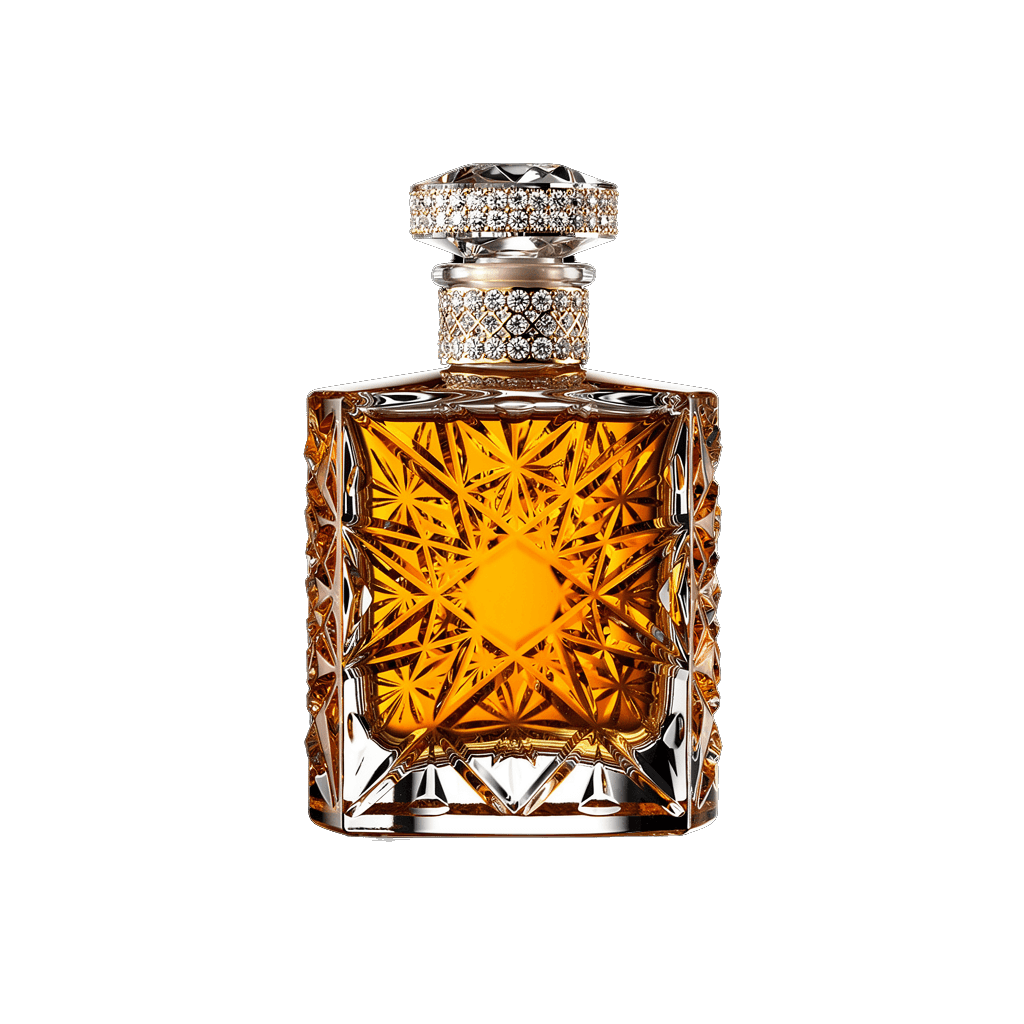
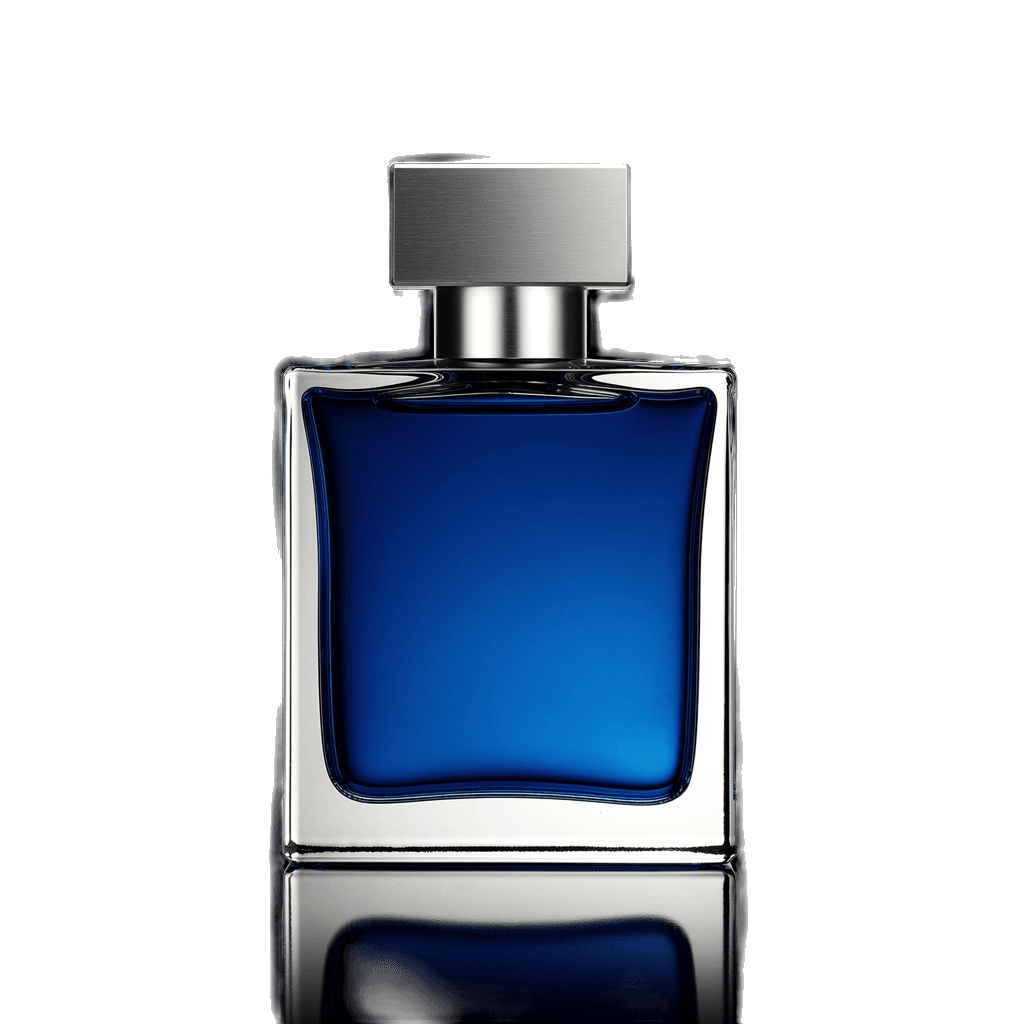
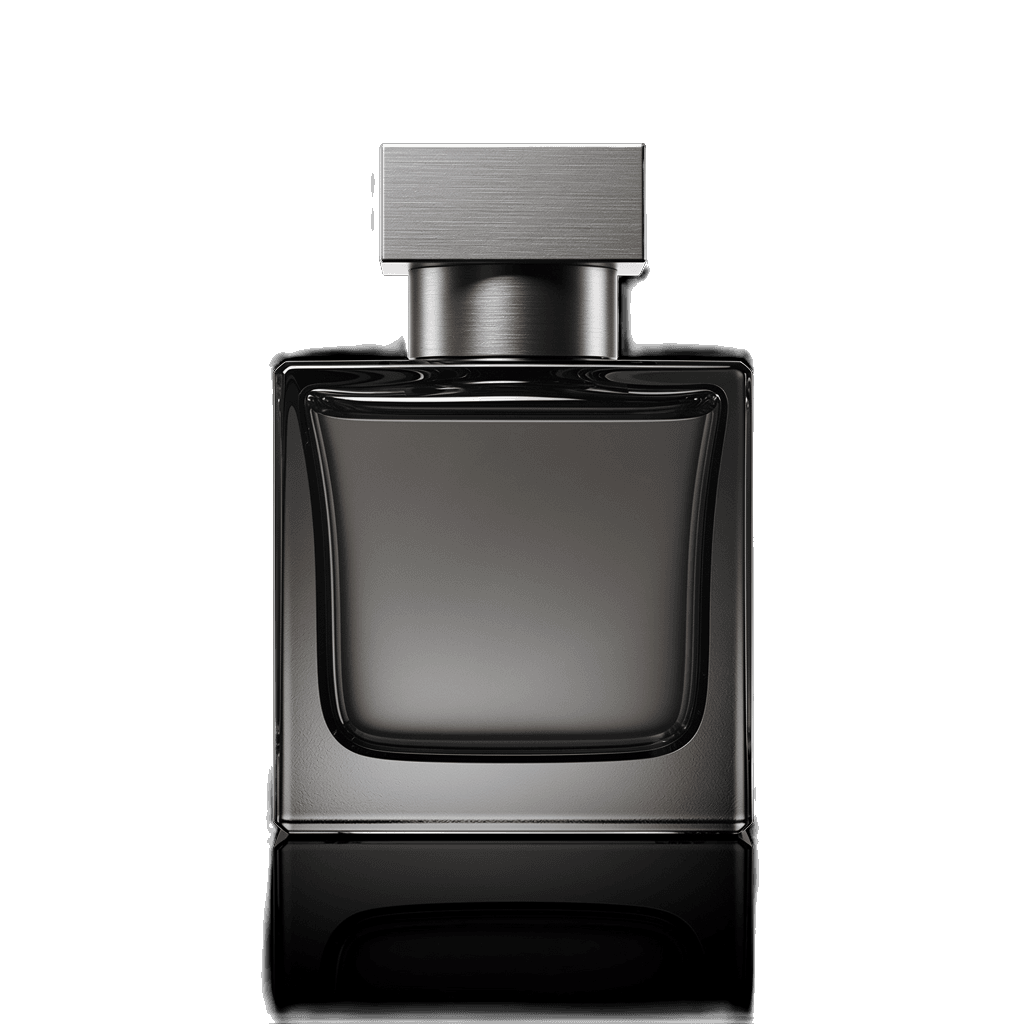
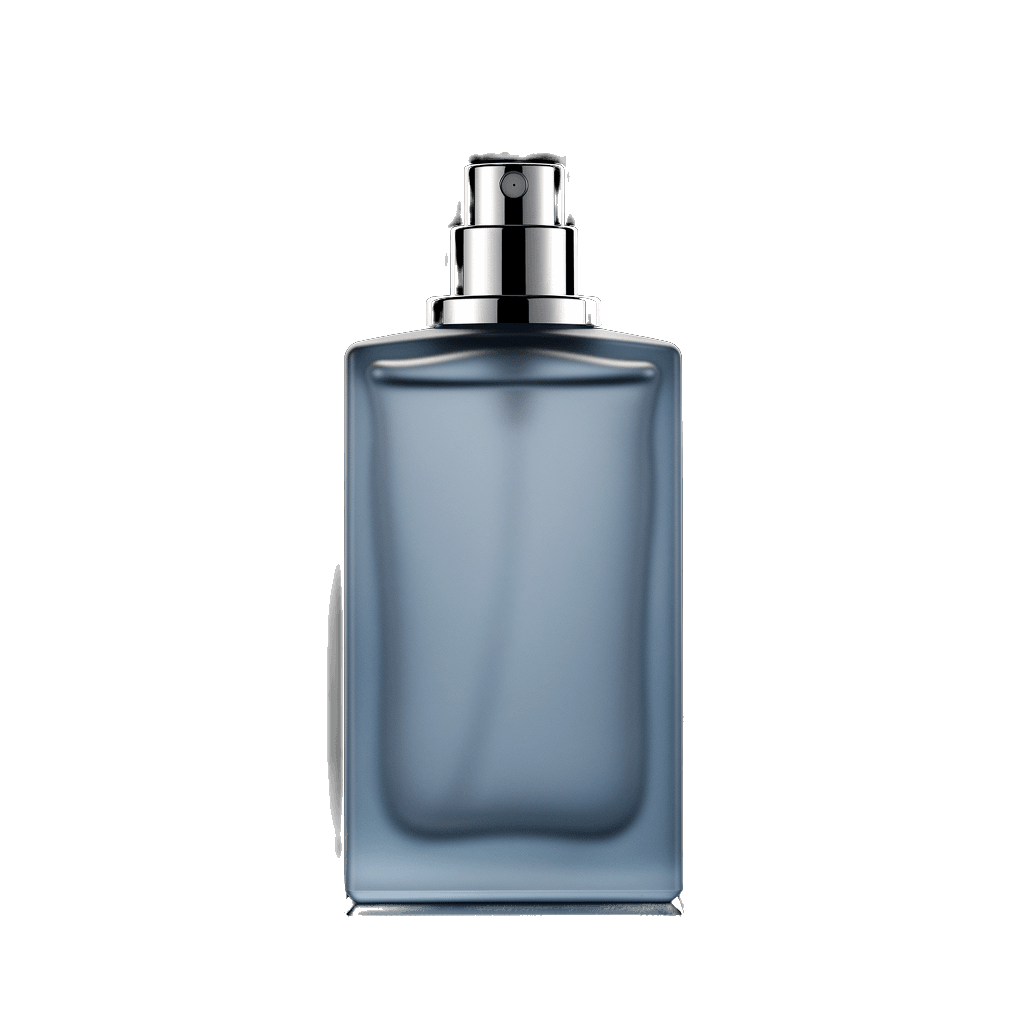
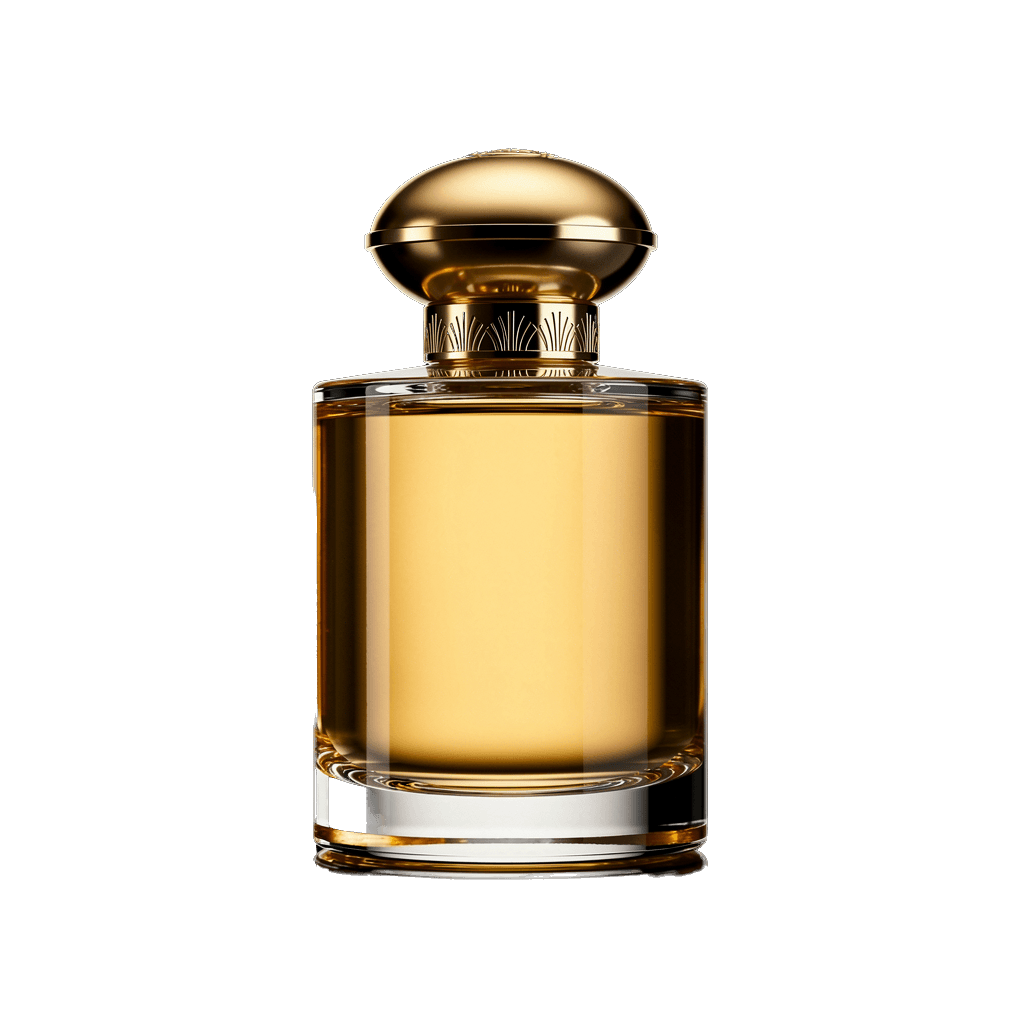
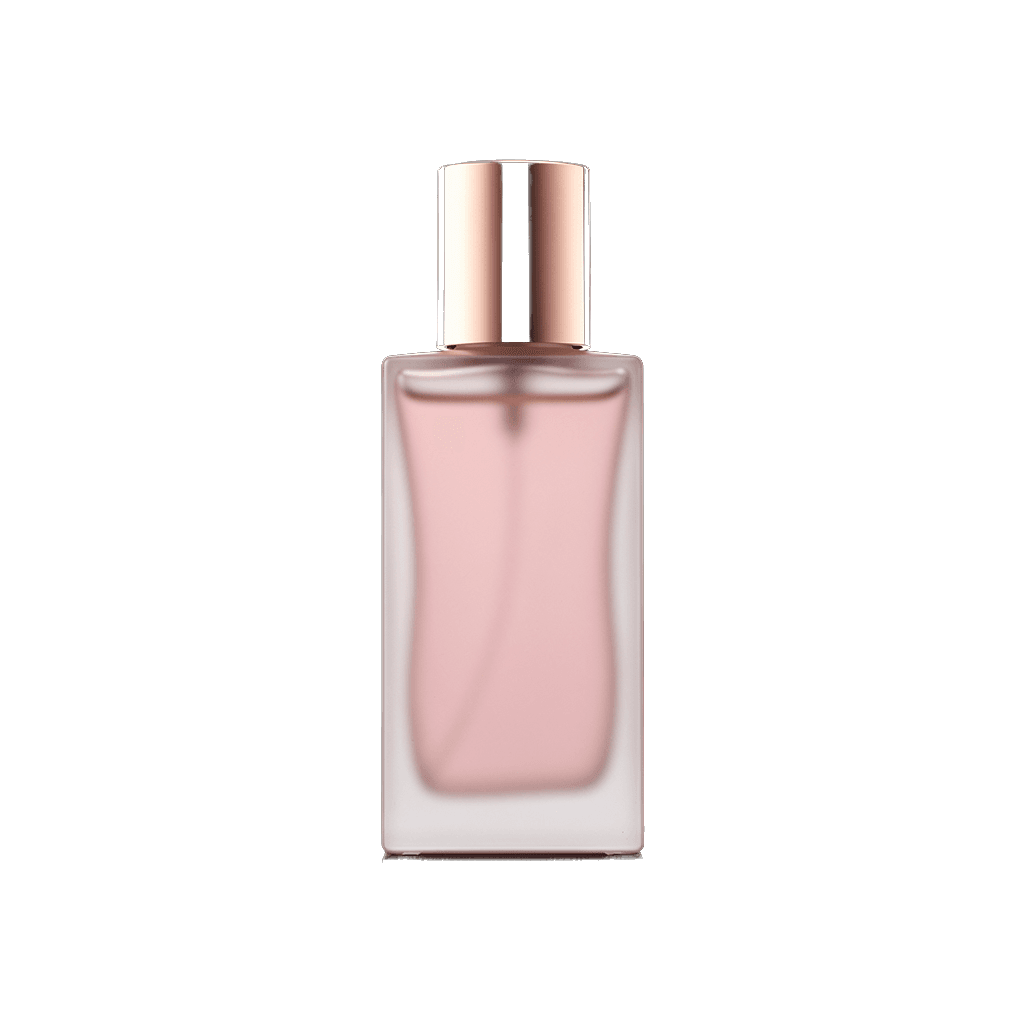
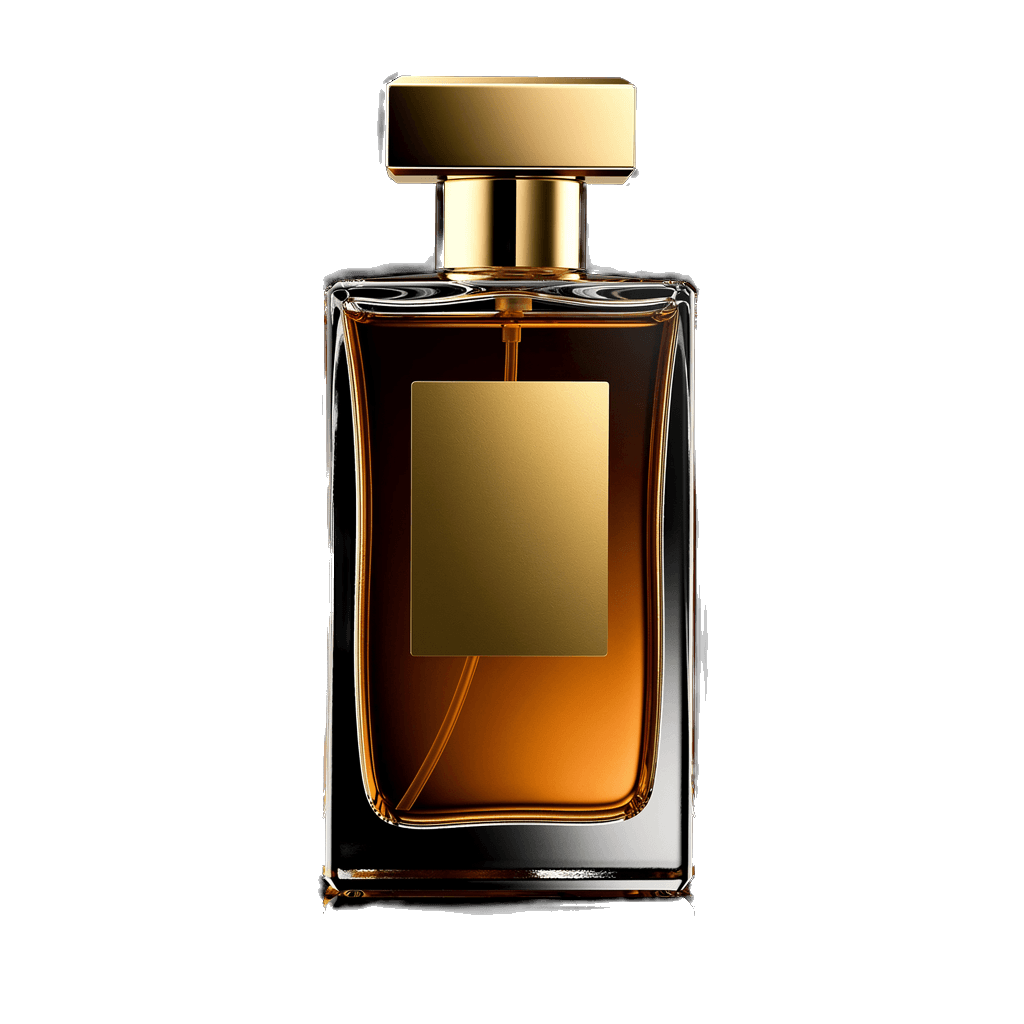
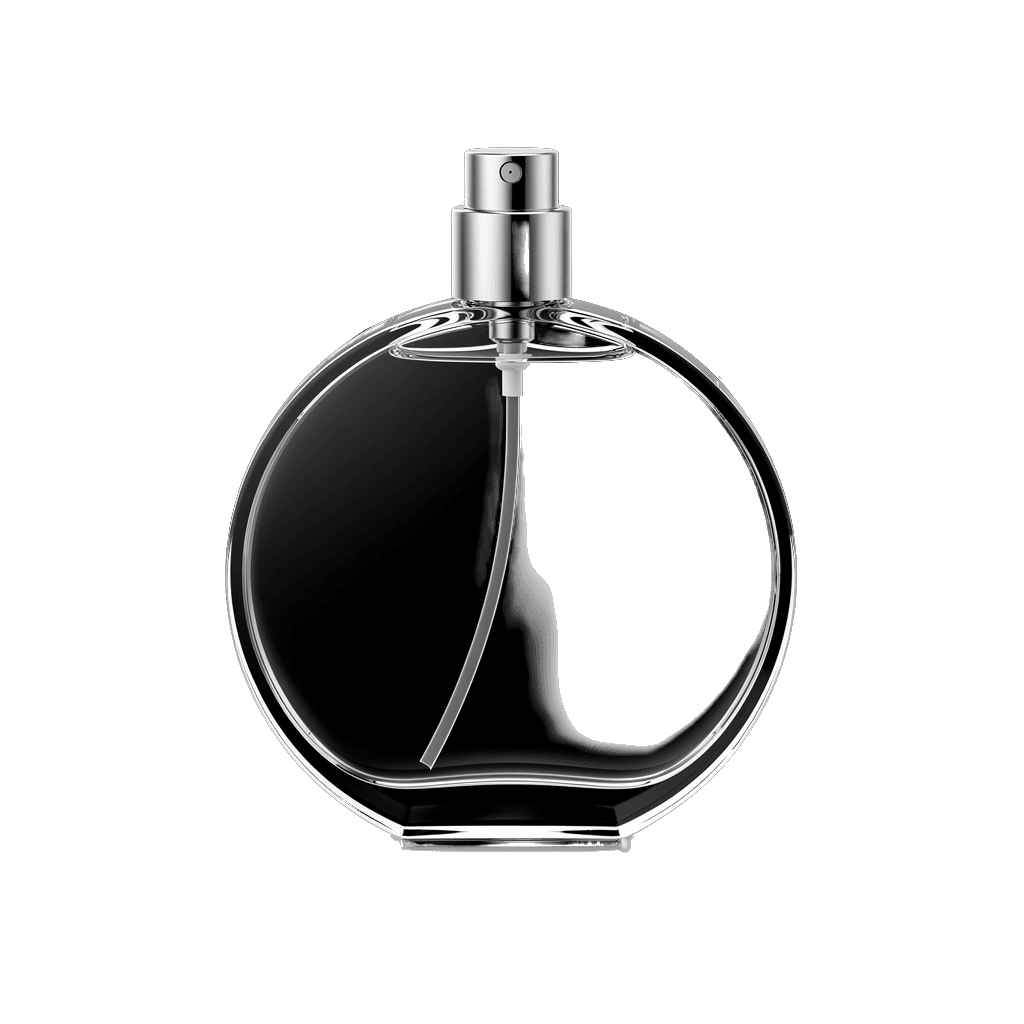
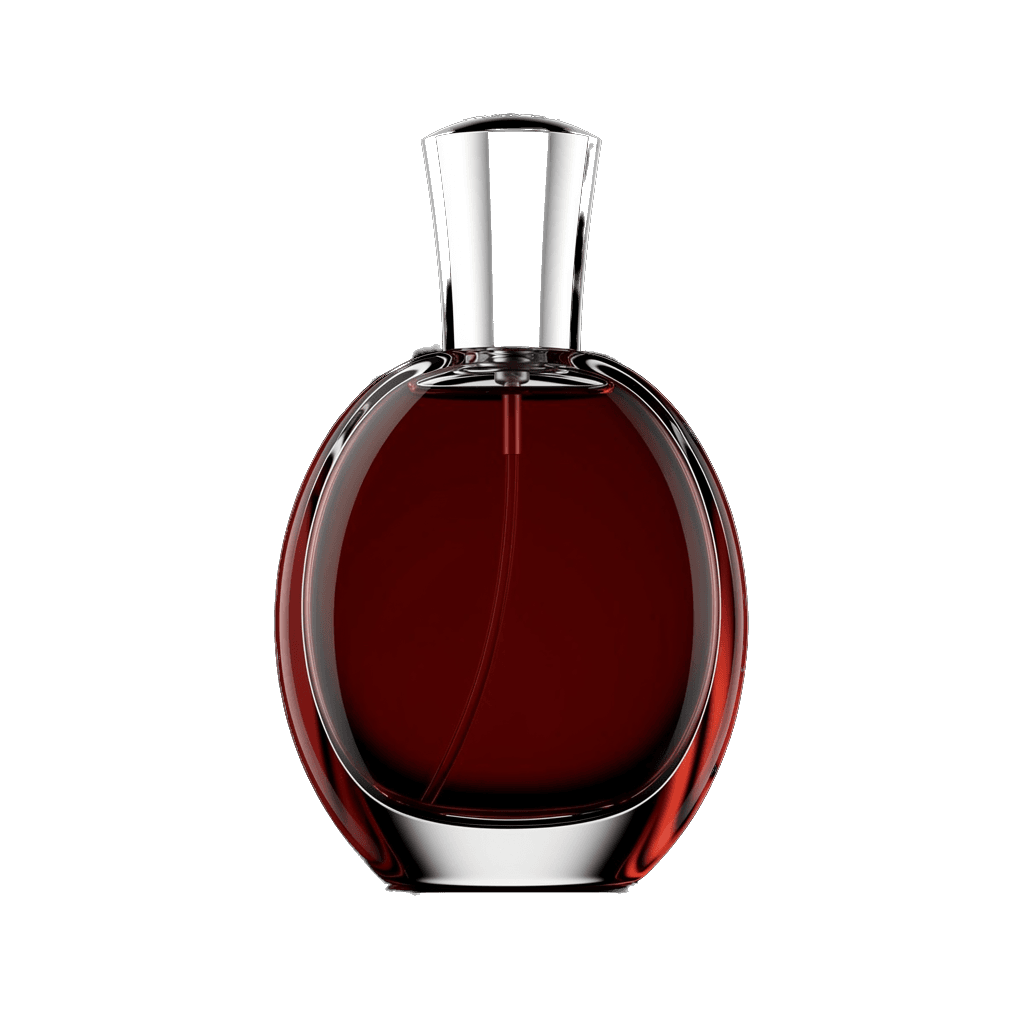
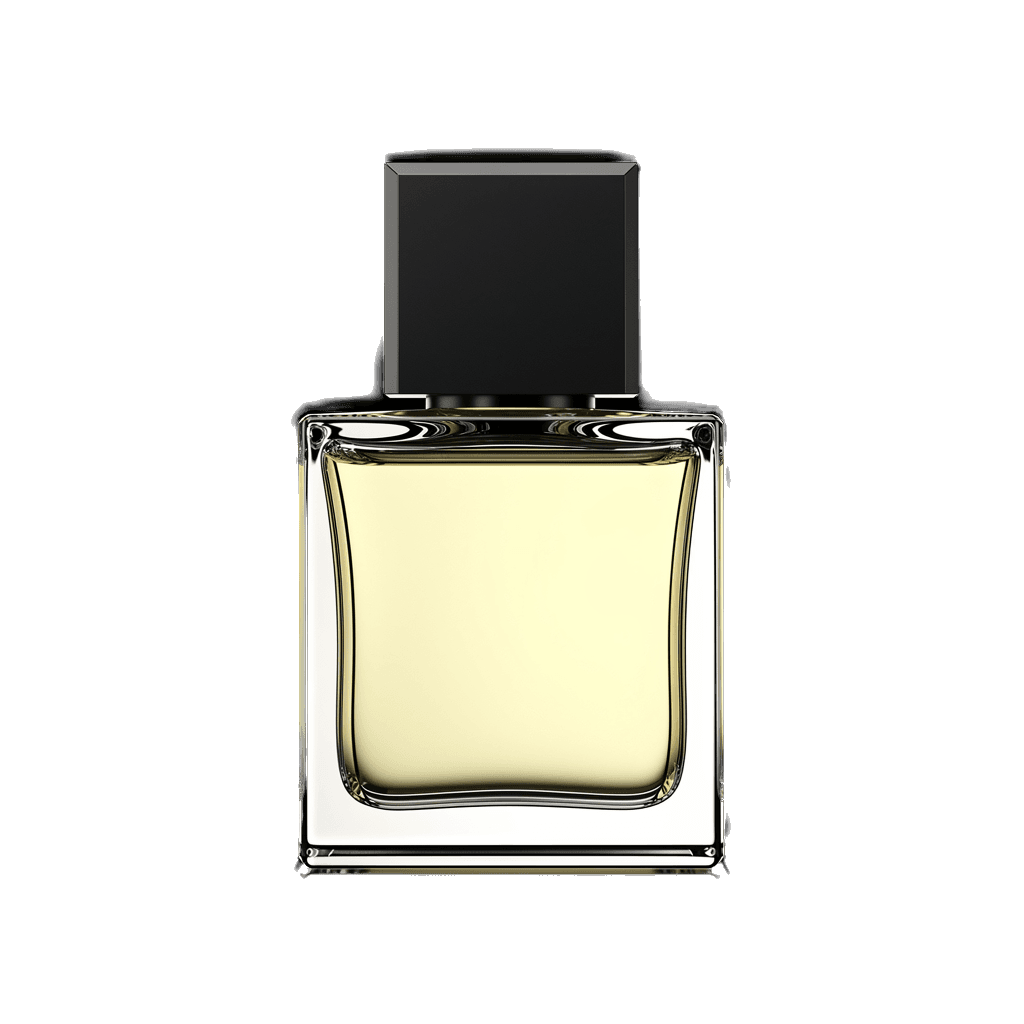
Visually, DI SER adopts a restrained, almost clinical aesthetic that mirrors its laboratory origins. Bottles are clear, high‑gloss glass with minimal labeling; the brand name appears in a simple sans‑serif typeface, often embossed rather than printed, which reduces visual clutter and lets the liquid inside become the focal point. Caps are typically natural cork or brushed metal, chosen for tactile contrast. Outer packaging uses muted earth tones—soft greys, muted greens, and occasional charcoal—evoking the natural landscapes from which the ingredients are drawn. The design language avoids ornamental flourishes, instead relying on clean lines and subtle texture, such as a matte finish that catches light differently than a glossy surface. This visual restraint reinforces the house’s emphasis on purity and scientific rigor, while still offering a sense of quiet elegance that appeals to collectors who appreciate understated luxury. Promotional imagery frequently features close‑ups of raw materials—bark, petals, resin—set against a neutral background, reinforcing the narrative that the perfume is an extension of the natural world rather than a manufactured product.
Philosophy
The house frames perfume as a scientific dialogue with nature. Its creative vision rests on three pillars: material integrity, minimal intervention, and sensory clarity. DI SER believes that a fragrance should convey the true character of its raw ingredients, so it avoids synthetic aroma chemicals and limits its formula to natural extracts, plant‑based alcohol and pure water. The brand’s values emphasize sustainability; sourcing partners are chosen for responsible harvesting practices, and the company works closely with local growers to ensure traceability. By treating each scent as a case study, DI SER encourages wearers to experience the subtle shifts that occur as a natural ingredient ages on the skin. The approach rejects trend‑driven marketing in favor of quiet discovery, inviting collectors to explore a scent’s narrative over time. This philosophy is reflected in the brand’s modest release schedule, which allows the research team to devote full attention to each new material before it becomes a perfume.
Key Milestones
1999
DI SER founded in Sapporo, splitting into pharmacy Essentia Ltd. and R&D unit Luz
2000
Release of Kyara, the first fragrance featuring kyara‑grade agarwood after years of extraction research
2017
Manaka launched, highlighting seasonal Japanese botanicals and solidifying the brand’s natural‑only policy
2019
Keman introduced, opening with yuzu and combining rose and oud, gaining notice for its balanced composition
2020
Kagiroi released, expanding the line with a focus on rare woods from Southeast Asia
2021
Twin releases Tsuzumi Boshi and Hana Matsuri celebrate Japanese festivals through scent
At a Glance
Brand profile snapshot
Origin
Japan
Founded
1999
Heritage
27
Years active
Collection
1
Fragrances released
Avg Rating
4.0
Community sentiment
Release Rhythm