The Heritage
The Story of Dolce&Gabbana
Dolce&Gabbana's fragrances are a full-throated celebration of Italian sensuality and glamour. They're not shy scents; they are bold, passionate statements that bottle the essence of 'la dolce vita'. Think sun-drenched Sicilian coasts, cinematic romance, and unapologetic luxury.
Heritage
Dolce & Gabbana began in 1983 when Domenico Dolce and Stefano Gabbana left their jobs in Milan to launch their own label. Two years later, in 1985, they founded Dolce & Gabbana S.p.A. Dolce, raised in Polizzi Generosa in Sicily, brought an intimate knowledge of Italian Catholic visual culture. Gabbana, born in Milan to a family from the Veneto region, shaped the house's sensory identity. Before showing on official runways, they staged informal presentations in a Milan apartment and a fast-food restaurant. The house opened its first boutique in Tokyo in 1989 through a partnership with the Kashiyama group. By 1990, a showroom appeared at 532 Broadway in Manhattan. Their first fragrances, Dolce & Gabbana Pour Homme and Pour Femme, arrived in October 1992. Both won immediate recognition: Pour Femme received the Perfume Academy Award for Best Feminine Fragrance of 1993, while Pour Homme claimed the equivalent masculine award in 1995. In 2001, Light Blue became one of the house's defining scents, a breezy citrus-and-cedar composition that achieved mass appeal without losing its Italian character. The brand navigated a complex licensing landscape for its beauty business, working with Euroitalia, then Coty-adjacent partners, before Shiseido assumed licensing rights in October 2016. Stefano Gabbana stepped down as chair in December 2025, a decision announced in April 2026.
Craftsmanship
Dolce & Gabbana approaches fragrance as emotional storytelling rather than note-stacking exercises. Their signature Pour Homme, which opened the house's olfactory chapter in 1992, set a template: bold, structured, unmistakably Italian. The house has since built a library of more than 150 perfumes, working with a roster of celebrated perfumers that includes Alberto Morillas, Olivier Polge, Christine Nagel, and Olivier Cresp, among others. Alberto Morillas, thenose behind Light Blue, understands the house's Mediterranean identity intimately. Olivier Polge, who served as House Perfumer at Chanel before his death in 2023, brought a structural precision to The One family. Christine Nagel's work for the house leans toward clean, contemporary warmth. Olivier Cresp contributed to the more intense, resinous expressions in the line. Since establishing Dolce & Gabbana Beauty as an in-house subsidiary in February 2022, the house has taken direct control of product development and coordinates manufacturing with Italian firms including ICR and Cosmint. Creative direction for the beauty lines continues to involve Domenico Dolce and Stefano Gabbana directly, ensuring that each fragrance retains the house's distinctive signature rather than drifting toward generic luxury.
Design Language
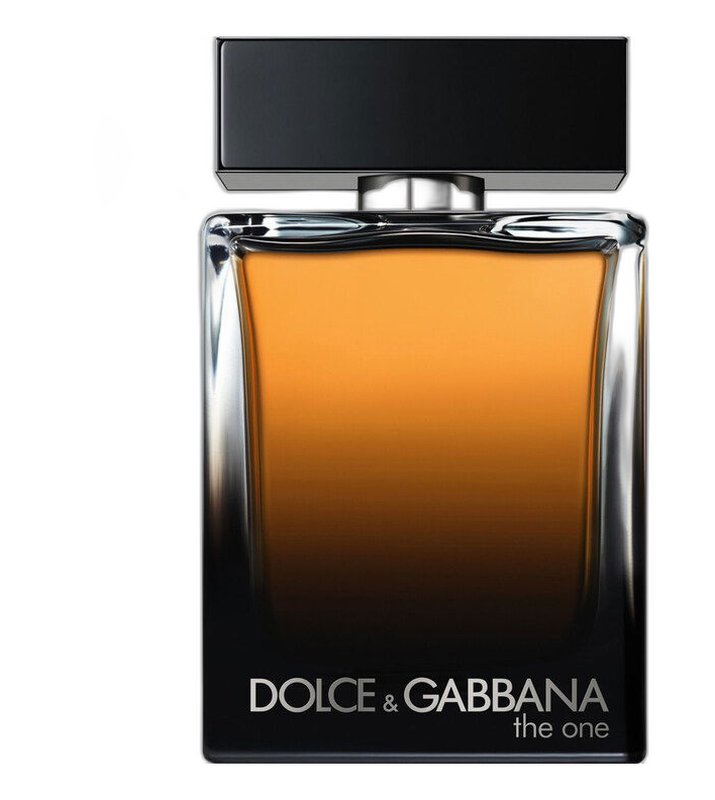
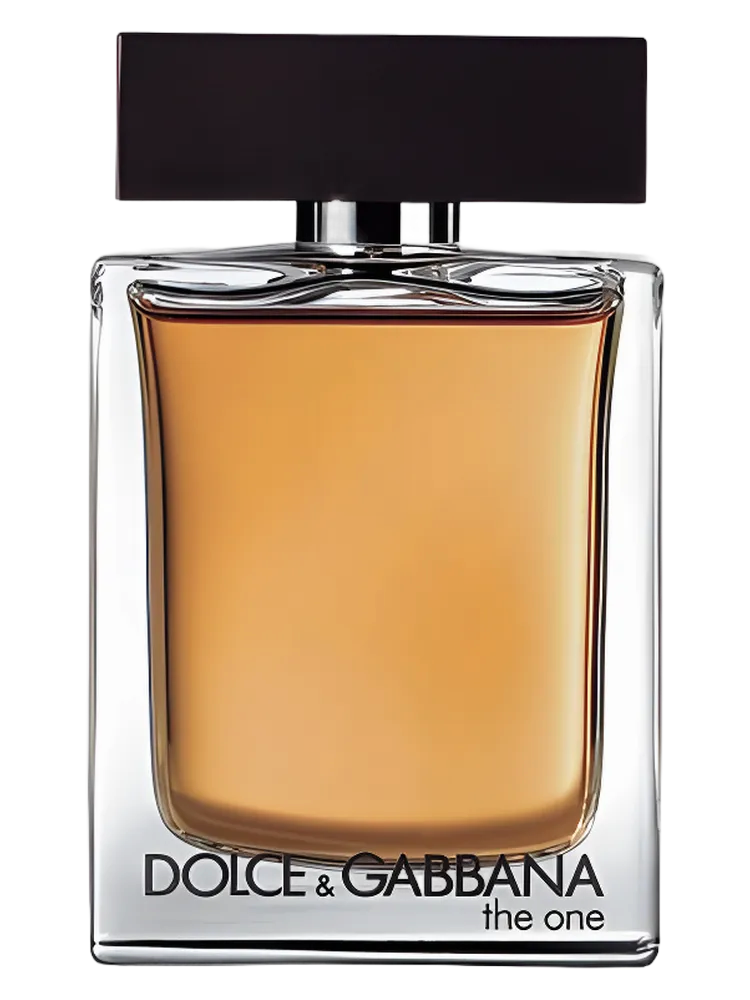
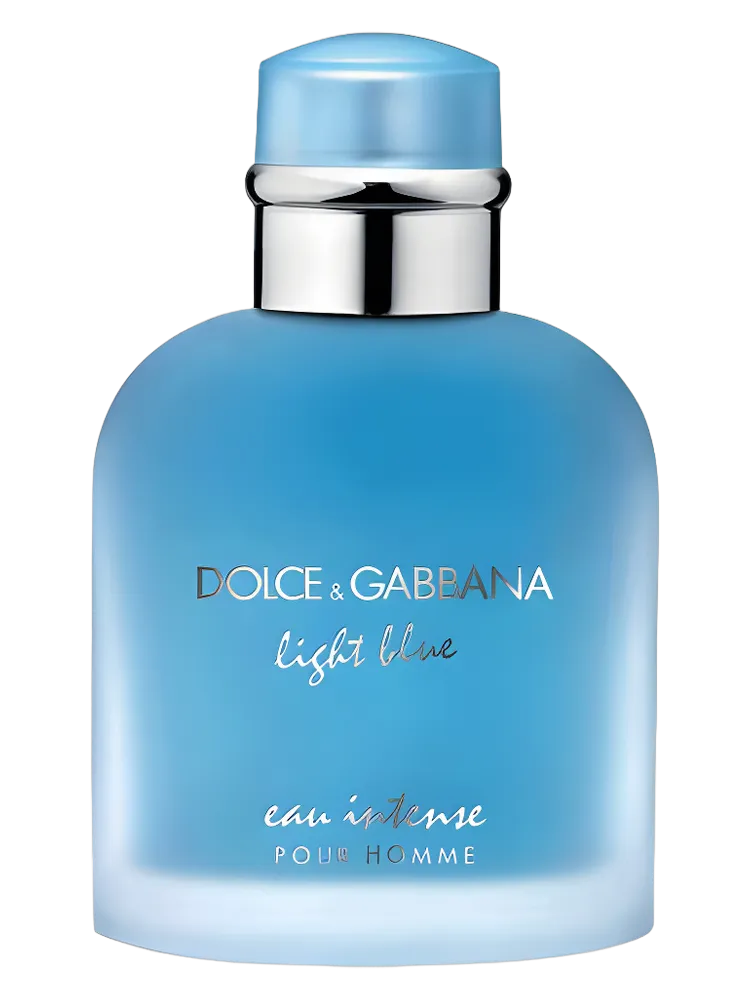
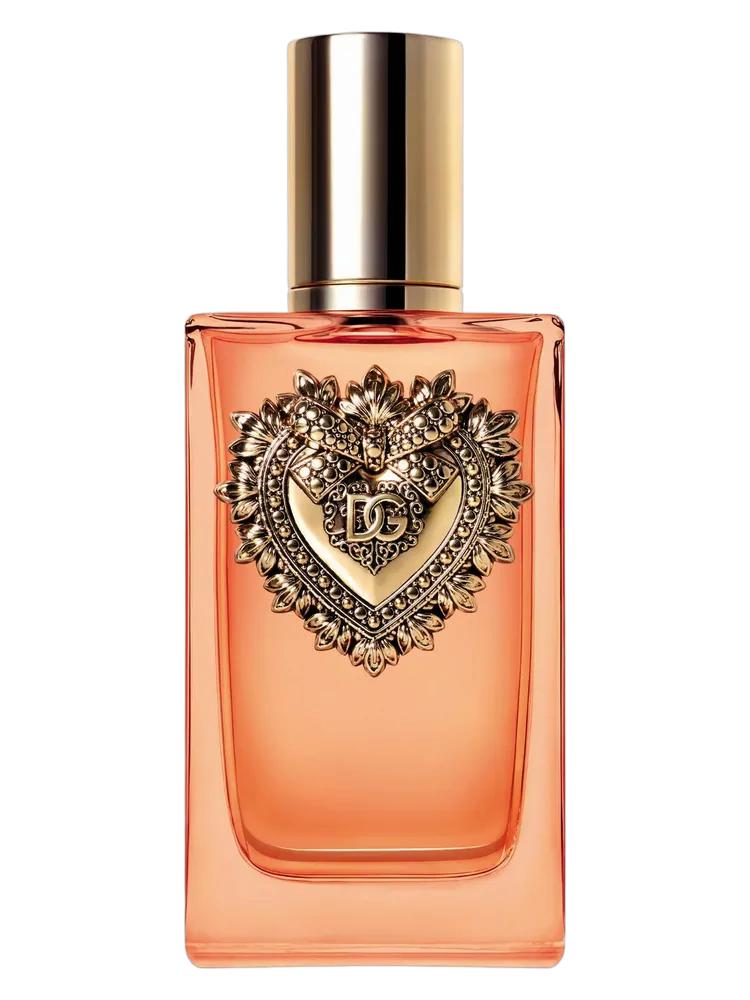
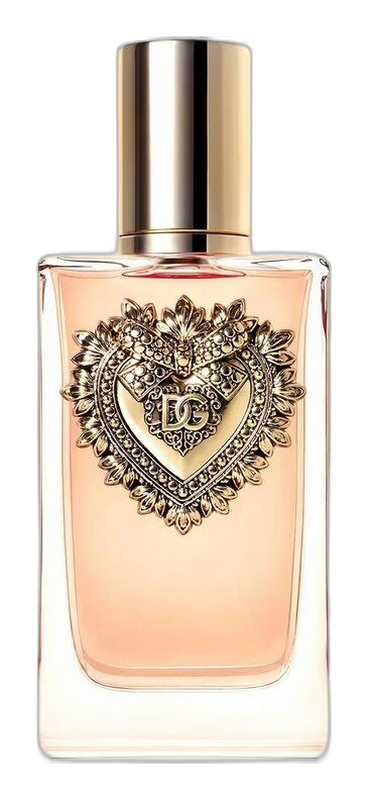
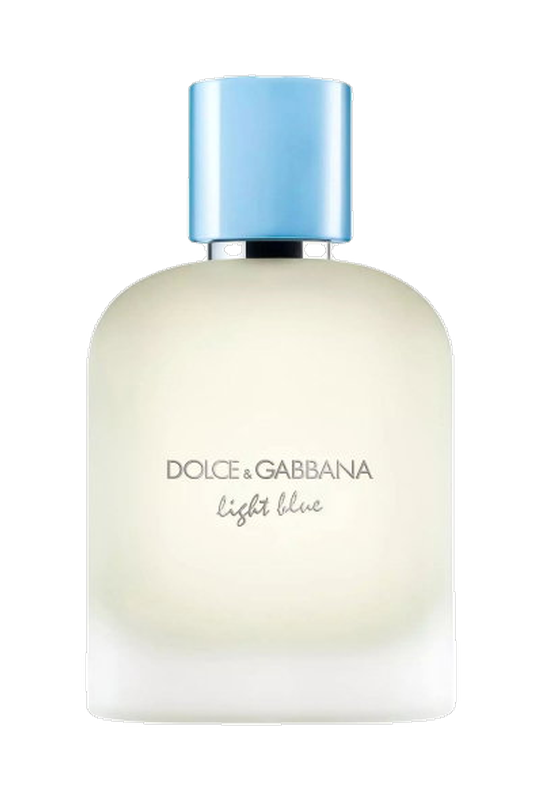
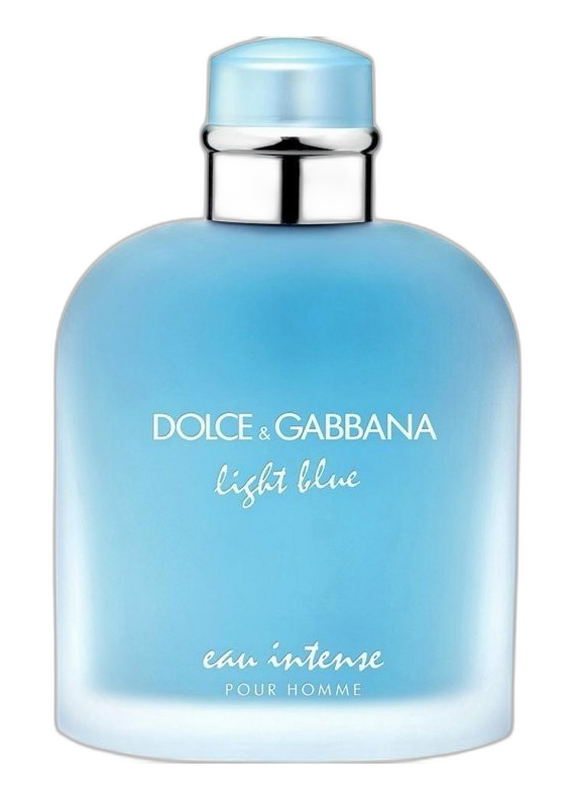
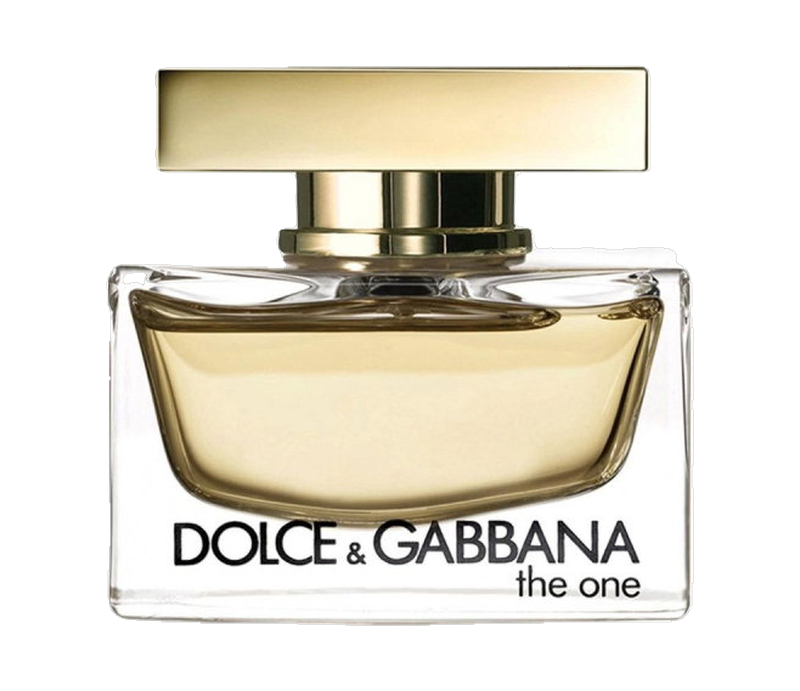
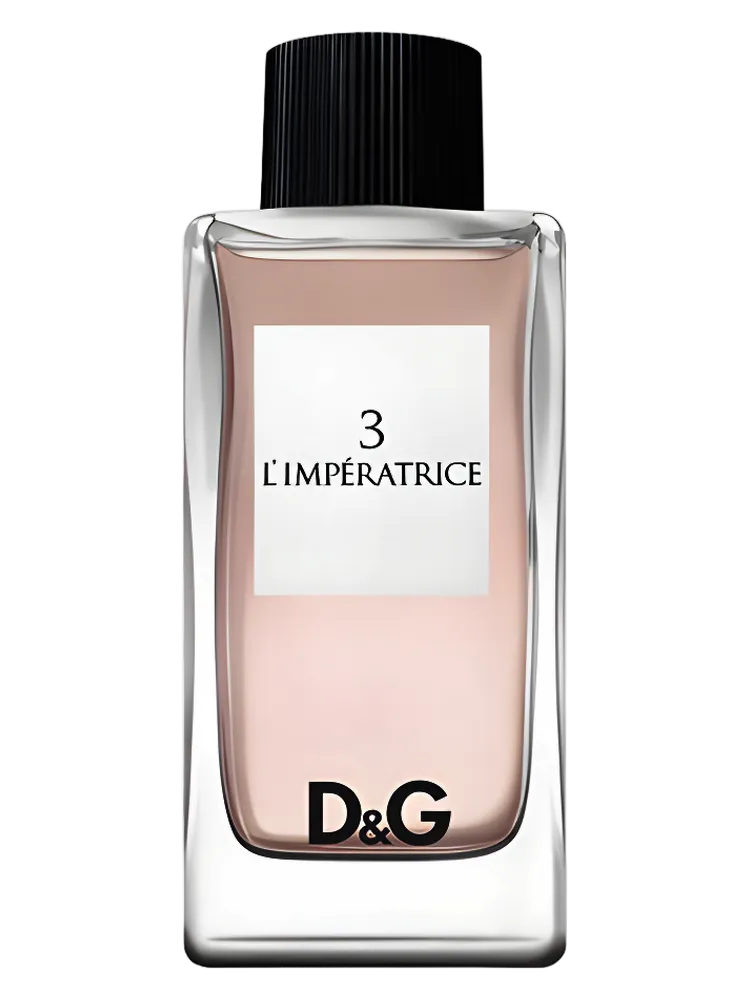
Dolce & Gabbana's visual world draws deeply from Mediterranean roots. Sicilian black-and-white mosaic patterns, baroque gold flourishes, and the deep blues of the Mediterranean coast recur across their brand identity. This visual language translates directly into their bottle designs. Light Blue, with its frosted blue glass, evokes the azure waters and white stone of Capri, a setting the brand has revisited repeatedly in its advertising. The One presents itself in weighted black glass with gold lettering that feels almost ecclesiastical in its gravity. Devotion's domed lid and ornate gold finishing reference Italian pastry culture rather than church aesthetics, a deliberate departure into warmth and accessibility. Across the fragrance line, the presentation is distinctly Italian: opulent without being excessive, favoring tactile materials and quality finishing. Advertising campaigns, from Ferdinando Scianna's early Sicilian photography to the Capri-set light Blue campaigns starring Vittoria Ceretti and Theo James in 2024, reinforce the brand's identity as a vehicle for aspirational Mediterranean living. The house occupies a precise position in the luxury market, commanding shelf presence through visual drama rooted in cultural specificity.
Philosophy
Dolce & Gabbana does not do quiet. The house built a global empire on the tension between sacred and profane, drawing from Sicilian Catholic visual culture, baroque ornamentation, and an unapologetic idea of glamour. Their fashion campaigns have consistently pushed against convention, occasionally drawing criticism that only amplified their name. In the partnership, Dolce handles most of the tailoring while Gabbana assists in fabric selection and defines the overall feel of each collection. Their fragrances carry this same duality. They are not minimalists by instinct. The house gravitates toward richness: amber, white florals, Mediterranean herbs. Yet the brand is not monolithic. Light Blue projects sun-bleached coastal ease. The One leans into smoky depth and golden warmth. Devotion wraps edible vanilla and citrus in theatrical packaging that reads almost confectionary. Since bringing beauty operations in-house in 2022, the house has signaled renewed investment in its fragrance output, working with Italian manufacturers and emphasizing the Made-in-Italy provenance that sits at the center of the Dolce & Gabbana identity. It is a house defined by conviction, for better and sometimes for worse, and that quality runs through every bottle they release.
Key Milestones
1983
Domenico Dolce and Stefano Gabbana leave their jobs in Milan to begin their own design partnership.
1985
Dolce & Gabbana S.p.A. officially founded in Legnano, Italy.
1992
First fragrances, Dolce & Gabbana Pour Homme and Pour Femme, launch in October. Pour Femme wins Perfume Academy Award for Best Feminine Fragrance of the Year in 1993.
2001
Light Blue, one of the house's most enduring scents, launches with perfumer Alberto Morillas.
2022
Dolce & Gabbana Beauty established as an in-house subsidiary in February, ending third-party licensing for cosmetics and fragrance.
At a Glance
Brand profile snapshot
Origin
Italy
Founded
1985
Heritage
41
Years active
Collection
9
Fragrances released
Avg Rating
4.0
Community sentiment
Release Rhythm