The Heritage
The Story of Elie Saab
Elie Saab translates the Lebanese designer's reputation for couture into a fragrance portfolio that balances opulent floral structures with modern sensibility. Since the launch of Le Parfum in 2011, the house has expanded into a curated collection of Eau de Parfums, each anchored by a distinct note palette and presented in sculptural glass. The line appeals to collectors who value a narrative that links scent to the brand’s celebrated aesthetic of refined elegance.
Heritage
The Elie Saab fashion house opened its doors in Beirut in 1982, founded by designer Elie Saab, whose bridal gowns quickly attracted an international clientele. After three decades of runway success, the brand entered the fragrance market in 2011 with Le Parfum, a collaboration with master perfumer Francis Kurkdjian. The scent earned the Fragrance Foundation’s FiFi Award for Best New Fragrance in both the United Kingdom and the United States during its debut year, marking a rare dual‑region recognition for a debut perfume. Building on that momentum, the house introduced a numbered Essence series between 2014 and 2017, each edition exploring a single dominant ingredient such as rose, oud, or ambre. In 2025, the brand announced its first men’s fragrance, L’Homme, extending the olfactory narrative to a broader audience while maintaining the same emphasis on craftsmanship. Throughout its evolution, Elie Saab has kept its Lebanese roots visible, often referencing the Mediterranean flora and the artisanal traditions of the Levant in both scent composition and visual presentation.
Craftsmanship
Production of Elie Saab fragrances follows a tightly controlled pipeline that begins with raw material selection. The rose used in Essence No. 1 originates from the foothills of the Atlas Mountains, where growers employ organic farming methods to preserve soil health. Oud for Essence No. 4 is harvested from mature Aquilaria trees in the Philippines under a certified sustainable program, ensuring that the wood is sourced after natural infection rather than artificial inoculation. Once ingredients arrive at the house’s Paris‑based laboratory, they undergo a series of analytical tests to verify purity and aromatic profile. Perfumers then blend the components in small batches, allowing each formulation to mature for several weeks in temperature‑controlled vaults. The final mixture is filtered through stainless steel membranes to remove any particulate matter before being decanted into the signature glass bottles. Quality control includes blind panel evaluations by both internal scent experts and independent fragrance consultants, guaranteeing consistency across production runs. The brand also partners with a family‑run glassblowing atelier in Murano, Italy, where each bottle receives a hand‑finished finish that reflects the same attention to detail found in the perfume itself.
Design Language
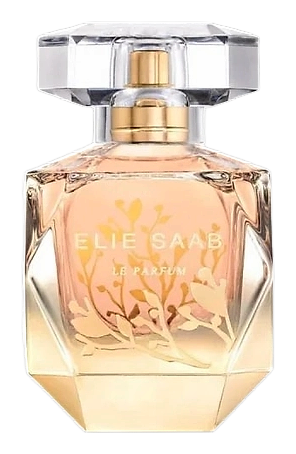
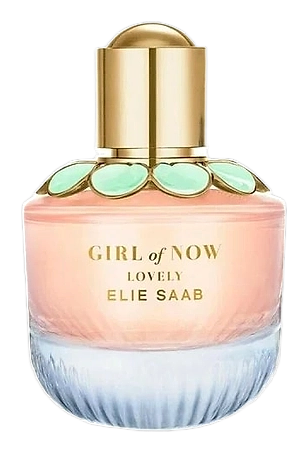
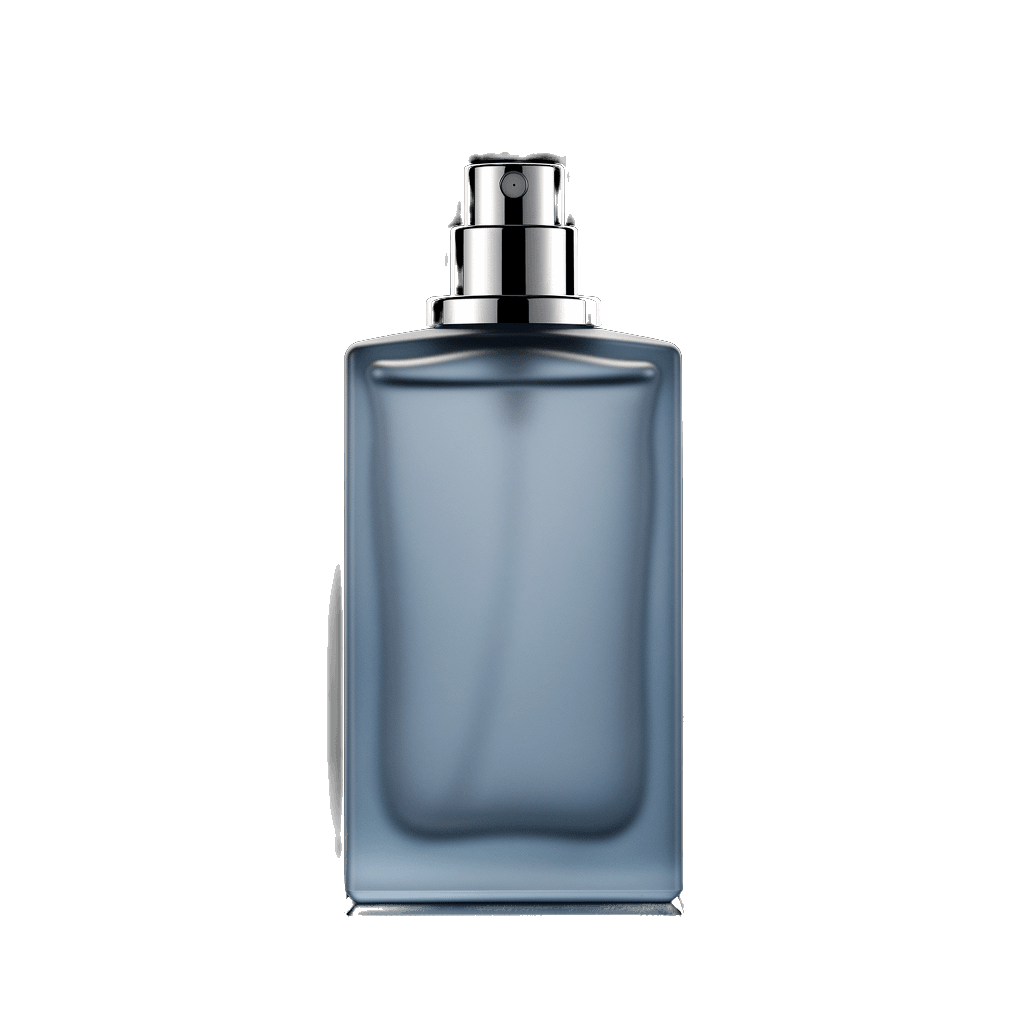
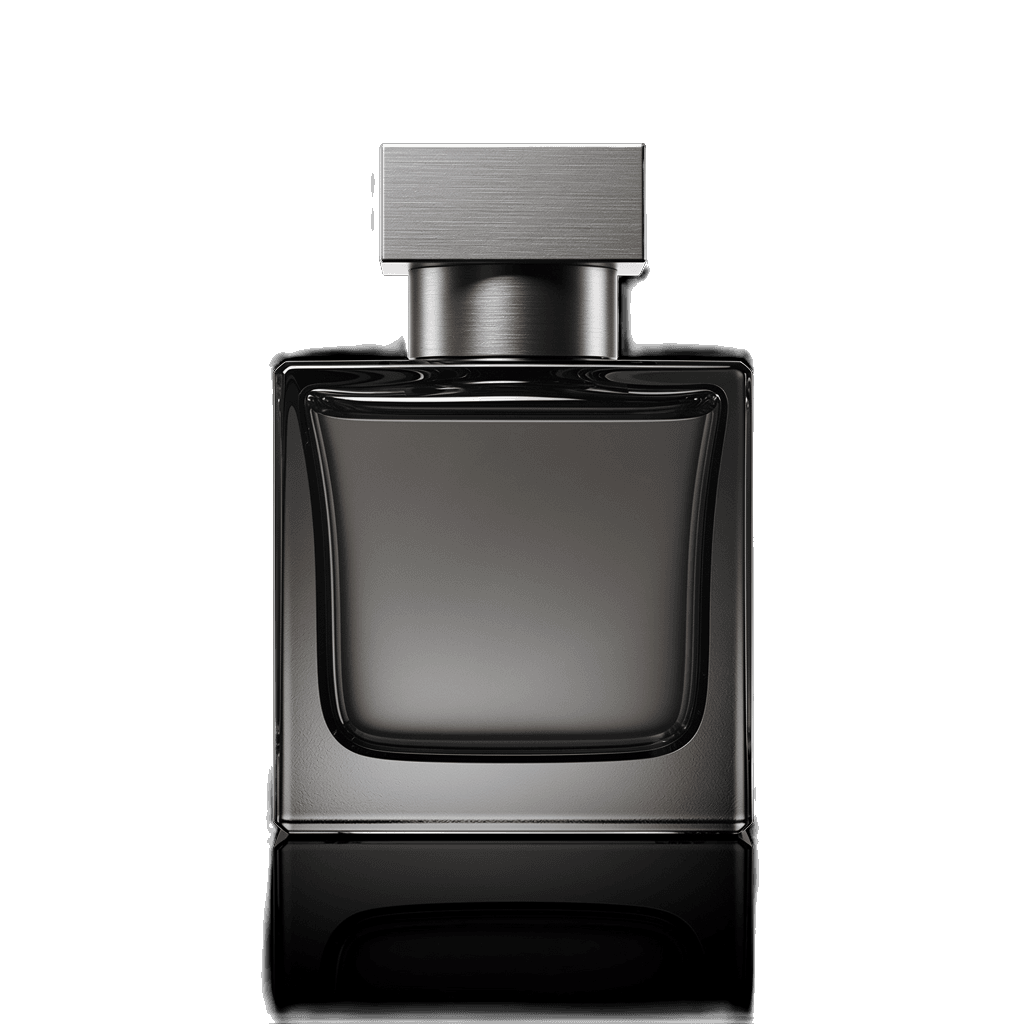
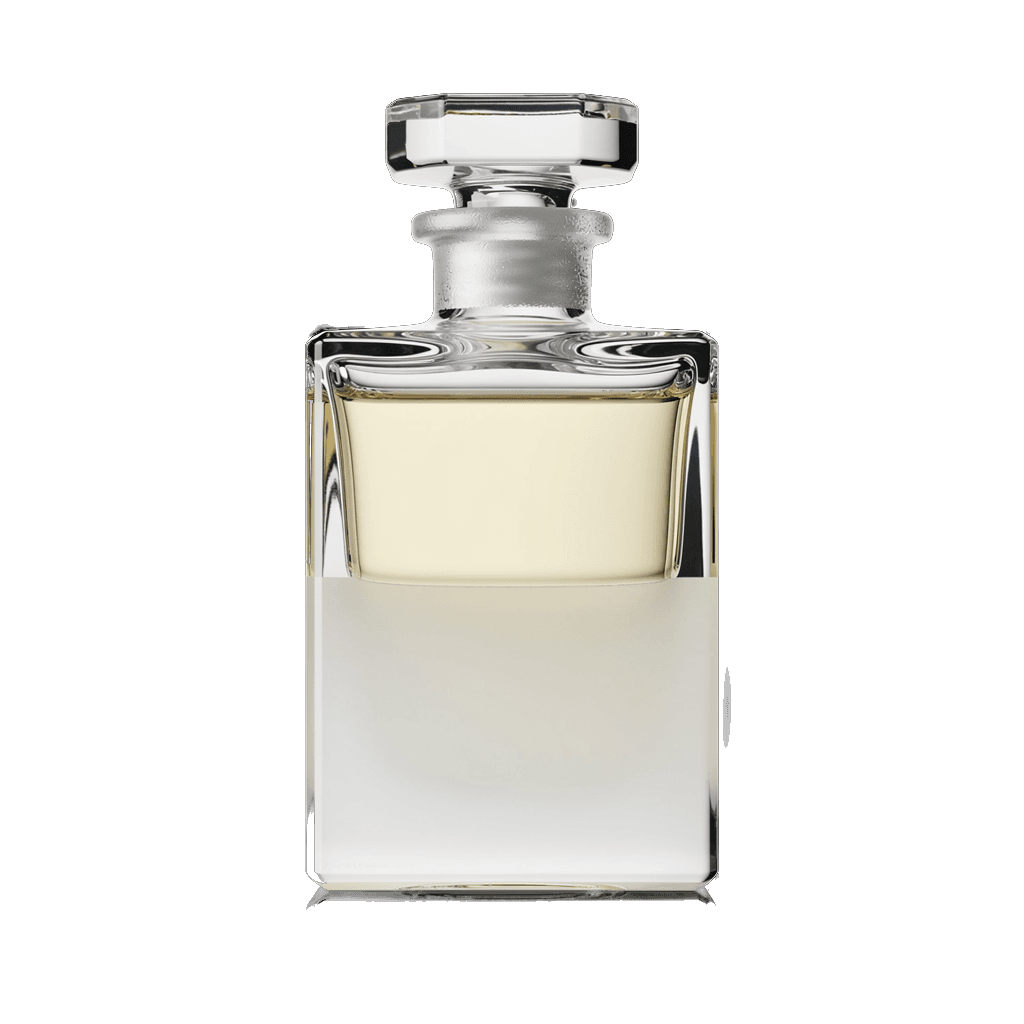
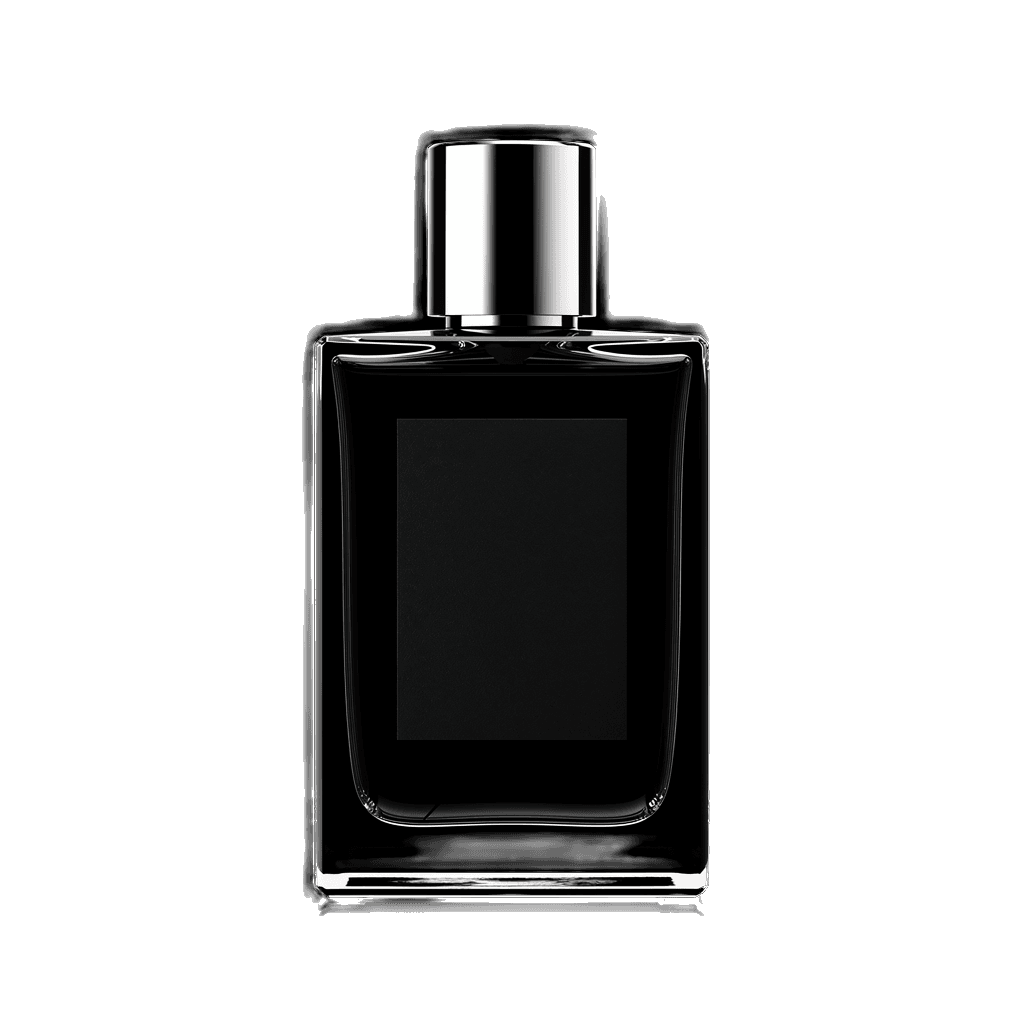
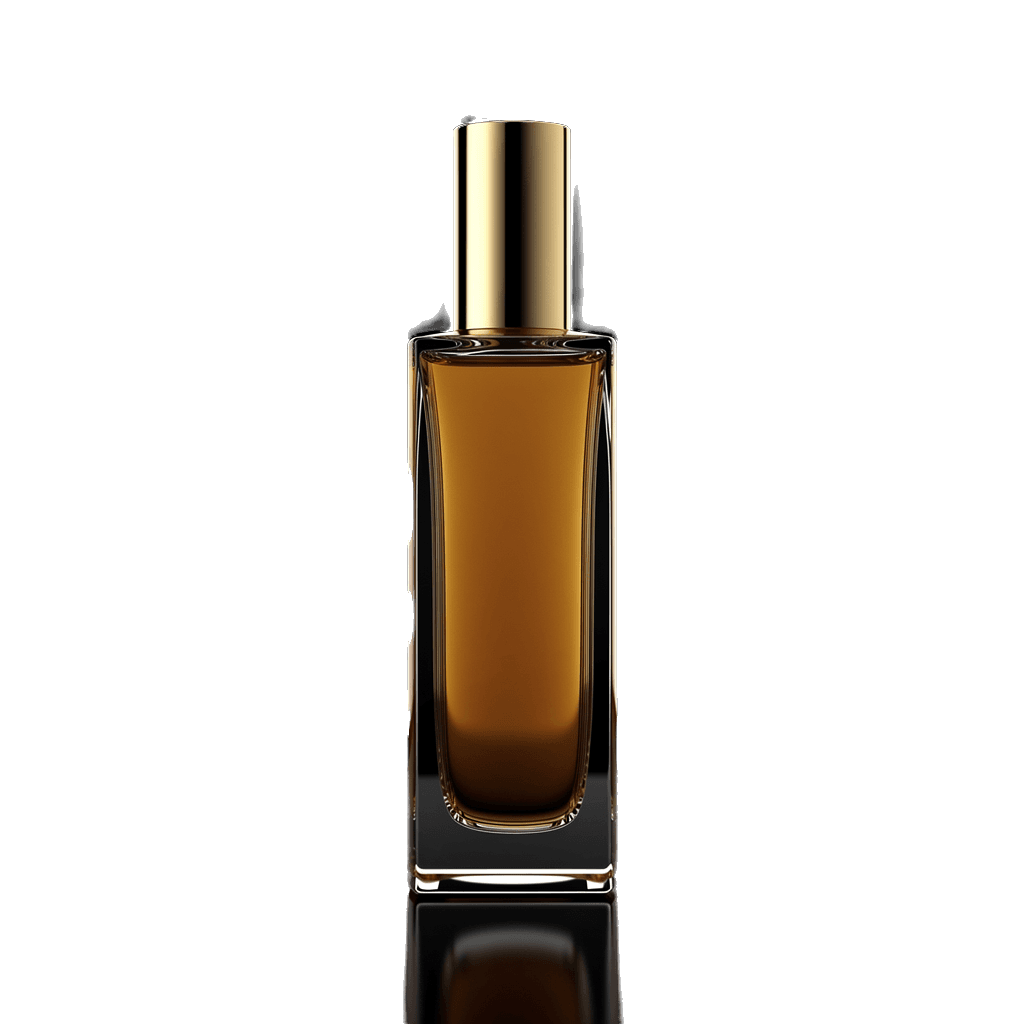
Visually, Elie Saab fragrance packaging mirrors the couture house’s penchant for sculptural elegance. Bottles are cut from clear crystal glass, their silhouettes echoing the flowing lines of the designer’s gowns, while the faceted shoulders catch light much like sequined fabric. The brand’s signature color palette—soft ivory, muted gold, and occasional blush—appears on the outer boxes, which feature embossed patterns inspired by traditional Lebanese mosaics. Typography is restrained, using a modern serif that balances readability with a sense of heritage. Each edition’s cap is crafted from brushed metal, often bearing a subtle engraving of the house’s monogram, reinforcing brand identity without overt branding. The overall presentation aims to create a tactile experience that begins the moment a consumer lifts the box, inviting them to explore the scent inside as an extension of the visual story.
Philosophy
The fragrance philosophy at Elie Saab rests on three pillars: narrative depth, material integrity, and a seamless bridge between fashion and scent. The house treats each perfume as an extension of a runway collection, seeking to evoke the same emotional response that a couture dress elicits. Ingredient selection favors provenance; the brand sources Moroccan rose, Syrian oud, and Tunisian ambergris‑free amber to ensure both authenticity and sustainability. Collaboration with established perfumers such as Francis Kurkdjian reflects a belief that expertise should complement, not dominate, the brand’s aesthetic. The creative process begins with a story board drawn from the designer’s latest couture themes, then translates visual motifs into olfactory accords, resulting in scents that feel like wearable art. Transparency about sourcing and a commitment to cruelty‑free testing underline the house’s modern ethical stance.
Key Milestones
1982
Elie Saab establishes his eponymous fashion house in Beirut, focusing on haute couture and bridal wear.
2011
Launch of the first fragrance, Le Parfum, created by Francis Kurkdjian; the scent wins FiFi Awards for Best New Fragrance in the UK and US.
2014
Introduction of the Essence series with Essence No. 1 Rose, marking the brand’s move toward single‑note focused perfumes.
2017
Release of Essence No. 10 Amande Tonka, expanding the series to ten distinct olfactory statements.
2025
Reportedly, Elie Saab debuts its first men’s fragrance, L’Homme, completing a gender‑balanced portfolio.
At a Glance
Brand profile snapshot
Origin
Lebanon
Founded
1982
Heritage
44
Years active
Collection
2
Fragrances released
Avg Rating
4.3
Community sentiment
Release Rhythm