
The Heritage
The Story of Erik Kormann
Erik Kormann is a niche perfume house that emerged in the early 2010s with a focus on seasonal storytelling. The label releases limited‑edition scents that often reference a month or a specific moment, such as Eau de Froehliche (2010) and Dezember (2014). Each bottle arrives in a restrained container that lets the fragrance speak for itself. The brand distributes through select European retailers, including 1000 & 1 Seife and First in Fragrance, positioning the line as a modest alternative to larger houses while maintaining a clear artistic voice.
Heritage
The first Erik Kormann fragrance appeared in 2010 under the name Eau de Froehliche. Early releases followed a monthly concept, with Eau de Froehliche No 2 arriving in 2012 and the series expanding to include Juli and September in 2013. That year also saw the introduction of Steampunk, a departure from the calendar theme that explored industrial motifs. In 2014 the house added Borobudur, Dezember, and Famagusta, each drawing on geographic or seasonal cues. The most recent documented edition, November No 11, was launched in 2015, while a 2016 release completes the publicly known catalogue. Throughout this period the brand has remained independent, relying on small‑batch production and direct relationships with boutique retailers. The limited‑run nature of each scent encourages collectors to view the line as a curated archive rather than a mass market catalog.
Craftsmanship
Production for Erik Kormann fragrances follows a small‑scale model. According to independent fragrance blogs, the scents are blended in limited batches, allowing the perfumer to monitor each stage of development. Raw materials are sourced from established European suppliers, with a preference for ingredients that have a clear provenance, such as French lavender or Italian bergamot. The brand reportedly avoids excessive synthetics, opting instead for natural extracts when they support the intended mood. Quality control includes a waiting period after mixing, during which the perfume matures in dark glass vessels before bottling. Bottles are filled by hand in a modest workshop, and each batch receives a unique batch number, reinforcing the limited‑edition ethos. Distribution through curated retailers ensures that the final product reaches consumers who appreciate the care taken at each step.
Design Language
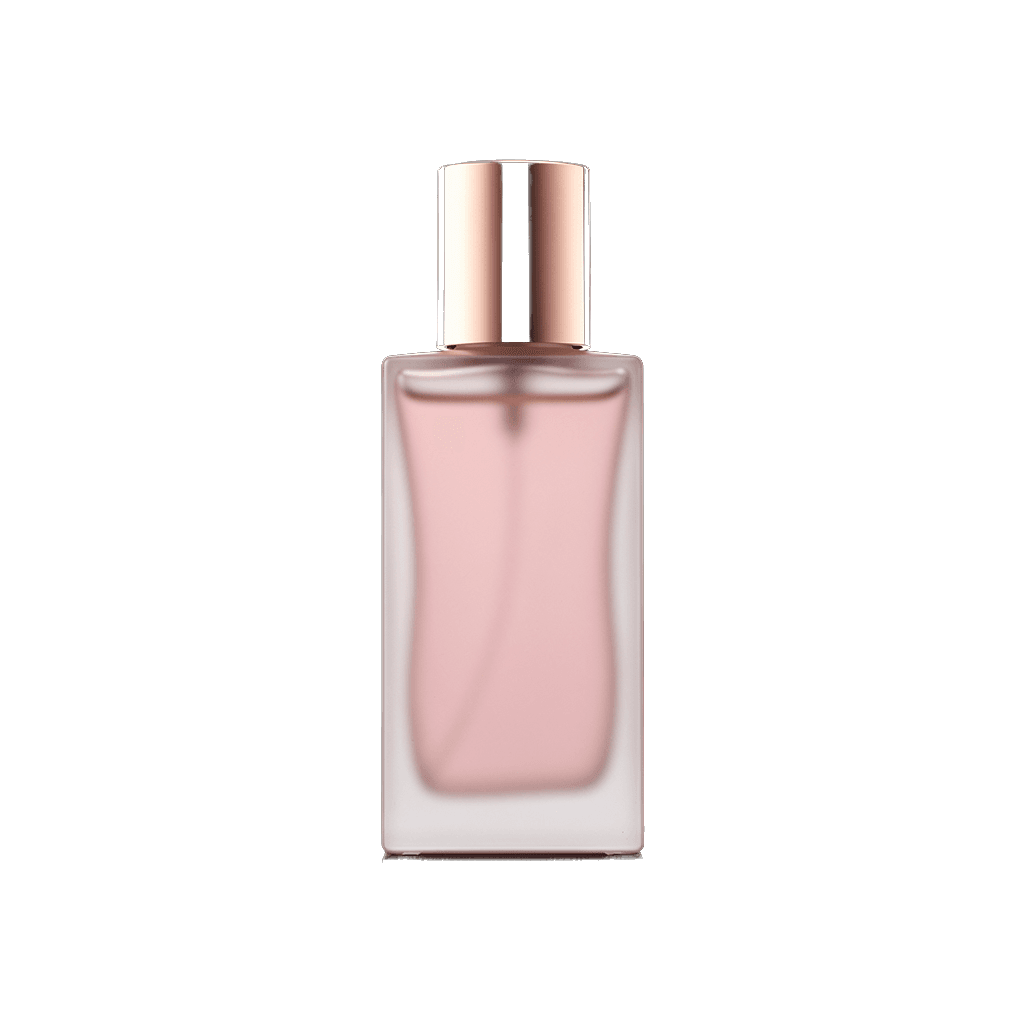
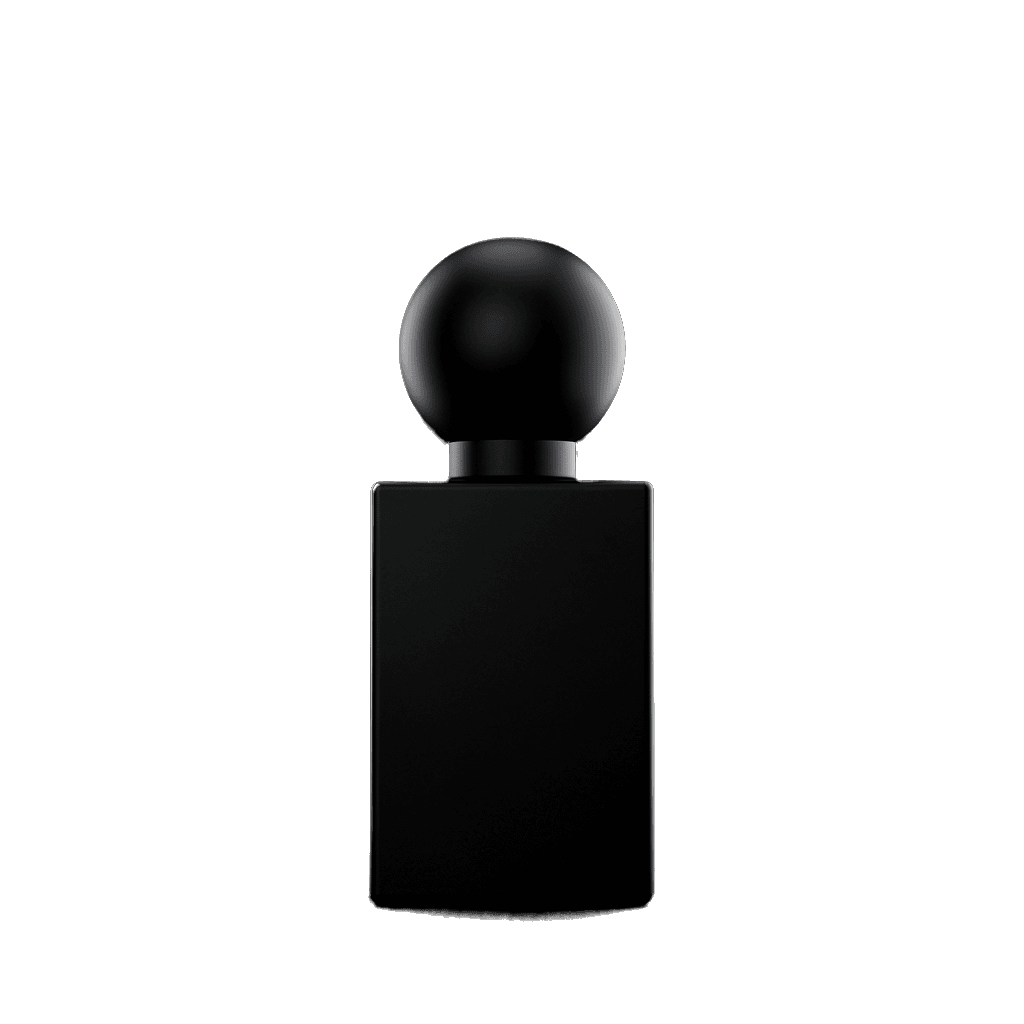
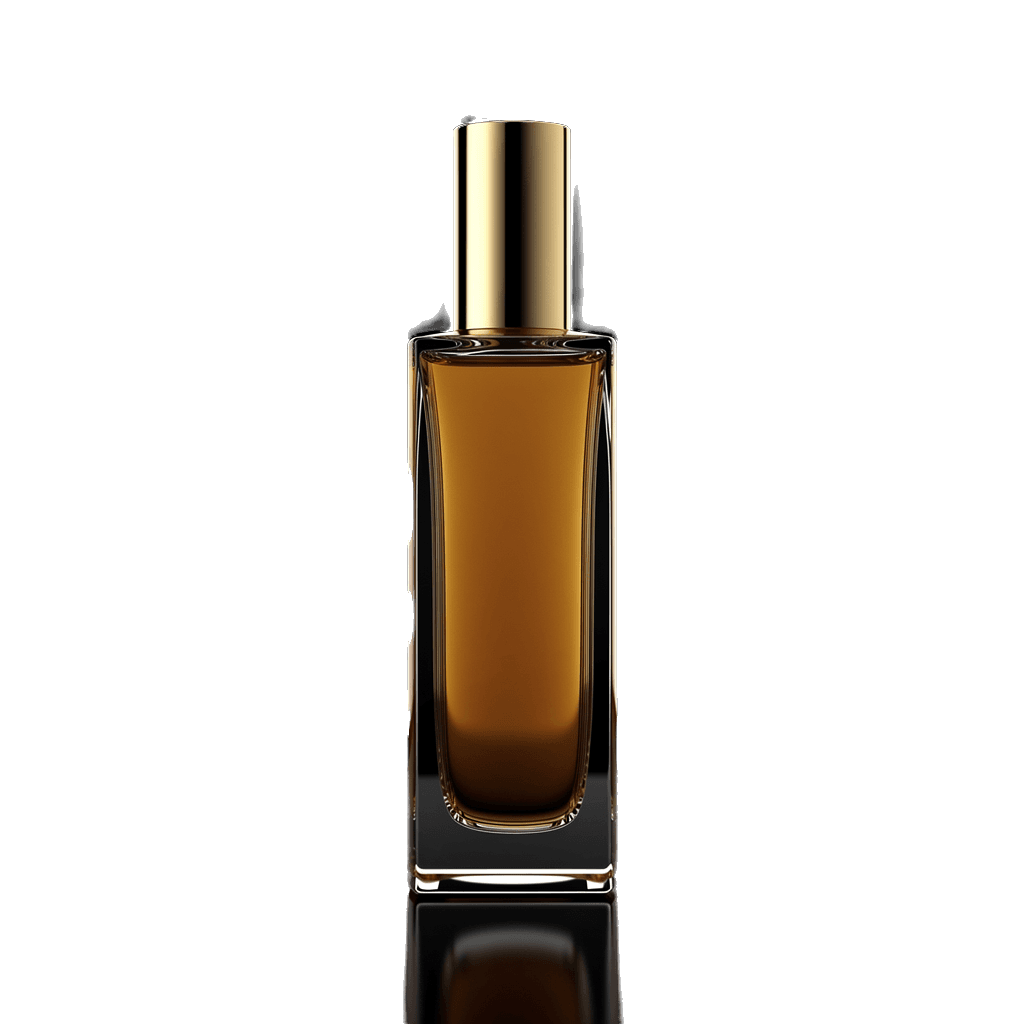
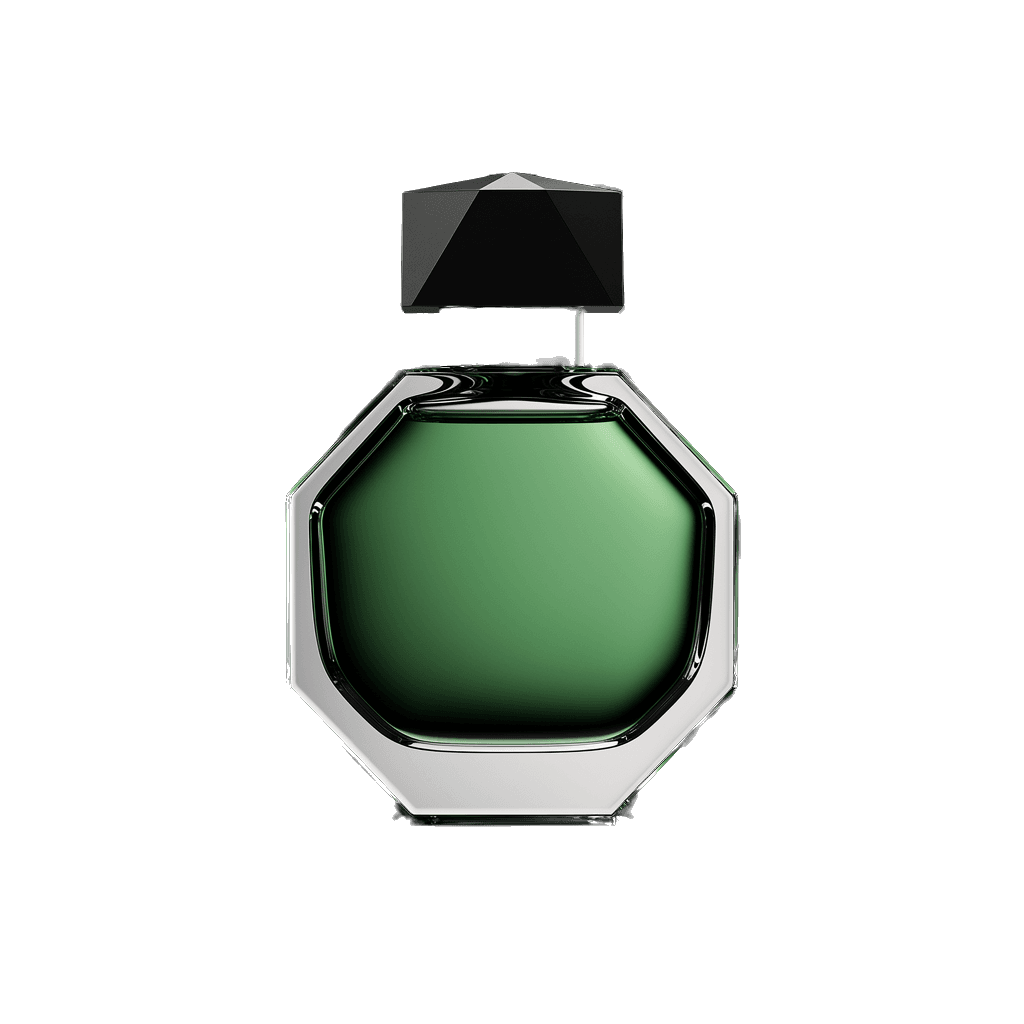
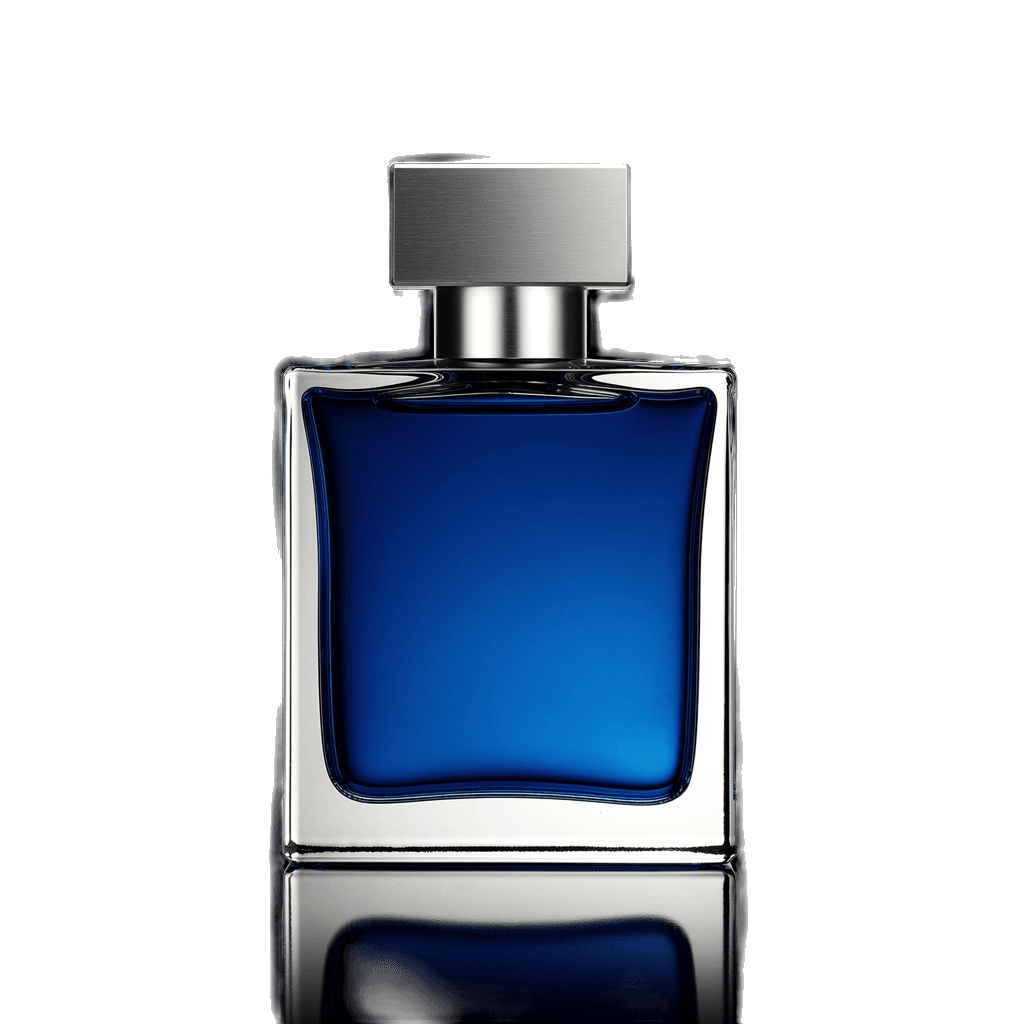
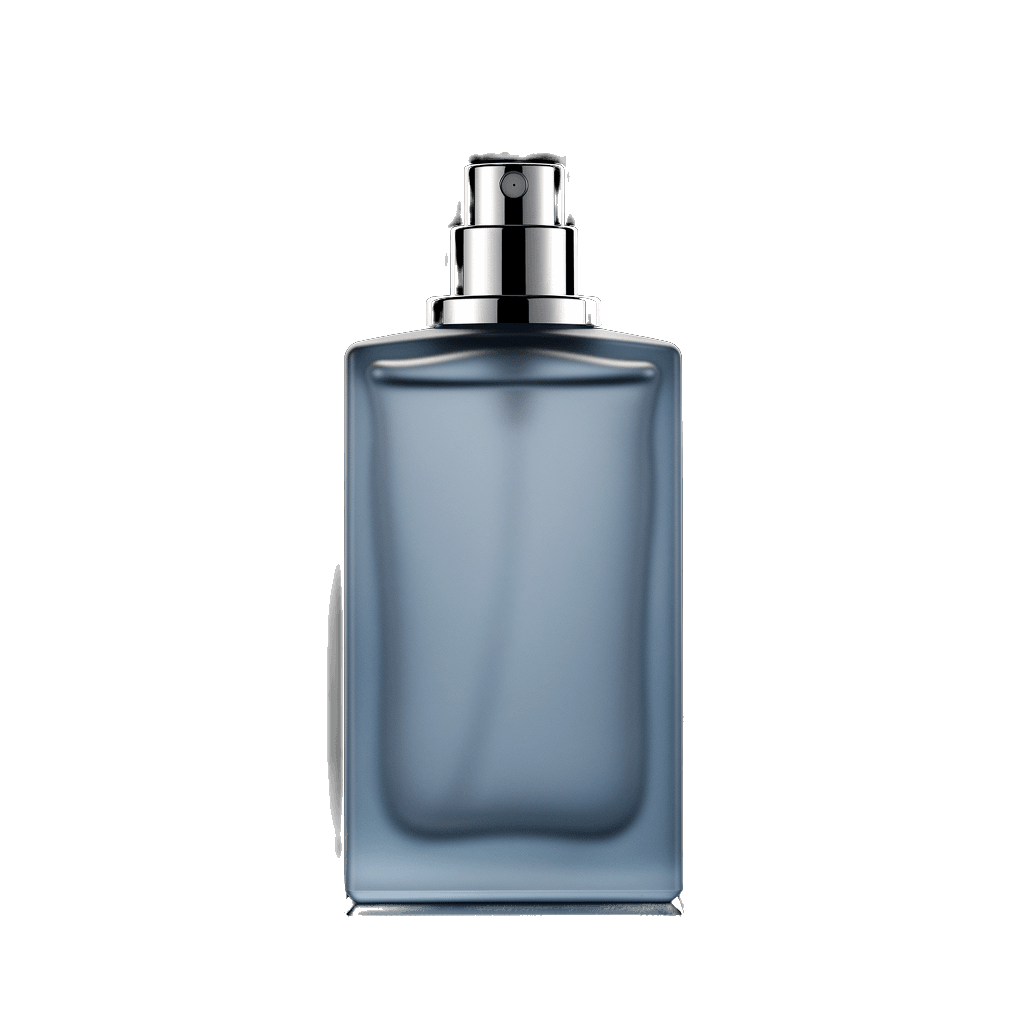
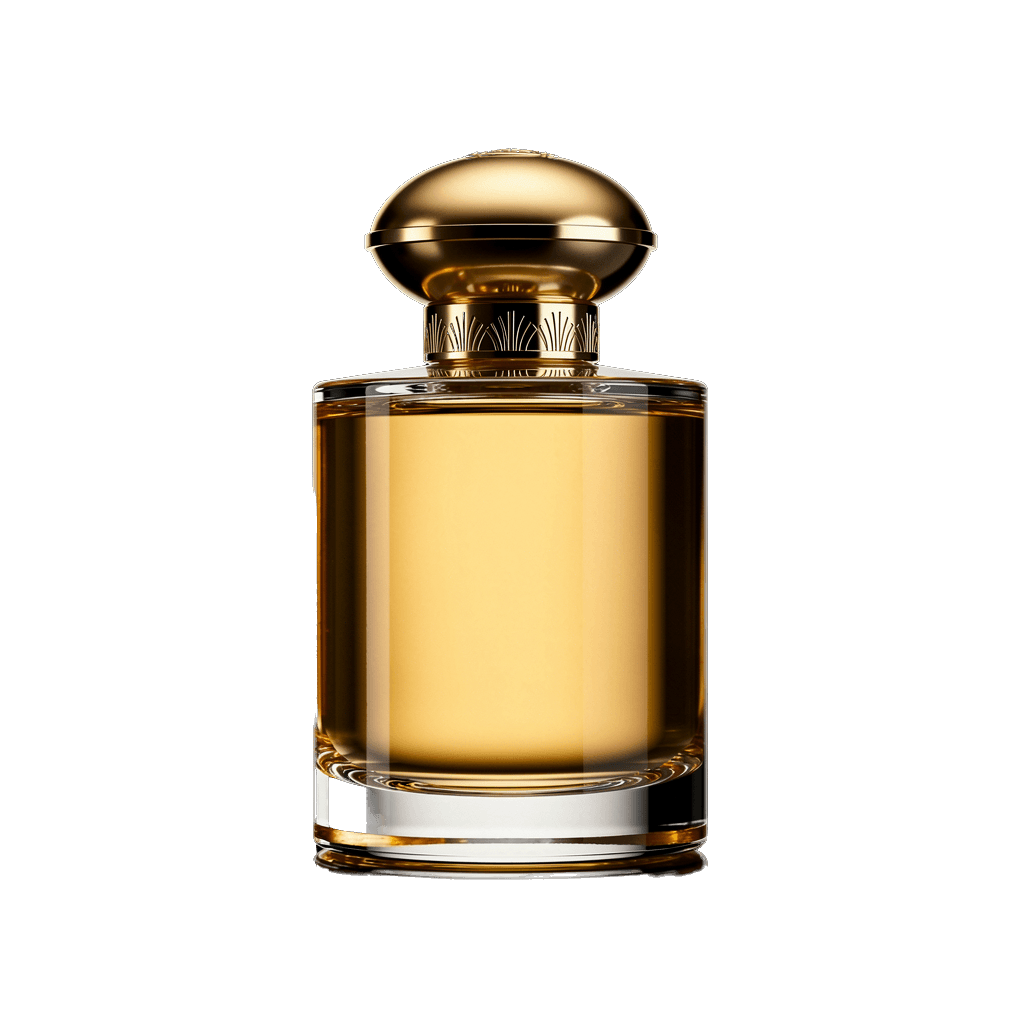
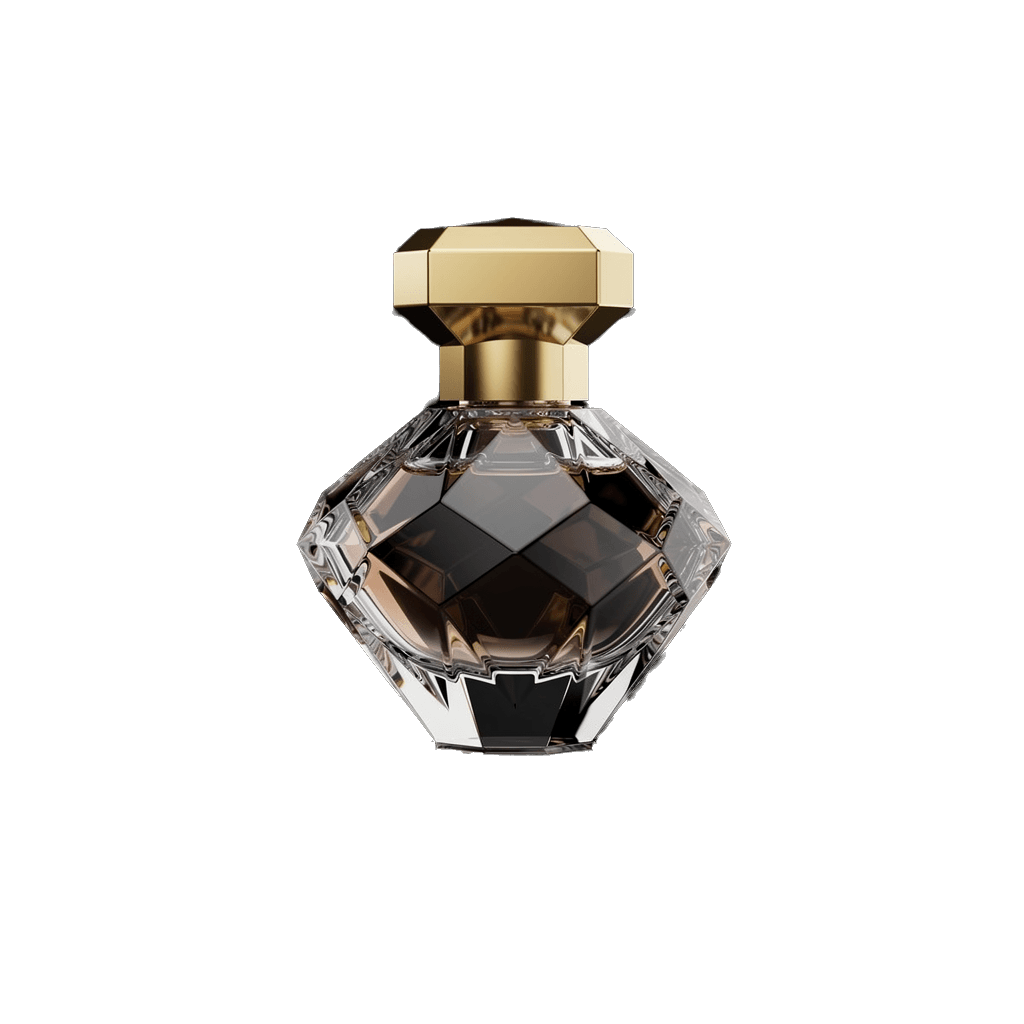
Visual identity for Erik Kormann leans toward understated elegance. Bottles feature simple, clear glass with minimal labeling, often limited to the brand name and a discreet date stamp. The typography is clean, favoring sans‑serif fonts that echo the brand’s contemporary sensibility. Packaging colors reflect the fragrance’s theme: for example, the Dezember edition arrives in a muted silver box, while Juli uses a soft, sun‑kissed hue. The overall presentation avoids overt ornamentation, allowing the scent narrative to remain the focal point. Retail displays in partner shops typically showcase the bottles on modest wooden trays, reinforcing the notion of a curated collection rather than a flashy commercial product.
Philosophy
Erik Kormann frames perfumery as a diary of moments. The creator, whose name the brand bears, treats each fragrance as a snapshot of a specific time, place, or feeling. Rather than chasing trends, the line embraces a quiet consistency: ingredients are chosen for how they evoke memory, and compositions are restrained enough to allow personal interpretation. The brand’s statements, as reported by third‑party reviews, emphasize authenticity over hype, suggesting that a scent should serve as a personal companion rather than a status symbol. This approach aligns with the broader niche movement that values craftsmanship, narrative depth, and a direct connection between creator and wearer.
Key Milestones
2010
Launch of the first fragrance, Eau de Froehliche, establishing the brand’s month‑based concept.
2012
Release of Eau de Froehliche No 2, expanding the initial series and confirming the limited‑edition approach.
2013
Introduction of Juli, September, and the non‑calendar scent Steampunk, demonstrating thematic flexibility.
2014
Three new releases—Borobudur, Dezember, and Famagusta—highlight geographic and seasonal inspirations.
2015
November No 11 arrives, continuing the monthly narrative and solidifying the brand’s niche reputation.
2016
The latest documented edition is released, marking the end of the publicly known catalogue to date.
At a Glance
Brand profile snapshot
Origin
Germany (reported by retailer locations)
Founded
2010
Heritage
16
Years active
Collection
1
Fragrances released
Avg Rating
3.7
Community sentiment
Release Rhythm