The Heritage
The Story of Faberge
Fabergé is an American fragrance house that launched in 1937 under the direction of Samuel Rubin, a Russian‑heritage entrepreneur. The brand borrowed the Fabergé name from the famed Russian jewellers to signal a blend of imperial elegance and modern accessibility. Over the decades it released a series of classic scents such as Kiku, Brut, and Irium pour Homme, each aimed at a confident, worldly audience.
Heritage
Samuel Rubin opened the Fabergé perfume company in New York in 1937 after a conversation with his friend Dr. Armand Hammer. Rubin chose the Fabergé name because the Russian jeweller’s reputation for intricate detail resonated with his vision of refined scent. The jewellery firm, founded in 1842 by Gustav Fabergé in Saint Petersburg, had become synonymous with the jeweled Easter eggs created by Peter Carl Fabergé. By the mid‑20th century the original Fabergé house had been nationalised, but the name remained a cultural touchstone. Rubin licensed the name for his fragrance venture, positioning the brand at the intersection of heritage and contemporary American style. In the 1960s Fabergé introduced its first major perfume, Kiku, followed by a string of releases that marked each decade: Brut (1968) captured the rise of masculine grooming, Xanadu (1969) reflected the era’s fascination with exoticism, and Audace Noire (1985) answered the demand for bold, nocturnal compositions. The brand survived several ownership changes, moving through the portfolios of large consumer‑goods groups while retaining its core identity. By 1996 the line added Irium pour Homme, a scent that blended traditional woody accords with a modern aromatic edge, illustrating Fabergé’s ability to evolve without abandoning its historic reference point.
Craftsmanship
Fabergé works with established French and Italian fragrance houses to formulate its perfumes, a common practice for brands that lack an in‑house laboratory. The company selects raw materials such as Bulgarian rose, Indian sandalwood, and Moroccan ambergris substitutes from suppliers with documented traceability. Each formula undergoes a series of stability tests in controlled laboratories before approval for production. The mixing process follows traditional batch methods, allowing perfumers to adjust proportions until the scent meets the target profile. After formulation, the perfume is transferred to stainless‑steel tanks for maceration, a period that can last from several weeks to months depending on the composition. Quality control teams sample the batch at regular intervals, checking for consistency in aroma, color, and viscosity. Once the batch passes inspection, it is filtered and filled into bottles under hygienic conditions. The brand’s packaging department sources glass from European manufacturers known for high clarity and durability, then adds decorative elements such as gold foil or enamel caps that echo the jeweled heritage of the original Fabergé house.
Design Language
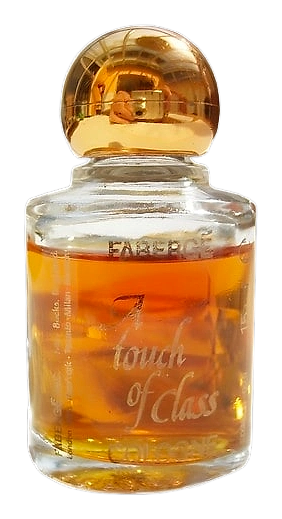
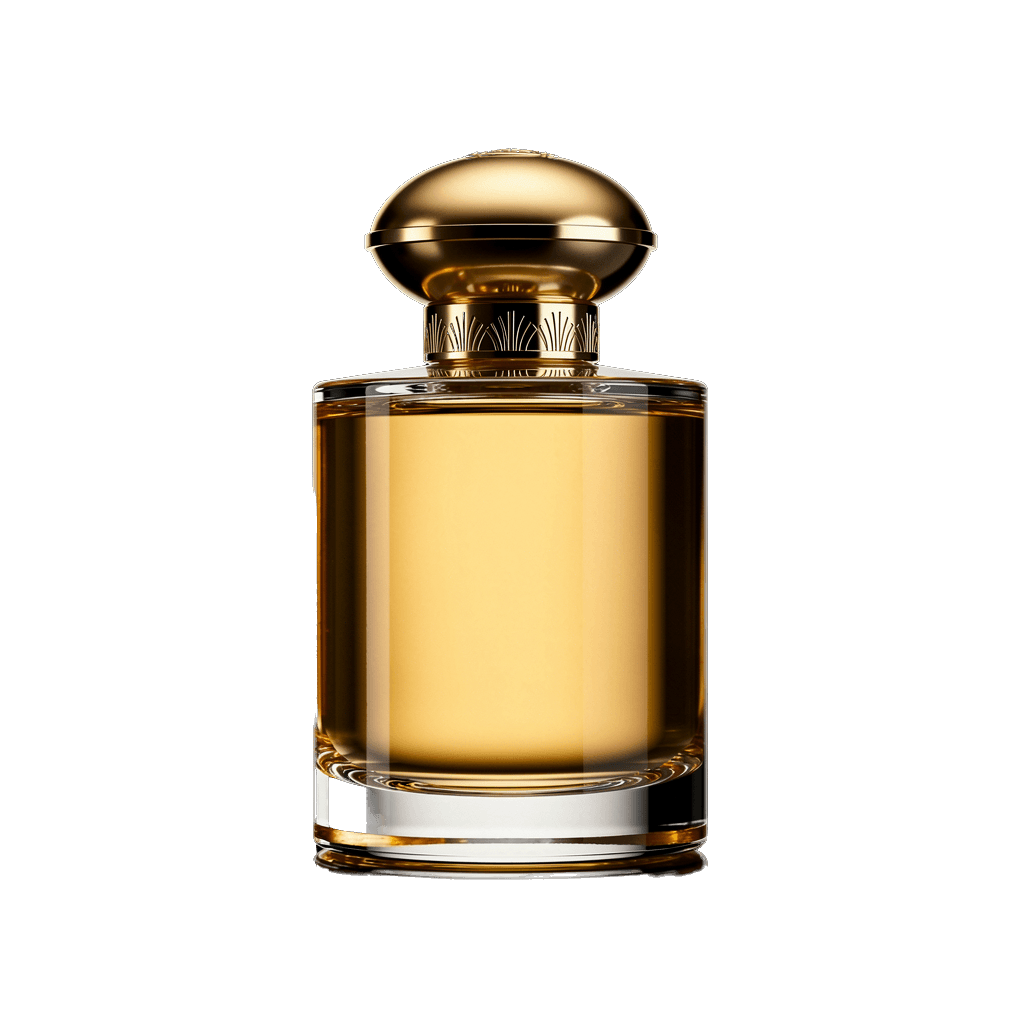
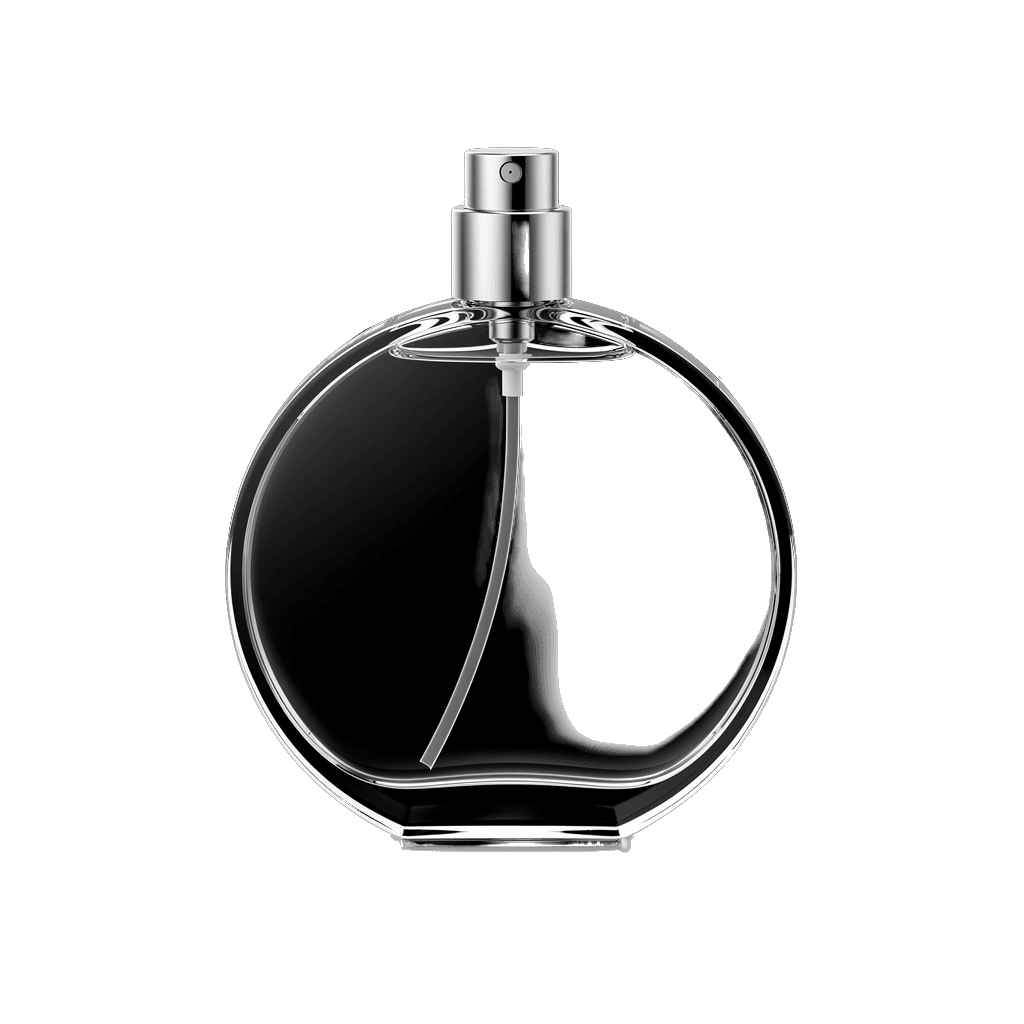
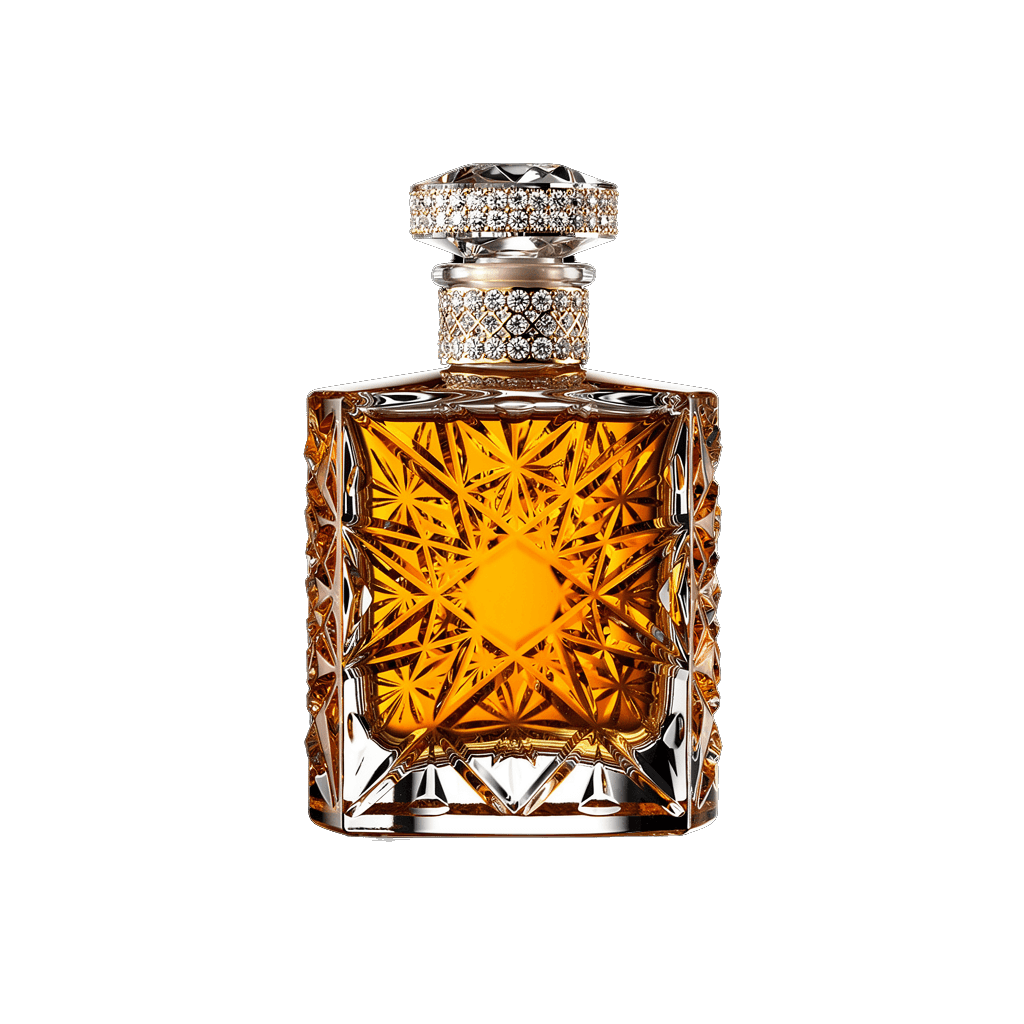
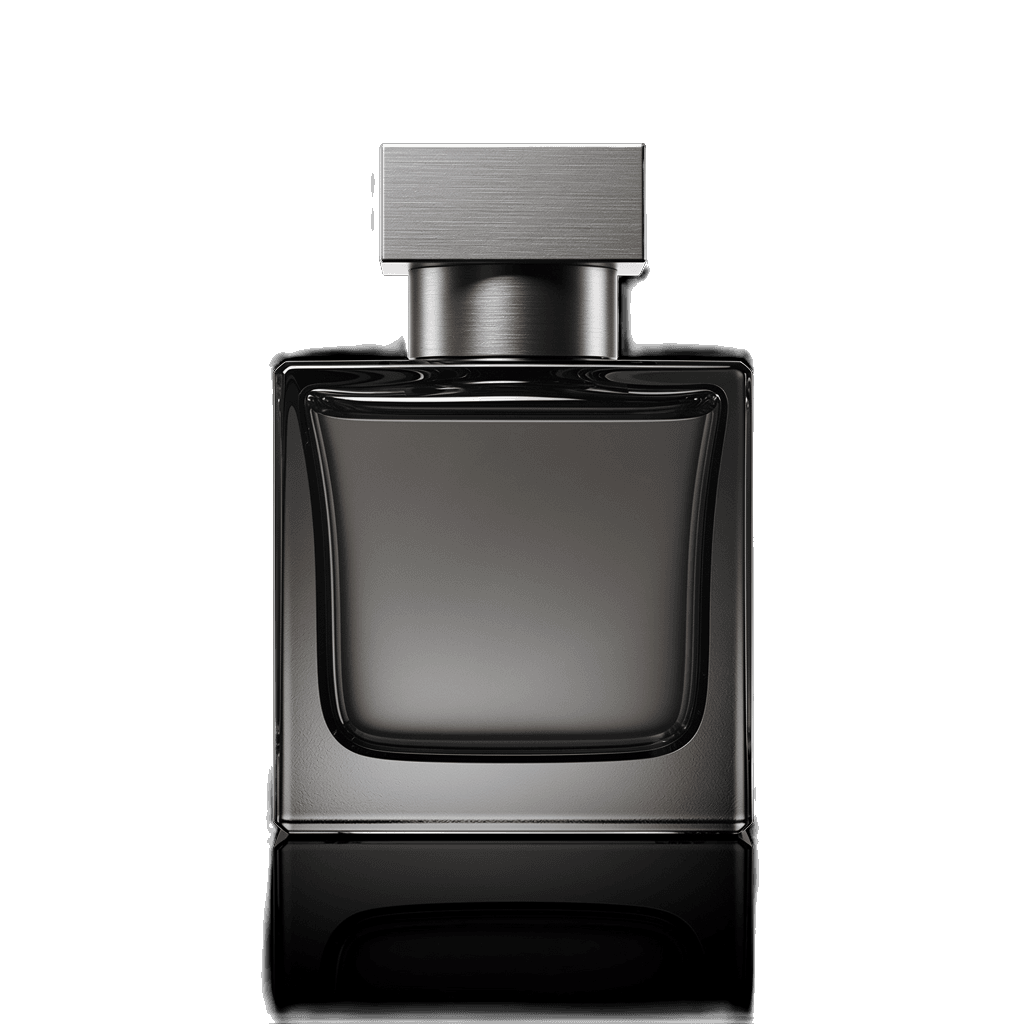
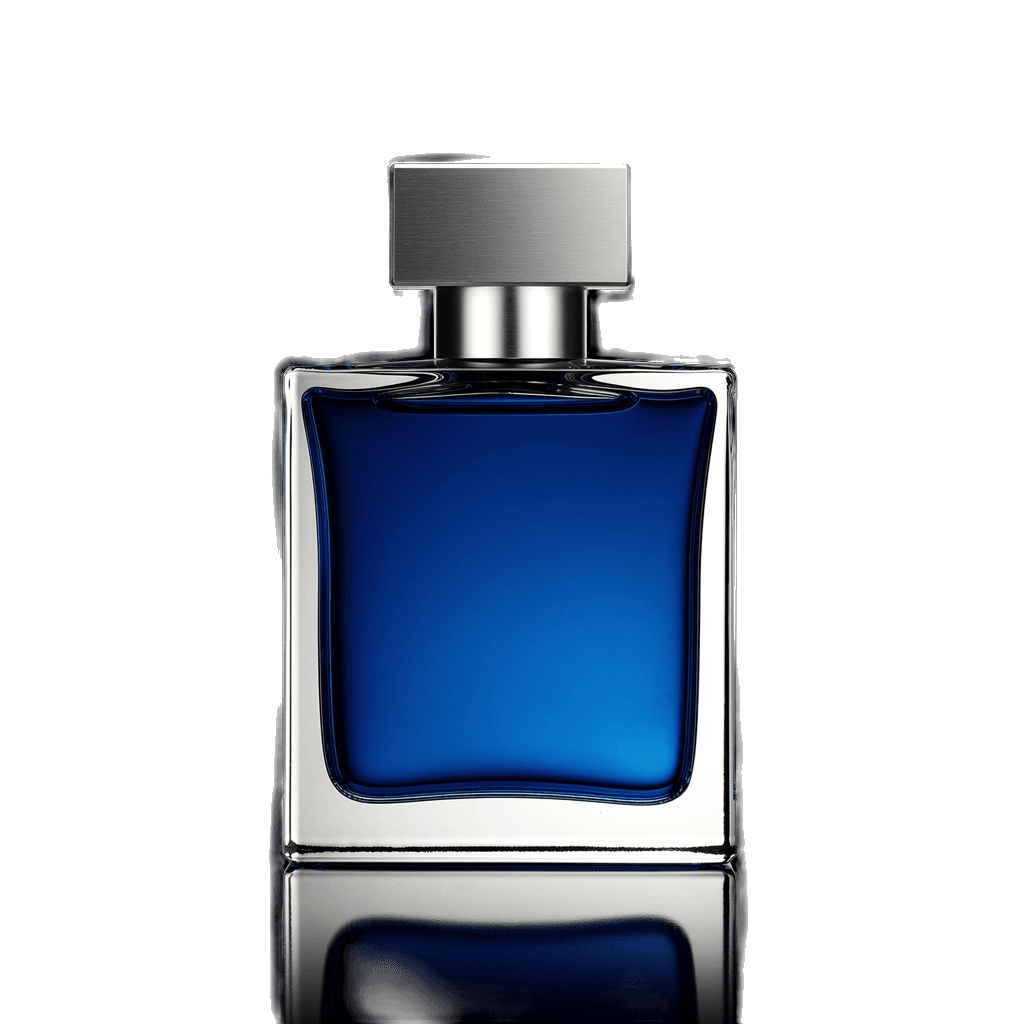
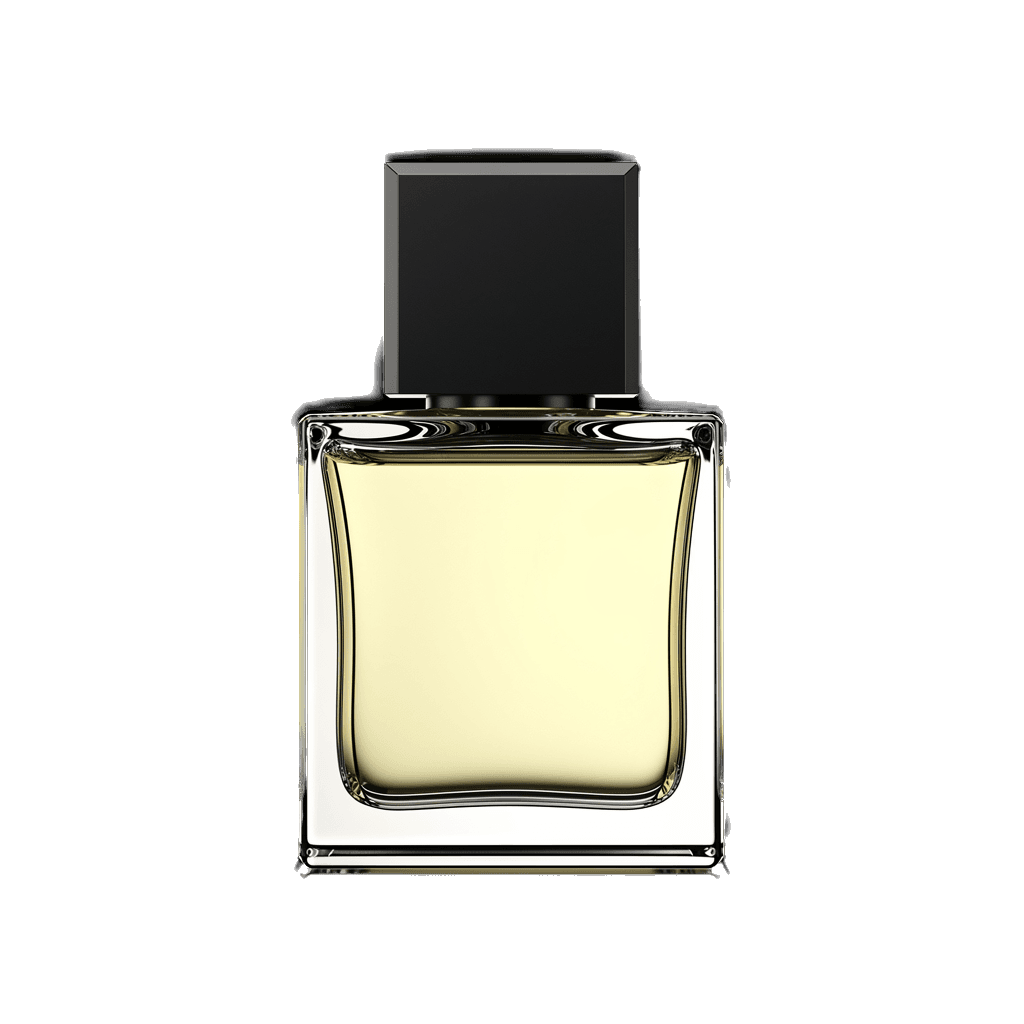
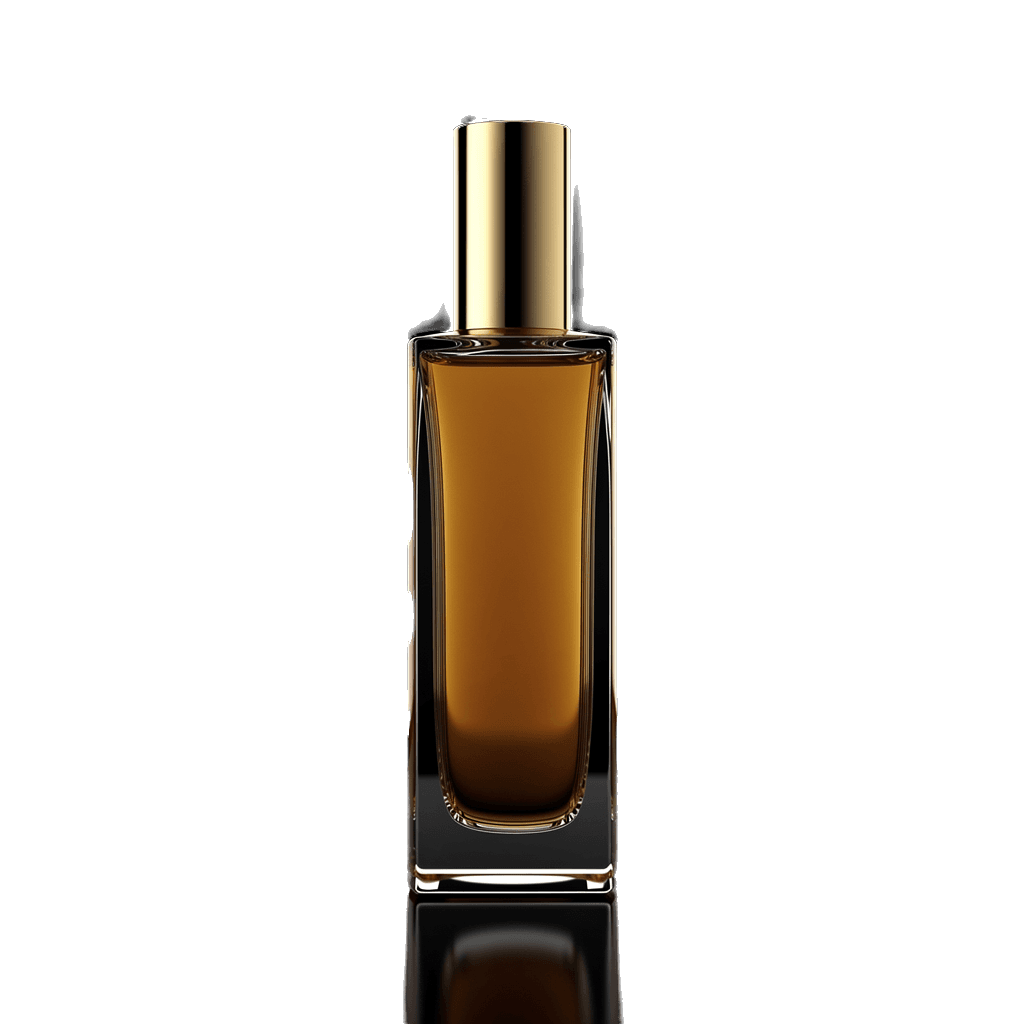
The visual language of Fabergé draws directly from the jewellery house’s iconic egg motif. Early bottles featured rounded shoulders and gold‑plated caps that resembled miniature eggs, while later releases adopted sleek, rectangular silhouettes with subtle embossing of the Fabergé crest. The brand’s color palette favors deep navy, rich burgundy, and polished gold, creating a sense of understated luxury. Typography on the labels uses a classic serif font, spaced to convey balance and readability. Advertising imagery often places the perfume beside antique silverware or crystal, reinforcing the connection to refined domestic settings. In recent years the brand has simplified its graphics, opting for clean lines and minimal text, yet it retains the signature gold accent as a nod to its heritage. The overall aesthetic balances heritage cues with a modern, approachable presentation that fits both boutique counters and mainstream department stores.
Philosophy
Fabergé frames its creative vision as a dialogue between Russian aristocratic legacy and mid‑century American optimism. The brand states that it seeks to craft scents that feel both timeless and immediate, using familiar structures while inserting unexpected twists. It values clarity of composition, allowing each note to speak without excess. The company emphasizes respect for the original Fabergé ethos of meticulous detail, translating that principle into olfactory form. Rather than chase fleeting trends, Fabergé aims to produce fragrances that accompany life’s milestones, from a first business meeting to a quiet evening at home. The brand also highlights a commitment to responsible sourcing, preferring ingredients that meet established quality standards and that support sustainable practices where possible.
Key Milestones
1842
Gustav Fabergé establishes the jewellery firm in Saint Petersburg, laying the foundation for the Fabergé name.
1937
Samuel Rubin founds the Fabergé perfume company in New York, licensing the historic name for fragrance.
1967
Launch of Kiku, the brand’s first major fragrance, marking its entry into the modern perfume market.
1980
Cellini debuts, showcasing Fabergé’s shift toward richer, more complex scent structures.
1996
Irium pour Homme releases, blending classic woody notes with contemporary aromatic accents.
At a Glance
Brand profile snapshot
Origin
United States
Founded
1937
Heritage
89
Years active
Collection
1
Fragrances released
Avg Rating
4.7
Community sentiment
Release Rhythm