The Heritage
The Story of Faberlic
Faberlic is a Russian cosmetics and fragrance house that grew from a direct‑selling concept into a nationwide manufacturing operation. The brand offers a broad portfolio that includes skin‑care, makeup, household products and a line of modern perfumes. Its products reach consumers through a network of independent consultants and a growing e‑commerce platform, positioning the company as a familiar name in everyday beauty across Russia and several neighboring markets.
Heritage
The company began in 1997 when entrepreneur Dmitry Koshkin launched a direct‑selling venture focused on affordable cosmetics. Early sales relied on a network of consultants who demonstrated products in homes and community events. By 2000 the brand opened its first dedicated production facility in the Moscow region, allowing it to control formulation, packaging and quality in‑house. In 2005 Faberlic introduced its first fragrance collection, expanding the portfolio beyond skin‑care. The launch featured scents such as Younova Unique, which received coverage in Russian lifestyle magazines. A decade later, in 2015, the firm inaugurated a research and development centre that collaborates with chemists from the Russian Academy of Sciences. This centre introduced a proprietary delivery system that improves scent longevity on skin. Between 2010 and 2020 the company extended its consultant network to more than 30 countries, establishing subsidiaries in Belarus, Kazakhstan and Ukraine. In 2022 Faberlic celebrated its 25th anniversary with a limited‑edition line of perfumes that referenced its early packaging motifs. The brand continues to invest in sustainable practices, announcing in 2023 a shift to recyclable PET bottles for its most popular fragrances. Throughout its history, Faberlic has combined a direct‑selling model with vertical integration, enabling rapid response to market trends while maintaining price accessibility for a broad consumer base.
Craftsmanship
All Faberlic products emerge from a single manufacturing complex located near Moscow. The plant follows Good Manufacturing Practice (GMP) guidelines and holds ISO 9001 certification for quality management. Raw materials arrive after third‑party testing for purity; natural extracts are verified by gas chromatography, while synthetic aroma chemicals undergo batch‑by‑batch analysis. Formulators blend ingredients in temperature‑controlled stainless steel vessels, using automated dosing systems that ensure repeatable ratios. For fragrances, the company employs a micro‑encapsulation technique that locks volatile notes, extending scent life on the skin. Each batch passes a stability test that simulates exposure to light, heat and humidity for 12 months. Finished bottles travel through a clean‑room bottling line where they are filled, sealed and labeled by robotic arms that minimize contamination. Final products receive a visual inspection and a scent verification by senior perfumers before release. The integrated supply chain allows Faberlic to launch new scents within a six‑month window from concept to market, a speed that rivals many traditional perfume houses.
Design Language
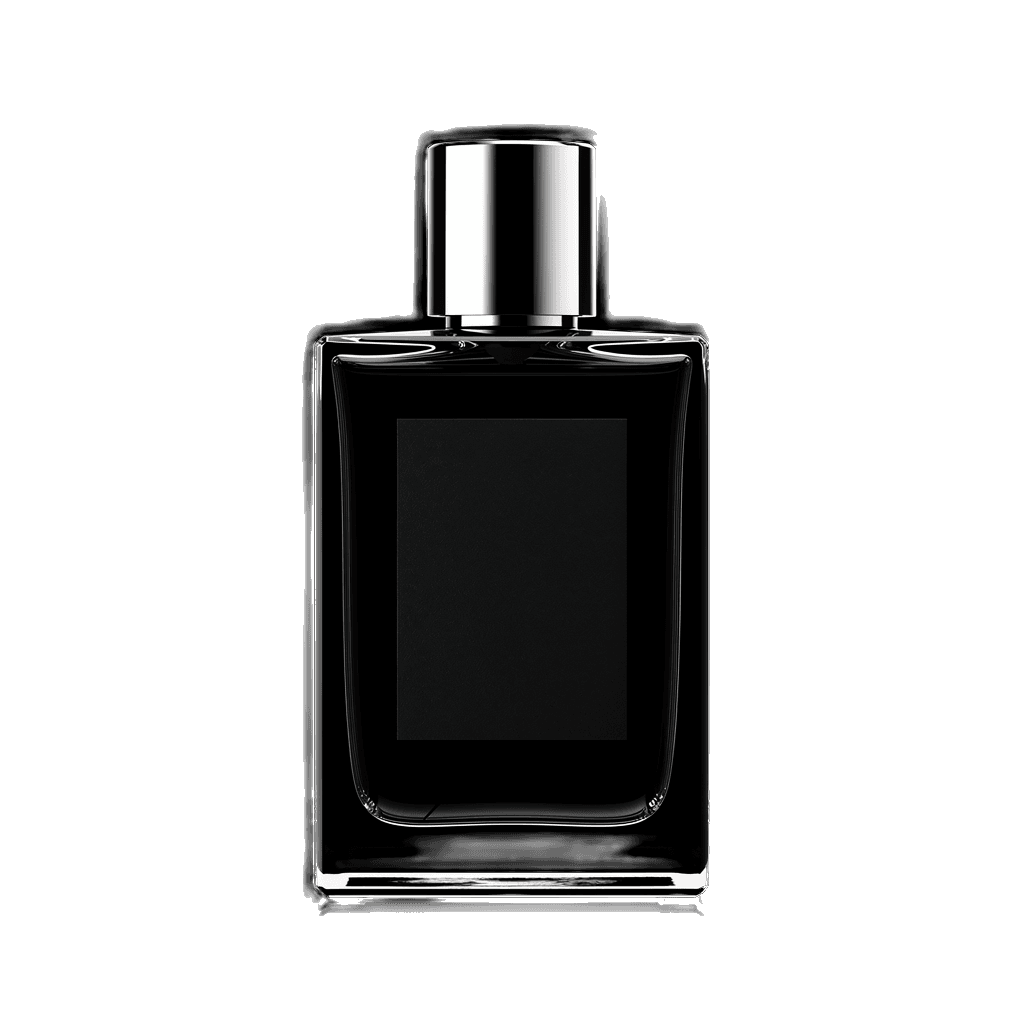
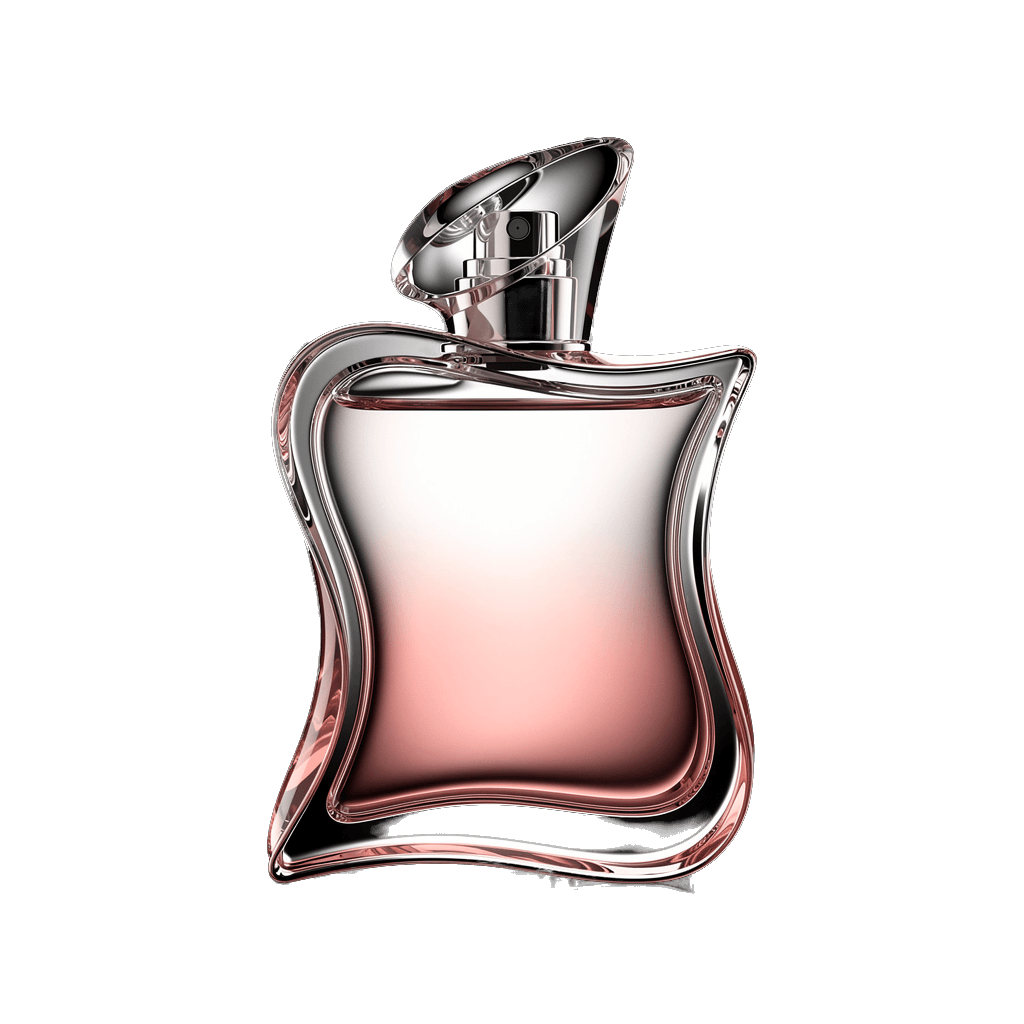
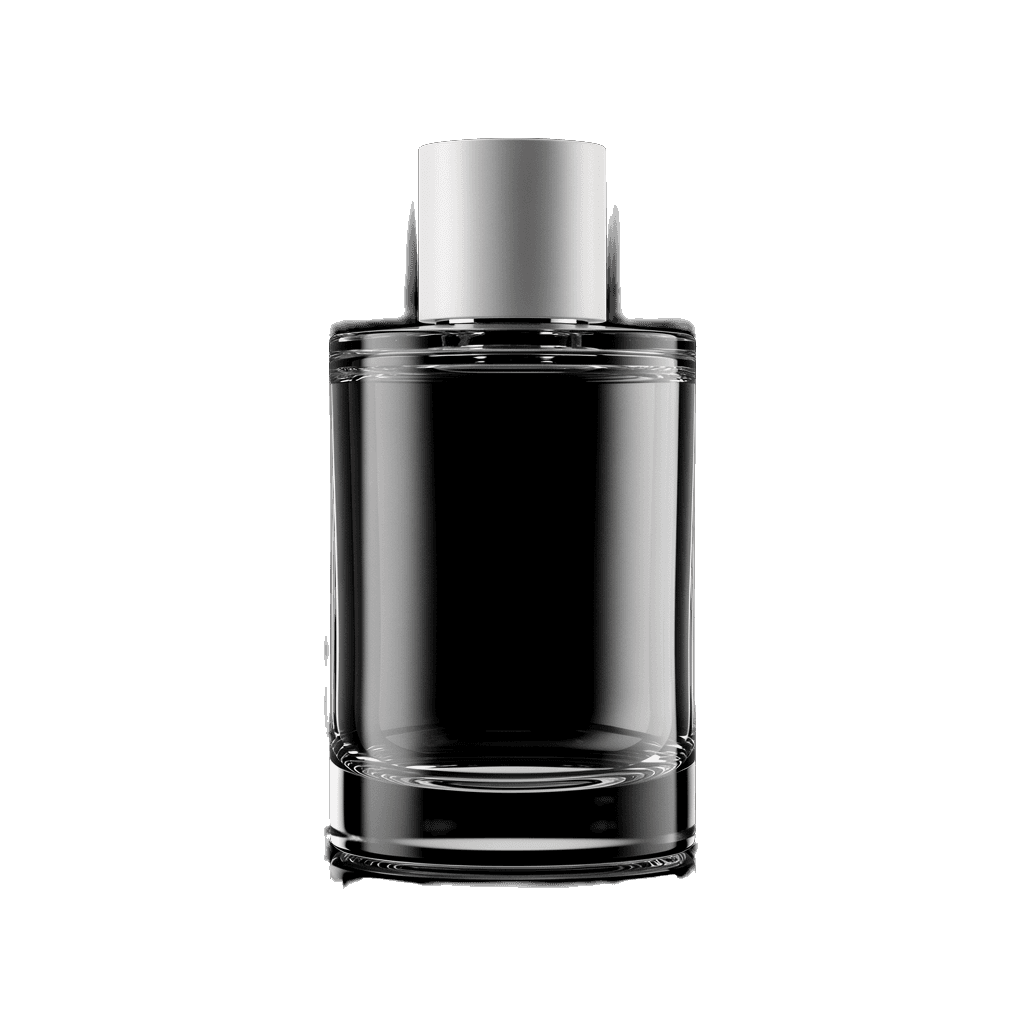
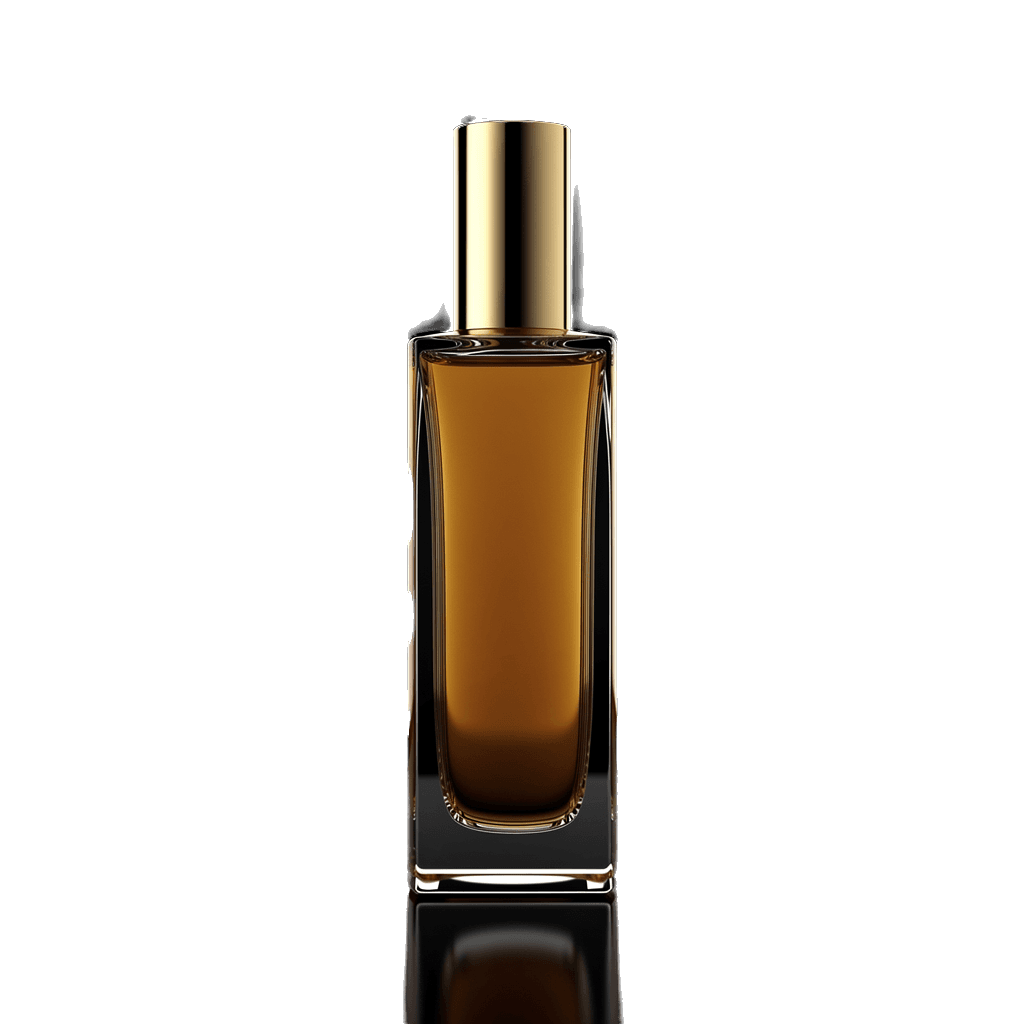
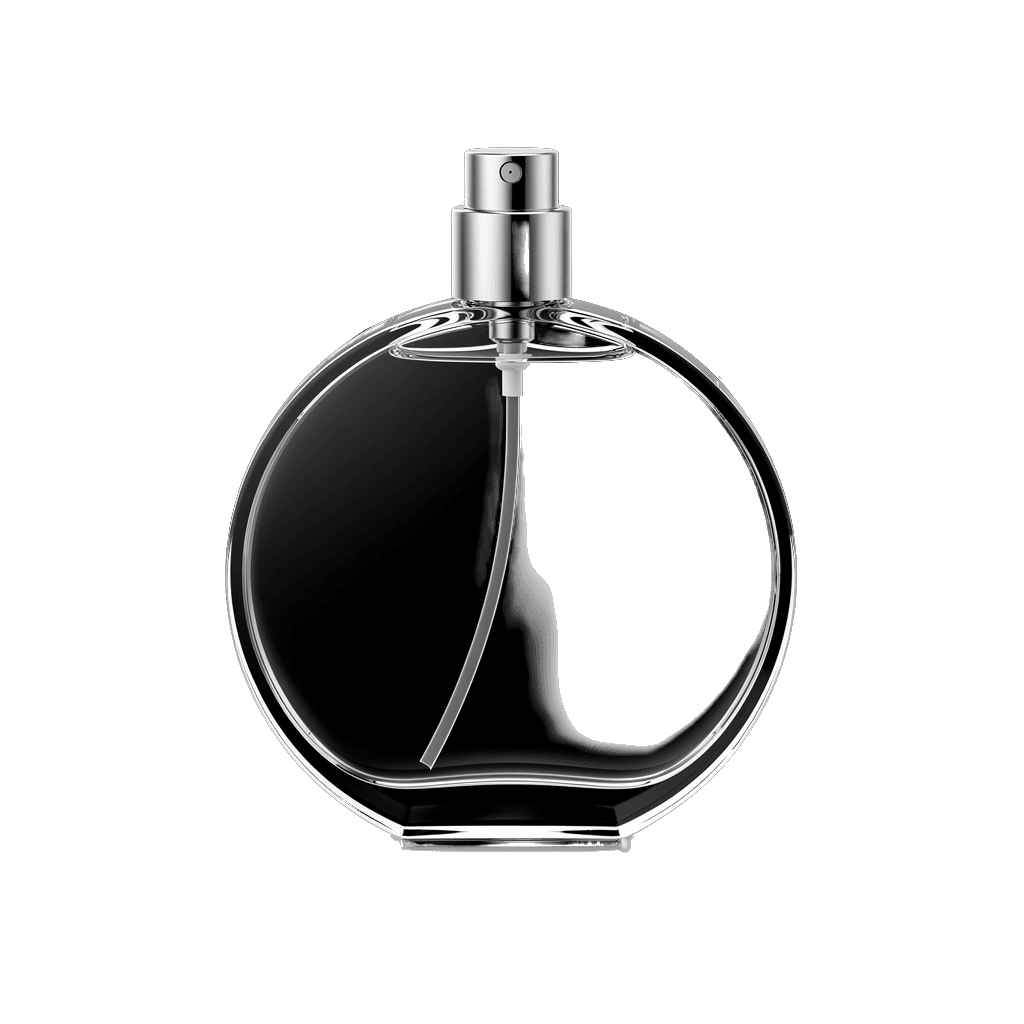
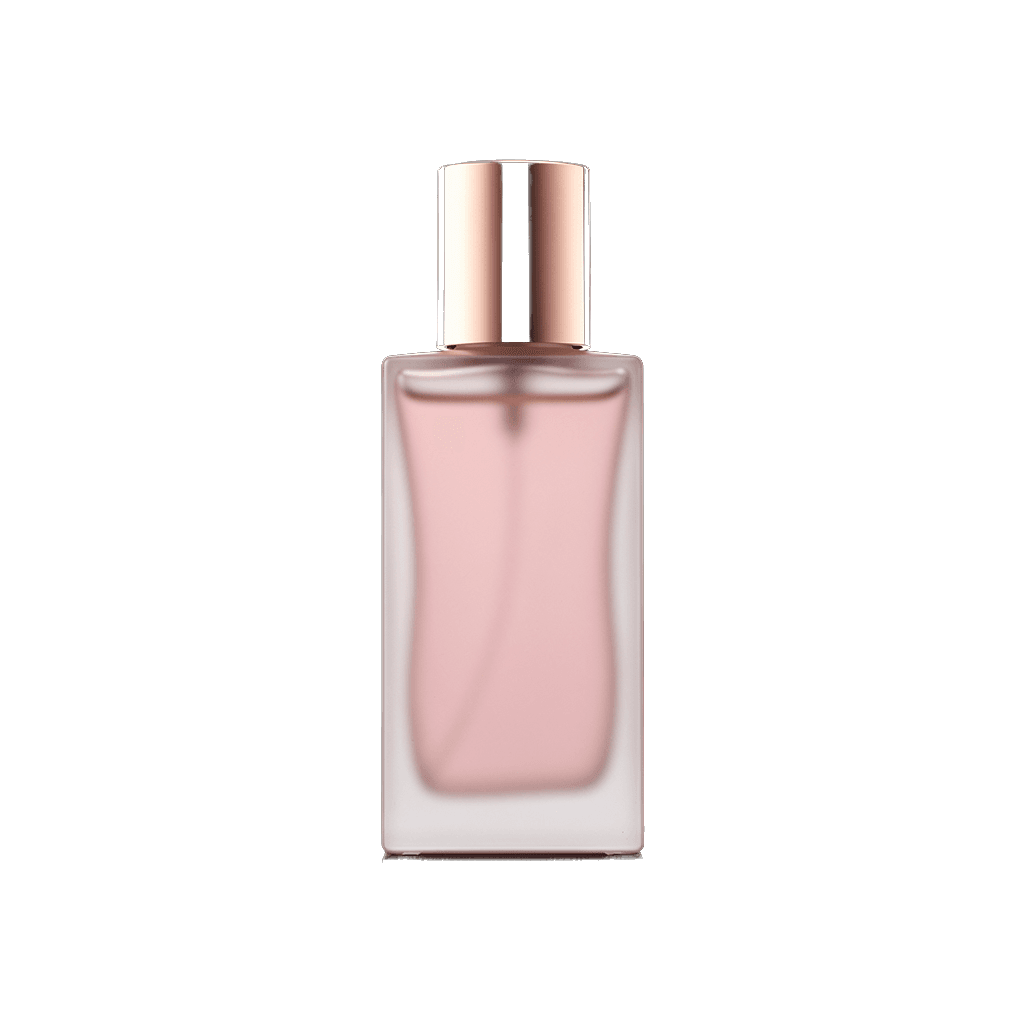
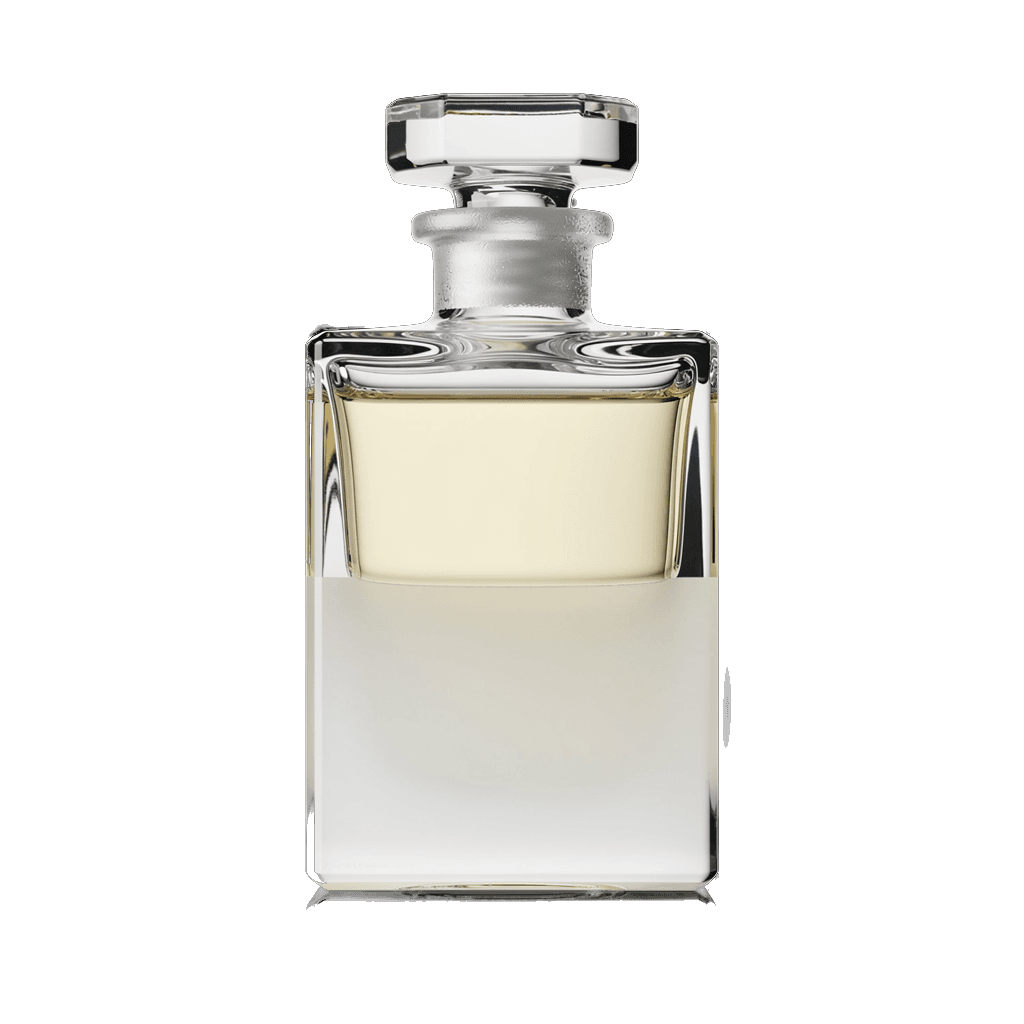
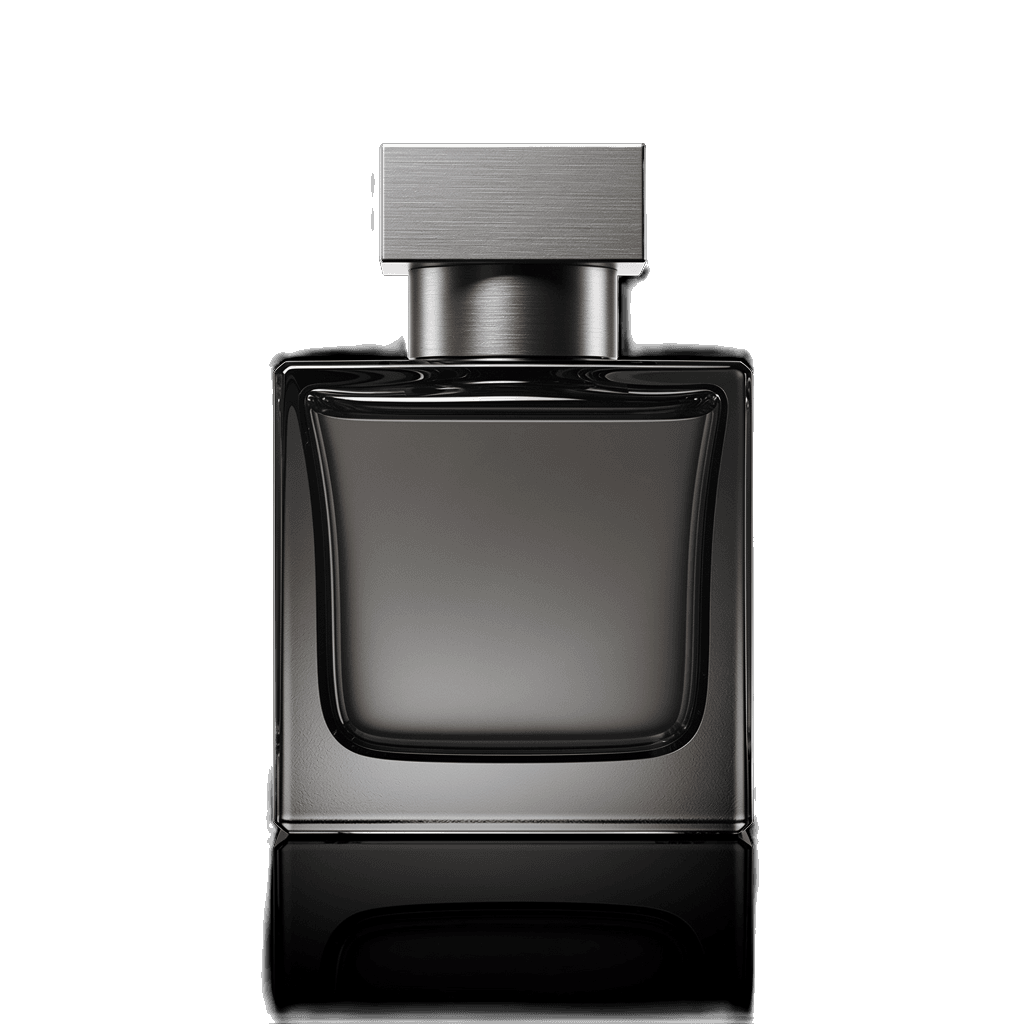
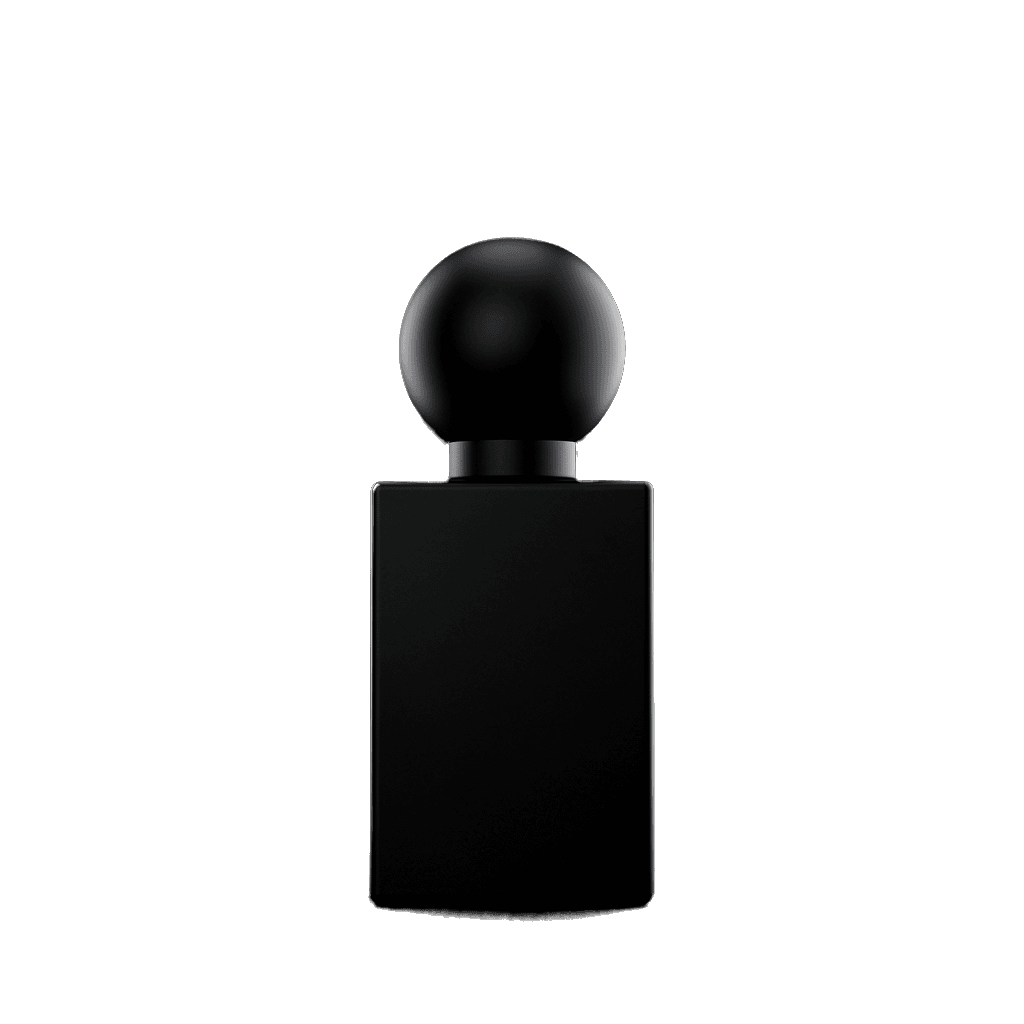
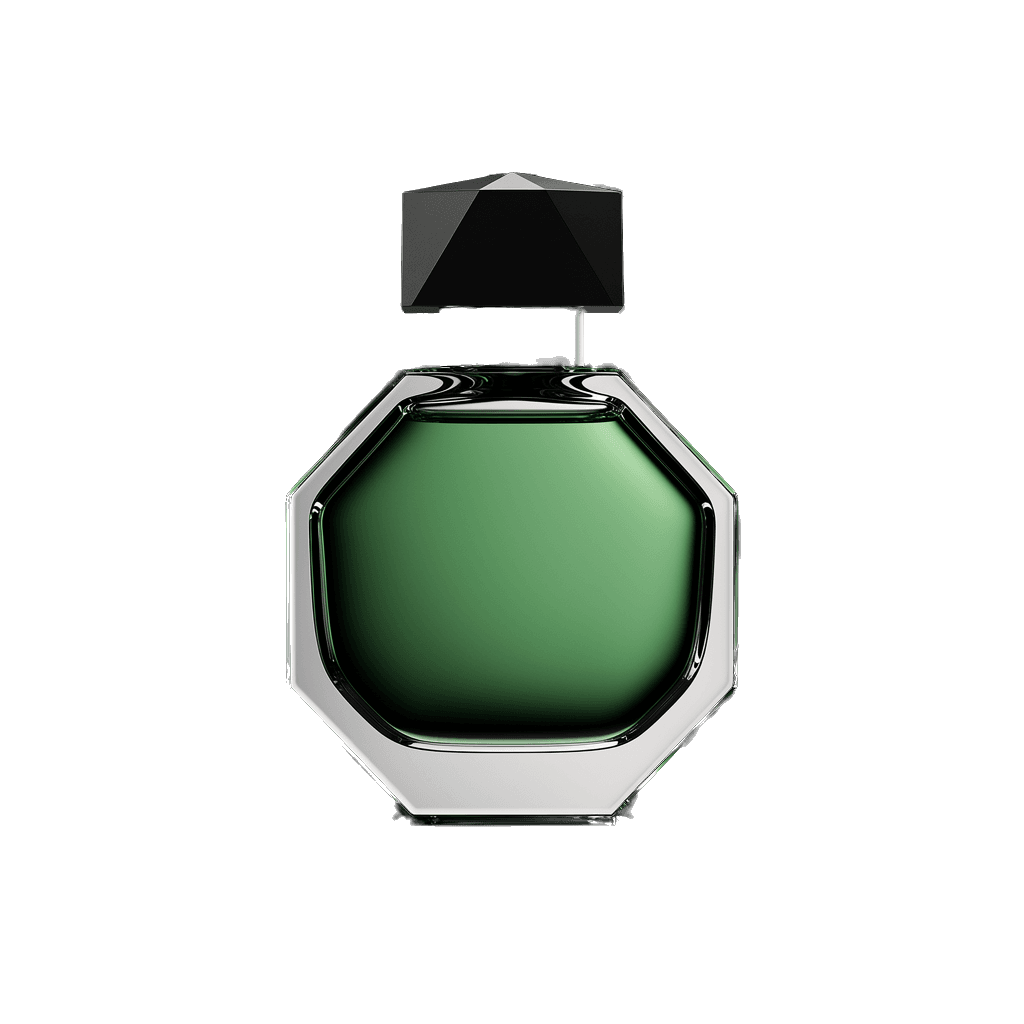
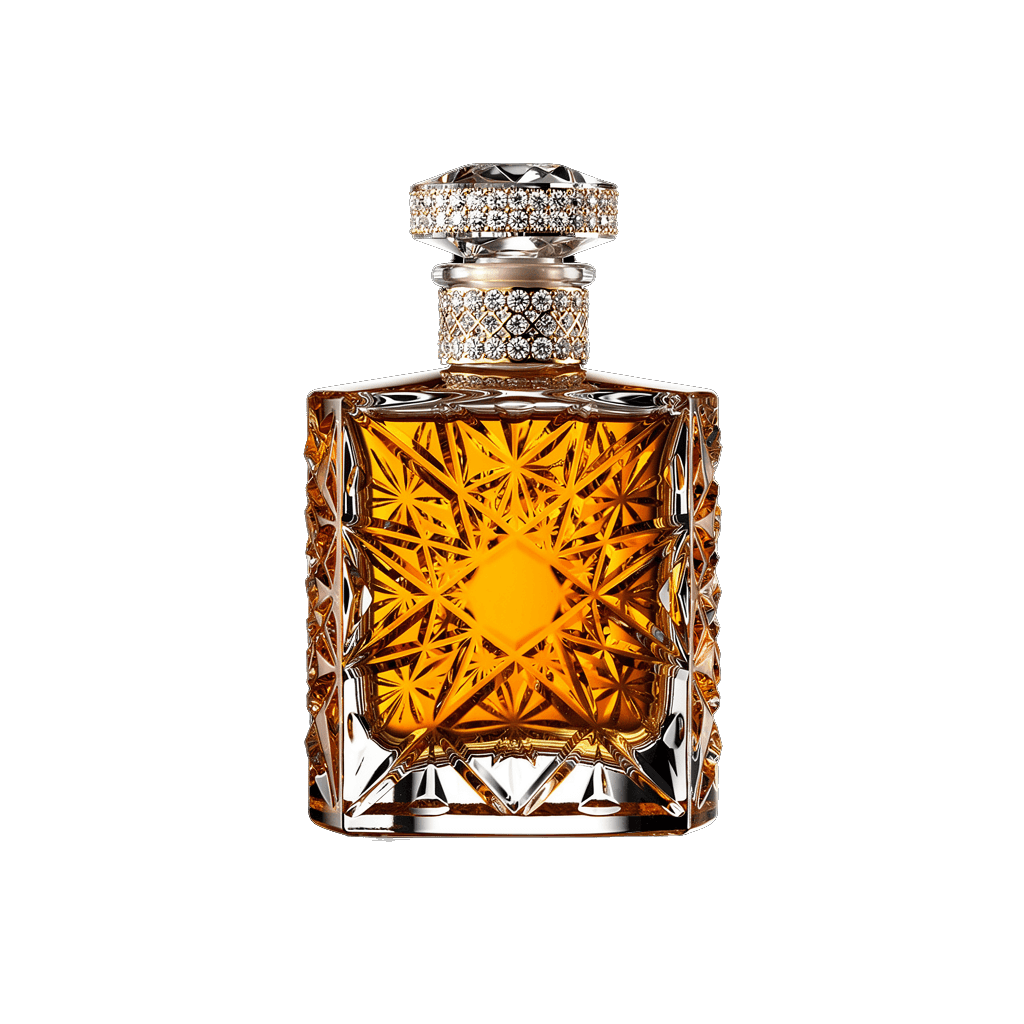
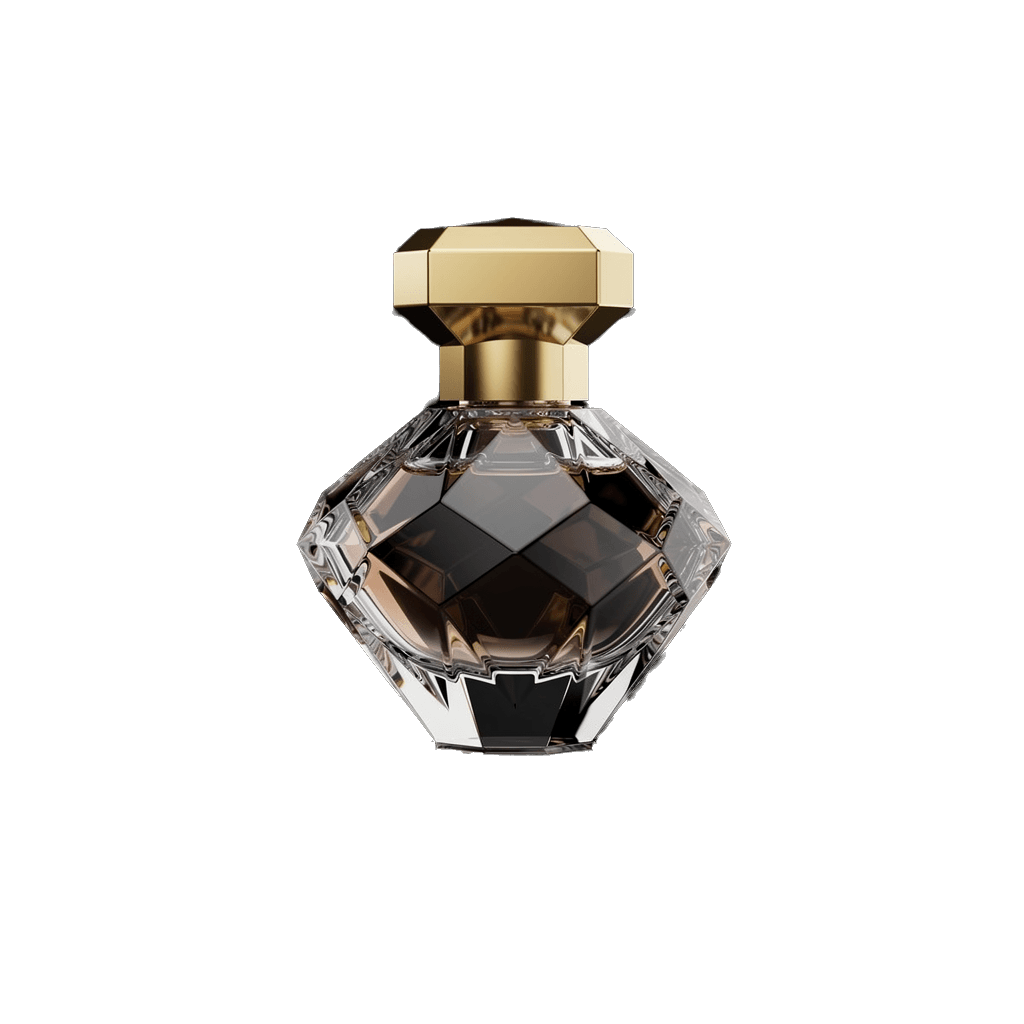
Faberlic’s visual language favors clean lines and soft pastel palettes that convey approachability. Bottle designs for the perfume range use simple geometric shapes—cylinders, ovals or square bases—finished with matte frosted glass that catches light without glare. Labels feature a sans‑serif typeface paired with a thin gold foil accent, echoing the brand’s emphasis on understated elegance. The packaging for skin‑care products mirrors this minimalism, employing recyclable white PET containers with a single color band that denotes the product line. In retail displays, the brand opts for modular shelving that highlights the product’s texture and scent notes through tactile samples and QR codes linking to ingredient stories. Marketing imagery often portrays everyday moments—morning routines, casual gatherings—captured in natural lighting, reinforcing the message that beauty integrates seamlessly into daily life.
Philosophy
Faberlic frames beauty as a daily ritual that should be within reach of every household. The company stresses a science‑first approach, relying on in‑house laboratories to test each ingredient for safety and performance. It promotes transparency by publishing ingredient lists on its website and encouraging consultants to explain formulation choices to customers. Sustainability forms a core pillar; the brand reports that it sources a portion of its natural extracts from certified farms in the Russian Far East and seeks to reduce waste through refillable packaging. Consumer feedback drives product development; the R&D centre runs quarterly focus groups that shape scent profiles and texture adjustments. Faberlic also supports social initiatives, partnering with charitable programs that provide beauty education to underserved communities. This blend of scientific rigor, accessibility and social responsibility defines the brand’s creative vision.
Key Milestones
1997
Dmitry Koshkin launches Faberlic as a direct‑selling cosmetics venture in Moscow.
2000
First production facility opens in the Moscow region, enabling in‑house formulation and packaging.
2005
Faberlic releases its inaugural fragrance collection, including Younova Unique.
2015
Research and Development centre opens, partnering with the Russian Academy of Sciences.
2020
Company expands consultant network to over 30 countries across Eastern Europe and Central Asia.
2023
Launch of recyclable PET bottles for the perfume line, marking a sustainability milestone.
At a Glance
Brand profile snapshot
Origin
Russia
Founded
1997
Heritage
29
Years active
Collection
5
Fragrances released
Avg Rating
3.4
Community sentiment
Release Rhythm