
The Heritage
The Story of Filippo Sorcinelli
Filippo Sorcinelli translates the language of liturgy and fine art into a line of niche fragrances that sit between perfume and sculpture. Based in Italy, the house emerged from an atelier that first crafted sacred vestments and a papal room spray. Today the brand releases limited‑edition scents such as Peinture d’Homme (2025) and La Lumière (2025), each presented as a sensory vignette that invites contemplation.
Heritage
In 2001 Filippo Sorcinelli founded LAVS – Laboratorio Atelier Vesti Sacre – in Milan. The workshop began by designing and hand‑stitching sacred vestments for churches, then expanded to create a room and clothing spray for Pope Benedict XVI. That commission introduced a fragrance concept rooted in ritual and place. Over the next decade the studio experimented with scent as a complement to visual art, producing small batches for private collectors. In 2016 the brand launched ennui‑noir, a dark, introspective scent that marked the first perfume released under the Filippo Sorcinelli name. Three years later Quando rapita in estasi arrived, drawing on the composer’s notion of ecstatic music and earning coverage in niche perfume blogs. The 2020 Lavs Limited Edition revisited the original papal spray, reformulated with contemporary ingredients while preserving its historic DNA. 2022 saw the introduction of TU ES PETRUS, a fragrance that references stone and permanence, followed by La Voglia d’aMare (2024), a marine‑inspired composition that juxtaposes salt‑kissed air with warm amber. The most recent releases, Peinture d’Homme and La Lumière (both 2025), explore the relationship between light, colour and scent, completing a decade‑long evolution from liturgical craft to artistic perfumery. Throughout its history the house has remained independent, producing each fragrance in limited numbers from its Milan workshop and maintaining a direct relationship with a small community of collectors.
Craftsmanship
All Filippo Sorcinelli fragrances are assembled in a Milan studio that doubles as a workshop for liturgical textiles. The production process follows a small‑batch model: each formula is weighed by hand, mixed in stainless steel vats, and left to macerate for a period that ranges from three weeks to six months, depending on the composition. The brand sources natural absolutes and essential oils from growers who practice sustainable agriculture, such as jasmine from Grasse, sandalwood from Mysore, and ambergris substitutes from certified marine farms. When a natural ingredient proves unavailable, the house commissions a bespoke synthetic analogue that matches the original’s olfactory profile, ensuring consistency across limited releases. Quality control includes blind olfactory testing by a panel that includes the founder, a master tailor from the LAVS atelier, and an external fragrance consultant. Bottles are hand‑filled, capped with brushed aluminium, and sealed with a wax stamp that bears the LAVS monogram. The label is printed on recycled paper using soy‑based inks, reflecting the brand’s commitment to environmentally conscious production. Every step, from ingredient selection to final packaging, is documented in a ledger that the founder reviews before each release, guaranteeing that each perfume retains the tactile and aromatic integrity envisioned at its inception.
Design Language
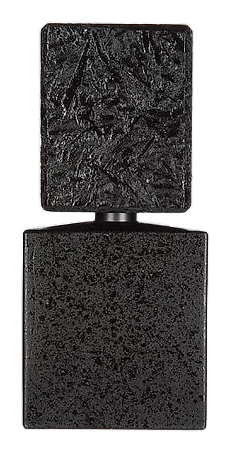
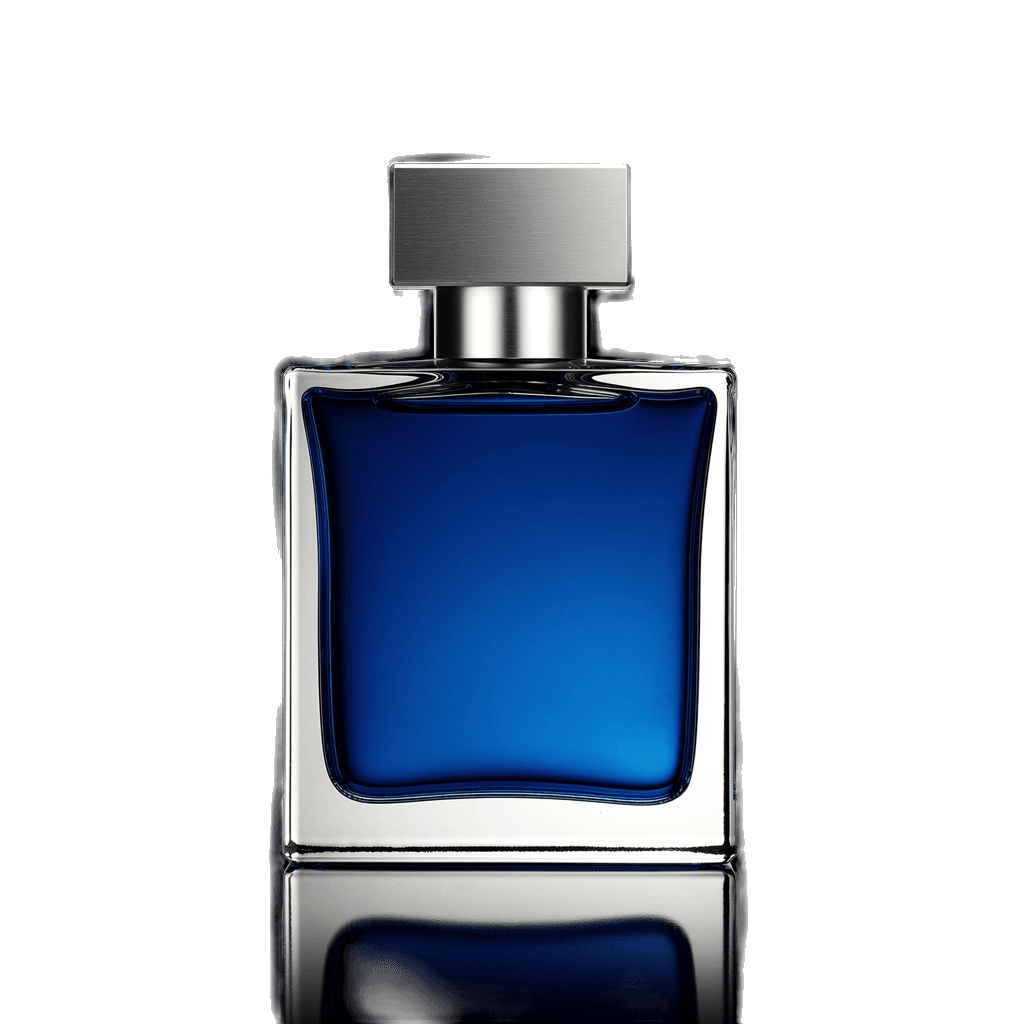
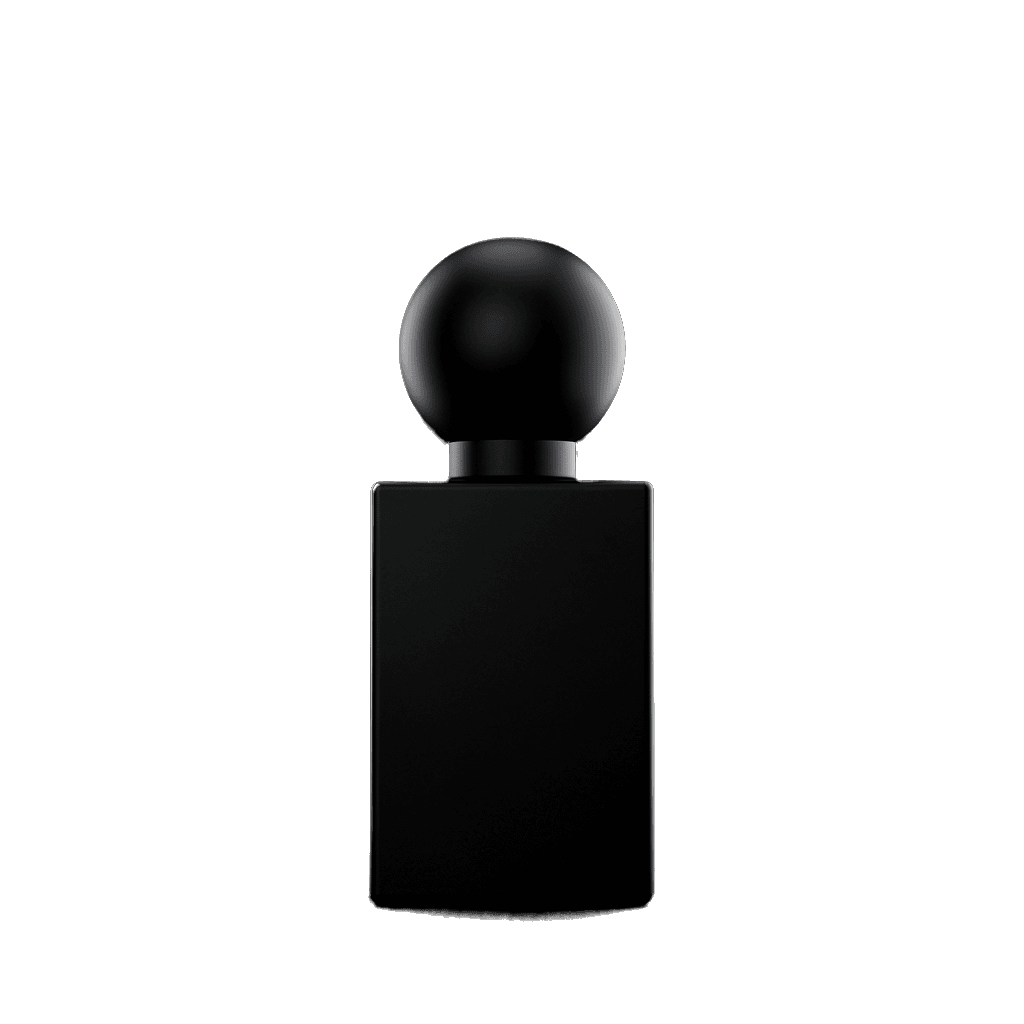
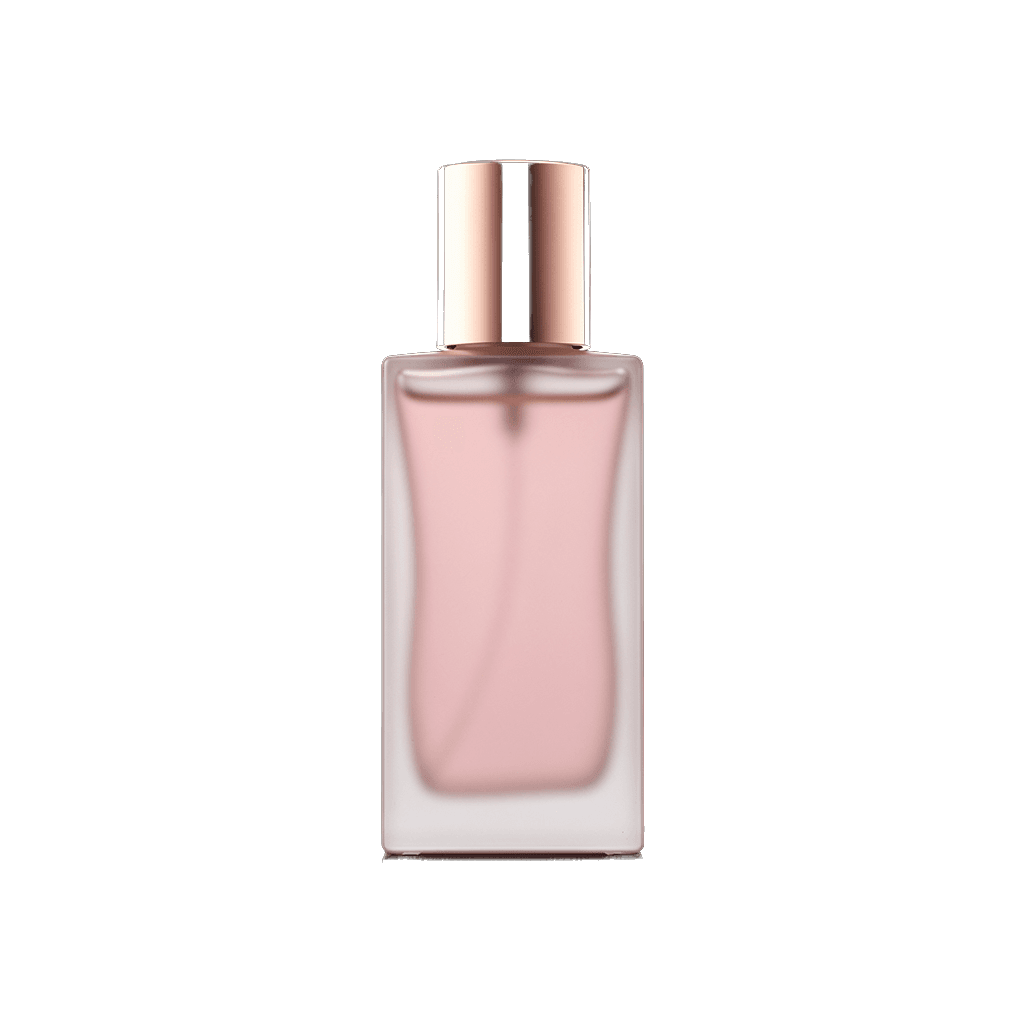
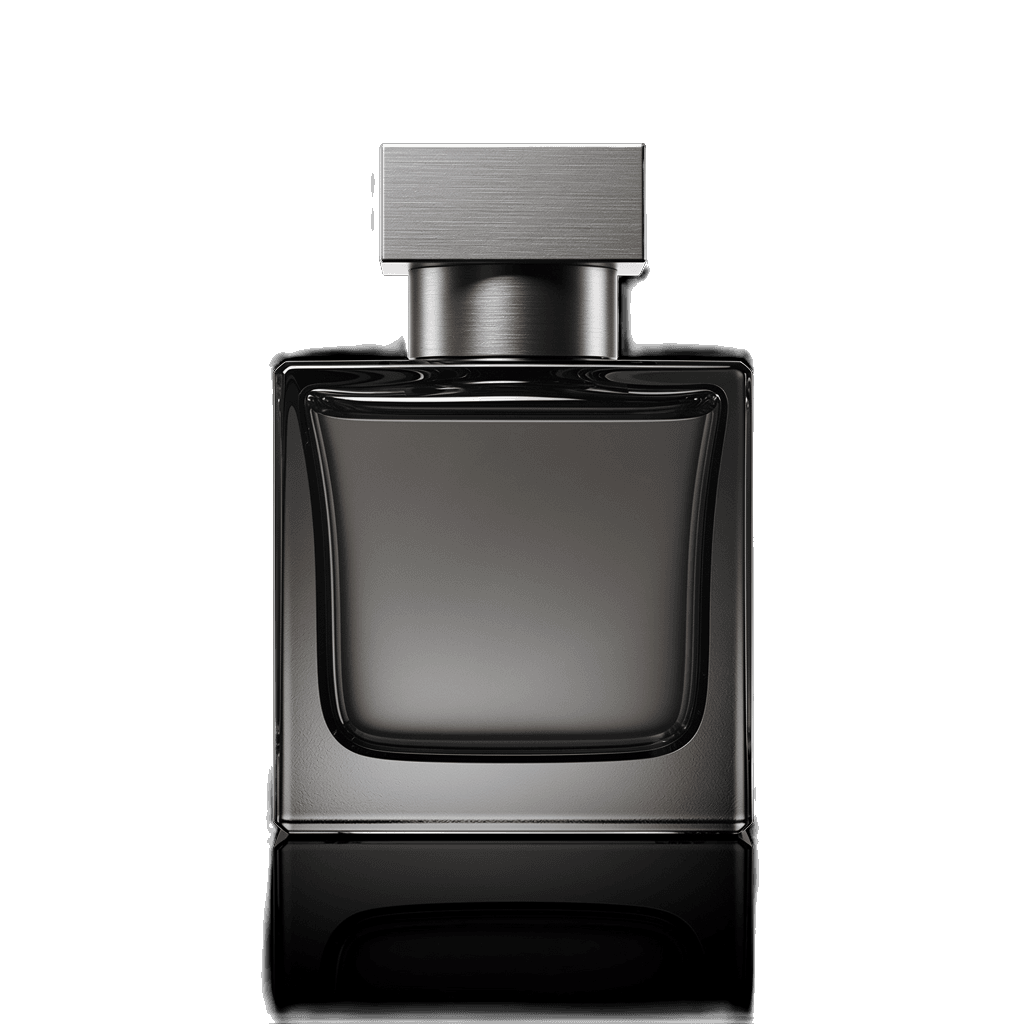
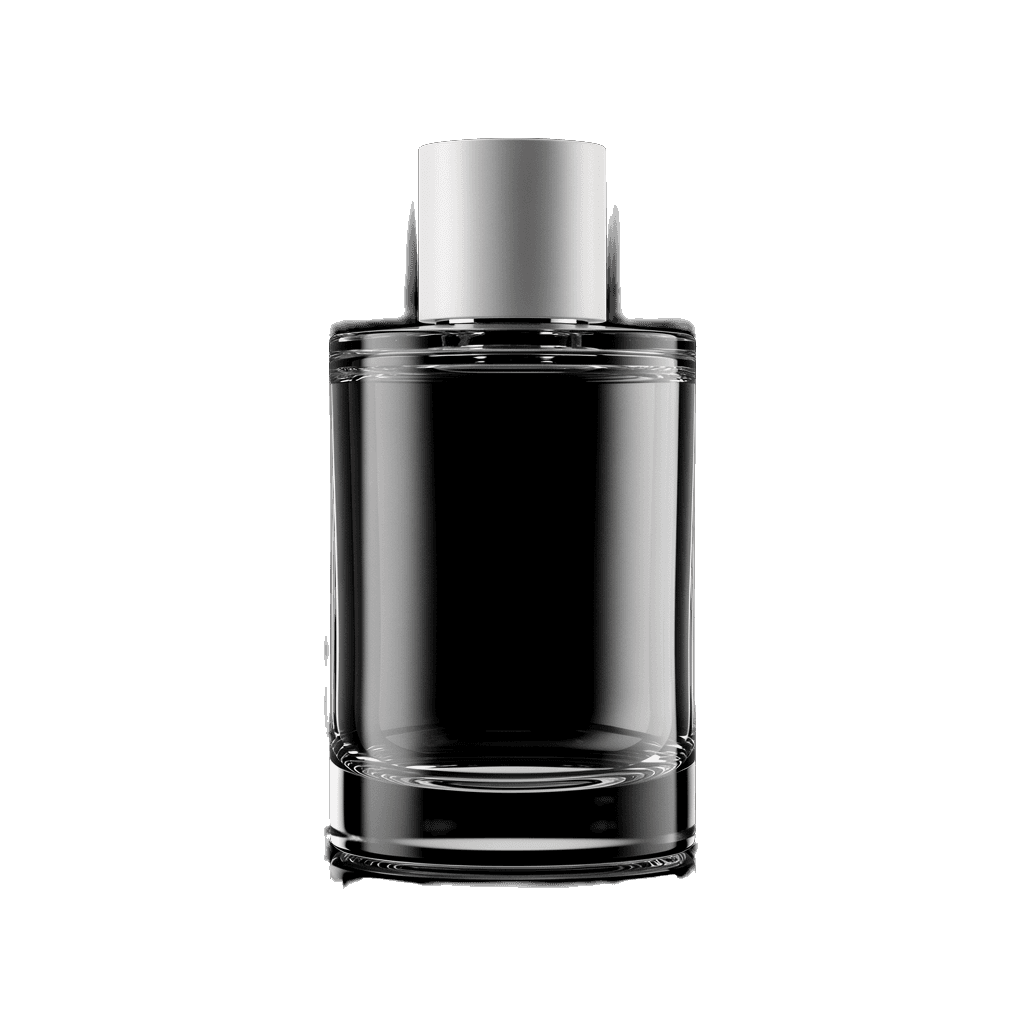
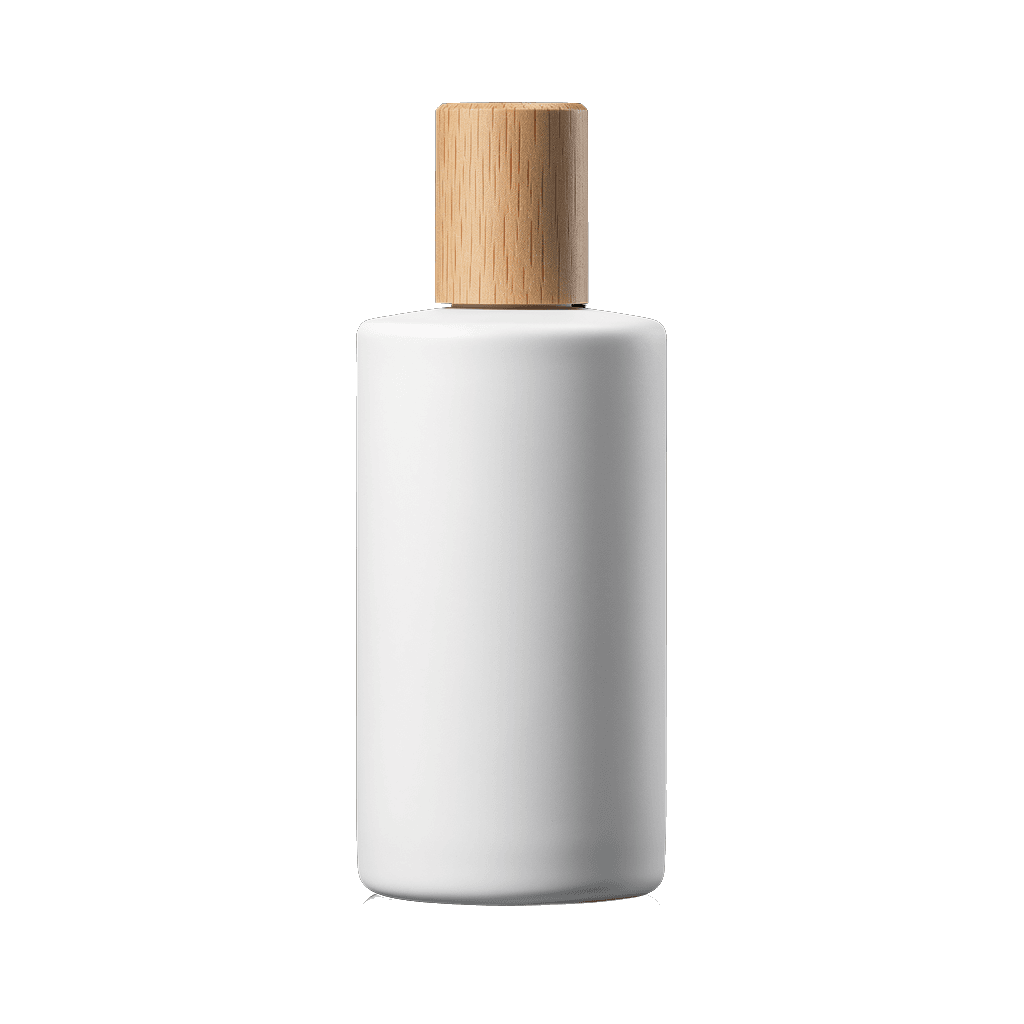
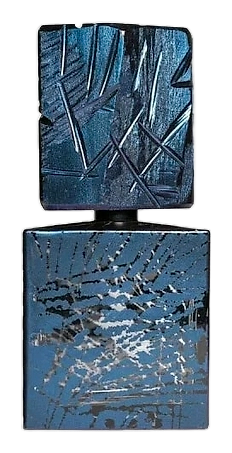
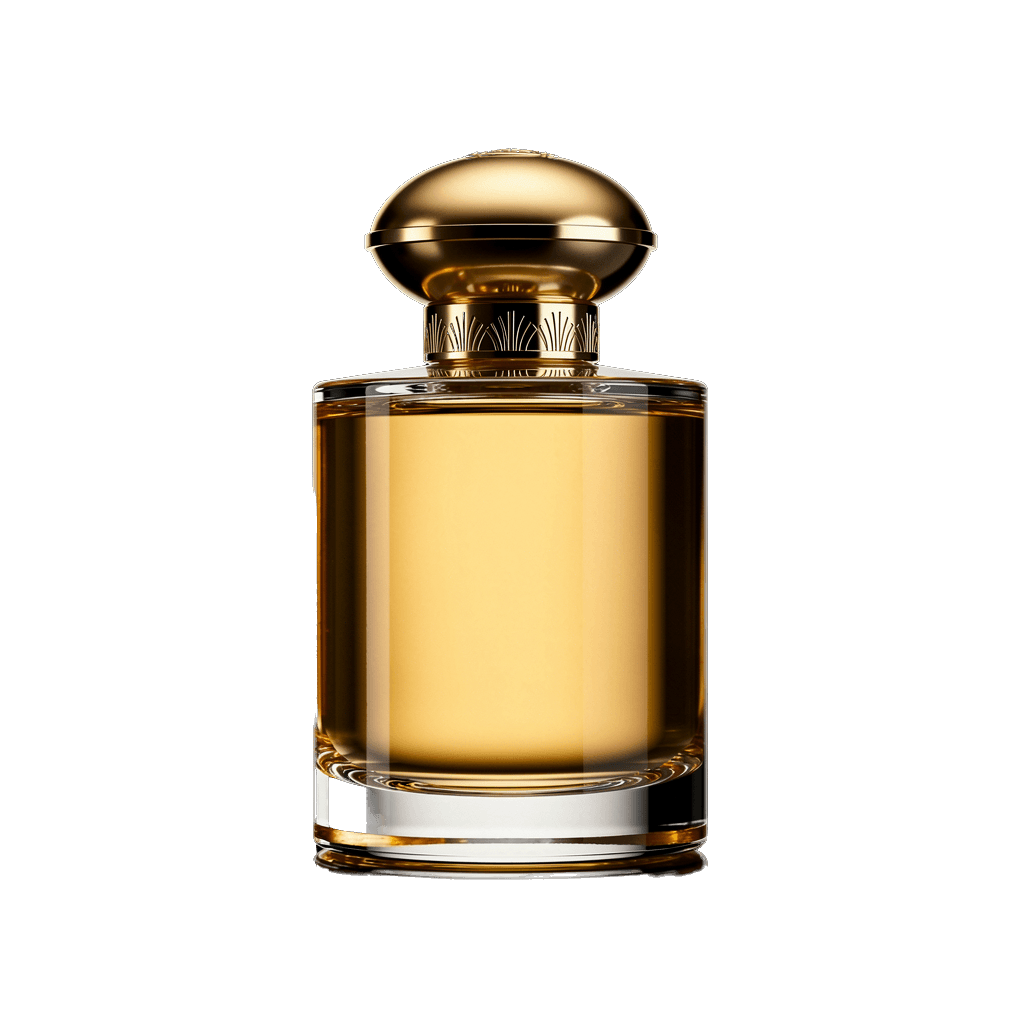
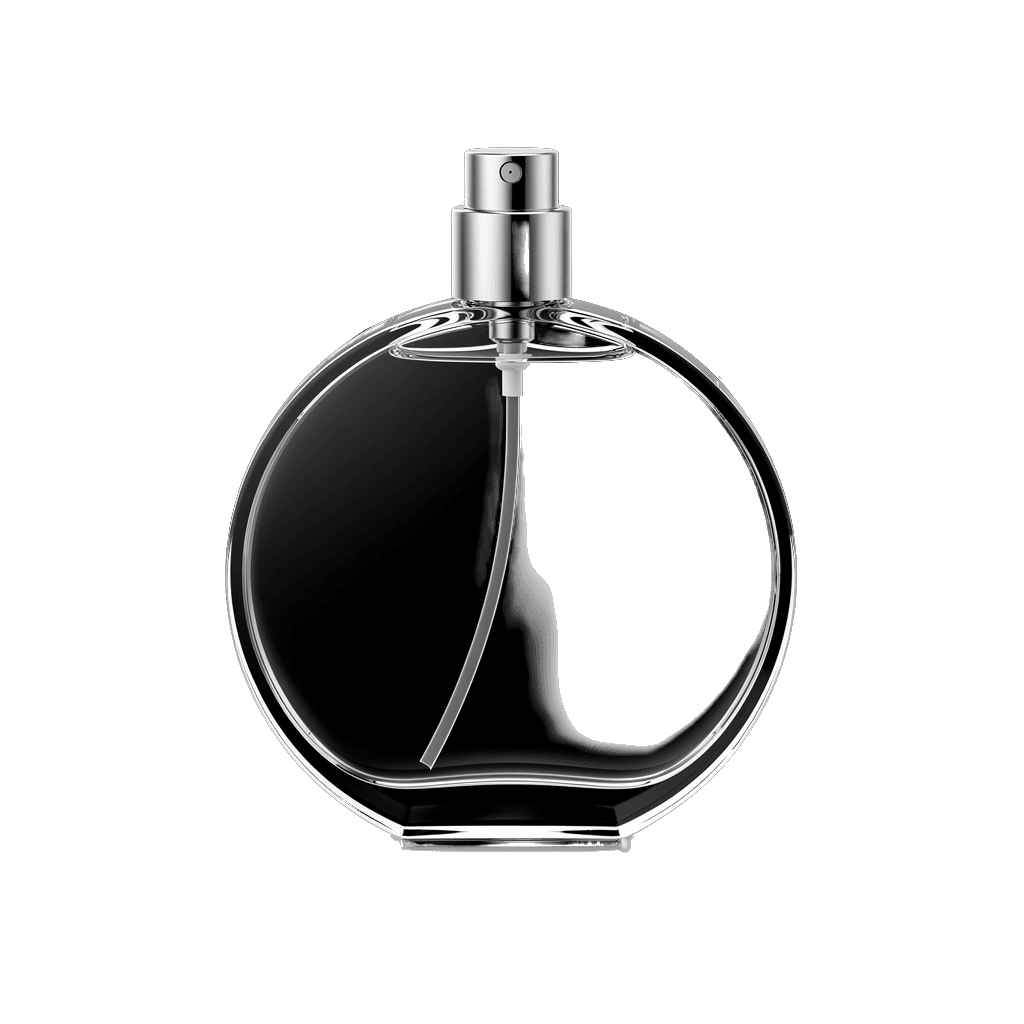
The visual identity of Filippo Sorcinelli mirrors its minimalist yet reverent ethos. Bottle shapes are simple cylinders or rectangular prisms, allowing the perfume’s colour to become the focal point. Glass is clear or lightly tinted, often revealing a pale amber or soft ivory hue that hints at the scent’s character. The label features a thin black serif typeface, with the brand name embossed in silver foil. Caps are machined from brushed aluminium or matte black metal, providing a tactile contrast to the smooth glass. Packaging boxes use heavyweight matte paper, printed with a single line drawing that references the fragrance’s inspiration – for example, a faint outline of a cathedral window for La Lumière. The overall aesthetic avoids overt branding, instead inviting the owner to discover the story through subtle visual cues. In retail settings the brand displays its bottles on reclaimed wood plinths, surrounded by soft, directional lighting that mimics the ambience of a chapel, reinforcing the connection between scent, space, and contemplation.
Philosophy
Filippo Sorcinelli treats fragrance as a visual medium, seeking to paint emotions with aroma. The brand’s creative vision stems from the founder’s background in sacred art, where symbolism and ritual guide composition. Each scent begins with a narrative sketch – a memory, a place, a musical phrase – that the perfumer translates into accords. The house values authenticity, favouring ingredients that carry a trace of their origin, whether a Tuscan lavender field or a Sicilian citrus grove. It avoids mass‑market trends, instead focusing on the personal resonance of a fragrance. The label encourages wearers to experience scent as a moment of contemplation rather than a decorative accessory. This approach aligns with a broader artistic practice that includes limited‑edition jewellery and hand‑crafted interiors, reinforcing the idea that scent can shape atmosphere as powerfully as colour or texture.
Key Milestones
2001
Filippo Sorcinelli establishes LAVS atelier in Milan, focusing on sacred vestments and liturgical design.
2016
Launch of ennui‑noir, the first perfume released under the Filippo Sorcinelli name.
2019
Quando rapita in estasi debuts, drawing inspiration from ecstatic music and receiving coverage in niche perfume publications.
2020
Lavs Limited Edition revisits the original papal room spray with a contemporary reformulation.
2022
TU ES PETRUS is introduced, exploring mineral and stone motifs.
2024
La Voglia d’aMare releases, combining marine notes with warm amber.
At a Glance
Brand profile snapshot
Origin
Italy
Founded
2001
Heritage
25
Years active
Collection
5
Fragrances released
Avg Rating
3.8
Community sentiment
Release Rhythm